


|
|
Any child under the age of 18 years in Qatar would have to go to paediatric centres for healthcare treatment with the government planning to raise the paediatric age, a senior official has said.
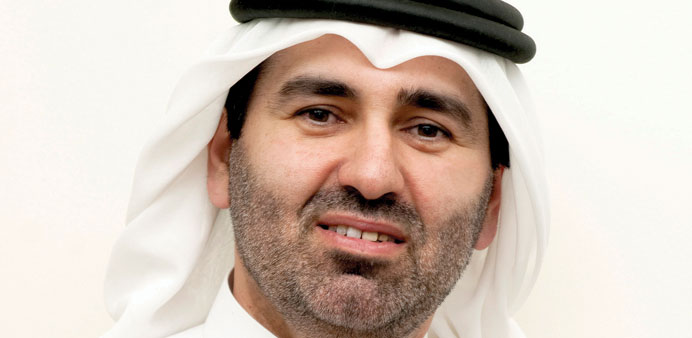
Qatar will soon raise the paediatric age from 0-14 years to 0-18 due to the increase in the number of children suffering from complex chronic medical conditions, according to Dr Ahmed Hassan al-Hammadi, head of Paediatric Complex Chronic Care Clinics (PCCCC).
Dr al-Hammadi, who is also the head of Hamad General Hospital’s General Paediatric Division and consultant, said the significant increase in number of children with complex health problems was due to the population increase in the country.
“Nowadays, we see children suffering from complex health issues more than before. Children with complex chronic medical conditions include those who have suffered congenital brain disease, heart or cardiac problem, genetic or metabolic diseases as well as conditions like cerebral palsy.
“There are also cases of children who have sustained life-long injuries or permanent disabilities due to road traffic accidents, meningitis or brain infection,” Dr al-Hammadi said.
“Most of the children who were born preterm at seven-nine months of pregnancy, have a lot in common in terms of multi-system involvement, multiple medications, multiple specialty inputs, frequent and prolonged hospital admissions, dependency on advanced technology and a need for optimal co-ordination of care and close monitoring,” he stated, adding that their care required frequent hospital visits to different doctors at different times thus making it difficult for the parents.
“So in order to help cut the burden on the parents, the Department of General Paediatrics at the Hamad General Hospital last year launched the new clinical programme of PCCCC, which is providing one stop care for these children.”
During each visit to the PCCCC, the patients would see all the required specialists ranging from paediatrician, brain neurologist, cardiologist, bio-immunologist, gastroenteritist, respiratorist, physiotherapist, speech therapist, dieticians, nurses and social workers, he said.
The criteria for attending the referral-only clinics, being run by him and an assistant Dr Reem Babaker, are that the child must have very complex health conditions, be very sick, and be technology-dependent.
“Most of our patients are responding to treatment and care as expected. We also provide the required training for their families in their care as majority of them use wheel-chairs and need to be supported through a feeding tube,” Dr al-Hammadi said.
However, he said the children were still facing a number of challenges regarding schooling.
“Though, we have tried to get some of our patients into schools here, a number of them were still not being admitted due to lack of specialised skills in the schools. The official called for the establishment of more centres like the Shafallah Centre for Children with Special Needs.
“It is important for these children to acquire some classroom-based skills even though they might not comprehend much. We believe it is part of their rights,” he said, while pointing out that many of them might not survive beyond their 20th birthday.
He added that the centre was being supported by Toronto-based SickKids Hospital which is providing training for staff and other allied health therapists.