


|
Dubai’s success in bidding to host the 2020 World Expo will trigger billions of dollars of investment in the emirate, but it may risk a repeat of the boom-and-bust cycle which nearly caused financial collapse just a few years ago. |
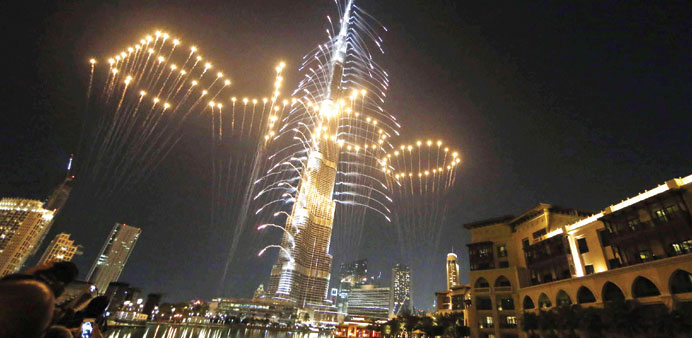
After competing against three cities, Dubai was awarded the world’s fair by the Bureau International des Expositions yesterday, setting the seal on a dramatic economic recovery.
Four years ago, the emirate of 2.2mn people nearly defaulted on its debt after a real estate bubble burst, causing property prices to crash over 50% between 2008 and 2010.
Now a boom in trade, tourism and finance is repairing the damage and Dubai again has the resources to plan big projects. But some businessmen fear the additional investment for the Expo may be hard for the economy to absorb.
Hopes for a successful Expo bid have already contributed to speculation in the property market, where prices are up some 20% over the past 12 months, and the stock market, where the index has soared 79% this year.
Further large rises could start to hurt Dubai’s economic competitiveness by raising its cost base - and conceivably set the emirate up for another crash down the road.
“(The Expo)...is a powerful symbol of Dubai putting the 2009 bust behind it and of the world recognising the strengths of its political stability and its open, export-oriented real economy,” said Simon Williams, chief Middle East economist for HSBC.
But he added: “The key challenge policymakers now face isn’t generating growth but managing it, making sure it’s sustainable and well-balanced. Policy decisions over the next 12 months will determine how successful Dubai will be in avoiding a repeat of the boom-and-bust cycle further down the line.”
Because of Dubai’s small population, the Expo may have more of an impact on it than most host locations. The government thinks the event will draw over 25mn visitors, 70% from outside the UAE, and create 277,000 jobs - though some analysts believe those numbers may be too high.
A huge exhibition centre will be built on the 438-hectare Expo site, plus tens of thousands of new hotel rooms and an extension to Dubai’s metro line.
The government expects infrastructure spending to total some $6.8bn; overall Expo-related spending, including private sector projects, may reach $18.3bn, HSBC estimated.
By themselves such figures, spread over seven years, look manageable for Dubai’s $90bn economy. But they come on the back of other grandiose projects announced by Dubai’s real estate developers in the past year, including a replica of the Taj Mahal, a residential area with a giant pyramid, and an apartment complex with penthouses worth $250mn each.
Alan Robertson, regional chief executive for property consultants Jones Lang LaSalle, which advised Dubai on its Expo bid, predicted interest in real estate would now rise further.
“While the Expo will result in long-term benefits to the Dubai economy and the real estate market, the short-term impact needs to be managed carefully to avoid the inevitable boost in sentiment translating into excessive price growth or over-development,” he said.