


Guardian News and Media/London
The union at the centre of the Grangemouth crisis has decided to “embrace” a survival plan aimed at preventing the site’s closure and the loss of thousands of jobs.
Unite’s leader, Len McCluskey, said the union was working to persuade owners Ineos to reverse its shock decision to close the petrochemical complex. But he denied that the union had been forced into a humiliating climbdown by the plant’s owners.
“My union is engaged with thousands of companies every day to negotiate plans to save jobs. There is nothing humiliating about negotiating plans to ensure jobs and communities are safe.”
The development followed a meeting at the site between general secretary Len McCluskey and union shop stewards.
McCluskey said the shop stewards had decided they had to embrace the survival plan, “warts and all”, in the wake of the closure decision.
Workers at the petrochemical site, and adjoining oil refinery, had refused to sign up to the plan, which included a pay freeze, ending of the final salary pension scheme, and other changes to terms and conditions.
McCluskey said: “We are not going to let this plant close. We are encouraged by the comments of the First Minister that he too will not let this plant close.
“We have a situation whereby a company has put down an ultimatum and we have to respond. It is not how we engage in modern day industrial relations.”
Ineos director Tom Crotty has denied that the firm lured unions into a trap over Grangemouth.
Speaking on BBC News 24, Crotty rejected the suggestion that Ineos has wanted to shut the plant all along, and used the unpalatable cost-cutting plan as a way of forcing the union’s hand. If staff had voted in favour, he argued, Ineos would have invested £300mn and the plant would soon be reopening.
Crotty reiterated that Ineos will consult with shareholders again if the Unite union substantially alters its position and accepts major changes at the plant.
A Downing Street spokesman said: “The prime minister is keen that they are back round the table talking. Clearly, we want both sides to continue with those talks and come to a solution if possible.
“Grangemouth is clearly of vital importance to the Scottish economy and the prime minister is keen that those discussions continue and hopefully they can find a solution.”
The government reacted with dismay to Wednesday’s announcement and the Climate Change Secretary, Ed Davey, pledged that all efforts would be made to rescue the plant on the Firth of Forth.
Grangemouth is Scotland’s biggest manufacturing business. Its refinery supplies most of the country’s fuel, and the petrochemicals plant produces plastics used in industries ranging from cars to packaging. Its closure would have far-reaching implications for Scotland and the UK.
The company said it had no alternative but to shut down the business after it failed to persuade its staff to accept a survival plan. Unite said about 680 of the site’s 1,370-strong workforce had rejected the company’s proposals, which include a pay freeze for 2014-16, removal of a bonus up to 2016, a reduced shift allowance and the ending of the final-salary pension scheme. Ineos had said it was ready to invest £300mn in Grangemouth, but only if workers agreed to the new terms.
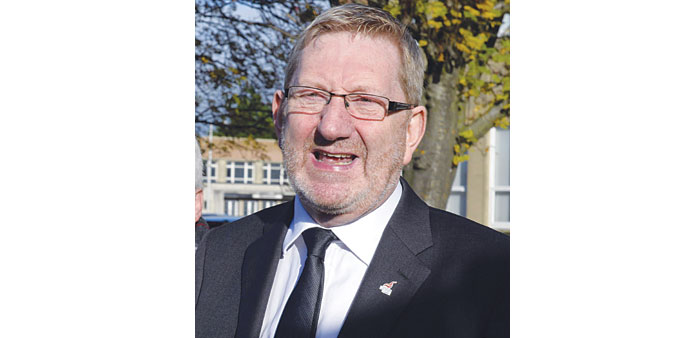
Len McCluskey