


|
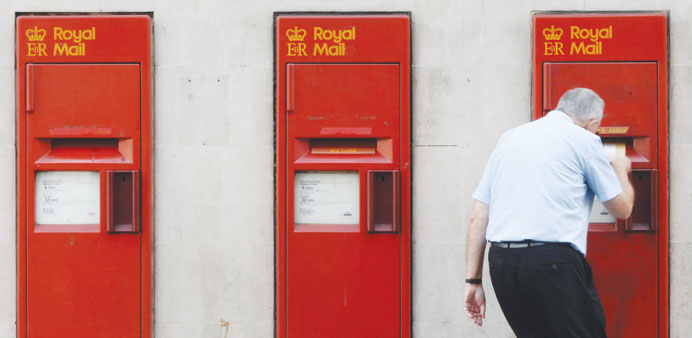
The government is racing to push through the £3.3bn privatisation of Royal Mail before postmen and women have the chance to walk out on strike against the “great British flog off”. |
Vince Cable, the business secretary, yesterday announced the coalition will sell up to 70% of the 497-year-old postal service on the stock market on October 11.
The announcement comes on the day that more than 100,000 postal workers begin voting on whether to take days of paralysing strike action. But the result of the ballot will not be known until October 16 with the earliest legal strike date not until October 23.
Billy Hayes, general secretary of the Communication Workers Union (CWU), which represents 115,000 Royal Mail staff, said: “The government continues to press ahead with the sale of the UK postal service despite consistent opposition from the public.
“It seems remarkable that the prospectus (for the share sale) is being issued on the same day that postal workers are being sent ballot papers for strike action. This announcement changes nothing in terms of the ballot which will go ahead as notified.
“Postal workers and the CWU will continue to fight to save services as well as defend their terms and conditions.”
Formally kicking off the sale, Cable said the government will sell the shares at between 260p and 330p, valuing the business at £2.6bn-£3.3bn.
The sale could swell Treasury coffers by more than £2bn.
Cable said he had been “encouraged by the interest shown by potential investors so far”, which is why the government has increased the amount of shares it may sell from at least 50% to up to 70%.
“Today is an important day in the life of Royal Mail: people can now apply to buy shares in this iconic British brand,” Cable said. “The sale of government shares will give others a chance to have a real stake in this important company and we are encouraged by the shown by potential investors so far.”
Cable hopes the public will buy about 30% of the shares on offer. Members of the public will be able to apply for a minimum of £750 worth of stock online, at the Post Office or through brokers until October 8.
The shares will pay a 7.7% dividend before April.
Royal Mail’s 150,000 employees will collect 10% of the shares worth about £2,000 each for free as part of the flotation.
Staff will also share a further £13.3mn - about £90 each - in dividend payments in the first year, and more in following years.
Staff will also have preferential access to more shares if they spend at least £500.
It is the most ambitious sale of a state-owned business since the railways were privatised under John Major in the 1990s.
Successive governments have tried and failed to sell Royal Mail over the past 20 decades.
Margaret Thatcher, who privatised British Gas, British Airways, British Telecom and dozens of other state-owned institutions in the 1980s, refused to countenance a sale of Royal Mail, saying she was “not prepared to have the Queen’s head privatised”.