


 |
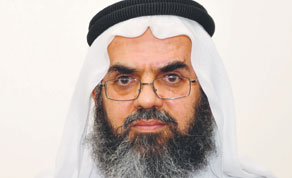
| Dr Janahi...one-stop complex care for children’s multiple diseases |
The recently introduced ‘complex care team’ at the HMC’s paediatric department, facilitates a one-stop comprehensive care system and eases the worries of parents with children suffering from multiple health problems.
“We have, in the past few months, launched a new programme of care for our in-patients called the complex care team, which will provide a multi-disciplinary care for a child with multiple health problems,” HMC paediatric department chairman Dr Mohamed Janahi told Gulf Times.
According to Dr Janahi, the team will, for instance, co-ordinate with specialists the care for a child who is suffering from a malady like brain seizure and also have an eating disorder because he or she couldn’t swallow food due to brain malfunction.
“With the new programme of care for this category of children, their parents will be spared the stress of going from one department to another to get them the needed specialist care. It will be a one-stop care for them,” he noted.
He explained that children could have multiple health problems due to many reasons.
“For instance, a child suffering from thalassemia could have endocrine complications such as iron over-dose or could also suffer failure to thrive and later in life infertility or diabetes,” he explained.
There are presently up to 200 paediatric patients aged from newborn-adolescent receiving care at the HMC paediatric department.
The most common cases among them are chest infection (broncholitis), gastroenteritis, diarrhoea, pneumonia, brain infection or meningitis and occasionally renal diseases and diabetes.
A good number of children suffering from fever are also being seen throughout the year.
Down syndrome is also one of the rare cases that occur at a prevalence rate of 1/800 live births, he said.
“Other rare cases among the children are cancer cases such as leukemia and lymphoma. However, the cure rate for cancer in children is up to 90%,” he stated.
Dr Janahi stated that the child and maternal mortality rate in Qatar is reducing further due to the good standard of care, including paediatric care as well as vaccination available in the country.
“We are having low death rates among the children and pregnant women because majority of the people are now aware about prevention. For instance, pregnant women now know that folic acid can prevent them from giving birth to a child with spinal bifida, while babies with thalassemia can also be avoided if the trait for the disease is discovered early in the pregnancy (the baby can be aborted if it is only around 120-day old based on Islamic injunction),” he maintained.
Dr Janahi mentioned that in its efforts to improve care, the department has just concluded a three-day workshop on endocrine complications in thalassemia patients with experts in the field attending from Italy, Greece, Egypt, Cyprus and Qatar.
It was the second time such an international event was being held in Qatar, he added.