


Reuters/Mumbai/ New Delhi
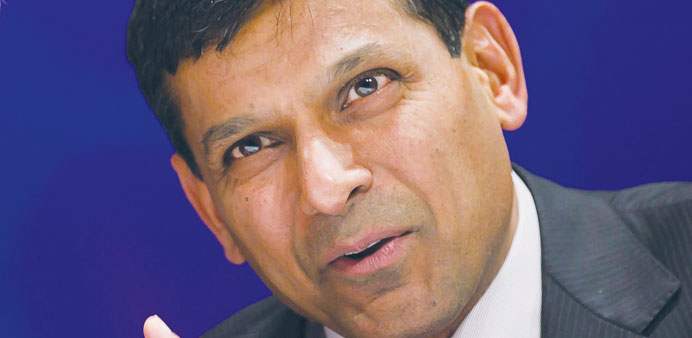
Raghuram Rajan, a suave, unflappable University of Chicago economist, will step into the eye of the storm roiling India’s economy tomorrow as the new governor of India’s central bank and chief defender of a nose-diving rupee.
The currency has plunged nearly 20% since May as Asia’s third-largest economy confronts its worst crisis since 1990-1991. The government’s piecemeal efforts to stabilise the rupee have done little to halt its steep slide. It has tumbled about 10% alone since Rajan’s appointment on August 6.
Rajan has few policy options to revive the rupee but one thing he can do immediately is explain to financial markets more clearly what steps the central Reserve Bank of India is taking and the thinking behind them. Investors and economists have complained that the bank has caused unnecessary confusion with some pronouncements.
The big question is whether the former chief economist of the International Monetary Fund (IMF), who famously predicted the 2008 global financial crisis, will take the helm of the bank with a whisper or a bang. In other words, will he take his time or come out with fresh policy announcements like Bank of Japan Governor Haruhiko Kuroda, who launched a massive stimulus package within weeks of taking office earlier this year.
Another pressing concern for markets is whether Rajan plans to dismantle any of the mishmash of measures, including a hike in short-term interest rates, the central bank has unveiled since mid-July to prop up the rupee. Economists have expressed concern the steps could further damage the ailing economy.
Rajan, aware markets are scrutinising everything he says for clues about his intentions, has been circumspect in public, revealing little about whether he will pursue the policies of his predecessor, Duvvuri Subbarao, or change tack.
Either way, economists expect him to hold fire with any major measures until after the US Federal Reserve meets on September 17-18, when it might announce a pivotal shift in its stimulus programme.
Keen to lower unrealistic hopes of what he can achieve, Rajan has stressed that he has no “magic wand” to solve India’s multiple economic ills. The country has the world’s third-largest current account deficit of about $90bn, high inflation and an economy projected by private economists to grow at about 4% this fiscal year, half the rate it was in 2008.
Rajan, 50, has raised expectations of out-of-the box thinking to rescue the rupee and boost economic growth.
“Economic policymakers require an enormous dose of humility, openness to various alternatives (including the possibility that they might be wrong), and a willingness to experiment,” Rajan wrote in a column on the Project Syndicate website on August 8.
Rajan is a distinguished academic and author of the prize-winning book Fault Lines: How Hidden Fractures Still Threaten the World Economy. He gained fame with a 2005 paper at a US meeting of central bankers, warning that financial sector developments could trigger an economic crisis.
Rajeev Malik, an Indian-born economist at CLSA Singapore, fears Rajan’s “rock star academic image” could be a hindrance.