


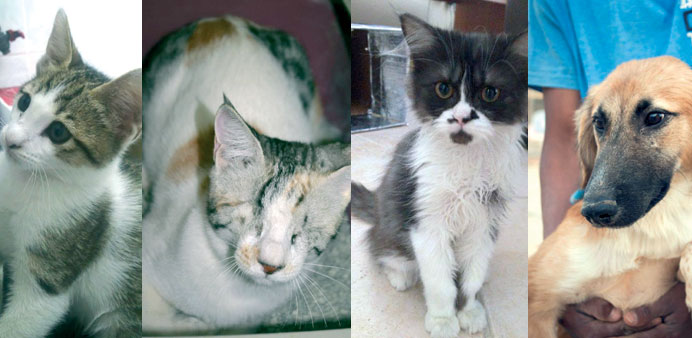
The Qatar Animal Welfare Society (QAWS) has until September 30 to look for permanent homes for 115 dogs, 64 cats and 15 rabbits before it shuts down, chairperson Janet Berry told Gulf Times.
There are also other farm animals such as ducks, chickens and bulls that need to be taken care of before the facility is shut because it has not been able to find an alternative place to relocate its shelter .
The oldest and largest animal welfare shelter in Qatar had announced on July 24 that it would cease to exist after 10 years of service.
The society was given an eviction notice in December 2012 and despite having spent the last seven months trying to find an alternative location, their efforts came to nothing.
QAWS has negotiated to stay at its current location until September 30, but is being penalised for their overstaying with a 70% increment in “rent” for the remaining months.
Berry said yesterday that she was encouraged by the public response ever since the news of QAWS closing down came out.
“A lot of people have been coming to us lately, asking us what they can do to help,” she said.
The QAWS has a huge challenge on its hands to find homes for all of the animals under its care before their deadline expires.
“If the response over the weekend is anything to go by, then I can say quite confidently that we will be able to find homes for all our animals,” she said.
The society is urging residents who are interested in owning a pet to visit its facilities as soon as possible to provide a home to any of their animals.
Cats, it seems, are more in demand than other animals. Berry said that in the last 48 hours, around nine cats had been reserved by families. “Cats are more popular definitely. I think one reason for this is because people think that when they travel abroad it would be easier to take a cat along with them, especially since airlines charge by size and weight of the animal,” she said.
However, some families are booking dogs from QAWS. Since this is the holiday season, a few have promised QAWS to take their pets once they return from their vacation. In any case, they need more families to take part in their noble efforts to provide a home and care to an animal.
But what happens to the animals that would not find a permanent home at the end of the deadline? Will QAWS release them back into the wild?
The chairperson said: “Not at all. When we took those animals in our care, we made a commitment that we will do our best to provide them with safe and secure homes.”
Berry said that she was in touch with local and international organisations to help them in their cause. “In case, some animals don’t find permanent homes, we will make arrangements for foster care of the pets with people whom we trust, on a temporary basis.”
Over the past 10 years, QAWS volunteers had rescued more than 3,000 animals and provided each one with shelter, medical care and attention before finding them new homes both in Qatar and abroad.
The society also held hundreds of educational visits, talks and presentations over the years. It also developed close relationships with many schools, universities and businesses.