


Reuters/London
Britain unexpectedly named its ambassador to the EU as the Bank of England’s next deputy governor for financial stability yesterday, moving to protect its financial sector on the international stage.
Jon Cunliffe, 60, is a career civil servant who led British negotiators at G8 and G20 meetings during the financial crisis, and since January 2012 he has been Britain’s top representative in Brussels. He will start at the BoE on November 1.
Cunliffe’s name had not been widely mentioned as a potential successor to deputy governor Paul Tucker, who decided last month to step down after finance minister George Osborne selected another outsider, Mark Carney, as governor.
Carney — previously Canada’s central bank chief — welcomed Cunliffe’s appointment, saying he had got to know him in his previous role. Osborne said Cunliffe would help represent Britain abroad.
“His deep experience in engaging with the European Union will be instrumental in ensuring Britain’s financial services are well represented and protected,” said Osborne, whose ministry interviewed candidates earlier this month.
The global financial crisis tarnished the reputation of Britain’s light-touch banking regulation, and the government has since toughened up the rules and given the BoE the role of financial supervision.
But the government is concerned that the slower-moving EU process of implementing new global rules may ultimately undercut its ability to regulate Europe’s largest financial centre in the way it thinks best.
The European Central Bank, for example, will soon have powers to regulate banks in the euro zone, with potential knock-on effects for London.
Cunliffe’s international background may have given him an edge over potential internal contenders for the deputy governorship such as BoE markets director Paul Fisher and financial stability director Andy Haldane.
“He wasn’t on the list of front runners for the job but his CV fits the bill,” said Malcolm Barr, an economist at JP Morgan.
Cunliffe will serve on the BoE’s Financial Policy Committee, which sets the tone for financial regulation, the board of the BoE’s Prudential Regulation Authority, which runs day-to-day regulation of banks, and the Monetary Policy Committee.
“It’s hard to know how he’ll vote on the MPC because he has said nothing on monetary policy that I’m aware of,” Barr said.
Others were more critical. James Barty of Policy Exchange, a think-tank close to Osborne’s Conservative party, said the appointment was “a missed opportunity” because Cunliffe lacked first-hand knowledge of financial markets.
Tucker, who has spent his entire career at the BoE, has expressed strong views on banks’ need to hold more capital and to be able to be broken up easily if they get into trouble.
However, some in government have been concerned that the BoE’s approach to bank capital is holding back economic recovery, with one minister even likening BoE officials to the Taliban.
In a statement released just before the news of Cunliffe’s appointment, Tucker said that he would step down from the BoE on October 18 and take up a one-year teaching and research fellowship at Harvard University.
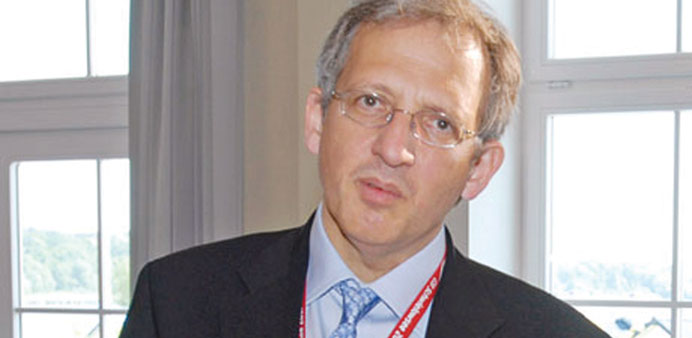
Cunliffe, a surprise choice for key Bank of England role.