


AFP/Baghdad
Iraqis sang, danced and fired guns in the air, celebrating a victory over South Korea in the U-20 World Cup, a small bright spot in the months-long surge in violence plaguing the country.
“People started singing and dancing at the time of victory,” said Ahmed Razzaq, the manager of Jungle Night cafe in Baghdad, which showed the game on multiple TVs.
With their win in a tense match that was decided by penalties, Iraq will now face Uruguay tomorrow in the U-20 World Cup semi-finals in Turkey.
More than 250 people, most of them young men, flooded the Jungle Night cafe to watch the match on Sunday, braving the threat of attacks that have struck Baghdad nightspots.
“In recent months, more and more cafes like mine were the target of bomb attacks, sometimes up to two or three cafes per day,” Razzaq said, acknowledging that he is “very worried” despite the presence of police and guards who searched customers when they arrive.
“Of course I was worried” about watching the match at a cafe, said Fahad, 19, a cigarette seller who declined to give his last name.
“But it will not stop me from returning” to watch the match against Uruguay, he said.
On Sunday night, “everyone was in the street—they laughed, they sang, they danced, waving the national flag,” he said.
“We had to win for the Iraqis to be happy. God willing, we will win on Wednesday,” Fahad said.
The football team “gave pride to Iraq, something that the politicians have been incapable of doing for years,” said Yassin al-Abed, 46, who watched the match on television at home.
“I was very happy because we beat South Korea even though our team totally lacks resources,” said Ahmed Mohamed, a 23-year-old who closed his store on Sunday night to join in the victory celebrations, which lasted past midnight.
Yesterday, Iraqis exchanged congratulatory messages on Facebook, while newspapers celebrated the victory of the “Lions”, who, according to one daily, “have eaten Samsung”.
The win against South Korea was even sweeter given other difficulties the country has faced when it comes to football.
FIFA in March lifted a ban on Iraq hosting international football friendlies, but barred it from doing so once again earlier this month due to the spike in violence, which has included attacks on football pitches and cafes where Iraqis gather to watch matches.
In June alone, more than 60 people were killed in at least 10 bombings targeting pitches and cafes, according to AFP figures.
And the manager of Iraq’s top local football side quit last month after refusing to travel to Baghdad over fears of violence.
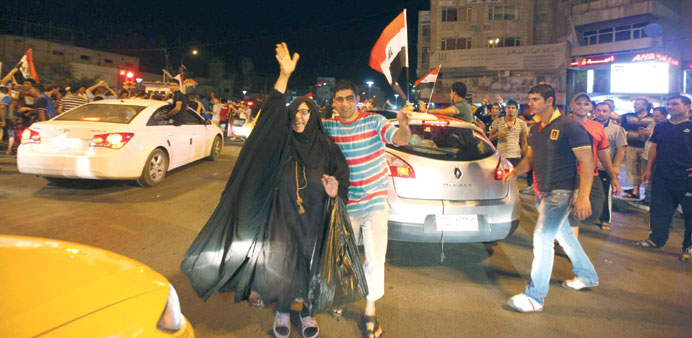
Football fans celebrate on the streets in Baghdad on Sunday.