


|
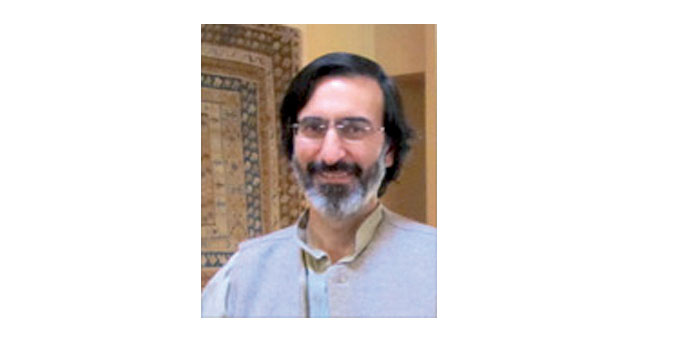
Georgetown University in Qatar (GU-Q) recently hosted a lecture featuring renowned comparative religion scholar Dr Reza Shah-Khazemi in a presentation and discussion about his book - The Spirit of Tolerance in Islam. |
During the presentation, he examined the historical record of religious tolerance in Islam and the foundations of religious law regarding the treatment of religious diversity, as expressed in the Qur’an and in the teachings of Prophet Muhammad.
Dr Shah-Kazemi gave historical examples of the religious tolerance of Muslims and compared them to the comparative intolerance of Europe at that time. Citing the work of various Islamic scholars, he quoted one as saying that “the notion of religious tolerance in the West is basically borrowed from Islam”.
Stressing the importance of avoiding a competitive approach to religious comparison, Dr Shah-Kazemi highlighted the importance of establishing a point from which prevalent stereotypes about Islam could be corrected. “One of the main purposes of this book is to show the falsity of the idea that Islam and Muslims today are intolerant because Muslims have always been intolerant, and because their theology is intolerant,” he said, demonstrating that how in Islamic history, “persecution was a deviation from a norm, which was tolerant”.
Dr Shah-Kazemi also demonstrated how the principles of tolerance were not simply examples of political pragmatism, but firmly rooted in the Qur’anic text and embodied in the exemplary character of Prophet Muhammad. According to him, “The Prophet is described as ‘ahlam innass’ - the one most possessed of the quality of forbearance, of having self-restraint and wisdom. We can’t appreciate the spirit of tolerance in Islam without understanding the meaning, influence and radiance of this key prophetic virtue.”
He concluded the lecture by encouraging a return to the fundamental lessons of tolerance in Islamic tradition, saying: “It is because the rights of minorities are decreed by a revelation that you have to see those rights as sacrosanct and inviolable. To violate them is to violate the revelation.” As a compelling evidence of this important lesson, he quoted the final public address of the Prophet, wherein he says: “You are all my brothers. You are all equal. None of you can claim any privilege or any superiority over another.”