


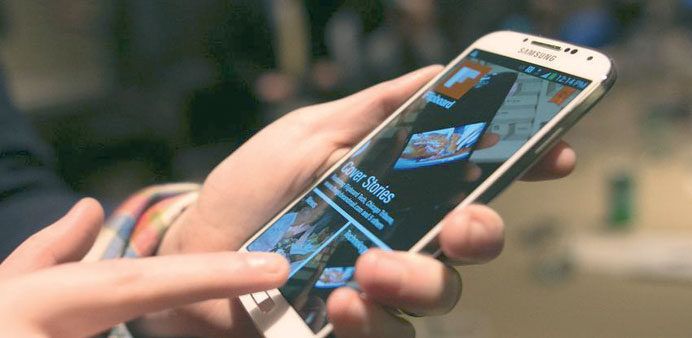
The spectre of commoditisation haunts smartphone makers from Apple to Samsung. But the Korean electronics giant has more to fear--as shown by its own disappointing news on Friday and echoed the same day by Taiwan’s HTC.
Samsung’s stock jumped 60% from late 2010 to early 2013, the period during which the company established itself as the dominant maker of smartphones running Google’s Android operating system. Samsung’s share of the global smartphone market roughly tripled to 32% in that time, according to Strategy Analytics.
Mobile has become Samsung’s key business, accounting for 75% of operating profit in the first quarter. On Friday, it said its second-quarter profits would hit a record--but that sales of its latest offering, the Galaxy S4 phone, would be shy of expectations. The stock, which has slumped in the past month, promptly fell 4%.
Apple shares, too, have been hit this year by concerns over the iPhone. Revolutionary when it launched, the device looks less special as others have caught up. The concern is that Apple’s gross profit margin on iPhones-north of 50%, estimates Sanford C Bernstein analyst Toni Sacconaghi-might come under pressure.
But just as the Mac remains a high-end, differentiated computer years after machines running Windows became dominant, so too the iPhone occupies a special place at the top of the smartphone market.
The history of the PC business is instructive. The companies that have seen their margins savaged most are hardware manufacturers such as Dell and Hewlett-Packard selling near-identical boxes packed mostly with Intel chips and Microsoft software.
The corollary for smartphones: the plethora of devices running Android. Take HTC. The Android-smartphone maker saw its stock peak in early 2011, when it sported an operating profit margin of around 16%. But heavy competition from the likes of Samsung has slashed that margin: It was less than 2% in the second quarter, according to results released on Friday. By way of comparison, Hewlett-Packard’s margin from selling PCs is around 3%. HTC stock has fallen by more than 80% from its peak.
Meanwhile, Samsung makes operating profit margins around 20% on mobile devices. It knows this will be difficult to sustain, so it packed the Galaxy S4 with features to distinguish it from rivals. These haven’t garnered rave reviews, though. Some analysts say Samsung isn’t given enough credit for its other businesses, specifically memory and logic-chips, which it supplies to other device makers, including Apple. Bernstein says this division will account for 27% of operating profits in 2014, up from 14% in 2012.
Still, that is unlikely to offset the pressure on smartphones. Two months ago, chief executive Dennis Woodside at Google-owned Motorola said his company intends to drive down prices for Android devices and that there’s no good reason anyone should make huge margins selling smartphones. Meanwhile, companies like China’s Xaomi sell high-end Android devices near cost while making money on accessories.
This is bad news for all smartphone makers. Apple’s unique operating system at least sets its mobile devices and computers apart. For the likes of Samsung, though, the similarities to what happened with HTC and PC makers are mounting--and positively eerie.