Reuters/Rio de Janeiro
Brazil’s trucking union started a 72-hour strike that might delay the movement of record soy, corn and sugar crops to ports, but the impact was limited yesterday and the action was unlikely to stop exports.
A spokeswoman for the MUBC trucking union headquarters in Rio de Janeiro said drivers were off the job in at least five states: Sao Paulo, Rio de Janeiro, Minas Gerais, Espíritu Santo and Mato Grosso.
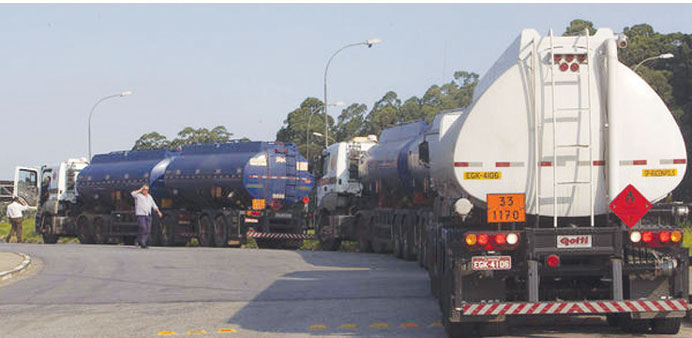
Truckers protesting on the Anchieta highway that links Sao Paulo to Brazil’s main Santos port triggered a 2km traffic jam, according to the highway operator Ecovias.
The protests slowed traffic into the port, but exports were continuing as normal yesterday, according to the Santos Port Authority (Codesp), which manages the port’s public corridor.
Most exporting companies keep grains in private storage units to minimise the effect of interruptions in ground transport and analysts say it would take more than a few days of paralysed truck traffic to slow shipments.
Brazil saw its largest protests in 20 years in recent weeks over issues ranging from education to corruption in politics, but a general strike failed to materialise yesterday as feared. MUBC’s demands include a subsidy for diesel fuel, exemption on highway toll payments for drivers and the creation of a new federal government department of cargo transportation.
The union last went on strike for a week in July 2012, disrupting the flow of goods in the country’s heavily populated southeast region. However, the strike did not affect the export of bulk commodities. Brazil is moving the last of a record soybean harvest to its ports, and shipments of sugar and corn are picking up.