


|
Calgary will push ahead with its annual Stampede festival on July 5, a marquee event that draws a million people, despite massive flooding that swamped the venue and left the downtown of Canada’s oil capital without power, officials said on Monday. |
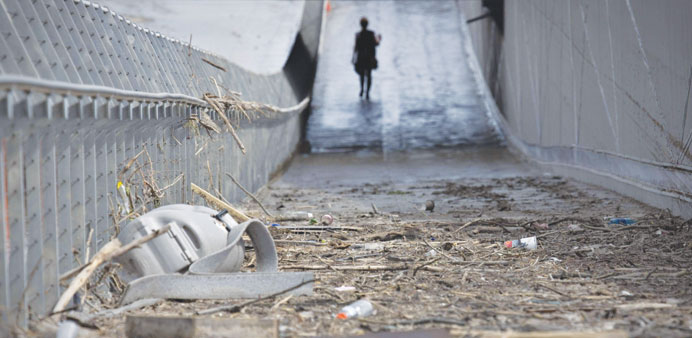
The worst flooding in decades late last week turned streets in Calgary and other towns in southern Alberta into fast-running rivers, wreaking damage that will likely cost billions of dollars for repairs and clean-up operations.
The Stampede, a 10-day bonanza of rodeo, street parties and corporate entertainment, pumps C$340mn ($320mn) a year into the economy of Calgary, Alberta’s largest city.
“We’re going to do whatever it takes to be ready by July 5,” Calgary Stampede Chief Executive Vern Kimball told reporters, promising that volunteers would accelerate their schedule to get facilities ready in time for the event. City officials said on Monday they expected to reopen downtown Calgary over the next two to three days, but the city’s mayor has urged companies to encourage employees to work remotely for several days.
Missing out on income from the Stampede would only increase the economic impact of the flood, which is already sure to be far greater than the C$400mn in damages caused by the “flood of the century” of 2005.
BMO Capital Markets said the latest deluge could cut Canadian gross domestic product by 0.1 percentage points in June, at a conservative estimate, while total losses could be C$3bn-C$5bn.
Alberta Premier Allison Redford promised C$1bn in initial funding to help pay for damage, some of which will be covered by the federal government. Some repair work could stretch out over a decade, she said.
The flood swamped part of Calgary’s downtown core, home to the headquarters of most of Canada’s oil and gas industry, where power is likely to be out for days or even weeks in some pockets. It also forced about 10% of the city’s 1.1mn residents out of their homes.
In communities south of Calgary, floods killed three people and also forced evacuations and plant closures.
The floods temporarily halted the movement of potash, an important fertiliser, from mines in the next-door province of Saskatchewan to West Coast ports and shut a big beef processing plant and a fertiliser plant. But companies said they did not expect the disruption to last long.
Officials said about 65,000 Calgary residents had now returned to the houses they left on Friday after the Bow and Elbow rivers spilled their banks.