


Reuters/London
The three largest island groups in Britain: Orkney, Shetland and the Western Isles, are pondering whether to capitalise on a period of constitutional flux by asking for more powers, including possible independence.
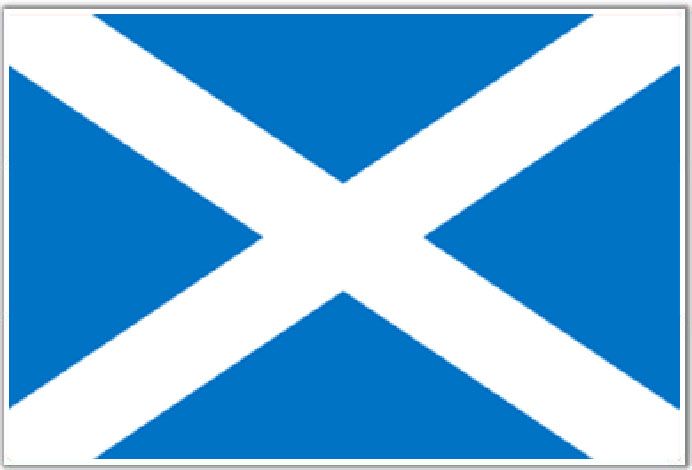
As Scotland heads for an independence referendum next year, the islands, which have a joint population of just under 70,000 people, are debating the benefits of their own home rule. For us, Edinburgh is almost as far away as London and equally as remote, say supporters of a break. The islands are looking at a host of options from a largely independent crown dependency, like the Isle of Man and the Falklands, to a home rule similar to that of the Faroe Islands, which broke away from Denmark in 1948.
Less radical options include gaining control of local fisheries and the sea bed owned by the Crown Estates in London, to help the islands profit from new windfarms and marine energy projects about to start in the region.
“Shetland and Orkney want to use this period of intense constitutional navel-gazing to decide what we want,” said Scottish lawmaker Tavish Scott. “This is the time to seize the opportunity of Island Home Rule.”
Scott, a Liberal Democrat who represents Shetland in the devolved Scottish parliament, also argued that two thirds of the North Sea and west of Shetland oil reserves are in the coastal waters of his constituency, giving the region added leverage.
The three councils may discuss the issue at their quarterly meeting with Scottish government ministers on March 25, though it is not formally on the agenda. A spokeswoman for Scotland’s ruling Scottish National Party (SNP) said it has always been open to greater autonomy for the Northern Isles within an independent Scotland. But the islanders want more.
“There’s no point in powers being devolved from Westminster if they’re just going to go a few hundred miles up the road,” said Malcolm Bell, the civic head of Shetland Islands Council. “Edinburgh is no less remote to us than London.”
Bell also weighed the benefits of maintaining membership of the European Union, another constitutional issue weighing on the British political system. He said that the EU provided the islands with extra funding but freedom from it would mean the ability to set its own fishing quotas like Iceland and the Faroe Islands.