


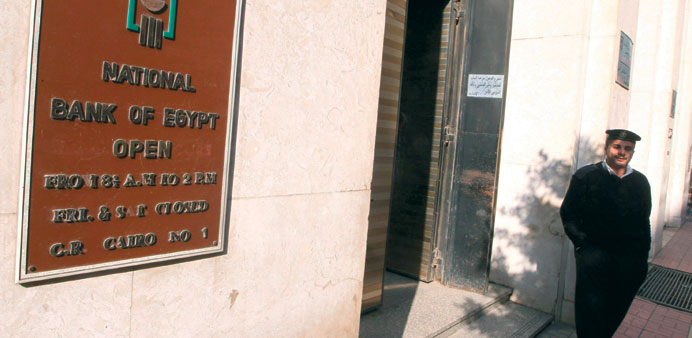
The Egyptian government has almost finished its economic reform plan and will present it to International Monetary Fund representatives as soon as next week, said a government minister, in a long-delayed bid to secure a much needed $4.8bn loan.
Ashraf al-Arabi, Egypt’s minister of planning and international co-operation, told reporters that the government will invite the IMF “within days” to discuss details of the loan and that he was “optimistic” that the advance could be secured.
Egyptian policymakers and investors say Egypt is in desperate need of the cash to avert an impending liquidity crisis and to patch a gaping budget deficit.
Though the abortive negotiations over the loan have been going on for nearly two years, Egypt is reaching its own kind of fiscal cliff. Last month, the country’s foreign currency reserves dipped below $14bn - the IMF’s recommended level that covers three months of imports.
The loan isn’t nearly enough to mend Egypt’s depleting foreign cash reserves or fix its budget deficit, but policymakers hope that the IMF’s blessing of its economic reform plan will encourage foreign investors and governments to contribute additional cash and aid. “Reaching an agreement with the IMF is a positive signal that the Egyptian economy is able to heal,” said al-Arabi during a presentation of economic indicators during the first half of Egypt’s 2012-2013 fiscal year.
“An agreement with [the IMF] is the key engine to get us out of this crisis,” he said.
Economic growth in Egypt slowed to 2.2% in the second quarter of the current fiscal year that ends in June, said al-Arabi.
Policymakers are targeting growth above 3% during the second half of the fiscal year, he said, which would require investments of 250bn Egyptian pounds ($37.1bn) this year. Egypt has attracted 112bn pounds ($16.6bn) in investments so far this year, he added.
Al-Arabi also denied speculation that the IMF agreement would not come before elections tentatively scheduled for this spring.