


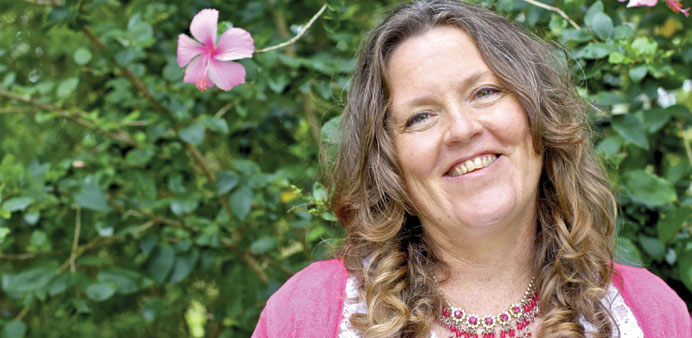
By Sid Astbury
Australian palliative care nurse Bronnie Ware’s book The Top Five Regrets of the Dying is a distillation of the wisdom that came tending to those in the process of giving up life.
Its success — the book has been translated into 26 languages — has come unexpectedly.
“I think I just found a niche,” she said. “It surprised me as much as anyone. I don’t think I could do it again.”
The book was written while looking after her baby daughter, recording music and teaching songwriting.
The take-home message from so many deathbed confessionals is that most of us will come to regret not being more courageous in the choices we made.
In fact, the thrust of the book is simpler than that: most of us will come to the dreadful realisation that we had choices but instead muddled on as though there were none.
“They wished they’d been more self-aware about their own needs,” she said. “When you’re at the very end, you realise that there were choices and for whatever reason, perhaps just keeping the peace, you didn’t take them.”
Among the deepest regrets is thinking there is still time to seek fulfilment, to realise your dreams, to strike out on a new path.
The old, and sometimes the young, get mugged by illness, incapacity and death.
“There’s always time,” Ware said. “It doesn’t matter if you’re 40, 60 or 80. The best time is now.”
Ware, 45, was brought up on a sheep farm, got a job in a bank after leaving school and pedalled along on the treadmill of everyday life until an epiphany in her 30s.
She left town, lived in a tent for a while and eventually landed a job to her liking. Jump, she said, and the safety mat will appear before you.
“The people on the campsite helped me out, there was a phone call and life picked up,” she recalled.
Inertia keeps people in jobs they don’t like, relationships they hate, situations they hoped they would never find themselves in.
Ware, after her fill of last-gasp regrets, urges her readers to rise up in revolt, to listen to their hearts rather than their intellects and to make decisions and take action.
“If a relationship can’t stand honesty, you’re better off without it. It’s healthier and will bring happiness to say ‘I’m not OK’ or ‘I don’t like what you are doing here.’”
Ware is quietly spoken and as calm and collected as you would want a palliative nurse to be. She is not pushing an alternative lifestyle, only the notion that there are always alternatives.
She makes a distinction between actions that could be construed as selfish and those in which we trust in their own judgement and intuition and take our own happiness and wellbeing into account.
“You’ll regret living your life trying to keep other people happy, just trying to keep the peace,” she said. “If you have a good heart and good intentions, you can’t be held responsible if other people don’t like the choices you make.”
Those hours spent with the dying impressed on Ware how fleeting life is.
“It gave me courage and has helped me make some much clearer decisions. I think, ‘Well, if I don’t do this I know what it’s like to be on your deathbed, so I’m going to have regrets if I don’t.’” — DPA