


IANS/Kathmandu
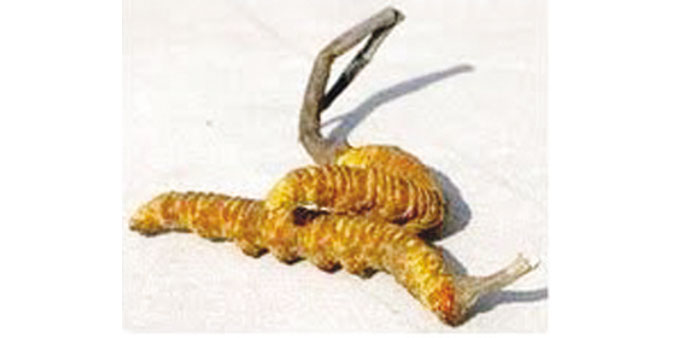
Yarsagumba, commonly known as the ‘Himalayan Viagra’, is in constant decline in Nepal, biological conservationists warned.
The caterpillar fungus (cordyceps sinensis), which is considered as the most expensive medicinal fungus in the world, has witnessed a serious decline in Nepal owing to overharvesting, microbiologists Sudip Dhakal said.
According to Dhakal, high-price and good demand of the yarsagumba around the globe has resulted into over-harvesting of the fungus in Nepal and other countries with Himalayas like China, India and Bhutan, reducing its yield in the following year, Xinhua reported.
“This is a very expensive medicinal fungus, which is only found between the altitudes of 3,000 to 5,000m above sea level. But still, its unbeatable demand and high price has tempted harvesters even in harsh weather conditions,” Dhakal said.
“Overharvesting has already witnessed a decline in its population, raising serious concern of biologists.”
The exotic fungus, which can be priced as high as $150 per gram in Nepal, is often exported to Western and European countries as aphrodisiac and for medicinal purpose to cure villainous health condition like cancer, asthma and impotence.
Nepal’s Dolpa district is home to the almost half of yarsagumba investors of Nepal. According to a research by biologist Uttam Shrestha of the University of Massachusetts, Dolpa’s yarsagumba trade in the year 2011 fell by 50% compared to the year with highest yield in 2009.
Shrestha has put the global market of the precious fungi at between $5bn and $11bn every year.
“More than half of the collected yarsagumba from the district are not fully matured,” Dhakal, who is also carrying out his PhD research on a related topic,” said.
He was of the view that people harvest the fungi before it reaches the stage of reproductive maturity, thereby giving no chance to disperse its spores.
The constant fall on the yield of yarsagumba has created a space for government monitoring. Dhakal warned that without serious regulations in yarsagumba harvesting could see an end to the precious and unique fungus species.
Over-harvesting resulting in declining yield of yarsagumba.