


AFP/Ottawa
An indigenous chief whose supporters threatened to bring Canada’s economy “to its knees” to shed light on squalid living conditions on reserves ended her hunger strike yesterday after 44 days.
Attawapiskat First Nations Chief Theresa Spence had, since December 11, been camped out on a tiny island in the Ottawa River in view of the Canadian parliament, refusing to eat until the government agreed to her demands.
Her spokesman Danny Metatawabin said she ended the hunger strike after receiving commitments from aboriginal groups and opposition parties to take over pressing for the treaty rights of Canada’s 600 tribes.
“She’s fine. But her body is tired and weak,” Metatawabin said, announcing that Spence was hospitalised overnight and was being kept for observation by doctors.
“We have awoken the nation,” he added, before returning to put out a ceremonial fire at the makeshift camp. “The journey continues, the fight continues.”
For nearly six weeks, Spence slept in a teepee on Victoria Island in the heart of the Canadian capital, warming herself by an open fire and drinking a bit of fish broth to keep up her strength.
Beyond the island, her hunger strike became the focal point for an aboriginal rights movement strung together by native women who met online.
The campaign exploded into dozens of protests over the past month, leading to emergency talks between native leaders and Prime Minister Stephen Harper.
Thousands rallied in cities nationwide, blocking rail and roadways, including the TransCanada Highway and a key bridge between Canada and the United States. The demonstrators also targeted oil sands mining in Western Canada.
Solidarity protests were held as far away as Britain, Egypt and in the US states of California and Minnesota.
In the end, Harper agreed to ongoing “high level dialogue” with native leaders, while a cold Arctic blast plunged temperatures to -40 degrees Celsius across the nation this week, bringing a swift end to demonstrations.
Spence’s demands include addressing a severe housing shortage on reserves, building more schools, sharing royalties from resource development on natives’ ancestral lands, and a review of legislation that aboriginals say impacts their treaty rights.
The chief put a five-year end point for resolving these issues, according to a statement.
In addition to complaints of severe poverty, natives also blasted changes last month to environmental and other laws they say impact their hunting and fishing rights, and allow tribes to lease reserve lands to non-natives.
Although the government insists the latter was meant to boost economic development, some fear it will result in a loss of native control of reserve lands and eventually lead to the end of aboriginal communities.
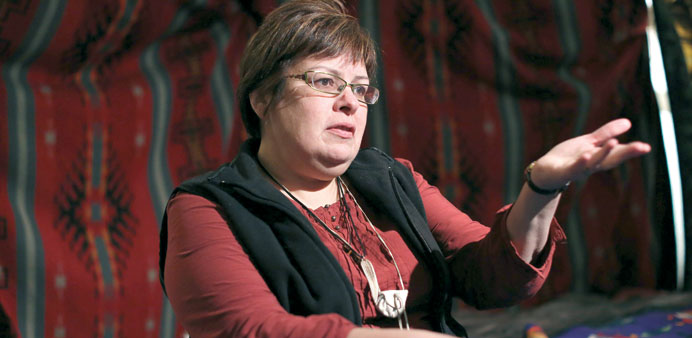
Spence