


|
|
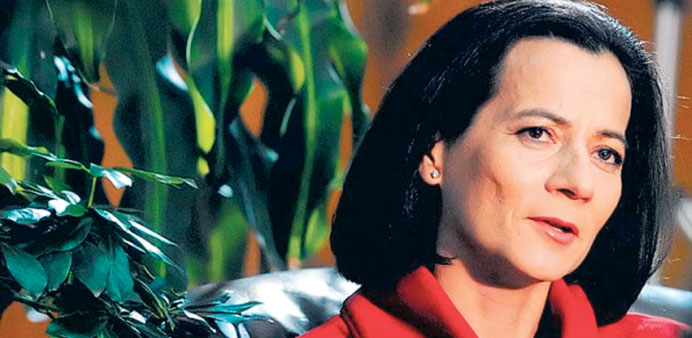
A woman held hostage by Colombian rebels is fighting to keep Colombia’s theatres from showing a film about the ordeal of her son, who was born in captivity, saying it will cause him psychological damage.
Clara Rojas, a politician kidnapped by leftist FARC rebels in 2002, has brought the filmmakers to court over the release of Operacion E, with a ruling expected by January 25.
The filmmakers say blocking the Colombian screenings would amount to censorship, and accuse Rojas of acting because the filmmakers did not agree to her demands for payment for her story.
Emmanuel, now eight years old, whose FARC militant father was never publicly identified, was separated from his mother before his first birthday and ultimately raised in an orphanage until her release.
The film focuses on what happened after the baby was taken, telling the story of a farmer, Joseph Crisanto Gomez Tovar, who was tasked by the rebels with taking care of him.
Crisanto, played by Spanish actor Luis Tosar, struggles with caring for Emmanuel alongside his own five children, his wife, and his father.
When Emmanuel is taken to the hospital, suffering from leishmaniasis — a parasitic disease caused by a sandfly bite — and with a broken arm, the state welfare agency takes custody of him.
The movie plays up the farmer’s dilemma — on the one hand, he faces armed rebels who expect him to care for the boy, and on the other, a government accusing him of working for the guerrillas.
Emmanuel was reunited with Rojas after she was freed in January 2008. She said at the time she only learned he was still alive days before her release, while listening to the radio.
Co-executive producer Farruco Castroman called Rojas’ legal claim “an affront to freedom of expression.”
He accused Rojas of “hiding behind the protection of children” to censor the film, which has already been released in Spain and France.
Last November at the Paris premiere, Tosar, who plays Crisanto, said the movie looks beyond the story “that transcended the world” of Clara Rojas, to find the hidden tale of Crisanto, whose story “was buried because the political machine was not interested.”
But Rojas, who watched the film at a private screening in 2012, said it “abused our name and image,” and in statements this week on Bluradio, in Bogota, questioned the facts as portrayed in the movie.
She noted that the movie was originally called Operation Emmanuel, a name the filmmakers changed only after she filed suit. They offered her a “percentage” of royalties, which she rejected.”