


 |
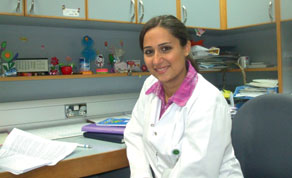
| Celine: helping children with proper nutrition |
Paediatric dieticians at the Hamad Hospital have found that about 70% of children, aged 6-12 years, who are brought for consultation at the dietetic clinic daily are “severely underweight” or suffer “failure to thrive” in contrast to the general belief that many children in the country are morbidly obese or overweight.
And just about 30% are found to be seriously overweight with children as old as 10 and 12 years weighing up to 100kg and 130kg, respectively.
On an average, the clinic receives around 10 children every day and about four to five children are admitted for “failure to thrive” due to poor nutrition or obesity acquired from bad eating habits.
Five specialised clinics comprising a clinic for general cases such as over and underweight and allergic children, cystic-fibrosis children clinic, as well as diabetic, gastro-intestinal and renal clinics, are being run daily by some 12 qualified paediatric dieticians.
“We are constantly seeing a lot of children suffering from poor nutrition as they regularly skip meals either because their mothers are too busy to cater to them, or because they went to work while children were left in the care of a nanny, who does not have a clue about good diet and nutrition,” Hamad Medical Corporation’s paediatric dietician Celine Jour explained.
She stressed that children are expected to consume three square meals of good quality food containing up to 2,000 calories per day plus two healthy snacks to balance their diets and ensure proper growth.
“We have also noticed that a good number of parents do not know how to prepare proper meals for their children and this is the biggest concern for us because the effects will definitely be on the poor children,” she lamented, and added that instead of addressing their own ineptitude, parents tend to rush to dieticians asking for growth hormone and multi-vitamins for their underweight children.
“When they come to us with these demands, we refuse them most of the time and recommend healthy diets and teach them easy to follow steps of preparing healthy meals that will help their children grow,” she said. Jour also identified sleeping late in the night as part of the problem, saying: “During our investigations, we also found that some parents allow their children to stay up till late thus denying them a good night’s sleep, effects of which could lead to a loss of appetite in the morning, as eating breakfast is really important for children to start their day on a healthy note.”
“Some of these children are not also getting the right daily intake of fruits and vegetables. Not even a single green leaf is included in their daily diet. Instead, they are on food supplement tablets and allowed to regularly consume junk food and fizzy drinks, which should only be taken occasionally,” she said.
While acknowledging that some children did not find eating attractive despite every effort by their parents, she suggested the use of “reward system” to encourage them.
“Parents can offer children, who show no interest in food, some special rewards to lure them to eat very well such as promising them a chocolate bar later or a nice weekend trip to their favourite park or venue. This has really worked for so many children,” she said.