


 |
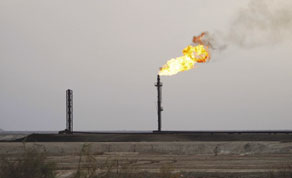
| Iraq’s oil sector pulls in 95% of government revenue but still suffers from aging infrastructure |
The Opec member has the world’s fourth-largest oil reserves and is producing more than 3mn (bpd) for the first time in three decades. It has ambitions to double its oil production over the next three years.
Its exports rose to 2.565mn bpd on average in August, the highest level for three decades, the head of the State Oil Marketing Organisation (SOMO) said on Saturday.
“Without the oil, in my opinion, it (GDP) would not exceed 4.5%, but the oil sector (makes up) 60% of the economy,” Mudher Kasim, deputy governor of the central bank, told Reuters in an interview. “Oil adds a lot to GDP. Each increase of 100,000 bpd of exports adds more than $3.4bn per year.”
Iraq’s oil sector pulls in 95% of government revenue but still suffers from aging infrastructure.
Kasim said he hoped the rate of GDP increase would breach 10% after the three-year period if other sectors outside of the oil industry saw increased investment.
The central bank expects that Iraq’s federal reserves will hit around $75bn by the end of 2013 from $67bn currently if oil prices stay at present levels and exports continue to perform as estimated, Kasim said.
Kasim said he expected the core inflation rate for 2012 to stay in single digits at 6%. The average year-on-year inflation for 2010 and 2011 was 6.5%.