


 |
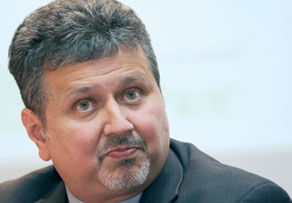
| StanChart will offer Shariah-compliant products tailored to meet the needs of people who have at least $2mn, according to Wasim Saifi, the Kuala Lumpur based global head for Islamic consumer banking |
Standard Chartered will start Islamic private-banking services in Asia and CIMB Group Holdings Bhd plans to roll out new products for the wealthy as they target rich Muslims who have limited investment options.
The UK’s second-largest lender by market value will offer Shariah-compliant products tailored to meet the needs of people who have at least $2mn, Wasim Saifi, the Kuala Lumpur-based global head for Islamic consumer banking, said in an interview last week. Malaysia’s CIMB will market more instruments in the fourth quarter for clients with a minimum of 1mn ringgit ($314,000), Badlisyah Abdul Ghani, chief executive officer of CIMB Islamic Bank Bhd, said in an interview on Tuesday.
CIMB says Islamic private banking has been slow to take off due to the challenge of creating enough investments that comply with Shariah law, while Standard Chartered estimates that seven out of eight Muslims globally bank according to non-Islamic principles. The number of individuals in Asia Pacific with at least $1mn in investable assets reached 3.4mn last year, topping the number in North America, according to a report released in June by Capgemini SA and RBC Wealth Management.
“There are huge prospects for Islamic private banking,” Abas A Jalil, CEO of Kuala Lumpur-based consultancy Amanah Capital Group, said in interview last Monday. “There are many investors in Asia whose businesses have been doing well in the Middle East, Europe and America and they are looking at investing.”
Falling yields on Islamic bonds are cutting options for banks looking to boost returns for their wealthy Muslim clients. Global yields dropped six basis points this month to 3.38%, the lowest level since January 2005, according to the HSBC/Nasdaq Dubai US Dollar Sukuk Index. The securities offered average rates as high as 4.49% in 2010 and 6% in 2007.
Standard Chartered plans to introduce Shariah-compliant structured products among its private-banking options, according to Saifi. Such investments are classed as higher-risk, often involve hedging, and are typically tied to movements of underlying assets including equities. The lender, which earns most of its profit in Asia, will also offer mutual funds, he said. Private banking ranges from property investments to retirement planning.
“The wealthier the customer is his requirements tend to be far more sophisticated when it comes to risk-management, diversification and yield-enhancement,” Saifi said. “Today, you can’t really say that an Islamic high net-worth individual would have the same options on the Shariah side as he would have on the conventional side.”
Interest in financial products for wealthy Muslims will rise as economic growth in Asian nations outpaces the rest of the world, driving up incomes, according to CIMB.
The International Monetary Fund estimates economies in developing Asian countries will expand 7.3% this year and 7.9% in 2013, according to its World Economic Outlook Update issued in April. That compares with 2.1% and 2.4% in the US, respectively. The Middle East and North African regions will grow 4.2% and 3.7%, the Washington-based lender said.
Standard Chartered has started offering Islamic private- banking products in Malaysia, Indonesia, Brunei, India and Pakistan through its offices in Singapore and Hong Kong, Saifi said. The bank announced on June 25 that Shariah-compliant wealth-management services would also begin in Dubai, London, Geneva and Jersey, according to a statement.