


 |
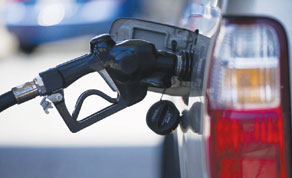
| US gasoline rose 1.7% in March, a sharp slowdown from February when costs at the pump rose more than three times as quickly |
US consumer prices rose modestly in March amid signs a spike in gasoline costs was ebbing, but inflation still outpaced workers’ earnings and threatened to undermine spending.
The Labor Department said yesterday consumer prices increased 0.3% last month. Gasoline prices rose 1.7%, a sharp slowdown from February when costs at the pump rose more than three times as quickly.
Still, workers’ earnings fell 0.4% in March after adjusting for the increase in prices.
Other data showed consumer sentiment slipped in April as higher gasoline prices hit household budgets.
“The underlying problem of inflation outstripping wage gains remains. That is the danger for the economy in the long run,” said Joseph Trevisani, a market strategist at Worldwide Markets in Woodcliff Lake, New Jersey.
For the US Federal Reserve, the reports gave mixed signals about how much room there might be to take new measures to boost economic growth.
The possibility of weaker consumer spending supports arguments for further stimulus, but the consumer price data suggested inflation might not cool as quickly as expected.
Core inflation, which strips out food and energy prices, climbed 0.2%, pushed higher by rising rents, medical care costs and used car prices.
In the 12 months to March, core CPI increased 2.3% after rising 2.2% in February. Barclays Capital said this reading could rise further this year.
The persistence of core inflation could reduce the Fed’s maneuvering room for easing policy. “This could hem the Fed in,” said Boris Schlossberg, head of research at GFT Forex in Jersey City.
Overall consumer prices rose 2.7% year-on-year, down from a reading of 2.9% in February.
The inflation data was in line with expectations and financial markets took their cue from abroad.
Amid recent signs of weakness in the labor market, investors have been betting the Fed could unleash further monetary stimulus to boost growth, although comments by Fed officials this week suggested the central bank is on hold as it waits to see whether the recovery gains traction.
The Fed, which meets on April 24 and 25 to debate its policy course, cut benchmark interest rates to near zero in 2008 and has bought $2.3tn in bonds to push other borrowing costs lower. It has said it will probably hold rates super low until at least late 2014 to help the economy as it limps back from the 2007-2009 recession.
Economists polled by Reuters think US economic growth downshifted during the first three months of the year to around a 2.3% annual rate, although forecasts have been rising recently.
US banks JPMorgan Chase and Wells Fargo both posted larger profits than expected during the first quarter, which some analysts took as further sign of an improving economy.
Still, consumers appear anxious they are falling behind. The Thomson Reuters/University of Michigan’s preliminary reading for the consumer sentiment index dipped slightly to 75.7 in April.