


 |
|
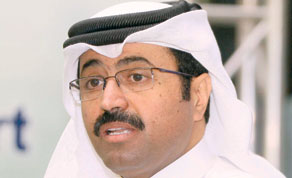
Al-Sada: ‘We would like to continue and widen our relations.’ |
India will look to increase imports of crude oil, liquefied natural gas and liquefied petroleum gas from Qatar in the coming years, Oil Minister Jaipal Reddy said yesterday.
“India imported 5.6mn [metric] tonnes of oil from Qatar in 2010-11 (fiscal year). In the years ahead, with our energy requirements growing, we will look for larger quantities of LNG, crude oil and LPG,” Reddy said at an event celebrating the founding of Petronet LNG Ltd, India’s top LNG importer by volume.
Qatar’s Energy & Industry Minister HE Dr Mohamed bin Saleh al-Sada said the country was “reviewing” its commitment on supplies to India. “We would like to continue and widen our relations.”
Al-Sada was in the Indian capital to attend the Petronet Foundation Day. The minister later held separate meetings with officials from Petronet, ministry of petroleum and natural gas and Gail India Ltd and Indian Oil Corporation.
Reddy told reporters India was yet to decide on the quantum of additional crude and LNG imports. “Qatar has been our trusted, friendly supplier, so we are seeking more supplies.”
India meets 80% of its crude needs through imports and has been seeking additional shipments from suppliers amid western countries on Iran, its second-biggest source. Iran accounts for 10% of its imports.
Indian refiners are also adding capacity amid rising domestic demand for refined products.
Petronet LNG, which gets 7.5mn tonnes of LNG from Qatar under a long-term supply contract, is seeking 3mn tonnes of additional super-cooled fuel, managing director A K Balyan said.
The company is in the process of expanding its 10mn-tonne-a-year LNG terminal at Dahej in the western state of Gujarat to 15mn tonnes a year. It is building a 5mn-tonne terminal at Kochi in Kerala.
Qatar, which holds the world’s third-largest natural gas reserves after Russia and Iran, has an LNG export capacity of 77mn tonnes a year.
Al-Sada meanwhile said there was no shortage of crude oil in the global markets and current prices weren’t justified by demand-supply fundamentals, easing concerns over supply constraints.
“Oil producers are committed to supplying. When you look at demand-supply, there is no evidence of a shortage of oil anywhere in the world,” al-Sada said.
“When it comes to prices, we don’t interfere directly. There are so many elements-not necessarily part of fundamentals of supply and demand-but other factors.”
Al-Sada said Qatar was running “flat out” at maximum capacity in the production of crude oil and liquefied natural gas, producing 720,000-730,000 barrels of crude oil a day and an equal amount of condensates.
He said the country was also at its peak LNG-export capacity of 77mn tonnes a year.
Brent crude-oil prices averaged $125.33 a barrel in March, up from $111 a barrel the same month a year earlier, due to concern that the dispute between Iran and the West over Iran’s nuclear programme could lead to a severe supply disruption.
Those concerns have also renewed talk in oil markets that members of the International Energy Agency may release emergency stockpiles to cool high prices that threaten to damage the fragile global economy.
The IEA last month warned that global crude-oil supplies were tight and spare capacity was declining. The global oil supply fell by 200,000 barrels a day in February, despite Saudi Arabian production hitting a 30-year high, the IEA said.