


Reuters/Tokyo
Moody’s Investors Service warned Japan that ineffective currency intervention would be negative for its sovereign ratings and would not help it restore its finances, even as G7 policymakers tried to show solidarity against market turmoil sparked by US and European debt woes.

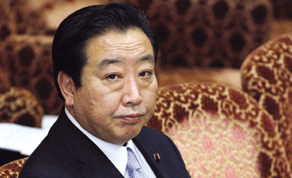
Yoshihiko Noda
The warning was a shot across the bow for Japan, saddled with public debt double the size of its $5tn economy, just days after the US lost its top-tier AAA credit rating from Standard & Poor’s.
Finance Minister Yoshihiko Noda yesterday signalled Tokyo’s readiness to continue intervening in the currency market to stem yen rises, citing a Group of Seven agreement to jointly counter any excessive and disorderly exchange-rate moves.
Moody’s, however, said that while Japan’s solo currency intervention and monetary easing last week initially pushed the yen lower against the dollar, the effect proved short-lived and was a negative for the economy and its credit rating.
“Yen strength has eroded the competitiveness of Japan’s exports and hampered the economy’s ability to sustain its recovery from the 2009 global recession,” Moody’s said.
Currency and monetary policy action alone will not solve the bigger problems plaguing Japan, such as the huge cost for reconstruction from the quake and the nuclear plant disaster, as well as much-needed social welfare reforms to restore the country’s fiscal health, Moody’s said in a statement yesterday.
Major ratings agencies have all put Japan’s sovereign rating on negative outlook as the country struggles to balance the need to support its economy, hit by a deadly earthquake in March, and to fix its public finances, which are the worst among G7 economies.
Moody’s announcement came hours after G7 finance leaders signalled their readiness to take co-ordinated action against excessive and disorderly currency moves.
A G7 telephone conference was arranged after worries of another US recession and concern about the eurozone debt crisis hit global stocks and pushed the yen up near record highs, as investors sought the currency as a safe haven.
The yen’s spike prompted Japan to sell ¥4.6tn ($59bn) in the currency market last week and the BoJ to ease monetary policy to alleviate the pain to the export-reliant economy.
But the moves have failed to push the dollar sustainably above ¥80—the rate on which many manufacturers have based their earnings forecasts for the current fiscal year. It stood around ¥77.80 yesterday.
“We will continue to carefully monitor market moves. We also confirmed the G7 stance on currencies,” Noda told reporters after Monday’s emergency G7 phone meeting.
He did not comment on whether they discussed the possibility of joint currency intervention to support the dollar, but said Japan asked its G7 counterparts for their statement to make a clear mention of “issues related to the currency market”.
Japan’s central bank refrained from draining funds that entered the market through last week’s yen-selling intervention, thereby amplifying the effect of intervention and monetary easing.
The BoJ is ready to pump huge amounts of liquidity into the banking system on any signs of stress in the money markets, a central bank source told Reuters.
Despite Moody’s warnings, Japan may not have much choice but to rely on currency intervention and monetary easing to support its fragile economy. Having just acted last week, the BoJ hopes to hold off on additional easing for now to save its limited policy options for when the economy faces bigger troubles.
But BoJ officials do not rule out easing policy further in the near term and are keeping an eye on a US rate-setting meeting today, which may trigger sharp yen rises against the dollar if the Federal Reserve signals additional monetary stimulus.