


 |
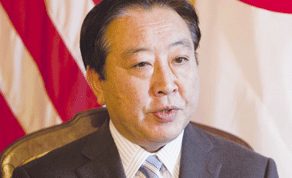
| Noda: Of course, we have to watch currencies |
Japanese authorities intervened on Thursday and the central bank eased monetary policy to reduce pressure on the export-reliant economy after the yen surged close to a record high with investors buying it as a refuge from the fiscal and economic woes in Europe and the US.
“There’s no change to our basic stance that we want to monitor markets closely,” Finance Minister Yoshihiko Noda said yesterday.
“It’s better to wait for a little while before judging the impact of intervention,” he told a news conference.
But markets remained jittery. The Japanese currency plunged nearly a full yen against the dollar at one point yesterday, spurring market talk that Japan had intervened again. It quickly bounced back, so traders said it was unlikely to have been the result of intervention.
A comment by Noda that he wanted to spend more time determining the effect of Tokyo’s action briefly pushed the yen up against the dollar as market players interpreted it as a sign Tokyo may hold off intervention in the near future.
“Of course, we have to watch currencies, but the Dow (industrial average) fell a lot, so today I also want to watch the stock market.”
Thursday’s intervention briefly pushed the dollar above ¥80. It fell back to trade around 78.45.
Money market data released by the Bank of Japan late yesterday showed that Japan’s yen-selling intervention the previous day may have totalled a record amount around ¥4.46-4.66tn.
World stocks plunged to new lows for the year on Thursday with a sell-off in markets accelerating sharply as investors fretted about the outlook for the global economy and piled into safe-haven bonds. The overnight sell-off pushed the Nikkei share average down sharply yesterday.
Noda offered no sign that financial officials from the Group of Seven or Group of 20 leading economies are considering discussing the global slowdown and market instability, or whether Tokyo may be initiating such discussions.
“I agree that these subjects should be discussed. We have the G20 meeting in September. I am sure these subjects will come up at a lot of international meetings,” Noda said.
“Each problem is important, but how to prioritise these issues is something to discuss from here on,” Noda said in response to questions on whether G20 needed to discuss currencies, the sovereign debt crisis and the US economy.
Japanese officials have not been clear about whether they obtained consent from G7 counterparts to conduct solo intervention.
Asked about the cool reception of officials in Europe and the US to Japan’s intervention, Noda said: “We are communicating, but I won’t comment on each country’s stance.”
Economics Minister Kaoru Yosano warned markets yesterday that they should not assume that Tokyo is done with stepping into the market, while stressing again the need for Japan, Europe and the US to adopt common policies to contain the pessimism about the global economy.