


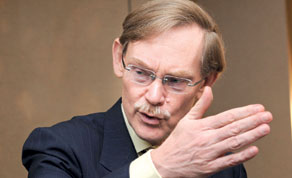
Reuters/
Zoellick: Reforms needed
The situation in the

Interviewed by phone from
“We are in a very fragile situation, not only for
“It is extremely difficult at this point to read exactly what will happen” in
Nine days of anti-government protests in
The uprising spread from
The problem, Zoellick suggested, was that countries like
“What we have seen is a partial modernisation process ... at the stage of developing the ports, the infrastructure, the industrial zones, in creating those jobs to move up the value-added ladder these countries did not move far enough, nor fast enough,” he said.
Zoellick said one of the lessons from the tensions in the
“There is a sclerosis that takes different forms in different countries—sometimes corruption, sometimes nepotism. This is where each country has its own unique circumstances,” he said.
He said he was concerned the fast-moving events in the
“Any time you have dramatic events like this, people understandably pull back to reflect and learn,” he said. “But we shouldn’t let this slip into paralysis.
Zoellick said the World Bank was in the process of withdrawing its staff from
“We are certainly on high alert in terms of being able to stay in close touch and see what we can try to do to alleviate the problems, and as they go through the appropriate transitions if they move to reform systems how we can try to support it,” he said.
World Bank loans can help developing countries in a number of ways—from providing budgetary support to funding infrastructure projects and social programmes.
Zoellick said he was “cautiously hopeful” that
“In that situation I want to engage fast,” he said. “This would be the worst time for the bank to be the development lender which takes a year to develop a plan.”
“We need to be fast, if the Tunisian transition works, to be a support to them. It may be that in the Egyptian case it could be humanitarian,” Zoellick added.
While some World Bank member countries might want to wait to see a track record of reforms before they offer aid, Zoellick said the institution was willing to show flexibility by supporting humanitarian agencies, which is outside its traditional mandate.
“I wouldn’t preclude an engagement as it moves forward, but this is where certainly the political conditions will matter,” he said.