By Reem al-Harmi/Washington
Last month, a man who was a key figure in changing what was happening within the Los Angeles Police Department (LAPD) on issues related to racial profiling, inequality and discrimination against African Americans , was found dead in his swimming pool.

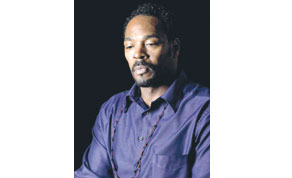
Rodney King: The Rodney King case shed light on civil rights and police violence and racial profiling
His name was Rodney King, an African American whose story began when he was speeding on a night in 1991, followed by LAPD officers. He was pulled over and four policemen started beating King on his dead and face, threatening him that he was going to be killed, called him “nigger”, and used their teaser guns more than once. But the police didn’t know that they were being filmed by a man from a nearby house. Next thing California and the US knew, the whole tape was being broadcast on TV, and this was when the rage and anger started.
The scene that was filmed not new among the white policemen. African Americans in California, just like anywhere else in the US especially in the south, were being arrested based on suspicion. Excessive force was being used on African Americans. The police made the assumption that every black person was a drug dealer or taking drugs.
Some of the policemen also had a bad reputation. They were mainly white, many of them came from the military and from the south. This time with Rodney King, it wasn’t something new then, but the difference was that it was documented.
But anger grew against the police. The policemen went on trial and in April 1992, everyone thought justice would be served. Unfortunately that was not the case. The verdict came out “not guilty” for all the four men.
As the news broke out, Los Angeles erupted; people were angry, due to the long history of the racial injustice against African Americans, from the KKK to segregated churches. African Americans had seen a lot; however, this time the people of LA had had enough and began rioting and the whole city was on fire.
It seemed like a war had broken out and little by little the police lost control of the city. The marines, the national guards and the military were being called to control LA. The violence lasted for six days; 50 people were killed and more than 2,000 injured. Financial losses were estimated at $1mn. President George Bush had to step in. Eventually there was another trial for the policemen and two of them pleaded guilty.
There was then no Internet as we know today and there were very limited usage of cell phones without the capabilities we have nowadays. However, there was someone who acted fast, by gripping his camera recorder, he filmed the scene that changed the history of the LAPD and the debate of racial profiling.
The Rodney King case shed light on civil rights and police violence and racial profiling. If it was not for people’s unity before and after the riots that took place in LA and elsewhere in the States and if it was not for the media, the actors and even the rappers, who made the efforts to try to speak for those who were unfortunate and didn’t have a voice, none of those things would have changed, not the government or the court system or the LAPD itself.
This incident did change the definition of civil rights, the racial profiling and violence and discrimination against minorities. It wouldn’t have happened if people had not come together and reacted. Because of that change did take place.
l [email protected]