Business

Thursday, February 12, 2026 | Daily Newspaper published by GPPC Doha, Qatar.

Business

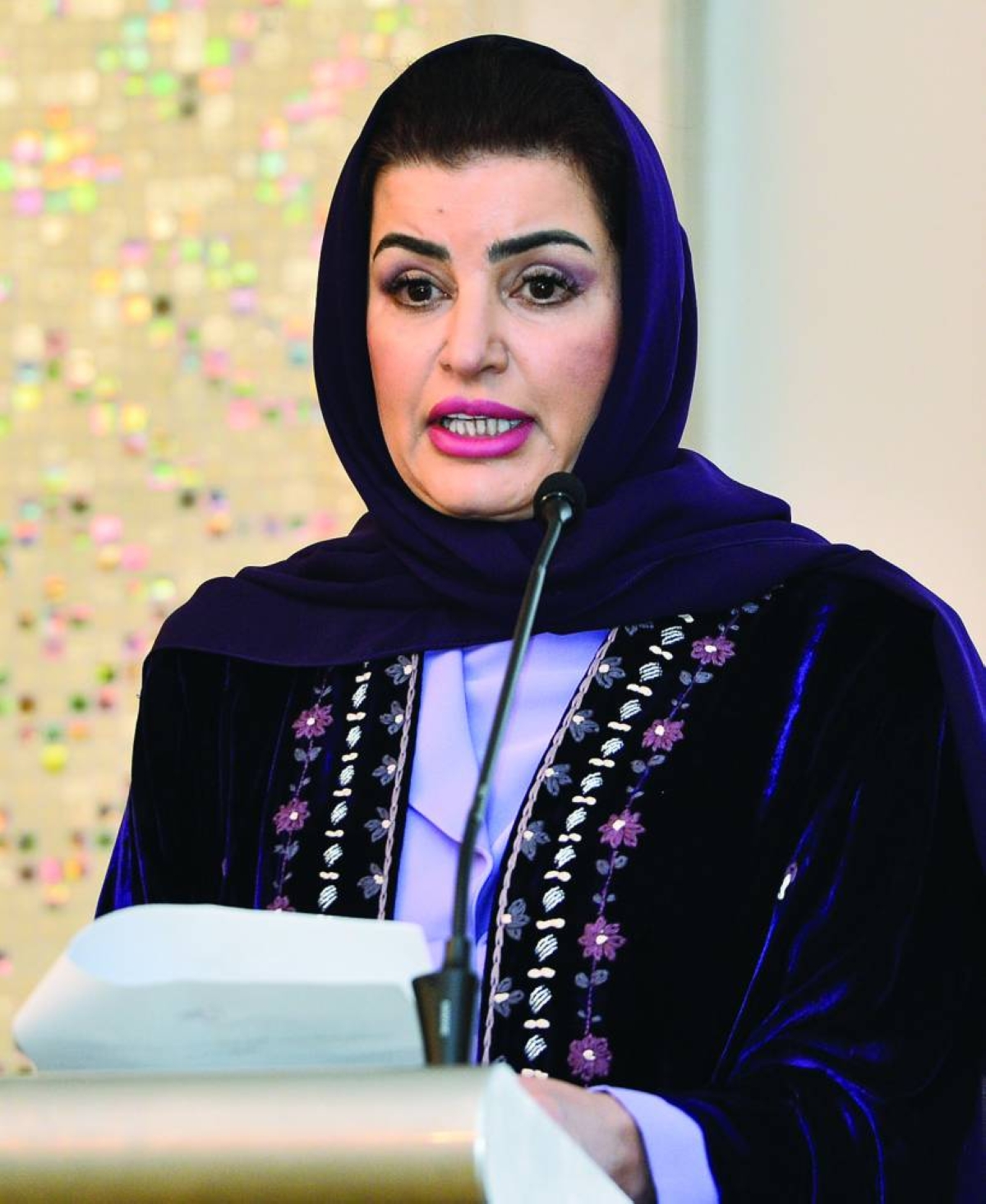
Nakilat board outlines future roadmap before shareholders at the annual general assembly.

Construction of gas carriers begins; first vessel to be delivered by year-end: Nakilat

Construction of gas carriers has commenced at various shipyards in South Korea and China, bringing the total number of vessels to be built to 40 ships of varying sizes, with the first vessel scheduled for delivery by the end of the year."This move represents not merely an expansion in fleet capacity; rather it also embodies the company’s strategic focus on fleet modernisation and the enhancement of its operational capabilities, thereby supporting the development of a reliable, safe, and environmentally responsible LNG (liquefied natural gas) shipping network," Nakilat chairman Abdulaziz Jassim al-Muftah told shareholders at the annual general assembly, which approved 2025 results and the cash dividend.He said Nakilat is currently transitioning from planning to execution of its fleet expansion programme through the construction of next-generation vessels incorporating state-of-the-art technologies to enhance efficiency and meet sustainability requirements.Nakilat chief executive officer Abdullah al-Sulaiti, in the board report, said "we will deliver the first of our new builds, further embed safety and sustainability in our operations, and continue to grow with our customers."Despite the evolving regulatory landscape and operational pressures faced by the industry, he said Nakilat is well prepared to respond with agility and resilience."Together, we will build the next chapter of Nakilat’s legacy, one defined by leadership, innovation, and responsible growth," according to him.In 2025, Nakilat made substantial progress across its operations and strategic growth initiatives. A key milestone was the steel-cutting and keel-laying ceremonies marking the commencement of construction for 25 LNG vessels: 17 LNG carriers at Hyundai Heavy Industries (HHI) Shipyard, and eight LNG carriers at Hanwha Ocean Shipyard, South Korea and nine QC-Max LNG Vessels to be constructed at Hudong-Zhonghua Shipyards, China.These vessels, which are fully-owned by Nakilat, will be chartered under long-term agreements with QatarEnergy affiliates, supporting QatarEnergy’s historic LNG fleet expansion and strengthening the company’s role in global energy security.In parallel, Nakilat commenced the construction of six additional vessels at HD Hyundai Samho Heavy Industries (HSHI) Shipyard in South Korea, including two LNG carriers and four LPG/ammonia vessels, all of which will be owned by Nakilat.Keel-laying for three LNG vessels at Korean shipyards was successfully completed this year, marking important progress in its fleet expansion programme."In a year marked by shifting market dynamics and rising operational demands across the maritime sector, the company maintained robust financial stability supported by prudent financial stewardship and efficient fleet operations," al-Muftah said.

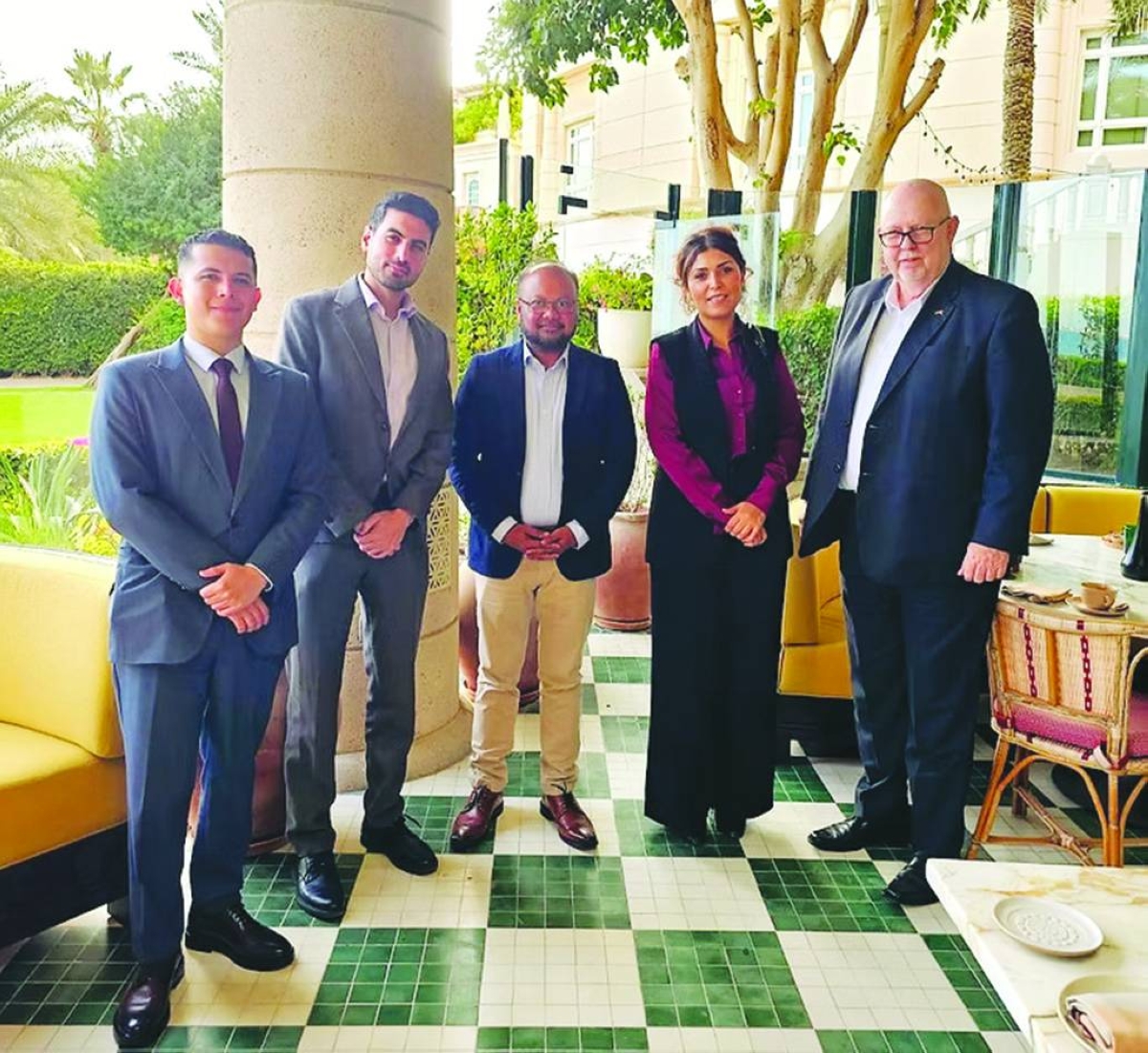
Bianca Pearl R Sykimte, director of the Department of Trade and Industry's Export Marketing Bureau in the Philippines.

Philippines trade executive urges Qatar to tap wider pool of exporters

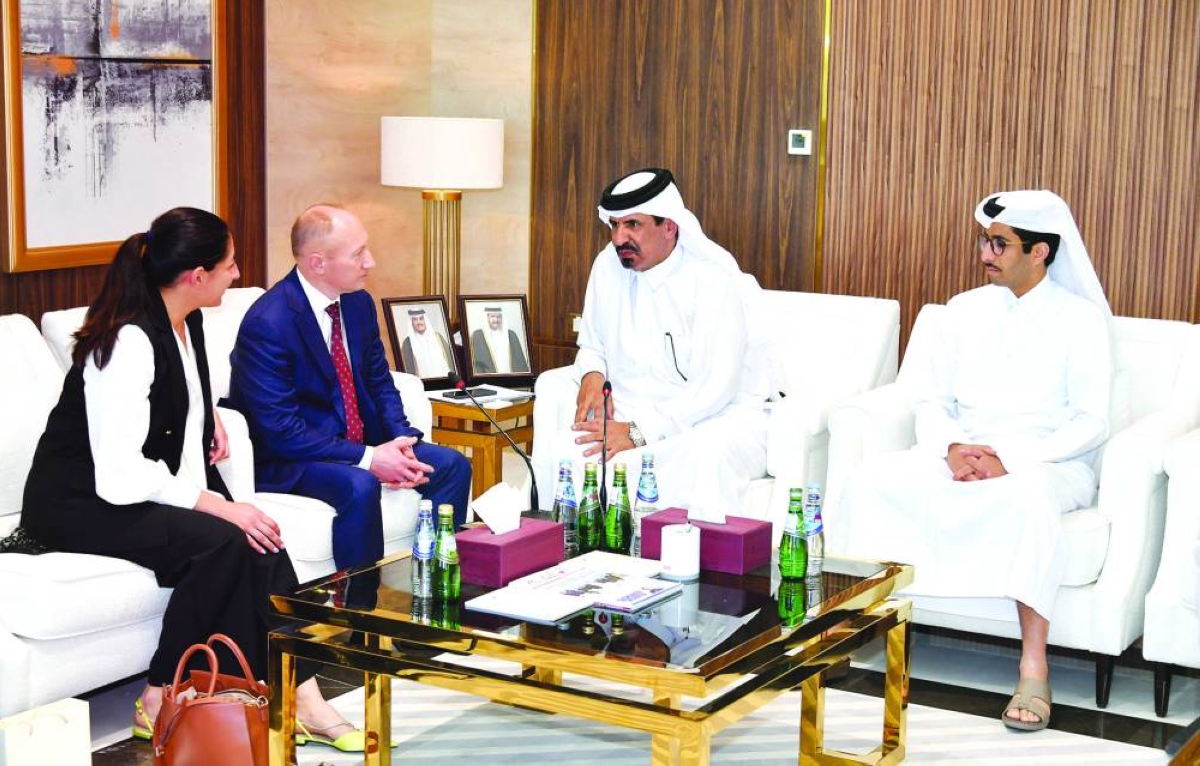
The Philippines has urged Qatar to expand its partnerships with Filipino exporters, noting that while the country counts more than 1,200 food exporters, only 250 currently supply the GCC market.Speaking at the Doha leg of the Department of Trade and Industry’s (DTI) Outbound Business Matching Mission (OBMM) in the GCC during a B2B meeting with Qatar Chamber officials, Bianca Pearl R Sykimte, the director of the DTI’s Export Marketing Bureau (DTI-EMB), said this gap “represents a vast opportunity for diversification and growth.”“With more than 1,200 food exporters, the Philippines has significant capacity. Yet GCC buyers, including those in Qatar, have so far tapped only 250 of our exporters, showing the vast opportunity to expand partnerships and diversify product offerings,” Sykimte pointed out during a presentation at the B2B meeting.Sykimte stressed that Philippine products “are well-positioned” to meet Qatar’s evolving consumer preferences, from premium tropical flavours to halal-aligned botanicals. She emphasised that the country’s exporters can deliver both novelty and authenticity to a competitive market.“Philippine ingredients such as ube, coconut, calamansi, and mango deliver exactly what today’s Qatari consumers are looking for — novelty, authenticity, and a distinctive taste experience that sets products apart in a competitive market,” she emphasised.Highlighting consumer trends, Sykimte noted that Qatari shoppers are increasingly drawn to plant-based, gluten-free, and clean-label snacks, areas where Filipino coconut-based treats and calamansi beverages align perfectly. Tropical flavours such as ube and pandan are already gaining traction across the region, she noted.“Qatari shoppers are increasingly choosing plant-based, gluten-free, and clean-label snacks. Filipino coconut treats like chips, rolls, and fruit-based snacks align perfectly with these preferences...we are already seeing ube-based products gaining traction across the region, proving their commercial viability,” Sykimte further explained.Beyond food, Sykimte announced that the Philippines is also positioning its botanicals in Qatar’s personal care market, where consumers value natural, halal-aligned, and climate-suited solutions. Ingredients such as moringa, pili oil, and rice bran oil were cited as tailored to the needs of Qatari consumers, including scalp care and hydration in hot climates, she noted.“Qatari consumers have specific needs shaped by climate and lifestyle, including sensitivity concerns, scalp care for women wearing the hijab, brightening and anti-pigmentation, hydration, and sensorial fragrance experiences. Filipino botanicals address these priorities.“Pili oil is an emerging premium ingredient recognised for deep hydration and barrier repair. It’s sourced from the pili tree, which grows abundantly in the volcanic soils of the Bicol region in the Philippines,” Sykimte also explained.Citing trade figures, Sykimte noted that Philippine agri-food exports to Qatar reached “$22mn” in 2025, with bananas accounting for “21%” and sauces and condiments contributing "about 14.7%.”“We believe these numbers can grow significantly if Qatar taps into the wider exporter base,” stated Sykimte, who also urged Qatari buyers to look beyond traditional categories and embrace the Philippines’ diverse offerings in food and personal care.