
As we are on the eve of the Holy Month of Ramadan, life across Qatar and other Islamic countries undergoes a profound transformation. Beyond its spiritual significance, Ramadan shapes daily routines, social interactions, and even economic behaviour. In recognition of these unique rhythms, the General Secretariat of the Council of Ministers recently announced that government entities will operate for five hours daily, from 9am to 2pm. Remote work is permitted for up to 30% of employees, with priority given to Qatari mothers and individuals with disabilities, ensuring operational continuity while accommodating the physical and spiritual demands of fasting. Employees may also benefit from flexi-time if they start at 10am, provided they complete the official five-hour workday. This flexibility reflects a broader understanding that Ramadan is not measured by the length of time spent at work or school, but by the quality of engagement and presence. Schools, too, adjust their schedules during the Holy Month. Reduced school hours are not simply a temporary administrative measure; they acknowledge the physical and psychological demands of fasting while maintaining a commitment to effective learning. Shortened hours allow students to focus better, teachers to deliver lessons with energy and attention, and the entire educational environment to align with the spiritual and cultural atmosphere of the month. Academic achievement, during this period, is increasingly seen as a matter of quality rather than quantity: the effectiveness of interaction, comprehension, and focus takes precedence over rigid adherence to long schedules. Fasting in Ramadan is more than an act of individual devotion; it is a behavioural system with far-reaching economic and social implications. At its core, the philosophy of fasting emphasises self-discipline, rational consumption, and the postponement of immediate gratification. Observing these principles can help individuals and societies confront a culture of excess, impulsive spending, and overconsumption of both essential and luxury goods. By abstaining from food and drink during daylight hours, people gain awareness of habitual or unnecessary consumption. This awareness can reduce food waste, lower unnecessary demand, and mitigate inflationary pressures on essential goods. Ramadan also fosters a culture of charity and solidarity. Obligatory almsgiving, or Zakat, encourages the redistribution of wealth, shifting part of household income from discretionary or luxury spending to productive social investment. This redistribution enhances social equity, increases the purchasing power of lower-income groups, and promotes a more balanced economy. Communities that embrace these values during Ramadan experience both spiritual and practical benefits, as charitable giving strengthens social cohesion and nurtures a sense of collective responsibility. Delaying gratification is another key lesson with economic significance. Societies that master the art of postponing immediate consumption in favour of future goals are better positioned to accumulate savings, finance investment, and reduce dependence on external capital. Ramadan cultivates this principle on a personal level, teaching financial discipline and long-term planning in a way that resonates across households, institutions, and the broader economy. Moreover, productivity during Ramadan is increasingly viewed through the lens of efficiency and meaning rather than sheer hours worked. Shortened workdays encourage employees to focus on results and quality, fostering moral capital – honesty, commitment, and excellence – key drivers of sustainable growth. Similarly, voluntarily reducing consumption alleviates pressure on natural resources, promotes environmental sustainability, and aligns with the principles of a green economy. Ultimately, the challenge lies not in practising these behaviours for a single month, but in transforming them into lasting habits that continue beyond Ramadan. When the principles of fasting – self-discipline, rational consumption, generosity, and thoughtful planning – become embedded in societal culture, communities gain both spiritual reward and economic stability. Ramadan, therefore, is much more than a time of fasting. It is a spiritual school and an economic laboratory, teaching lessons in patience, responsibility, and mindful living. By harmonising institutional practices, such as flexible civil service hours and adjusted school schedules, with the broader objectives of the holy month, society can cultivate balance, equity, and sustainability. In doing so, Ramadan offers a powerful reminder that true progress – spiritual, social, and economic – is measured not by hours spent, but by the depth of presence, the strength of character, and the lasting impact of our choices.
Qatar

Ramadan a month of self-discipline, responsibility, and rational living
Wednesday, February 18, 2026
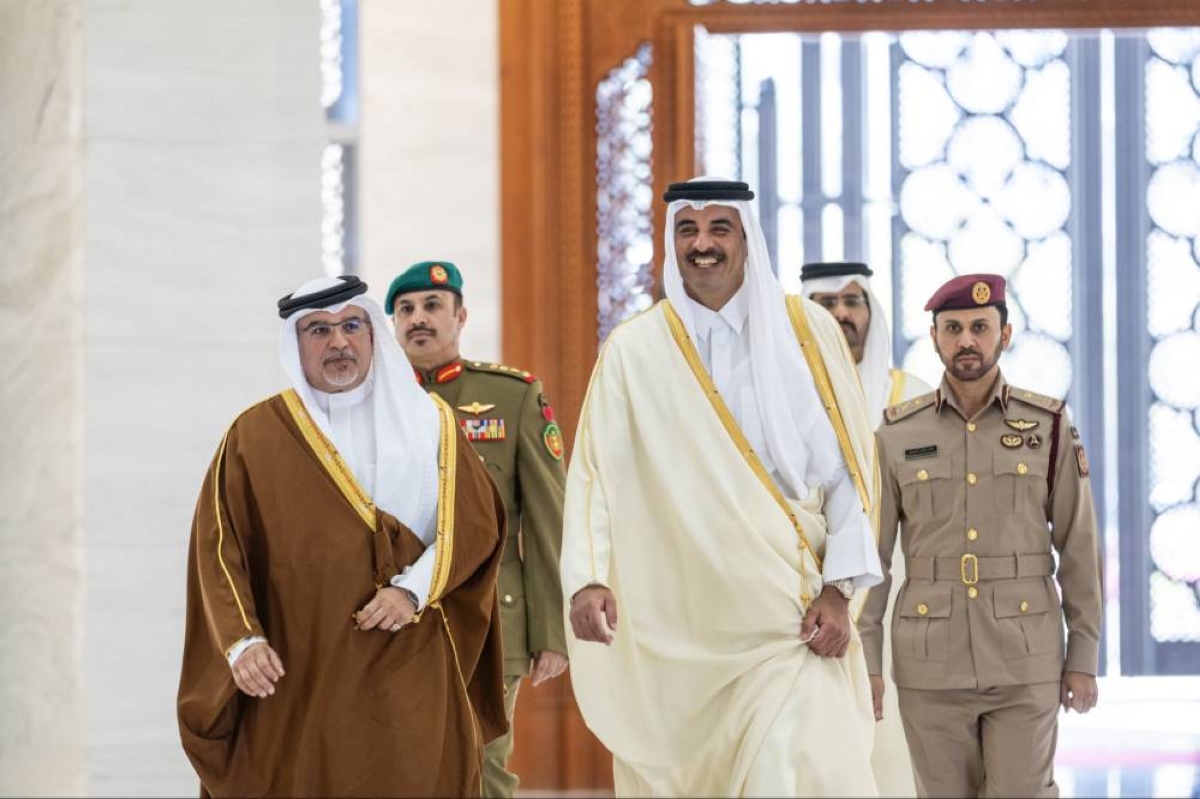
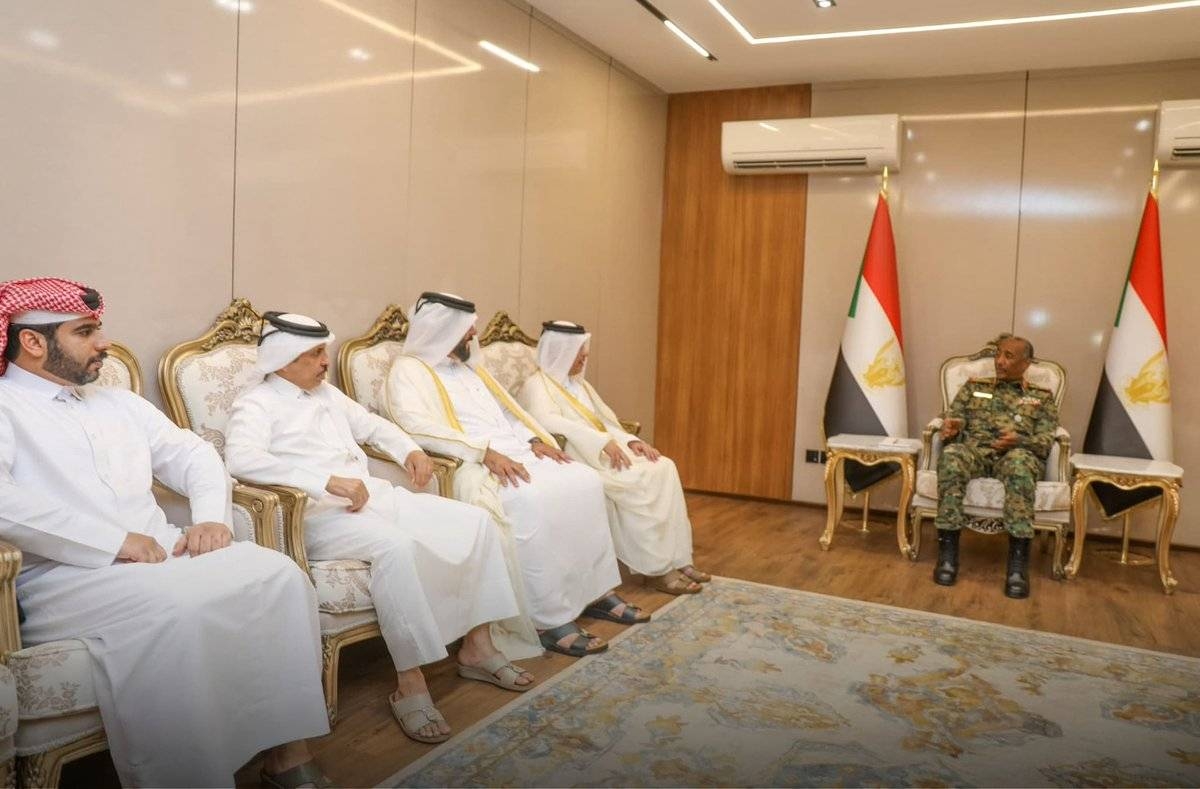
Sudan's Chairman of Transitional Sovereignty Council meets Qatar's Ambassador
Tuesday, February 17, 2026
Monday, February 16, 2026

Tuesday, February 17, 2026
Tuesday, February 17, 2026

Tuesday, February 17, 2026

Monday, February 16, 2026


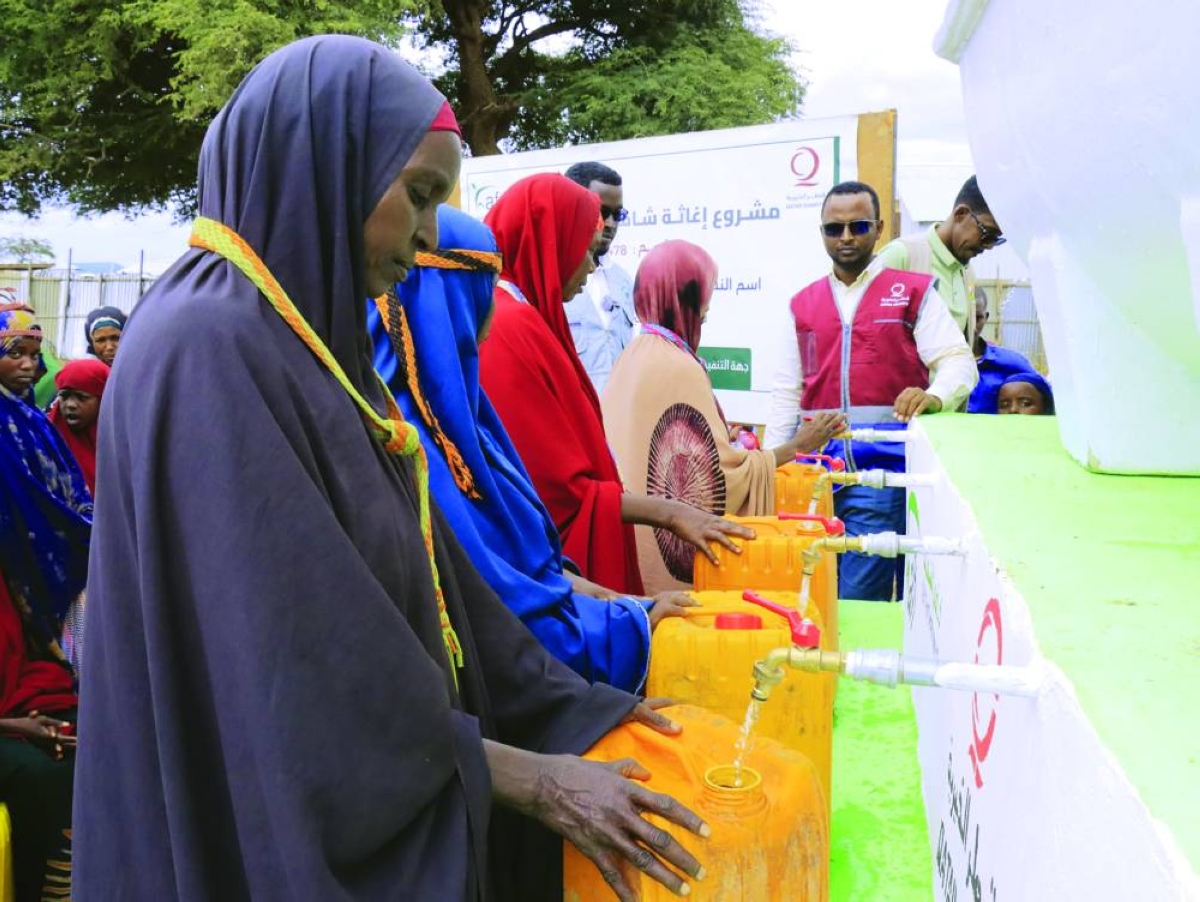
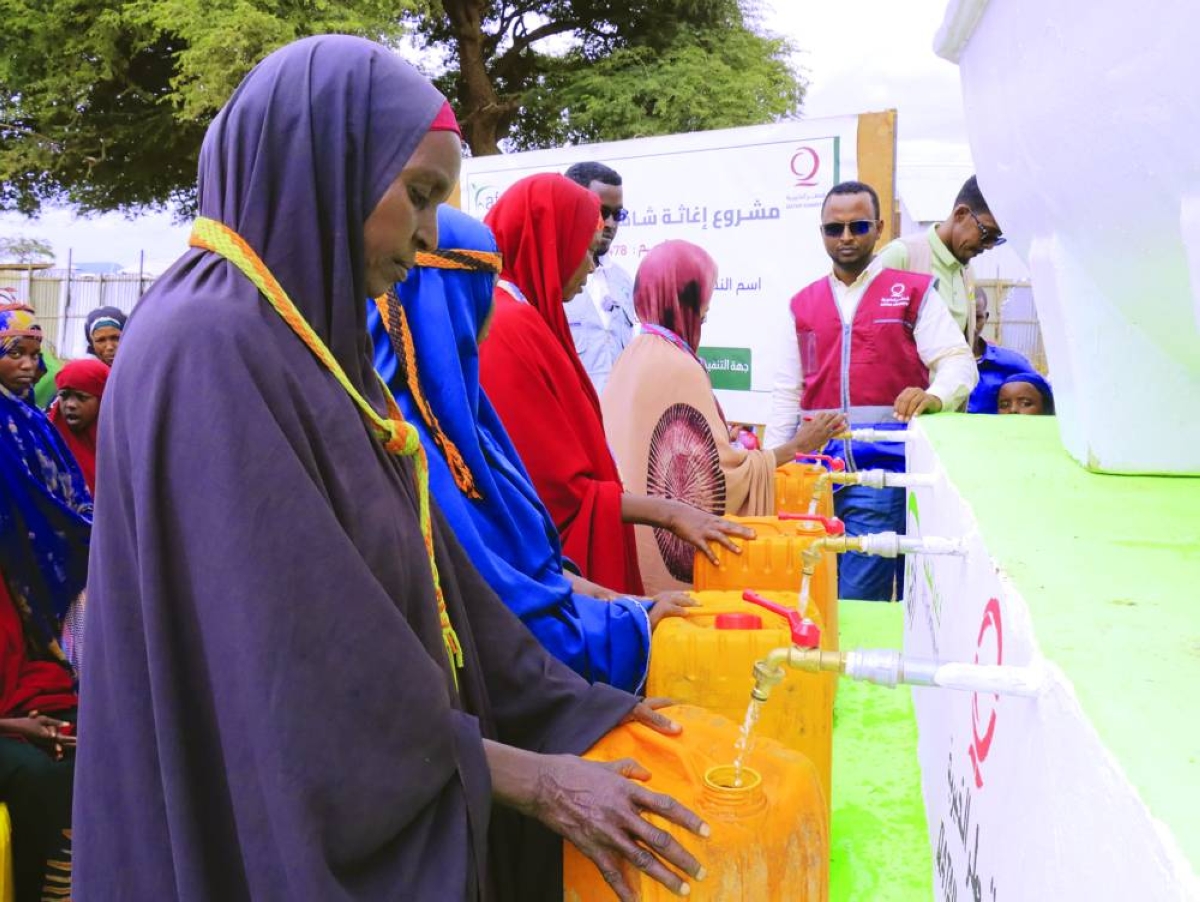
Qatar Charity enhances water security for drought-affected people in Somalia
Tuesday, February 17, 2026
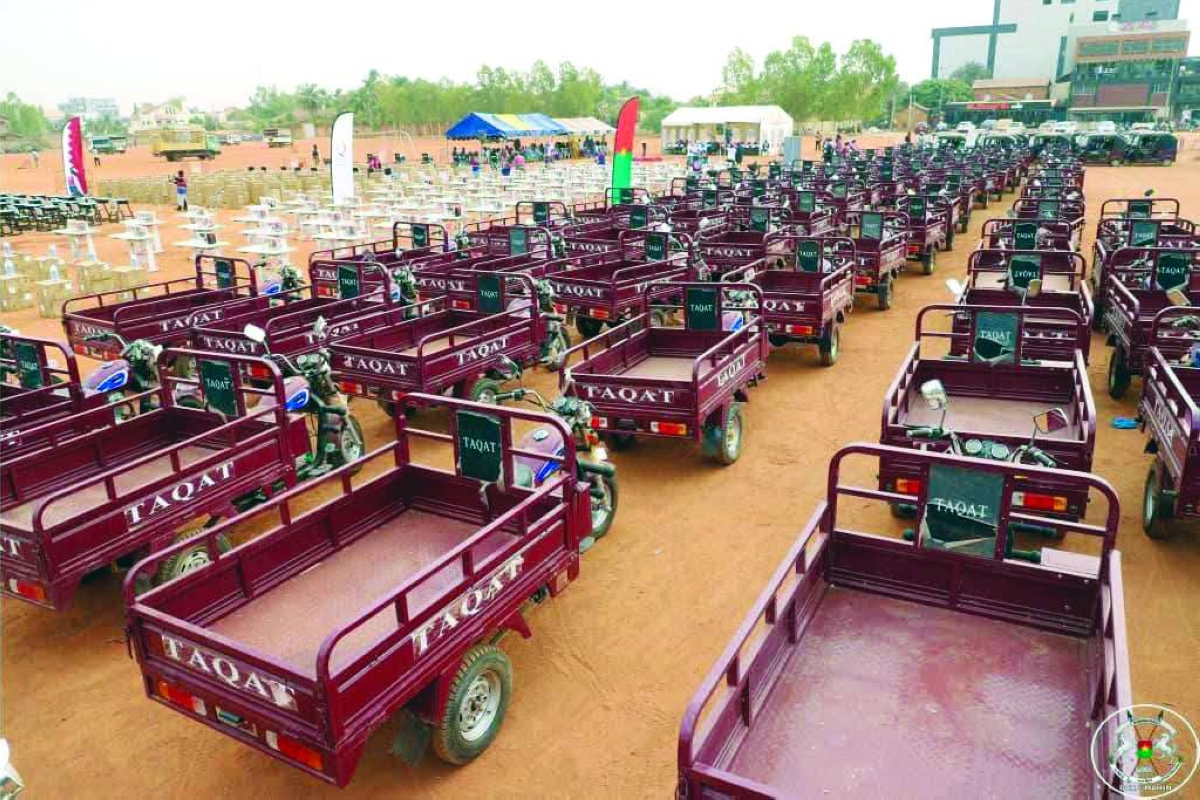
Qatar Charity supports vulnerable groups in Burkina Faso with specialised assistance
Tuesday, February 17, 2026

BilAraby highlights global role of Arabic at debating championship in Britain
Tuesday, February 17, 2026