Search - covid 19

Thursday, December 25, 2025 | Daily Newspaper published by GPPC Doha, Qatar.
Search Results for "covid 19" (360 articles)

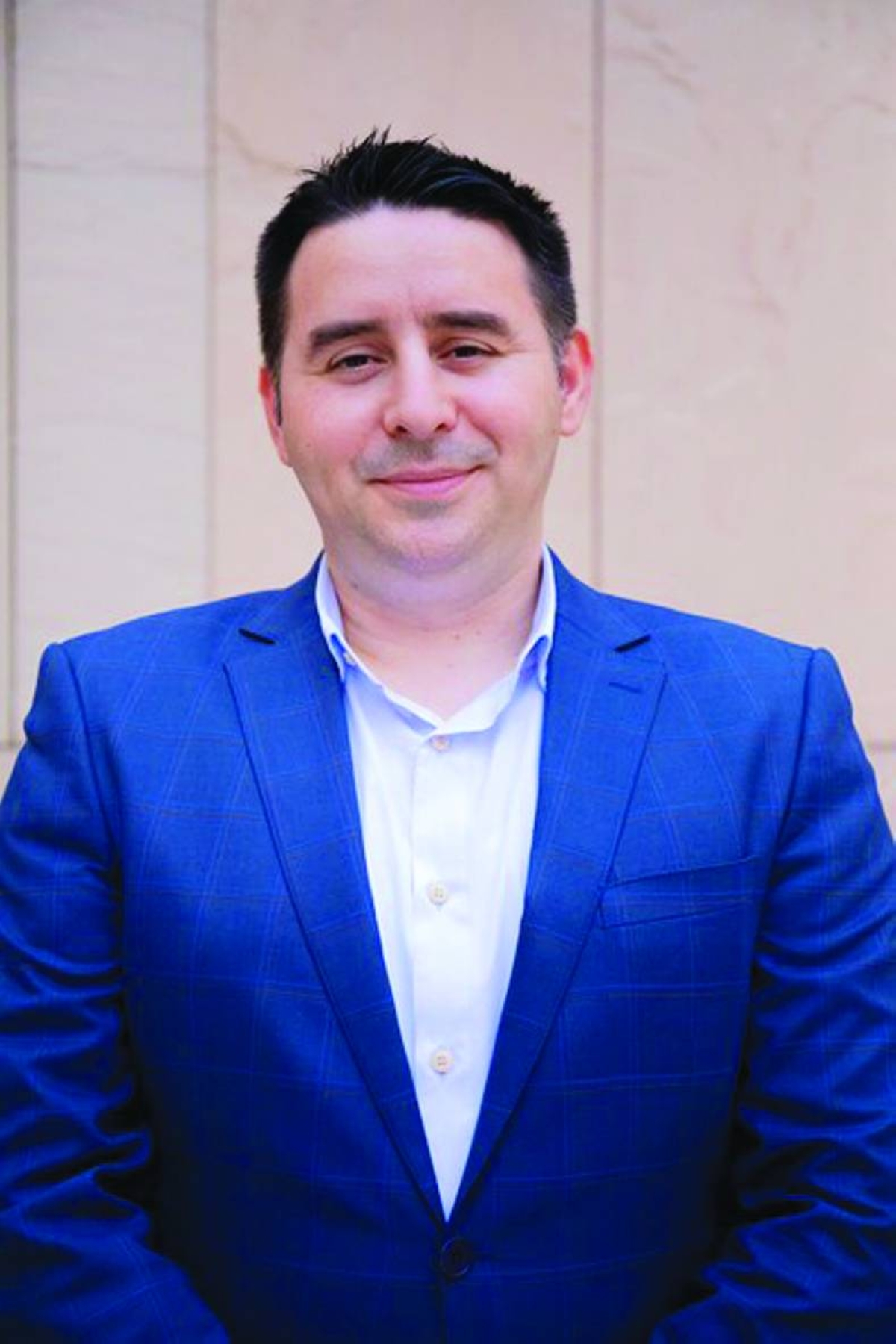
Alfred Kammer, Director of the International Monetary Fund's European Department.
Business

IMF urges more joint EU borrowing to pay for bloc's public goods

The European Union should jointly borrow to pay for European public goods like defence, research and development and energy, Alfred Kammer, the head of the International Monetary Fund's European Department, told Reuters yesterday. Joint borrowing by EU countries is a highly controversial topic. The bloc's biggest economy, Germany, is especially sensitive to joint debt, but a number of other northern European countries are also sharply opposed. The EU broke the taboo in 2020 when it jointly borrowed 800 bn euros to re-launch the European economy after the Covid-19 pandemic, and the option of more joint borrowing, while still very difficult, has been in the public debate since then. The threat of Russian aggression in Europe has dramatically increased the need for defence spending, and competition from China and the US has added to pressure to boost European innovation and lower energy prices. "We are suggesting concretely to more than double the European Union spending on these public goods, going up from 0.4% of GNI (gross national income) to 0.9% of GNI," Kammer said in an interview. That increase would be roughly equivalent to 100bn euros ($117bn). "We have one more recommendation, and that is to finance this increase in the EU budget with common debt in order to pay for these European goods, because they are a must, they need to be done, the benefits accrue to everybody, and you want to make sure that they start accruing now," he said. "And with that, of course, you are going to service that debt over time. For that, you need to have an increase in own resources (revenues to EU budget) to do that service. So don't shy away from thinking about common debt for common interests," Kammer said. Common EU defence projects, paid for jointly by the EU, are already happening through the EU programme of 150bn euros of cheap EU loans, though probably more money would be needed given the huge scale of necessary defence investment. Joint financing to create a European energy market would be new — the EU needs not only to switch away from burning fossil fuels to zero-emission energy sources but also build networks across borders to transport the electricity all over the bloc. Investing in research and development and innovation would also benefit all 27 EU countries and the bloc's 450mn citizens. "Those public goods are going to support many other reform efforts, so they are key in terms of moving up," Kammer said, adding that a co-ordination mechanism at the EU level is needed and doing so would save money. "More co-ordination at the European level on the energy electricity market saves 7% of the costs of the clean transition," Kammer said. "Other studies have said that, on defence spending, when you move to common procurement and have a more coordinated effort, you would actually save 30% compared to national-level efforts," Kammer said. "It's cheaper to do them at the European level." The EU has been discussing the idea of public goods as part of the debate about the bloc's next seven-year budget starting from 2028, but no conclusions have been agreed.

A thank-you note from Gaza has won widespread praise on Instagram and X.
Region

Indian woman wins hearts for delivering water and ‘hope’ to Gaza

When the cries of children echo through the war-torn streets of Gaza, devastated by relentless Israeli attacks, very few can look away without feeling compelled to act. Among those who did something meaningful was a young Indian humanitarian, Sreereshmi Udayakumar, whose small act of solidarity has touched thousands of lives.Sreereshmi, a 24-year-old from Kayamkulam in Kerala’s Alappuzha district and the founder of the Koottu collective, coordinated the delivery of a 3,000-litre water truck to 250 displaced families in southern Gaza. At a time when safe drinking water had become a distant dream, her effort brought both relief and hope. Gaza responded with gratitude, holding signs thanking “Reshmi and her friends from Kerala, India,” images that went viral on social media.In an exclusive interview with Gulf Times, Sreereshmi shares her journey, challenges, and what keeps her going.Q: Can you share a little about yourself and how your journey into humanitarian work began?A: My journey into humanitarian work comes from my own life experiences. I grew up in a family where three members are disabled, and I witnessed my mother’s struggles every single day. From childhood, I was encouraged to help others, and that shaped my empathy and commitment.Over the years, I’ve been part of several efforts: during the 2018 Kerala floods I worked in rescue missions, rehabilitation, and relief camps. In 2019, I helped people affected by the Wayanad landslide. I also initiated post-Covid support for people facing isolation, offering them a non-judgmental listening space. At times, I have even done post-mortem care, such as washing the bodies of victims of the Chooralmala landslide.Beyond disaster relief, I help students and families from financially weak backgrounds by supporting their education and basic needs. For me, humanitarian work means standing with ordinary and oppressed people, both in everyday life and in times of crisis. That commitment is what led me to focus on Palestine.Q: What was the turning point that pushed you to start supporting families in Gaza from Kerala?A: It was the realization of how privileged we are compared to the people in Gaza. Here, we can eat, drink, and sleep safely, while at the same time children are being killed, families destroyed, and people dying of malnutrition. It felt impossible for me to stay silent.During the war, I began communicating with a few families in Gaza, mostly women with children. Over time, they became like sisters to me. Even though we come from different nations, cultures, and languages, there was a deep bond of humanity. Listening to their pain moved me so much that I couldn’t sleep at night. That’s when I knew I had to act—not as charity, but as solidarity.Q: You coordinated the delivery of a 3,000-litre water truck. How did this effort come together?A: I’ve been in contact with families displaced from northern to southern Gaza. One of my closest friends there, Hadeel, a mother of two, raised the urgent issue of water scarcity for 250 families in Jamal Al Wadi. Together with Hadeel and my friend Lesley Hawksley, a TV producer from the UK, we searched for organizations distributing water in that area but found none.Finally, Hadeel located a private water truck owner and coordinated logistics. The truck cost USD 300, and we collected the amount through friends and family. The delivery brought immense relief. Hadeel shared the video of families receiving water—it went viral, and the gratitude shown in those moments will stay with me forever.Q: How did you establish and maintain connections with families in Gaza?A: Through social media. Since the war began, I’ve been closely following the situation in Palestine. I connected with families and began video calls with them—joining them in their daily lives, even simple moments like visiting the market or talking to their children. These small exchanges kept me emotionally connected.Over time, I was able to support around 50–60 families with food and water. Later, when they were displaced, we organized the water truck during a critical time.Q: What role did your friends and well-wishers play in this initiative?A: They were crucial. I am blessed with friends and followers—more than 160,000 on social media—who are ready to support any cause. They contributed through verified international donation links like Chuffed and GoFund, created by social workers from different countries.In Gaza, transactions are complicated and sometimes exploitative, with money exchangers charging up to 50%. So, my friends trusted me to coordinate support and make sure it reached the right people. I will never forget their solidarity.Q: When you saw the viral videos of families thanking you, what was your reaction?A: I was overwhelmed with happiness. Seeing their gratitude gave me peace. Hadeel and her two sons, Mohammed and Read, appeared in one of the videos. Their smiles reminded me that, even from afar, I could bring a little light during such dark times.The world has not witnessed such a targeted genocide against women and children in recent history. According to the Palestinian Health Authority, more than 66,000 civilians have been killed, including 19,000 children. Amidst this horror, if I can bring even a little happiness and hope, it means everything to me.**media[367253]**Q: What challenges did you face in coordinating relief from India?A: The biggest challenge is that direct payment channels from India to Palestine are blocked. We often had to send money through social activists abroad who then transferred it via crypto wallets. Internet blackouts in Gaza make communication difficult, but we still managed to coordinate.At times, even water trucks couldn’t reach families because roads were destroyed or blocked. Once, a truck got stuck in the sand, and we had to find another vehicle to pull it out. Every delivery is a challenge, but worth it.Q: You mentioned that families now need at least 6,000 litres of water daily. How sustainable is this?A: It’s very difficult. Around 280 families that I initially supported have fled to South Gaza. The main water source, the Basin Stream, is polluted after sewage plants were destroyed. Private water trucks face logistical hurdles in reaching these families.I cannot do this alone. International organizations must step in. We need global solidarity and structural support to sustain such efforts.Q: What are your next plans to continue supporting Gaza families? A: I want to continue supporting families who fall through the cracks of humanitarian aid—pregnant women, children needing essentials like diapers, and families without access to social media. My aim is not just food and water but also education and dignity. I don’t know how much I can achieve, but I will try.Q: What message would you like to share with young people who feel helpless but want to make a difference?A: Gaza represents the largest genocide since the Holocaust, and it targets women and children in ways the world cannot ignore. We must understand that this is not about politics—it is about humanity.Wherever possible, raise your voice. Speak about Palestine. Stand against injustice. Even if you cannot send aid, you can spread awareness, keep the conversation alive, and remind the world that silence is complicity.

Gulf Times
Opinion

US coal set for a new lease of life with Trump support

US President Donald Trump has thrown a lifeline to coal with his move to reinvigorate the industry by easing regulatory barriers. He’s declared the fuel “essential” to national and economic security, and his administration has given last-minute reprieves to plants that were set to shut down.The country’s coal consumption had been trending downward for much of the past two decades in the face of cheap natural gas, tighter environmental restrictions and pressure to curb planet-warming emissions.The US coal industry is having a good year. Demand for the dirtiest fossil fuel is increasing, utilities are running their plants harder, and miners are boosting production.In September, the Department of Energy announced it would be providing $625mn to recommission or modernise coal power stations as part of a co-ordinated government effort to revive the industry.The Energy Information Administration expects the US to consume 398mn metric tonnes of coal in 2025, up 7% from last year. That would mark the first increase since 2021, when power demand roared back after the global industrial slump triggered by the Covid-19 pandemic.Electricity generation accounts for the vast majority of coal use in the US. The EIA forecasts the amount of power from coal-fired plants will rise by 9% this year. That would push coal to 17% of the electricity mix — a slight uptick from 2024, although a far cry from the days when it fuelled more than half the country’s generation.For years, cheap gas has made coal plants comparatively less economic to run. But gas prices increased in 2025 in the face of tighter supply, which incentivised utilities to burn more coal — particularly during the initial months of the year, when colder-than-anticipated winter weather drove up electricity demand for heating.Trump issued an executive order in April that said it’s a national priority to support the US coal industry and directed federal agencies to identify and consider revising any policies that discourage coal production and power generation.That same month, his administration granted a two-year exemption to dozens of coal-fired power plants from federal requirements to limit the emission of mercury and other toxins.Meanwhile, the Environmental Protection Agency is seeking to reverse some of the fundamental legal findings for regulating greenhouse gases in the US, a move that would weaken pollution limits for coal plants and make them cheaper to operate.The Trump administration is targeting its support further up the supply chain, too, as Interior Secretary Doug Burgum says the US will “mine, baby, mine”. While the country has the largest coal reserves in the world, its production has been in long-term decline for almost two decades.Power consumption in the US is expected to surge in the coming years after decades of stagnant growth. Some researchers forecast it could rise by as much as 25% by 2030.The momentum reflects the proliferation of data centres for artificial intelligence (AI), as well as increasingly electrified homes and cars, and factories shifting away from fossil fuels.Data centres could account for 7% of the country’s electricity demand by the end of the decade, according to BloombergNEF, from around 4% today.BloombergNEF estimates that by 2035, the US will need an extra 77 gigawatts of generation capacity to power its data centres. Coal plants that delay their retirement could be the second-largest source to meet the additional capacity requirements after gas.Coal plants are designed to run for decades, so project developers consider the economics over a much longer time horizon than presidential terms. While Trump has swung federal policy in coal’s favour, this could change as soon as 2029 if a more climate-friendly successor is elected to the White House.

Gulf Times
Business

How merger arbitrage traders plan to cash in on EA buyout

The agreement by Electronic Arts Inc to sell itself to a group of investors — a deal that would be the largest leveraged buyout on record — has created an attractive money-making opportunity in a corner of Wall Street known as merger arbitrage. Arbitrageurs, known as arbs, seek to profit from the gap between where a stock trades today and the price a buyer has agreed to pay.The size of the EA deal, which values the video-game company at about $55bn, along with a wave of mergers and acquisitions in recent months, is a potential boon for arbs, who now have more names to trade on. But just as their wagers can reap large rewards, they also carry significant risks.What is merger arbitrage?Also called risk arbitrage, it’s a trading strategy, used primarily by hedge funds, to profit from price differences that arise when it becomes known that one company intends to acquire another. When that happens, the stock price of the target company often rises but not to the level of the offer price. The gap reflects the risk that the deal might not go through.Why is EA’s stock trading below the offer price?The buyer group that would take the publicly listed EA private agreed to pay $210 in cash per share. That represents roughly a 25% premium over the stock’s so-called unaffected price, which is where it was trading before the media began reporting on talks aimed at a deal.The proposed buyers — Silver Lake Management, Saudi Arabia’s Public Investment Fund and Affinity Partners, a firm managed by President Donald Trump’s son-in-law Jared Kushner — all have deep pockets. And JPMorgan Chase & Co has committed to providing about $20bn of debt.But it’s not a done deal yet.The transaction is still subject to shareholder approval and sign-offs from regulators. In the US, it’s expected that the deal will need to be reviewed by antitrust authorities and by the Committee on Foreign Investment, better known as CFIUS, which screens foreign investments in American companies. EA has a global footprint, and authorities in jurisdictions where it generates meaningful revenue — potentially the European Union, UK and China — could also review the deal.These processes could drag on. EA has said it aims to close the deal by mid-year 2026.How do arbs stand to profit from the EA deal?Given the risks of the deal falling apart and the fluidity of the timeline for its completion, the market is pricing in doubt. With EA stock trading slightly above $200 as of the market’s close on October 2, the deal spread — the gap between the trading price and the bid— is about $10, implying approximately 80% odds of completion, based on back-of-the-envelope math.Many holders of EA stock will cash out and lock in a gain rather than wait to see how the deal unfolds. That’s when arbs step in. In theory, by buying the stock and holding it to the close of the deal, arbitrage traders could pocket the spread. They could achieve nearly an 8% annualised return if the deal closes on time, a decent payoff compared with the roughly 3.5% yield on a nine-month US Treasury bills.EA has also agreed it may pay quarterly dividends of as much as $0.19 per share until closing. That’s small, but it’s still extra pennies for investors to collect along the way.What can go wrong with merger arbitrage?Regulatory review is usually the primary source of concern for arbs. Last year, an antitrust challenge sank a proposed tie-up between the makers of Coach and Kate Spade handbags, dealing a huge blow to many hedge funds that lost money on the arbitrage.In a different video-game industry deal a few years ago, Microsoft Corp’s takeover of Activision Blizzard Inc drew scrutiny on antitrust grounds in both the US and the UK. The reviews prolonged the saga, sending the spread up and down, for a year and a half before the deal was ultimately cleared.The environment for mergers and acquisitions was challenging during the Biden administration, when Lina Khan, who was chair of the Federal Trade Commission, took a tough approach on antitrust issues. Regulators have become more accommodating toward M&A since Trump’s return to the White House for a second term. Arb specialists expect that the deal to buy EA won’t raise significant antitrust flags because while Saudi Arabia’s PIF, the kingdom’s sovereign wealth fund, already has some investments in video games, the buyout wouldn’t represent a significant consolidation in the industry.The national security review is another risk. The saga around US Steel’s sale to Japan’s Nippon Steel showed how that process can muddy deal timing and outcomes. Then-President Joe Biden initially blocked the acquisition on national security grounds. Eighteen months following the deal’s announcement, it finally closed in June, after Trump extracted a concession giving the US government a so-called golden share in the targeted company.Another wrinkle is a potential competing bid. The agreement gives EA a 45-day period in which it can engage other suitors; if it accepts a superior offer, the original bidders would be entitled to a $1bn breakup fee.There can be other kinds of developments that can delay or sink a deal. For example, in early 2022, Elon Musk said he would buy Twitter Inc, creating an opening for arbs. His threats to walk away turned that deal into a roller coaster ride for them.And during periods of extreme market turmoil, buyers sometimes press to reduce prices, which can make an arb’s bet on a merger less or not at all profitable. LVMH successfully pushed for a price cut in its takeover of Tiffany & Co during the tumult of the Covid-19 pandemic.

Mary E Brunkow, Fred Ramsdell and Shimon Sakaguchi are awarded this year's Nobel Prize in Medicine or Physiology at Karolinska Institutet in Stockholm, Sweden, on Monday.
International

Immune system breakthrough wins Nobel medicine prize for US, Japan scientists

Scientists' work relates to 'how we keep immune system under control'Work spurred development of treatments in areas such as cancer, autoimmune diseaseMore than 200 trials on humans involving regulatory T cells under wayFirst award in 2025 Nobel Prizes, Physics next on TuesdayAmerican scientists Mary Brunkow and Fred Ramsdell and Shimon Sakaguchi from Japan won the 2025 Nobel Prize in Physiology or Medicine on Monday for work shedding light on how the immune system spares healthy cells, creating openings for possible new autoimmune disease and cancer treatments.Their discoveries relate to peripheral immune tolerance, or "how we keep our immune system under control so we can fight all imaginable microbes and still avoid autoimmune disease", said Marie Wahren-Herlenius, a rheumatology professor at Sweden's Karolinska Institute, the awarding body.The institute said all three laureates brought to the fore so-called regulatory T cells, a class of white blood cells that act as the immune system's security guards that keep immune cells from attacking our own body.Brunkow, who found out she had won after being woken by her dog barking at a news photographer on the front porch of her Seattle home, said she, Ramsdell and their colleagues had isolated a gene called FOXP3 that could be used as a marker for the cells."They're rare, but powerful, and they're critical for sort of dampening an immune response," she said in an interview, describing the cells as a braking system that prevents the body's immune system from tipping over into attacking itself.Sakaguchi expressed surprise at a press conference in Osaka, western Japan, because he felt any major recognition would have depended on more development advances."I used to think that some sort of reward may be forthcoming if what we have been doing will advance a little further and it will become more beneficial to people in clinical settings," he said in a calm voice, cracking a smile now and then.The press conference was interrupted for Sakaguchi to take a congratulatory phone call from Japanese Prime Minister Shigeru Ishiba, who asked him how effective immunotherapy could be for cancer treatment in the future."I believe the time will come when cancer is no longer a scary disease, but a curable one," said Sakaguchi.The winners of the award are selected by the Nobel Assembly of the Karolinska Institute, a leading medical university, and receive a prize sum of 11 million Swedish crowns ($1.2 million), as well as a gold medal presented by Sweden's king.Brunkow is senior programme manager at the Institute for Systems Biology in Seattle, while Ramsdell is scientific adviser at Sonoma Biotherapeutics in San Francisco. Sakaguchi is a professor at Osaka University.Jeffrey Bluestone, a decades-long friend of Ramsdell and a co-founder with him of Sonoma Biotherapeutics, told Reuters that his associate's extraordinary contribution was finding the FOXP3 gene, initially in mice, that controlled the development of regulatory T cells. They described their findings in a paper in 2001."Those cells were the master regulators of the tolerance of the immune system," said Bluestone.Ramsdell could not be reached by Reuters - nor by Brunkow or Bluestone, with Bluestone saying he may be on a hiking trip in an area without cell phone reception.After announcing the winners, the Karolinska Institute's Thomas Perlmann said specific therapies had yet to win market clearance but more than 200 trials on humans involving regulatory T cells were ongoing.Among companies in the early race, Ramsdell's Sonoma Biotherapeutics is partly funded and supported by US drugmaker Regeneron to work on therapies against diseases including inflammatory bowel disease.Also targeting that condition, Quell Therapeutics has partnered with AstraZeneca. Other biotech firms exploring the approach include Bayer's BlueRock.The Nobel Prizes were established through the will of Alfred Nobel, the Swedish inventor of dynamite and a wealthy businessman.They have been awarded since 1901 for outstanding contributions in science, literature, and peace. The economics prize was added later and is funded by Sweden's central bank.Winners are selected by expert committees from various institutions. All prizes are awarded in Stockholm, except for the Peace Prize, which is presented in Oslo.Past recipients of the Nobel Prize in Physiology or Medicine include renowned scientists such as Alexander Fleming, who shared the 1945 award for discovering penicillin. In recent years, the prize has recognized major breakthroughs, including those that enabled the development of COVID-19 vaccines.Last year's medicine prize was awarded to US scientists Victor Ambros and Gary Ruvkun for their discovery of microRNA and its key role in how multicellular organisms grow and live.Medicine in accordance with tradition kicks off the annual Nobels. The physics award is next, on Tuesday.The awards culminate in ceremonies attended by the royal families of Sweden and Norway, followed by lavish banquets held on December 10 - the anniversary of Alfred Nobel's death.

Gulf Times
Region

Lebanese Health Minister to QNA: Qatar a Global Model in Integrated Healthcare

Lebanon's Minister of Public Health Dr. Rakan Nassereddine highlighted the depth of the distinguished relations between the State of Qatar and Lebanon, praising Qatar's leadership in the health sector. In an interview with Qatar News Agency (QNA), the Lebanese Health Minister affirmed that the relations between the two countries date back many years and are based on a shared commitment to supporting and developing them in various fields. He praised the significant development witnessed by the State of Qatar across various sectors, particularly in the health field, noting that Qatar represents an advanced model to be emulated in integrated healthcare systems both regionally and internationally. He stressed Qatar's steadfast support for Lebanon and its continued assistance, especially in the health sector, highlighting the ongoing cooperation with the Qatar Fund for Development in the reconstruction of Karantina Hospital. He explained that Qatar's support for the Lebanese health sector has been present throughout various stages — starting from the COVID-19 pandemic, through the Beirut Port explosion, and up to the recent Israeli aggression against Lebanon--affirming that this continuous support reflects the depth of the fraternal relations between the two countries. The Minister also referred to his recent visit to Doha to participate in the 6th Global Ministerial Summit on Mental Health, noting the meetings he held with several officials from Qatar Charity, the Qatar Cancer Society, the Qatar Fund for Development, and the Qatar Red Crescent, during which ways of enhancing bilateral cooperation in the health and humanitarian fields were discussed. Dr. Nassereddine expressed his gratitude to the State of Qatar for its continued support to Lebanon, affirming his country's readiness to strengthen health cooperation and exchange expertise, particularly in crisis response and in dealing with injuries resulting from disasters and wars. He emphasized the importance of Arab partnerships, including with Qatar, to support Lebanon's health sector, which suffers from limited resources but at the same time boasts highly qualified and skilled professionals. He revealed an improvement in healthcare coverage for patients under the supervision of the Lebanese Ministry of Health, through the expansion of medication protocols — especially for cancer treatment — along with the gradual inclusion of kidney transplants and heart valve procedures, in addition to enhancing mental health support, particularly for chronic cases. The Minister of Public Health, pointed out that the ministry's 2024 budget amounted to around $445 million, while the 2025 budget is approximately $480 million, noting that more than $200 million of this amount is allocated to hospital care.

IMF Managing Director Kristalina Georgieva.
Business

Qatar's Blue Owl Capital partnership indicates GCC region’s 'comparative advantage' to host data centres: Georgieva

IMF Managing Director Kristalina Georgieva has highlighted the GCC region’s “comparative advantage” in terms of access to energy that helps it host data centres and cites Qatar's partnership with Blue Owl Capital as an example.“GCC’s comparative advantage in terms of access to energy is helping it unlock major projects to host data centres. Examples include partnerships with Humain and Nvidia in Saudi Arabia, Blue Owl Capital in Qatar, or the US-UAE AI accelerated partnership,” Georgieva said in her meeting with the Ministers of Finance and Central Bank Governors of the Gulf Co-operation Council (GCC) in Kuwait.Georgieva noted: “The last time we saw each other was during the Spring Meetings six months ago. At the time, trade tensions brought global uncertainty to new highs, contributing to a downward revision in our global growth projections.“Since then, a series of trade agreements and pauses in tariff increases have prevented escalation. Almost all countries subjected to US tariffs have refrained from retaliating. This, combined with the fact that the rest of trade relations among countries remain guided — so far — by WTO rules, allowed us to avoid a full-scale trade war.”In addition, she noted the private sector has shown “impressive” agility and adaptability, front-loading cross-border purchases, adjusting supply chains and pursuing investment strategies aligned with a more complex global environment.And access to finance has eased both for the public and the private sector. As a result global growth prospects are better than feared during our last meeting in April.Yet, they are still worse than pre-Covid and the world economy remains in flux. Major transformational forces are in play, from geopolitics to trade relations, technology and demography, producing new opportunities but also new risks.They steer anxiety in societies and complicate the job of policymakers. Navigating uncertainty is becoming the new normal.She said, “In this environment, risks to the global outlook remain tilted to the downside. Protectionism could lead to escalation of trade tensions, with negative impact on supply chains. Erosion of confidence could constrain consumption and investment. Shocks to labour supply, including from changing immigration policies, could lower growth, especially in countries with aging populations.”Georgieva said the outlook is not homogeneous — while some parts of the world are slowing down, others do better. Growth is expected to accelerate in the Middle East and Central Asia as global headwinds are offset by an increase in oil production, and structural reforms pay off.“As for the GCC, a year ago I said that the GCC ‘remains a bright spot’ despite the numerous shocks.”Since then, global uncertainty has increased, including related to shifts in the global trade system, while oil prices have declined and geopolitical tensions have intensified.“Yet, despite this increasingly challenging environment, the GCC continues to deliver strong and steady performance and is still a bright spot in the world economy. You, the finance ministers and central bank governors of the region, deserve credit for the strong reform momentum underlying this. It is making the GCC more resilient, as evidenced by limited spillovers from tensions and conflicts in the region,” Georgieva said.She noted the impact of higher US tariffs on GCC economies has been modest, with exports to the US ranging from just 0.1% of total exports for Kuwait and up to 8% for Bahrain.“Against this backdrop, we now expect overall GCC growth to accelerate to a 3-3.5% range in 2025 and close to 4% in 2026, supported by the resilience of the non-hydrocarbon economy, the unwinding of voluntary oil production cuts, and the expansion of natural gas production.”Over the medium term, non-hydrocarbon activity is set to remain strong on the back of ambitious reform efforts facilitated by ample policy buffers — both official reserves and those available through sovereign wealth funds. This activity is expected to offset the impact of lower oil prices.But there are risks to this outlook. Oil prices and revenues could be negatively affected by weaker oil demand, driven by elevated economic uncertainty, an escalation of global trade tensions, or deepening geo-economic fragmentation.Additionally, a potential supply glut may emerge as Opec+ continues to unwind voluntary oil production cuts at a time when demand remains weak.“In a downside scenario where oil prices temporarily fall to $40 per barrel, non-hydrocarbon GDP growth in the GCC could slow by 1.3 percentage points, while fiscal deficits could rise significantly. In addition, high global uncertainty could lead to tightening of financial conditions and lower FDI, thereby threatening the economic diversification agenda.“Over the medium term, the outlook remains subject to two-sided risks related to ongoing global structural shifts, such as the energy transition, potential global fragmentation, digitalisation and the use of AI,” Georgieva noted.

Gulf Times
Opinion

Science needs a new social compact

In 1945, as the world emerged from a global war that had demonstrated the strategic importance of scientific discovery and technological innovation, Vannevar Bush, the chief of America’s wartime Office of Scientific Research and Development, published a landmark text. In Science, the Endless Frontier, he argued that government should invest heavily in basic research, confident that scientific breakthroughs would translate into economic growth, improved health, and global preeminence.That vision was fully realised in the US, ushering in a golden age of discovery. The American research university underpinned US progress in science, and that progress established the country as a global leader in innovation.But even before President Donald Trump’s second administration had launched a full-scale assault on US universities and scientific research, Bush’s 80-year-old model was showing signs of age. The model has always rested on three assumptions: that there is a linear pathway from fundamental science to socially beneficial applied technologies; that scientists, largely free from regulation, would naturally generate outcomes in the public interest; and that the government could be relied on to fund basic research. None still completely holds true.Rarely has the scientific enterprise been both as important and as vulnerable as it is now. Climate change demands urgent innovation in clean energy. AI promises to unleash both revolutionary opportunities and profound risks. And while biotechnology holds the potential to cure numerous diseases, it also raises thorny ethical questions. Moreover, these fields are advancing at a time when public trust in science has eroded, federal funding has declined, and the line between basic and applied research has become blurrier with the rise of entrepreneurial labs and more interdisciplinary research teams.This issue has grown even more urgent now that the Trump administration is determined to slash research funding, weaponise federal grantmaking powers, and place extortionate demands on universities that it disapproves of (for whatever idiosyncratic reason). The situation demands a new social compact for science, one that recognises 21st-century political and industrial realities and reimagines the relationship between research and society.Research scientists’ vulnerability to the whims of populist political leaders and movements shows that we must establish more reliable forms of support. This is especially true when it comes to work on climate change, AI, and synthetic biology. Novel approaches to biomedical research are producing new therapies for cancer, infectious diseases, and a range of other challenges to our personal and public health; but these gains could be squandered without ongoing support.Moreover, today’s political environment forces us to recognise that the loss of trust in science can be reversed only by emphasising the role of science as a civic enterprise. Knowledge is not just the property of governments, researchers, universities, or corporations; it is a public resource. Research must be subject to institutional mechanisms of accountability, not only to ensure technical rigour, but also to monitor and manage its ethical, environmental, and social impact. If cutting-edge advances in AI are governed solely by technology companies, what confidence can we have that they will serve the public good? For science to regain public trust, it must demonstrate – in tangible ways – that it serves more than shareholder interests.Science also must be better networked and distributed. Discoveries happen not only at elite universities or in federal laboratories but also in private industry, and through international collaborations, citizen-science initiatives, and digital platforms. A new social compact for science must embrace this diversity.While industry and private philanthropy need to develop a more productive relationship with government-supported initiatives, we also need more open science, shared infrastructure, and interoperable data. These are not luxuries; they are necessary for accelerating discovery, ensuring transparency, facilitating broader participation, and drawing on more of the world’s talents and resources.Equally, we must invest in people, not just programmes. The current funding regime too often marginalises early-career scientists and rewards incremental advances over bold, groundbreaking ideas. A society that is serious about discovery must be willing to place risky bets on the next generation. That means empowering scientists with portable funding, more flexible career paths, and the freedom to pursue ambitious questions. We cannot afford to waste talent by locking it into bureaucratic cycles or prolonged postdoc precarity, and we must be more tolerant of failure.By the same token, science must become more interdisciplinary. Whether in fields like AI, which cries out for stronger ethical controls and social-science perspectives, or in some biological research, where the focus can be too narrow, there is an obvious need for broader intellectual participation. Science has the unique capacity to help us better understand the complex nature of the social and physical world, but only if we let it.At its core, science must be cross-sectoral by design. The old “triple helix” of government, universities, and industry is no longer sufficient. Civic institutions, individual communities, and others from around the world must be part of the process of shaping and creating scientific agendas. Scientists should learn to listen, so that they can engage with communities not as subjects or beneficiaries, but as partners in the design and direction of research. The Covid-19 pandemic was a powerful lesson in the need to engage communities early and often. Failing that, scientific messaging will no longer be widely trusted or heeded.The challenges before us – be they pandemics, climate change, or disruptive technologies – are not just scientific; they are social, political, and ethical as well. Bush’s vision helped win the peace and build prosperity after World War II. Our task today is to craft a vision for an even more fraught world. We need a new social compact to ensure that science remains a shared frontier that is free of political influence, open to all, accountable to society, and committed to both human and planetary flourishing. — Project SyndicateNicholas Dirks is President and CEO of the New York Academy of Sciences.

Gulf Times
International

Trump visa curbs push US firms to consider shifting more work to India

Donald Trump's H-1B visa crackdown will hasten US firms' shift of critical work to India, turbocharging the growth of global capability centres (GCCs) that handle operations from finance to research and development, economists and industry insiders say.The world's fifth-largest economy is home to 1,700 GCCs, or more than half the global tally, having outgrown its tech support origins to become a hub of high-value innovation in areas from design of luxury car dashboards to drug discovery.Trends such as growing adoption of artificial intelligence and increasing curbs on visas are pushing US firms to redraw labour strategies, with GCCs in India emerging as resilient hubs blending global skills with strong domestic leadership."GCCs are uniquely positioned for this moment. They serve as a ready in-house engine," said Rohan Lobo, partner and GCC industry leader at Deloitte India, who said he knew of several US firms reassessing their workforce needs."Plans are already underway" for such a shift, he added, pointing to greater activity in areas such as financial services and tech, and particularly among firms with exposure to US federal contracts.Lobo said he expected GCCs to "take on more strategic, innovation-led mandates" in time.US President Trump raised the cost of new H-1B visa applications this month to $100,000, from an existing range of $2,000 to $5,000, adding pressure on US firms that relied on skilled foreign workers to bridge critical talent gaps.On Monday, US senators reintroduced a bill to tighten rules on the H-1B and L-1 worker visa programmes, targeting what they called loopholes and abuse by major employers.If Trump's visa curbs go unchallenged, industry experts expect US firms to shift high-end work tied to AI, product development, cybersecurity, and analytics to their India GCCs, choosing to keep strategic functions in-house over outsourcing.Growing uncertainty fuelled by the recent changes has given fresh impetus to discussions about shifting high-value work to GCCs that many firms were already engaged in."There is a sense of urgency," said Lalit Ahuja, founder and CEO of ANSR, which helped FedEx, Bristol-Myers Squibb, Target and Lowe's set up their GCCs.Such a rush could lead to "extreme offshoring" in some cases, said Ramkumar Ramamoorthy, a former managing director of Cognizant India, adding that the Covid-19 pandemic had shown key tech tasks could be done from anywhere.Big Tech, including Amazon, Microsoft, Apple and Google parent Alphabet, along with Wall Street bank JPMorgan Chase and retailer Walmart were among the top sponsors of H-1B visas, US government data showed.All have major operations in India but did not want to comment as the issue is a politically sensitive one."Either more roles will move to India, or corporations will near-shore them to Mexico or Colombia. Canada could also take advantage," said the India head of a retail GCC.The largest companies in India, by revenue, that have a GCC in India.Even before Trump's hefty fee on new H1-B visa applications and plan for a new selection process to favour the better-paid, India was projected to host the GCCs of more than 2,200 companies by 2030, with a market size nearing $100bn."This whole 'gold rush' will only get accelerated," Ahuja said.Others were more skeptical, preferring a "wait and watch" approach, especially as US firms could face a 25% tax for outsourcing work overseas if the proposed HIRE Act is passed, bringing significant disruption in India's exports of services."For now, we are observing and studying, and being ready for outcomes," said the India head of a US drugmaker's GCC.India-US trade tension has spilled into services from goods, with visa curbs and the proposed HIRE Act threatening to reduce India's lower-cost edge and choke cross-border flows of services.While the $283bn IT industry that contributes nearly 8% of India's GDP may feel the strain, surging demand for GCC services could cushion such a blow, however."Lost revenues from H-1B visa reliant businesses could be somewhat supplanted by higher services exports through GCCs, as US-based firms look to bypass immigration restrictions to outsource talent," Nomura analysts said in a research note last week.

Gulf Times
Opinion

Record global debt levels spotlight on developing countries

Rising sovereign debt levels around the world are seen to be taking a toll on macroeconomic stability, just as squeezed government finances create particular risks for developing countries.Global debt hit a record high of $337.7tn at the end of the second quarter, driven by easing global financial conditions, a softer US dollar and a more accommodative stance from major central banks.The Institute of International Finance has said global debt rose over $21tn in the first half of the year.The US currency has weakened 9.75% since the start of the year against a basket of major trading partners.“The scale of this increase was comparable to the surge seen in H2-2020, when pandemic-related policy responses drove an unprecedented buildup in global debt,” the IIF said in its Global Debt Monitor.The debt-to-GDP ratios - an indicator of the ability to repay debt by comparing to what is being produced - Canada, China, Saudi Arabia and Poland saw the sharpest increases. The ratio declined in Ireland, Japan, and Norway.Total debt in emerging markets rose by $3.4tn in the second quarter to a record high of more than $109tn.The crisis is particularly acute for emerging markets, which face what experts are calling a “perfect storm” of challenging conditionsEmerging markets are facing an unprecedented refinancing challenge with nearly $3.2tn in bond and loan redemptions expected in the remainder of 2025. This massive wall of maturing debt comes at a time when global financial conditions are tightening and borrowing costs are rising across many jurisdictions.The situation has already manifested in real-world financial stress.In April 2025, Angola experienced a dramatic crisis when dollar bonds tumbled, triggering a $200mn margin call that pushed yields near 15%, effectively shutting the country out of global capital markets.This incident exemplifies the vulnerability of emerging market economies to sudden capital flight and liquidity shortages.One of the most concerning aspects of the current debt crisis is its potential impact on central bank independence and monetary policy effectiveness.The IIF report has highlighted particular concerns about US debt dynamics, noting that short-term borrowing now accounts for approximately 20% of total government debt and roughly 80% of Treasury issuance.The debt explosion is also exposing weaknesses in the global financial architecture that have been building for more than a decade.Since the 2008 financial crisis, financial intermediation has pivoted from lending to private sector borrowers to claims on government, especially in the form of sovereign bonds.The crisis has been exacerbated by the post-Covid persistence of large fiscal deficits.The global fiscal deficit continues to average around 5% of GDP, reflecting legacy costs from pandemic responses combined with rising net interest costs, according to the International Monetary Fund. Many governments continue running what amounts to recessionary budget deficits despite having exited recessions years ago.Governments should revert to previous norms on what constitutes excessive sovereign debt: 40% of GDP for low-income economies, 60% for high-income economies, with everyone else in between, according to a World Bank Blog in June.More than 3.4bn people now live in countries that spend more on interest payments than on health or education – 100mn more than last year, according to the UN. Debt service payments by developing countries have soared by $74bn in a single year, from $847bn to $921bn.In a wider sense, public debt can be vital for development as governments use it to finance their expenditures, protect and invest in their people, and to pave their way to a better future. However, it can also be a heavy burden, when public debt grows too much or too fast as it is happening today across the developing world.

Gulf Times
Opinion

Pressure on new PM as French debt hits record high

France’s public debt has ballooned to a record level, official data showed on Thursday, piling pressure on new Prime Minister Sebastien Lecornu as he confronts protests and political turmoil.The French debt totalled €3.4tn ($4tn) in the second quarter of the year, statistics bureau INSEE said, equivalent to 115.6% of France’s gross domestic product (GDP).The debt mountain grew nearly €80bn in the previous three months alone.France’s debt-to-GDP ratio is now the European Union’s third-highest after Greece and Italy, and is close to twice the 60% permitted under EU rules.Lecornu was appointed by President Emmanuel Macron this month to succeed Francois Bayrou, who was ousted by parliament in a fight over his austerity budget after just nine months on the job.But two weeks into the job, Lecornu has yet to form a new government and must deliver a budget proposal to parliament by mid-October, with a vote due by the end of the year.Both tasks are complicated by the power dynamics in the National Assembly, where the Macron-friendly bloc is in a minority.“I am the weakest prime minister of the Fifth Republic,” Lecornu said at a meeting with union leaders this week, according to participants, referring to France’s current system set up in 1958 under Charles de Gaulle.Bayrou had proposed a series of measures he said would save €44bn in a bid to curb France’s annual deficit — currently the EU’s highest — and put a dent in the spiralling debt.Lecornu, who is Macron’s seventh head of government since 2017, has vowed a break from the past in a bid to defuse the political crisis.But although Thursday’s data underlines the urgency of the situation, Lecornu will need to temper any ambition to slash spending radically, or risk suffering the same fate as Bayrou.Sensing his fragile position, unions have announced fresh demonstrations for October 2 after hundreds of thousands of people protested across France last week, with anger focused mostly on Macron whom they accuse of wanting austerity for the country while saving the wealthy from making similar sacrifices.Lecornu has tried to calm anger by promising to abolish life-long privileges for former prime ministers and Bayrou’s plan to scraptwo public holidays — but experts agree that both measures are largely cosmetic.France’s deficits have deepened in recent years because of accelerated spending to alleviate the impact of the Covid crisis and tooffset inflationary pressures, according to economists, but also because of unfunded tax cuts.“This deficit is not only a crisis deficit, it’s also structural,” said Mathieu Plane, deputy analysis and forecasting director at the OFCE,an economics institute.As Lecornu puts together his budget, reports from his consultations with various political forces have indicated that the right-wing opposition is holding out for €35bn of budgetary savings, while the left will stand for no more than €22bn.In a context where “the passing of a budget from one year to the next is already an extraordinary achievement”, the OFCE’s Plane told AFP, Lecornu should really seek to establish a plan “over several years” to stabilise the budget, but “without hurting the economy”.Beyond divisions in France, Lecornu is also facing growing pressure from international investors who have been demanding an increased risk premium for purchasing French sovereign debt — adding substantially to France’s debt financing bill.This month, US ratings agency Fitch downgraded France on its ability to pay back debts, from “AA-” to “A+”, warning that France’s debt mountain would keep rising until 2027 unless urgent action was taken.“We are not currently in a position that would allow us to stabilise the debt,” Francois Ecalle, president at Fipeco, a site specialising in public finances, told AFP.Ecalle recommended spending cuts as a remedy, but also tax hikes, including for the well-to-do.“It is necessary, if only for social and political reasons, to tax the rich a bit more,” he said. — AFP

World Health Organisation Awards presentation for UN Inter-Agency Task Force for NCDs event, on the sidelines of the 80th UN General Assembly.
Qatar

HMC’s QMI wins global award for obesity management

Hamad Medical Corporation's Qatar Metabolic Institute (QMI) has received the prestigious 2025 World Health Organisation (WHO) — UN Inter-Agency Task Force on Noncommunicable Diseases Award for its global leadership in obesity prevention and management.The award was presented during the 80th UN General Assembly in New York on Sept 25.Director of QMI and Division Chief of Endocrinology at HMC, Dr Dabia al-Mohanadi, said: "Obesity is one of the defining health challenges of our time, affecting families, communities and health systems worldwide. At QMI, we are reshaping how this chronic disease is addressed-building an integrated model that unites prevention, early detection, advanced care, education and research into a seamless system."This award affirms Qatar’s leadership in reimagining how countries can confront the global obesity epidemic with vision and innovation."Our mission is about people, not statistics. Every adolescent and every adult living with obesity deserves timely, compassionate care. By combining innovation, collaboration, and a patient-centred approach, QMI has positioned Qatar as a hub for solutions that can inspire and be scaled globally. The models of care pioneered in Qatar are already shaping the future of metabolic health worldwide."###OPT TRIMKey achievements and programmes of work by QMI recognised at the UNIATF Awards 2025 included: Specialist Care: Expanded multidisciplinary obesity and bariatric services across the National Obesity Treatment Centre, the National Bariatric Center, and Aisha Bint Hamad Al Attiyah Hospital, with tailored pathways for adolescents and people with disabilities; Integration and Care Pathways: Redesigned national obesity pathways to streamline referrals, strengthen care, and ensuring patients receive the right treatment at the right time. A robust monitoring and evaluation framework was also implemented to track outcomes, referral patterns, and patient feedback, creating a more efficient, equitable, and patient-centered system.Also among the achievements come Capacity Building: Established the region’s first ACGME-International accredited Obesity Medicine Fellowship Program and launched a CPD-accredited Certificate in Obesity Management and Bariatric Care that equips healthcare professionals with practical skills; Groundbreaking Research: Led landmark D trials, to identify that intensive lifestyle interventions can reverse early type 2 diabetes; Policy and Systems Leadership: Provided technical expertise to support the development of national guidelines and referral pathways; Innovation in Crisis: Maintained uninterrupted care during Covid-19 through virtual clinics, home delivery of medicines and obesity webinar series for the public, ensuring patients stayed informed and supported throughout the disruption; and Community Engagement: Led national campaigns such as World Obesity Day and World Diabetes Day, reaching tens of thousands through health screenings, education, and digital platforms.These initiatives supported people in managing obesity, addressing stigma and promoting healthier lifestyles.###TRIM ENDSThis recognition highlights QMI's role not only as Qatar's national leader in tackling obesity but also as a global model for integrated approaches to noncommunicable diseases. Building on this achievement, QMI will continue to drive innovation, strengthen partnerships, and scale solutions that improve health outcomes in Qatar and set new benchmarks globally.