Search - covid 19

Wednesday, December 24, 2025 | Daily Newspaper published by GPPC Doha, Qatar.
Search Results for "covid 19" (360 articles)

Hyundai Motor
Business

Hyundai Motor Group to invest record $16.7bn in South Korea this year

South Korea's Hyundai Motor Group said on Thursday it planned to boost domestic investment by 19% to a record 24.3tn won ($16.65bn) this year to ensure growth as it navigates political turmoil as well as US economic unpredictability. The group, which includes Hyundai Motor and Kia, ranks third in global vehicle sales behind Toyota Motor and Volkswagen. Its planned investment includes 11.5tn won in research and development for next-generation products, electrification, software-defined vehicles, hydrogen fuel-powered products and other technology. It will also spend 12tn won on ordinary investment such as expanding production of electric vehicles and new models, and about 800 bn won on strategic investment such as for autonomous driving, the group said in a statement. As part of this, the group plans to build a plant at its Ulsan production site for its new "hypercasting" manufacturing technique for EVs. Hyundai and other automakers are following Tesla's "Gigacasting" technology in which major sections of vehicles are made with large single parts, thereby streamlining production and lowering costs. "Hyundai Motor Group is making the largest investment ever in South Korea this year because it believes that continuous and stable investments are essential to overcome the crisis and secure future growth engines in the face of growing uncertainties," the group said without detailing the crisis. Hyundai Motor Group Executive Chair Euisun Chung last week referred to recession and global conflict as external risks. Shares in Hyundai Motor and Kia were up 2.3% and 3.8% respectively in early trade before paring gains to close down 0.2% and up 2.3%. The broader market closed up 0.03%. Hyundai and Kia said last week they aimed to grow combined global sales by 2% to 7.39mn vehicles in 2025, after reporting a dip in 2024 and missing targets. At home, consumer sentiment dropped in December by the most since 2020 during the Covid-19 pandemic, hit by political uncertainty following President Yoon Suk-yeol's declaration of martial law and his impeachment. In the US, President-elect Donald Trump has said he would impose universal 10% tariffs on imported goods. Hyundai Motor started production at a factory in the US state of Georgia last year to make its vehicles eligible for tax credits under the incumbent administration which Trump has said he would scrap. The automaker in November named Jose Munoz, its US chief and global chief operating officer, as co-CEO and the first foreign national to assume that rank at a major South Korean conglomerate. Company watchers said the appointment was aimed at helping the automaker navigate potential challenges posed by the incoming Trump administration.


Serbian tennis player Novak Djokovic makes his way to the gate to board a flight to Belgrade at Dubai Airport, after the Australian Federal Court upheld a government decision to cancel his visa to play in the Australian Open, in Dubai, UAE, January 17, 2022. (Reuters)
Sport

Grand Slam king Djokovic still gets the jitters at Melbourne airport after his 2022 deportation

Novak Djokovic has admitted to still getting stressed when he gets off a plane at Melbourne airport after he was deported from Australia three years ago.The 24-times Grand Slam champion had his visa cancelled ahead of the 2022 Australian Open following days of drama over Australia’s Covid entry rules and his unvaccinated status.“I have to be quite frank,” Djokovic said in an interview with Melbourne’s Herald Sun newspaper. “The last couple of times I landed in Australia, to go through passport control and immigration - I had a bit of trauma from three years ago.“And some traces still stay there when I’m passing passport control, just checking out if someone from immigration zone is approaching.“The person checking my passport - are they going to take me, detain me again or let me go? I must admit I have that feeling.”The Serbian returned to Melbourne Park in 2023 when the worst of the pandemic was over and won a 10th Australian Open title.“I don’t hold any resentment, to be honest,” the 37-year-old added. “I don’t hold a grudge. I came right away the year after... and I won.“My parents and whole team were there and it was actually one of the most emotional wins I’ve ever had considering all that I’d been through the year before.”Djokovic, who is ranked seventh in the world, will be on the hunt for a record 25th major title when the 2025 Australian Open begins next Sunday.Injured Osaka ‘very optimistic’about Australian OpenJapan’s Naomi Osaka will undergo a scan on the injury that forced her to pull out of the Auckland Classic final but remains optimistic about playing at the Australian Open, the former world number one said yesterday.Osaka, the 2019 and 2021 champion at Melbourne Park, was reduced to tears on Sunday when an abdominal injury forced her to quit while leading Clara Tauson 6-4 in her first WTA final in almost three years.“I’m having an MRI today to assess,” the 27-year-old said in a brief statement.“I don’t feel that it’s too serious and I still feel very optimistic about AO.”Osaka, who returned to the tour a year ago after a long maternity break, had shown glimpses of the form that won her four major titles on her run to the final in Auckland.She broke back into the top 50 in the world rankings yesterday.The Australian Open begins on Sunday.


BACK IN THE SADDLE: US President-elect Donald Trump speaks at Turning Point USA’s AmericaFest in Phoenix, Arizona, last month. (Reuters)
Opinion

Understanding the economic consequences of Trump 2.0

US President-elect Donald Trump’s second administration starts at noon on January 20. Trump’s non-stop election campaign since losing to Joe Biden in 2020 suggests a better organised redo of his first term, with the same focus on tax cuts to boost the economy, higher tariffs to reshape US trade with the world, and deporting as many immigrants as possible to generate more opportunities for American workers. But times have changed, and reality is unlikely to match rhetoric.In 2016, when Trump first won the presidency, the US was experiencing a prolonged period of low inflation. The Federal Reserve kept interest rates near-zero throughout his administration. This time, however, is quite different. Inflation spiked during the Covid pandemic, and the Fed is still on guard against a resurgence – hence interest rates remain relatively high. Trump’s proposed tax cuts imply a fiscal stimulus for an economy with low unemployment. Any signs of overheating will be met by tighter monetary policy.Trump has made noises about changing the leadership of the Fed, but he cannot fire Fed Chair Jerome Powell without risking both higher long-term interest rates and higher inflation. There will be tax cuts in 2025, mostly for rich people, and the consequent loss of revenue will undermine long-term fiscal sustainability. Larger deficits will keep interest rates higher than they would be otherwise, and the dollar may strengthen, creating difficulties for US exporters and for countries that have borrowed in dollars.On tariffs, the world’s leaders (and financial markets) have come to understand that Trump talks loudly and carries a pretty small stick. He will no doubt noisily impose some high-profile tariffs, but US business interests will immediately begin seeking loopholes and lobbying for exceptions. Foreign leaders will visit Mar-a-Lago, play some golf, and negotiate mutual carve-outs.Trump could ignore all this special pleading and insist on higher tariffs across the board. But that will bring more retaliation from trading partners and more protests from the big companies that now back him. The last thing Trump wants is to cause domestic job losses, which could happen if US-based companies must pay more for imports and lose competitiveness in export markets. If foreign leaders don’t make him look bad on the golf course and emphasise the jobs their companies create in the US (particularly in Republican-controlled states), everything will be up for reasonable discussion.On illegal immigration, Trump is sure to have impact. The “border wall” is an illusion with no real meaning. But Trump is already threatening to punish Mexico and other countries (even Canada!) with high tariffs and other measures unless they hold back immigrants, and this will have some effect. Trump may also be clever enough to relax US sanctions on Venezuela, allowing more oil onto the world market and also helping the Venezuelan economy. That would reduce pressure on Venezuelans to emigrate, while also squeezing Iran and Russia (both of which rely on oil sales to finance purchases of electronic parts from China for use in weapons).Trump could go further by rounding up and deporting millions of people who are in the US illegally. But mass deportation would harm major sectors of the economy (such as agriculture and construction), fuel massive social disruption, and cause his business allies to cut back on their investments (and job creation). Again, we should expect to see political grandstanding and sensational headlines, but the reality will not be much changed (illegal immigration has already fallen).So, what will Trump really do? Will he purchase Greenland (or Canada!) or somehow reacquire control over the Panama Canal or reduce US support for Nato? None of Trump’s recent statements on these topics are meaningless, but nor should they be taken literally. Again, Trump wants to get what he considers (and what he can portray as) a “better” deal for the US. If he doesn’t say what that means now, it just means he is open to suggestion – or he can just define whatever the end point turns out to be as a strategic victory.That’s what happened during Trump’s first administration, when Nafta (the North American Free Trade Agreement) was renegotiated with Mexico and Canada. Trump had originally threatened to tear up Nafta “on day one.” Eventually, he settled for small modifications (including amending the rules of origin in a way that was acceptable to all sides) and a rebranding that turned Nafta into the USMCA (the United States-Mexico-Canada Agreement).A broader reshaping of the world is afoot, but this has nothing to do with the incoming administration, which is unlikely to respond effectively. For example, Trump is still using bellicose language about confronting China and Iran, but both are already in bad economic shape and hardly pose a threat to regional order – let alone international peace. And, as he did in his first administration, Trump promises to withdraw from foreign interventions (Afghanistan and Iraq then; Ukraine now). But Russia’s need for drones and missiles to launch at Ukraine has made President Vladimir Putin fully subservient to China. Does Trump (and the Republican Congress) really want to hand a weakened President Xi Jinping an illegitimate and bloody victory in Ukraine?What American voters really care about is good jobs and the cost of living. But Trump’s “populist” agenda – a smoke-and-mirrors programme, sustained by fear of imagined enemies – is a failure foretold. Trump inherits a strong economy, but his signature policies will do almost nothing positive for less educated workers or significantly improve the lives of most other Americans. Instead, the rich will get richer, the richest will get a lot richer, and everyone else will most likely struggle with higher inflation, cuts to public services, and the effects of runaway deregulation. – Project Syndicate• Simon Johnson, a 2024 Nobel laureate in economics and a former chief economist at the International Monetary Fund, is a professor at the MIT Sloan School of Management and a co-author (with Daron Acemoglu) of Power and Progress: Our Thousand-Year Struggle Over Technology and Prosperity.

Canada's Prime Minister Justin Trudeau speaks to reporters, announcing he intends to step down as Liberal Party leader, but he will stay on in his post until a replacement has been chosen, from his Rideau Cottage residence in Ottawa, Ontario, Canada, on Monday. REUTERS
International

Trudeau to resign as prime minister after nine years, blames party infighting

Trudeau to resign as prime minister after nine years, blames party infightingTrudeau, 53, has been in office for more than nine yearsTrudeau says party infighting means he is not the right leaderParliament to be suspended until March 24Canadian Prime Minister Justin Trudeau on Monday said he would step down in the coming months after nine years in power, bowing to pressure from lawmakers alarmed by his Liberal Party's miserable showing in pre-election polls.A subdued Trudeau, among the most prominent progressive leaders in the world, told a press conference that he would stay on both as prime minister and Liberal leader until the party chooses a new chief within months."This country deserves a real choice in the next election, and it has become clear to me that if I'm having to fight internal battles, I cannot be the best option in that election," Trudeau said.He also announced parliament would be prorogued, or suspended, until March 24.That means an election is unlikely before May at the earliest, so Trudeau will remain in charge - at least initially - of dealing with the threat of crippling tariffs once U.S.President-elect Donald Trump takes office on Jan. 20.The next election must be held by late October and polls show voters angry over high prices and a shortage of affordable housing will elect the opposition Conservatives and hand the Liberals a resounding defeat, no matter who leads the party.In recent weeks unhappy Liberal lawmakers openly called on Trudeau to quit after his finance minister resigned and accused him of "political gimmicks" to win back voters."I am not someone who backs away from a fight, particularly when a fight is as important as this one is," Trudeau told reporters outside his residence as temperatures dipped to minus 15 degrees Celsius (5 degrees Fahrenheit)."But I have always been driven by my love for Canada ... and it has become obvious to me with the internal battles that I cannot be the one to carry the Liberal standard into the next election."Trudeau, 53, took office in November 2015 with a message of hope and "sunny ways" and won reelection twice, becoming one of Canada's longest-serving prime ministers and winning plaudits from progressives for his focus on gender parity policies.But his popularity started dipping two years ago as prices of groceries and housing rose in the post-COVID period, and his fortunes never recovered.Parliament was originally due to resume on Jan. 27 and opposition parties had vowed to bring down Trudeau's minority government as soon as they could. But with parliament returning only on March 24, the earliest they could present a non-confidence motion would be some time in May.Trudeau said he had asked the Liberal Party to set in motion a leadership contest but did not say how long it would take. A new party leader would become prime minister immediately, and lead the Liberals into the next election.Shachi Kurl, president of pollster Angus Reid, said that while a new leader might be able to stem losses, the Liberal party was still in trouble."There is a fatigue factor. This is a government in its 10th year - at some point the milk just expires," Kurl said in a phone interview. "I think the milk has turned pretty sour."Although proroguing parliament would allow the Liberals to choose a leader without worrying about an election derailing the process, the move could still hurt them with voters, said Philippe Lagasse, an associate professor and constitutional expert at Ottawa's Carleton University."I think people are ready for an election. They want to move on - this is just delaying it," he said.Liberal infighting has alarmed business groups and the premiers of the country's 10 provinces, who say Ottawa has to focus on possible tariffs from the Trump administration."Canada needs to demonstrate stability and strength at this critical moment, and the federal government must urgently explain to Canadians how they will avoid tariffs that could have devastating effects," said Doug Ford, premier of Ontario, the most populous province.Trudeau had until recently been able to fend off Liberal legislators worried about the poor showing in polls and the loss of safe seats in two special elections last year.But calls for him to step aside soared since last month, when he tried to demote Finance Minister Chrystia Freeland, one of his closest cabinet allies, after she pushed back against his proposals for more spending.Freeland quit instead and penned a letter accusing Trudeau of "political gimmicks" rather than focusing on what was best for the country.Freeland and former central banker Mark Carney, two potential candidates in the race to replace Trudeau, both issued short statements thanking him for his service.The Conservatives are led by Pierre Poilievre, a career politician who rose to prominence in early 2022 when he supported truck drivers who took over the center of Ottawa as part of a protest against Covid-19 vaccine mandates."While leaderless Liberals focus on saving their jobs and fighting each other for power, the country spirals out of control," Poilievre said in a statement, reiterating calls for an immediate election.Trump, speaking on Monday before Trudeau's announcement, said he was looking forward to working with Poilievre if he won the next Canadian election."It would be very good. Our views would be more aligned, certainly," Trump told the Hugh Hewitt radio show.

Every developing country has a small but highly skilled elite who can profitably export skilled services, given the high wage differentials vis-à-vis developed countries, according to the writer.
Opinion

Economic development in a protectionist world

As apprehension grows in China, Europe, and Japan about a possible trade war triggered by the incoming Trump administration, one should also spare a thought for developing countries. Their tried-and-tested method of expanding beyond agriculture to achieve middle-income status has been to embrace low-skilled export-oriented manufacturing. How will these countries fare now?Their prospects may be better than expected, especially if they choose alternative development paths. In the past, poor countries developed through manufacturing exports because foreign demand allowed their producers to achieve scale, and because abysmal agricultural productivity meant that low-skilled workers could be attracted to factory jobs even with low wages. This combination of scale and low labour costs made these countries’ output globally competitive, despite their workers’ lower relative productivity.As firms profited from exports, they invested in better equipment to make workers more productive. As wages rose, workers could afford better schooling and healthcare for themselves and their children. Firms also paid more taxes, allowing the government to invest in improved infrastructure and services. Firms could now make more sophisticated, higher-value-added products, and a virtuous cycle ensued. This explains how China moved from assembling components to producing world-leading electric vehicles (EVs) in just four decades.Visit a cell-phone assembly plant in a developing country today, however, and it is easy to see why this path has become more difficult. Rows of workers no longer solder parts onto motherboards, because the micro-circuitry has become too fine for human hands. Instead, there are rows of machines with skilled workers tending to them, while unskilled workers primarily move parts between machines or keep the factory clean. These tasks, too, will soon be automated. Factories with rows of workers stitching dresses or shoes also are becoming rarer.Automation in developing countries has a variety of implications. For starters, manufacturing now employs fewer people, especially unskilled workers, per unit of output. In the past, developing countries moved steadily to more sophisticated manufacturing, leaving less-skilled manufacturing to poorer countries that were just embarking on the export-led-manufacturing path. But now, a country like China has enough surplus workers to undertake all manner of manufacturing. Low-skilled Chinese workers are competing with Bangladeshi counterparts in textiles, while Chinese PhDs compete with German counterparts in EVs.Moreover, given the declining importance of labour in manufacturing, industrialised countries have come to believe they can restore their own competitiveness in the sector. They already have the skilled workers who can tend the machines, so they are raising protectionist barriers to re-shore production. (Of course, the primary political motive is to create more well-paying jobs for left-behind high school-educated workers, but automation makes this unlikely.)Taken together, these trends – automation, continued competition from established players like China, renewed protectionism – have already made it harder for poor countries in South Asia, Africa, and Latin America to pursue export-led manufacturing growth. Thus, while a trade war would be damaging to their commodity exports, it would not be as concerning as in the past. It may even have a silver lining if it compels developing countries to search harder for alternative paths.That path could be paved with high-skilled services exports. In 2023, global trade in services expanded by 5% in real (inflation-adjusted) terms, while merchandise trade shrank by 1.2%. Improvements in technology during the Covid-19 pandemic enabled more remote work, and changes in business practices and etiquette have minimised the need for physical presence. As a result, multinationals can and do serve clients from anywhere. In India, multinational firms ranging from JPMorgan to Qualcomm are hiring talented graduates to staff global capability centres (GCCs), where engineers, architects, consultants, and lawyers create designs, contracts, content, and software that are embedded in manufactured goods and services sold globally.Every developing country has a small but highly skilled elite who can profitably export skilled services, given the high wage differentials vis-à-vis developed countries. Workers who know English (or French or Spanish) may be particularly advantaged, and even if only a few have these capabilities, such jobs add much more domestic value than low-skilled manufacturing assembly, thus contributing enormously to a country’s foreign-exchange earnings.Moreover, each well-paid service worker can create local employment through his or her own consumption. As more moderately skilled service workers – ranging from taxi drivers to plumbers to waiters – find steady employment, they will cater not just to elite demand but also to each other. High-skilled services exports only need to be the leading edge of broader job growth and urbanisation.All job growth, however, requires improvements in the quality of a country’s labour pool. Some “last-mile” training and upgrading can be done quickly; as long as engineering graduates have basic knowledge of their field, they can be trained in state-of-the-art design software that a potential multinational employer needs. But over the medium term, most countries will need to invest substantial amounts in nutrition, health, and education to augment their peoples’ human capital.Fortunately, these investments can also create employment. With the right development-appropriate policies, governments can substantially improve learning and health across the population. This may mean hiring more high-school-educated mothers in daycares to help teach children basic literacy and numeracy at an early age; or training more “barefoot” medical practitioners to recognise basic ailments, prescribe medicines, or make referrals to qualified physicians when necessary.Developing countries need not abandon manufacturing, but they must explore other paths to growth. Instead of benefiting one sector or another through industrial policy, they should invest in the kinds of skills that are important for all jobs.Services are especially worth exploring, because developed economies are unlikely to erect protectionist barriers against them. As the world’s largest service exporters in 2023, the European Union, the US, and the United Kingdom have much to lose from a trade war in this domain. Insofar as global services competition affects their own workforce, it would be felt most strongly by doctors, lawyers, bankers, consultants, and other high-income professionals, implying a boon for consumers of these services in developed countries and potentially even reducing domestic income inequality. Those would be worthwhile outcomes in themselves. - Project SyndicateRaghuram G. Rajan, a former governor of the Reserve Bank of India and chief economist of the International Monetary Fund, is Professor of Finance at the University of Chicago Booth School of Business and the co-author (with Rohit Lamba) of Breaking the Mold: India’s Untraveled Path to Prosperity.

Gulf Times
Opinion

Investing in global health enhances US national security

US President-elect Donald Trump’s return to the White House signals a potential break from decades of American leadership in global health. While Trump’s isolationist “America First” agenda may resonate with voters eager to see their tax dollars redirected toward domestic priorities, a US withdrawal from multilateral public-health initiatives would carry serious risks.To be sure, there is a strong case for health self-sufficiency. Operation Warp Speed, launched during Trump’s first term, accelerated vaccine development and deployment, playing a pivotal role in controlling the Covid-19 pandemic and facilitating America’s economic recovery. But the notion that isolationism could shield Americans from the effects of global health crises is deeply misguided. The 2014-16 Ebola outbreak in West Africa cost the $1.1bn and 12,000 jobs, even with just 11 cases reported on American soil.The ongoing mpox outbreak, which originated in Central Africa and has since spread to more than 120 countries, serves as a stark reminder of how quickly public-health threats can escalate into global emergencies. A true “America First” strategy would focus on investing in robust surveillance and containment systems.Investing in global health also makes strategic sense. As US firms seek to diversify their supply chains away from China, they require alternative manufacturing hubs with healthy and productive workforces. Countries with robust health systems are best positioned to fill this role.Moreover, strengthening health systems in developing countries reduces migration pressures – a key concern for US voters – by addressing the root causes of displacement. Consider, for example, the President’s Emergency Plan for Aids Relief (PEPFAR), launched by then-President George W Bush in 2003. With $110bn in overall funding, PEPFAR has saved 26mn lives and accelerated economic growth in recipient countries since its inception. Studies comparing data from 2004 to 2018 revealed that PEPFAR contributed to a 2.1-percentage-point increase in the rate of per capita GDP growth, leading to a remarkable 45.7% rise in per capita GDP compared to 2004 levels.Beyond its direct impact, PEPFAR’s disease-surveillance infrastructure has proven invaluable in managing subsequent health crises. It has also bolstered America’s global standing, with countries receiving PEPFAR support consistently reporting higher approval ratings for the US.But the traditional aid model is long overdue for a radical transformation. Across the developing world, particularly in Africa, market-driven solutions are revolutionizing health care. In countries like Kenya and Nigeria, entrepreneurs are pioneering innovative, profitable models that combine digital systems, standardised protocols, and strategically located clinics to provide quality healthcare to middle- and lower-income populations.Such ventures present significant opportunities for US investors seeking to enter the growing market for accessible health care in emerging economies. With some adjustments, America’s development-finance tools could facilitate the transformation of Africa’s healthcare systems. The US International Development Finance Corp, which has $60bn at its disposal, is well-positioned to de-risk private investments in health ventures and attract additional capital through various forms of financing.Early experiments appear promising. Stichting Medical Credit Fund, for example, has provided more than $100mn in loans to health-care facilities across the continent while maintaining a remarkable 96% repayment rate. Other innovative mechanisms, such as development-impact bonds, have shown that market incentives can improve health outcomes.Nearly five years after the start of the pandemic, the world is grappling with several major health threats, from HIV/AIDS to malaria, which kills 619,000 people annually, most of them children. Critics may argue that eliminating these diseases is a pipe dream, but the same was once said about eradicating smallpox. If anything, Operation Warp Speed has demonstrated that American ingenuity, when harnessed effectively, can achieve the seemingly impossible.The stakes are much higher than they may seem. In recent years, Africa has emerged as a key battleground in the escalating Sino-American rivalry. Through the “Health Silk Road” – an extension of its Belt and Road Initiative – China has funded 400 health-care infrastructure projects across the continent. During the Covid-19 pandemic, it sent medical experts to 17 African countries, using bilateral agreements to deepen trade and diplomatic ties.America stands to lose far more than influence. To meet the needs of its growing population, Africa must finance massive investments in health infrastructure. The world power that fills this gap will not only reap financial rewards but also will gain preferential access to the continent’s vast reserves of critical minerals – essential for clean-energy technologies and advanced manufacturing. Notably, in African countries and regions where US health programs have been curtailed, Chinese firms have quickly stepped in, building hospitals and providing medical equipment, often in exchange for mining rights.As competition for these resources intensifies, health diplomacy will become increasingly vital for securing America’s industrial future, a central pillar of Trump’s economic agenda. By focusing on targeted investments in areas where its interests align with global health priorities, the US can generate significant returns while maintaining cost efficiency.In an increasingly interconnected world where the next pandemic disease outbreak is only a matter of time, investing in global health security is a form of disaster insurance. The choice facing the incoming Trump administration is clear: reclaim America’s health leadership or grapple with the far-reaching consequences of disengagement.Persuading a sceptical electorate that investing in global health serves US interests will undoubtedly be challenging. But Trump has an opportunity to silence his detractors and create a health legacy that surpasses anything his predecessors achieved. - Project SyndicateWalter O Ochieng is a physician and global health researcher at the Africa Institute for Health Policy. Tom Achoki, a former Sloan fellow at MIT, is Co-Founder of the Africa Institute for Health Policy.


FILE PHOTO: Employees work on a drilling machine production line at a factory in Zhangjiakou, Hebei province, China.
Opinion

Successful industrial policy requires industry experts

After decades on the fringes of economic debate, industrial policy has enjoyed a resurgence in recent years, with the US, the European Union, and China all ramping up their efforts to promote strategic sectors. Even the International Monetary Fund – once a vocal critic of industrial policy – has recently come around to endorsing it.The reasons for this shift are obvious. The Covid-19 pandemic and geopolitical shocks, especially Russia’s invasion of Ukraine, have disrupted global supply chains, causing shortages and fuelling inflation. Meanwhile, transformative breakthroughs in artificial intelligence and clean-energy technologies have triggered a race between major powers like the US and China for dominance in these rapidly evolving fields.The bigger question is what it will take for today’s industrial policies to succeed. After all, the late-twentieth-century shift toward market-driven economic policies was largely a reaction to the failures of state interventions in the 1970s. Back then, efforts to promote national “champions” often led governments to prop up uncompetitive industries or back technologies that proved obsolete. Why should this time be any different, given that politicians remain highly susceptible to corporate lobbying and influence campaigns?To avoid repeating the mistakes of the past, policymakers must resist the urge to pick winners, whether specific companies or favoured technologies. Sadly, politicians are often dazzled by wealthy and powerful executives, especially in an era marked by staggering fortunes and little-understood innovations like AI.Compounding this issue, many politicians today are less likely than their predecessors to have direct experience in business. Consequently, they may be insufficiently sceptical of the promises made by companies and executives seeking government support.This ever-present risk underscores the importance of independent and robust antitrust enforcement. Although independent competition authorities have long been recognised as a safeguard against corporate lobbying, the rise in market concentration across OECD countries over the past few decades suggests that competition rules have been severely under-enforced.But times have changed. Recognising the risks posed by increasing market power, US President Joe Biden’s administration adopted a more aggressive antitrust policy, while the European Union and the United Kingdom have introduced new legislative frameworks aimed at regulating digital markets. With AI and green technologies set to transform the global economy, sustaining this momentum is crucial to ensuring that new entrants and emerging companies have the space to innovate and grow.Like competitive and open markets, industrial policies can play a vital role in boosting productivity and economic growth while helping governments resist undue corporate influence. But their success hinges on a nuanced understanding of the challenges and opportunities facing specific industries.Regrettably, the institutional expertise that characterized government agencies during the postwar era has steadily diminished since the 1980s. In the UK, for example, senior officials in the forerunners of the current Department for Business and Trade once had deep knowledge of key sectors like the auto industry. They were familiar with companies across the supply chain, maintained direct relationships with top executives, and were well-versed in the latest management practices and technical innovations. Many were engineers by training, giving them an invaluable perspective on the industries they oversaw.By the 1990s, this expertise had largely vanished as industrial policies were abandoned. Many experienced officials – their roles diminished in importance – left public service. Today, senior civil servants oversee a wide range of industries, leaving them with little, if any, sector-specific knowledge.For industrial policies to be effective, policymakers must move beyond the vague rhetoric about national strengths that characterizes the current policy debate. Instead, they should focus on the specific products, services, and technologies for which their countries have a proven comparative advantage. This kind of industry-specific expertise is essential for any successful industrial policy.Without these skills, today’s industrial policies might fail to strike a “Goldilocks” balance between supporting strategically important industries and maintaining market competition. In other words, they could become overly influenced by corporate interests while lacking the specialised knowledge and technical understanding required to guide domestic industries effectively.To be sure, acquiring the necessary know-how to craft effective industrial policies could be a long-term undertaking requiring significant commitment. But as the world moves beyond the outdated notion that markets and governments operate in isolation, policymakers must develop the know-how and skills needed to work collaboratively with domestic industries. While capacity-building is never a simple process, it is critical to ensuring that the new industrial policies succeed. – Project SyndicateDiane Coyle, Professor of Public Policy at the University of Cambridge, is the author of Cogs and Monsters: What Economics Is, and What It Should Be (Princeton University Press, 2021) and the forthcoming The Measure of Progress: Counting What Really Matters (Princeton University Press, Spring 2025).

Gulf Times
Qatar

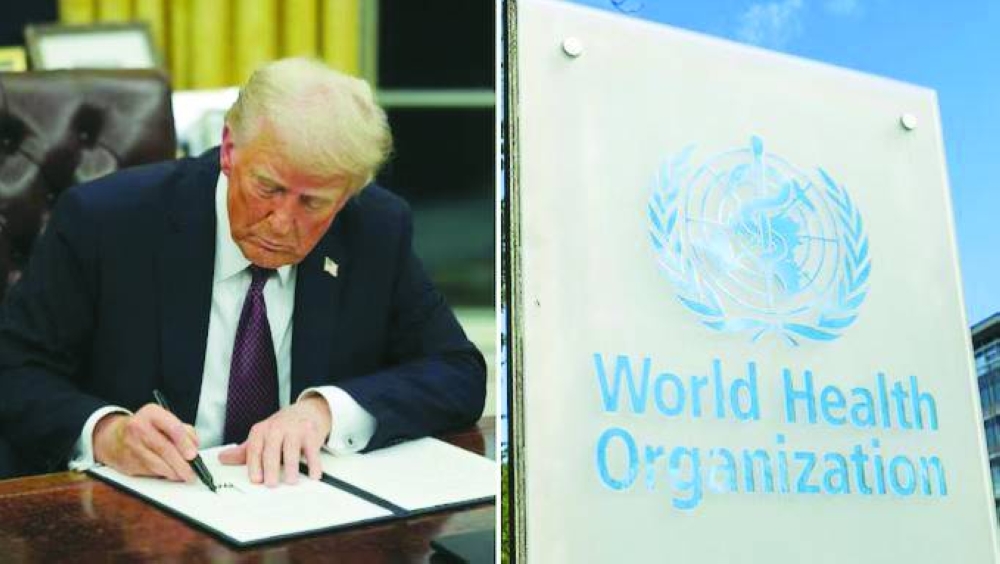
MoPH, WHO develop modern occupational medicine programme

The Ministry of Public Health (MoPH) has developed an advanced occupational and environmental medicine programme in collaboration with the World Health Organisation's (WHO) Regional Office for the Eastern Mediterranean. The programme is one of the outputs of the occupational health objectives outlined in the Second National Health Strategy.MoPH said that a work plan has been established to implement the advanced programme as part of the Occupational Health and Safety (OHS) Initiative, a priority under the National Health Strategy 2024-2030.A scientific committee, comprising MoPH staff, an expert from the WHO Regional Office for the Eastern Mediterranean, and WHO representatives, was formed to study and outline a mechanism for the programme's national implementation and to identify trainees, targeting specialists and consultants in occupational medicine, family medicine, and community medicine.The advanced occupational and environmental medicine programme is the first of its kind in the WHO Eastern Mediterranean Region.In this context, the MoPH recently organised a training workshop for trainers on the advanced occupational and environmental medicine programme, in collaboration with the WHO Regional Office for the Eastern Mediterranean and the WHO Country Office in Qatar.The workshop was part of the strategy to build national capacity in the field of occupational health in Qatar. The Ministry's Occupational Health Section, in partnership with the WHO, developed the advanced occupational and environmental medicine curriculum to equip healthcare professionals with the skills necessary to identify and manage occupational injuries and diseases, as well as to conduct occupational and environmental exposure assessments.The workshop aimed to update knowledge and skills in occupational and environmental medicine by sharing experiences among participants from diverse work environments. It reviewed and clarified concepts such as occupational diseases and work-related illnesses, standardised the understanding of occupational health and safety concepts, and addressed professional practices in preventive and therapeutic occupational and environmental medicine. It also identified challenges in applying these practices at the national level.In his opening remarks at the workshop, Acting Director of the Health Promotion Department at MoPH, Dr Salah Alyafei welcomed WHO representatives and praised the collaboration between the Ministry, the WHO Regional Office for the Eastern Mediterranean, and the WHO Country Office in Qatar in achieving the Qatar National Vision 2030.He emphasised that this training reflects the Ministry's commitment to improving the health and well-being of workers, noting that workers' health directly contributes to the growth and development of the national economy and promotes sustainable development.In turn, WHO Representative in Qatar Dr Rayana Bou Haka highlighted the importance of the training workshop in achieving one of the shared objectives between the WHO and MoPH, such as implementing programmes to enhance knowledge and skills for addressing and preventing workplace risks across various sectors. She noted that lessons from the Covid-19 pandemic underscored the need to improve response plans to protect workers.For her part, Occupational Health Officer at the WHO Regional Office for the Eastern Mediterranean Dr Rola Imam commended Qatar for leading the training of trainers in implementing the advanced occupational and environmental medicine programme.Head of the Occupational Health Section at MoPH Dr Mohammed Ali al-Hajjaj, stated that the workshop was part of the action plan for building the capacity of health practitioners, which includes various training phases to enhance knowledge in occupational and environmental medicine among primary healthcare physicians and other specialists, thus supporting and improving occupational health practices and service delivery.

An aircraft is silhouetted as it flies over the Hong Kong International Airport. International flights into Shanghai, Beijing and Hong Kong are set to jump in 2025, almost completing the cities’ recoveries to pre-pandemic totals.
Business

Where you’ll fly in 2025: More to Shanghai and less to New York

International flights into Shanghai, Beijing and Hong Kong are set to jump in 2025, almost completing the cities’ recoveries to pre-pandemic totals. It’s a different story in the rest of the world as the industry navigates cost-of-living crises, broken supply chains and regional conflicts.Cathay Pacific Airways Ltd’s services into Shanghai, China’s financial heart, are set to surge 48% to more than 4,000 in the 12 months through November next year, according to airline schedules compiled by Cirium. Air China Ltd, China Southern Airlines Co and Hainan Airlines Holding Co are among others planning to operate hundreds more overseas flights into Beijing versus the previous 12 months, the data show.With foreign visitor numbers to China still in the doldrums, Chinese carriers inevitably account for many of the additional international services. More Chinese citizens are venturing overseas and back following a post-Covid domestic travel boom.Meanwhile, international air traffic to established hubs such as London, Dubai and Doha will falter or even reverse next year, the schedules indicate. In New York, the volume of incoming overseas flights will decline in the year through November, the Cirium data show. That would be the first decrease since the pandemic halted global travel in 2020.The schedules reflect an aviation industry operating at different speeds and facing an array of challenges. Passenger demand next year will be strongest in the Asia-Pacific region, which emerged from Covid later than Europe and the US and is therefore coming off a lower base, according to the most recent outlook from the International Air Transport Association.“It’s a very fractured market — but it’s still showing growth as far as the Chinese recovery is concerned,” said Subhas Menon, director general of the Association of Asia Pacific Airlines. “The fly in the ointment is really the supply chain issues affecting the industry.”Flight network growth at many airlines, particularly those in the US, continues to be limited by Boeing Co.’s production woes and shortfalls in the supply of engines and other critical components in the wake of the pandemic. Airlines expect these problems to be a constraint beyond 2025.Also in China’s favour is the decision by the US to ease its travel warning last month. The US travel advisory for China now matches the designation for countries such as France, Germany and India. China’s protracted rebound has made Shanghai Pudong the world’s fastest-growing airport, according to OAG data.Asia dominates this month’s rankings of the world’s busiest overseas routes, too.Pockets of weakness aside, a record 5.2bn passengers will still take to the skies in 2025, according to IATA, pushing airline industry revenue past $1tn for the first time.According to Subhas, many US carriers have little incentive to operate more international flights because profitability on domestic routes is so good. Airlines that plan to run fewer overseas flights to New York include Virgin Atlantic Airways Ltd, British Airways and Deutsche Lufthansa AG, the data show.

USA's LeBron James (AFP/File Photo)
Sport

‘King’ James on top of his game at 40

NBA superstar LeBron James celebrates his 40th birthday on Monday, the milestone carrying him to yet another first in a league in which he has starred for more than two decades - with the clock still running. The Los Angeles Lakers great will become the first NBA player ever to play in his teens, 20s, 30s and 40s.A four-time champion, four-time NBA Most Valuable Player and four-time Finals MVP, James continues to excel. In his 22nd season he’s averaging 23.5 points, nine assists and 7.5 rebounds per game.Having surpassed Kareem Abdul-Jabbar as the league’s all-time scoring leader in February of 2023 he has taken his total to 41,131.Still in his sights is the record for baskets made - James’s 15,088 trailing Abdul-Jabbar’s 15,837 - and the record for most games played. With 1,520 he’s fifth on that list topped by the 1,611 of Robert Parish.“It’s just commitment to the craft and to the passion and love I have for the game,” James said when he set the minutes-played mark on December 19.“It’s kind of mind-boggling just to be in this position coaching him, playing against him for 15 years, taking three years of calling his games and then he’s still playing at this level,” said JJ Redick, the 40-year-old who played 15 seasons in the NBA then served as a TV commentator before being named head coach of the Los Angeles Lakes in June.“Feels like he’s just been doing this forever, and not a small stretch in human history - but forever. And that just speaks to his competitive stamina and love of the game.”James’s longevity allowed him to achieve a cherished dream this season, playing alongside son Bronny James as they became the first father-son duo to play together in a regular-season game.The Lakers’ decision to draft the largely untried Bronny James -whose collegiate career was disrupted by a frightening heart attack that revealed a congenital heart defect - sparked backlash.But James said in September that the chance to play alongside his son, and his role in helping the United States defend their Olympic title in Paris, had reinvigorated him.“Gives you a lot of life,” James said, and that’s surely just what the Lakers wanted to hear from the player who signed a new two-year contract worth a reported $100mn in July.Whether he’ll go on that long remains to be seen. James’s interests off the court are constantly expanding. As a partner in the Fenway Sports Group that owns Liverpool FC, James has shares in the English Premiership club as well as Major League Baseball’s Boston Red Sox and the National Hockey League’s Pittsburgh Penguins.His entertainment firm the SpringHill Company has made him a player in Hollywood and Forbes estimates that James is the first basketball player to become a billionaire ($1.2bn) during his career.When his playing days are over, James has said, he wants to become an NBA owner, preferably in Las Vegas. But first there’s the pursuit of a fifth title.James won back-to-back titles with the Miami Heat in 2012 and 2013, then returned to his hometown Cleveland Cavaliers and led them to the crown in 2016.But he hasn’t won a ring since 2020, when the Lakers triumphed in the league’s “Covid bubble” in Orlando.The Lakers have since been disappointing, reaching the Western Conference Finals in 2023, but being eliminated in the first round of the play-offs last spring.They have struggled to build momentum this season and James looked his age as he battled through a shooting slump that saw him miss all 19 of his three-point attempts in one four-game stretch. He has also missed games with a foot injury and illness and seen his points in the paint and efficiency in transition diminish. But James delivered a classic on Christmas Day, scoring 31 points and handing out 10 assists as the Lakers edged the Golden State Warriors.Redick sounds in awe of James’s ability to keep rising to the demands of the game.“For guys like him ... the Tom Bradys of the world, the Roger Federers of the world, it’s hard to comprehend having that level of sustained excellence for so long because of the toll that it takes on all of you, not just on your body.”


People walk at a shopping centre in Beijing on Wednesday. China revised upwards yesterday the size of its economy by 2.7%, but said the change would have little impact on growth this year, as policymakers pledged more stimulus to spur expansion in 2025.
Business

China revises up 2023 GDP, sees little impact on 2024 growth

China revised upwards yesterday the size of its economy by 2.7%, but said the change would have little impact on growth this year, as policymakers pledged more stimulus to spur expansion in 2025.Policy support late this year has set the world’s second-largest economy on track for a growth target of “around 5%” as activity warmed slightly, but challenges such as potential US tariff hikes still weigh on prospects for next year.Gross domestic product (GDP) in 2023 was raised by 3.4tn yuan to 129.4tn ($17.73tn), Kang Yi, the head of the National Bureau of Statistics, told a press conference, while releasing the fifth national economic census.He did not explain the reasons for the 2023 revision, but said the bureau would provide further details on its website within days.China’s economy has “withstood the test of multiple internal and external risks over the past five years, and maintained a generally stable trend while progressing,” Kang said.In previous five-yearly economic censuses, China revised up the size of the economy for 2018 by 2.1% and for 2013 by 3.4%.The fifth economic census carried out over the past five years encompassed the three years of the Covid-19 pandemic, which had a significant impact on the economy, Kang added. The international environment had witnessed “profound and complex changes” since the previous such census, he said.The revision of 2023 GDP would not have a significant impact on China’s 2024 GDP growth rate, Lin Tao, the bureau’s deputy head, told the same briefing, however.On Thursday, the World Bank raised its forecast for China’s economic growth in 2024 and 2025, but warned that subdued household and business confidence, along with headwinds in the property sector, would keep weighing it down next year.The economic census will provide important data to help formulate tasks for China’s 15th five-year plan from 2026-2030, and help achieve its 2035 goals, Kang said, without elaborating.President Xi Jinping’s vision of “Chinese-style modernisation” envisages doubling the size of the economy by 2035 from its 2020 level.Government economists estimate that would require average annual growth of 4.7%, a target many analysts outside China consider overly ambitious.At an agenda-setting meeting this month, Chinese leaders pledged to increase the budget deficit, issue more debt and loosen monetary policy to support economic growth next year in expectation of more trade tensions with the US when President-elect Donald Trump takes office in January.Last week Reuters reported that the leaders agreed to raise the budget deficit to 4% of gross domestic product next year, its highest on record, while maintaining an economic growth target of around 5%.The economic census showed the number of business entities in the secondary and tertiary industries at the end of 2023 rose 52.7% from the end of 2018, but growth of employment lagged, at 11.9%.The economic census showed changes in China’s job market, with 25.6% more people employed in the tertiary industries at the end of 2023 than at the end of 2018, but secondary industries had 4.8% fewer employees.As a severe property crisis hobbles a macroeconomic rebound, employees of property developers fell 27% to 2.71mn by the end of 2023 against the corresponding 2018 figure, the economic census data showed.


Britain’s Prime Minister Keir Starmer. (AFP/File Photo)
Opinion

Good growth requires getting public-private partnerships right

The United Kingdom’s Labour government has given serious thought to the public investment needed to get the economy back on track after 14 years of austerity, neglect of social infrastructure, and capital flight triggered by Brexit and uncertain economic conditions. It understands that the situation demands a new strategy to tackle big problems like child poverty, health inequities, a weak industrial base, and struggling public infrastructure.What should this look like? The UK Department for Business and Trade’s recent industrial strategy “green paper”, Invest 2035, is a promising start. However, in my own response during the public consultation period, I stressed that an industrial strategy should be oriented around key “missions” like achieving net-zero emissions, rather than around specific sectors, as the government appears to be doing. While the government has set itself five “missions”, they seem more like goals with some targets, rather than being central to the way government and industry work together.For Labour to deliver on its agenda, it must get its public-private partnerships right. Historically, public-private collaborations in the UK have involved the state overpaying and the private sector underdelivering. Following the Brexit referendum, for example, the government secretly gave Nissan £61mn ($76mn) to build new cars in the UK. But Nissan still abandoned a planned expansion at its Sunderland plant, and the promised jobs never materialised.Likewise, under the failed “private finance initiative” schemes of the 1990s, the state would pay inflated sums to private contractors to operate public services such as prisons, schools, and hospitals before handing them back to the state, often in poor condition and without any clear improvement to the service. This approach was widely used in the construction of National Health Service hospitals, with the first 15 contracts generating £45mn in fees – some 4% of the capital value of the deals – for advisers across the public and private sector. A UK Treasury analysis later showed that the general costs of PFIs were double that of government borrowing.Fortunately, many public-private partnerships globally have produced more positive results. Germany’s national development bank, KfW, offers low-interest loans to companies that agree to decarbonise. Similarly, the French government’s Covid-19 bailout of Air France was conditional on the carrier curbing emissions per passenger and reducing domestic flights; by contrast, the UK bailed out easyJet with no strings attached.In the US, the CHIPS and Science Act required companies that benefit from public funds to commit to climate and workforce development plans, provide childcare, and pay a living wage. Preference is also given to companies that reinvest profits instead of using share buybacks.The UK does have some experience in shaping markets around clear goals. In developing the Oxford/AstraZeneca Covid-19 vaccine, the government used a risk- and reward-sharing model in which it provided 95% of the funding in exchange for certain commitments from the company. AstraZeneca would provide the first 100mn doses to the UK and allow the government to donate and reassign surplus vaccines.Similarly, Octopus Energy’s acquisition of energy supplier Bulb allowed the UK government to reap £1.5bn in profit as Octopus repaid the public support it had received through an earlier profit-sharing deal. This agreement safeguarded jobs and prevented consumers from incurring any extra costs.With a mission-oriented strategy, the Labour government could scale up and systematise this type of public-private engagement. Rather than being “unreservedly pro-business,” as it claims to be in its green paper, it should ensure that public investment targets clear objectives: to crowd in private capital, create new markets, and increase long-term competitiveness.Consider the UK’s net-zero-emissions target, which is not only about clean power but also about how we eat, move, and build. The state has a crucial role to play as a first-mover, shaping markets so that private incentives are aligned with public goals. Yet judged by this standard, recent moves by the Labour government appear to fall short.For example, Prime Minister Keir Starmer’s deals with Macquarie (an investment bank), Blackstone (asset management), and others raised more than £60bn without setting clear, outcomes-oriented expectations or ensuring that both risks and rewards are shared. Equally, the government’s support of carbon capture and storage (to the tune of £22bn so far) allows funds to flow to incumbent oil giants without holding them accountable in the green transition.These deals are structured to achieve growth at any cost, when what the UK really needs is growth that is inclusive and sustainable. That requires better corporate governance to prevent situations like Thames Water (a water and waste utility) being saddled with over £2bn in debt after Macquarie became a major shareholder in 2006.As I’ve said before, growth itself is not a mission; it is the result of public and private investment, and good growth is a result of directed investment. If the UK’s climate transition is going to deliver for people and planet over the long term, the government’s engagement with the private sector must reflect confidence, not capitulation. This can start by deploying tools that the government already has. The new National Wealth Fund and Great British Energy (a publicly owned clean-energy company that is expected to launch early next year) could make a huge difference, but only if policymakers get the implementation right.For example, the National Wealth Fund should introduce conditionalities for public investments; provide public access to intellectual property and patents for research; create subsidies and other incentives for mission-aligned investments; and use loan guarantees and bailouts to move companies toward decarbonisation, improved working conditions, and fewer share buybacks. Procurement is also a strong lever, because it represents one-third of the government’s total spending and can direct investment toward strategically important goals.Ultimately, the UK government must shift from a sectoral approach to a mission-oriented one that embraces a confident, outcomes-oriented form of public-private partnership, incentivising the private sector to do its part. Labour understands the problem, but its proposed solution still needs some work. – Project SyndicateMariana Mazzucato is Professor in the Economics of Innovation and Public Value at University College London and author, most recently, of Mission Economy: A Moonshot Guide to Changing Capitalism (Penguin Books, 2022).