Search - World Summit for Social Development

Friday, October 16, 2026 | Daily Newspaper published by GPPC Doha, Qatar.

Search Results for "World Summit for Social Development" (360 articles)

All words
In her opening remarks, HE the Minister of Education and Higher Education Lolwah bint Rashid AlKhater said: "As part of its comprehensive educational policy, the Qatar Ministry of Education and Higher Education is committed to promoting social responsibility within the public sector through a range of initiatives aimed at empowering Qatari youth.
Qatar

Qatar CSR Summit 2025 kicks off

Under the patronage of HE the Prime Minister and Minister of Foreign Affairs Sheikh Mohammed bin Abdulrahman bin Jassim al-Thani, Qatar CSR Summit 2025 kicked off Monday in Doha under the theme "Sustainability in the Digital Age".In her opening remarks, HE the Minister of Education and Higher Education Lolwah bint Rashid AlKhater said: "As part of its comprehensive educational policy, the Qatar Ministry of Education and Higher Education is committed to promoting social responsibility within the public sector through a range of initiatives aimed at empowering Qatari youth, encouraging their active participation in the community, and fostering the values of good citizenship."We believe that social responsibility is not limited to individuals alone, but also extends to government institutions, which serve as a model in effectively utilising resources and capabilities for the benefit of society."HE AlKhater reaffirmed the ministry’s dedication to advancing this approach through sustained collaboration with relevant stakeholders, with the ultimate goal of enhancing the quality of life and reinforcing Qatar’s global leadership in social responsibility.She explained that the conference falls within the framework of the National Social Responsibility Programme, appreciating Qatar University's interest in this field as a pillar of the academic community in Qatar. She said that the university actively participates through the pioneering initiatives it launches annually to create a positive impact on the local and regional community. It also seeks to instill human and social values ​​and enhance the status of Qatar as a role model regionally and globally.HE AlKhater emphasised that Qatar has worked to develop educational curricula that focus on human values ​​such as peaceful coexistence, justice, equality, and volunteer work, making education a powerful tool in activating social responsibility. The State's efforts have also included developing partnerships with non-governmental and international organisations and joining relevant international conventions, such as the UN Global Compact, as well as activating cooperation with institutions and organisations such as the UN Educational, Scientific and Cultural Organisation (Unesco) and others, with the aim of spreading the culture of social responsibility and directing it toward the areas of humanitarian and relief work, education, sustainability, and equality.Qatar is determined to continue this collaborative approach with all relevant institutions to improve the quality of life in society and strengthen Qatar's position on the global stage in the field of social responsibility, HE AlKhater added.She explained that today's distinguished event represents a unique platform to enhance this co-operation, exchange experiences, and showcase best practices, emphasising that the constructive dialogue during the conference will positively impact this regard.At the end of her speech, HE AlKhater thanked HE the Prime Minister and Minister of Foreign Affairs for his continued support for all pioneering community and scientific initiatives.She also congratulated HE Qatar Central Bank Governor Sheikh Bandar bin Mohammed bin Saoud al-Thani for winning the 2025 CSR Person of the Year in appreciation of his outstanding efforts and distinguished contributions to the field.In his welcoming speech, President of Qatar University Dr Omar al-Ansari said: "Qatar University's hosting of the Qatar CSR National Programme has enabled students to apply their academic knowledge to address real-world challenges, while fostering concepts of volunteering, community involvement, and environmental and social awareness. It has also contributed to the development of their leadership skills and empowered them to play an active role in improving their communities."Director of Trade Development and Investment Promotion at the Ministry of Commerce and Industry, Hamad Mohammed al-Nasr, said: "The ministry is dedicated to encouraging companies to actively contribute to community development by motivating them to adopt sustainable business practices that benefit all segments of society and ultimately contribute to the nation's prosperity."For his part, Chief Business Officer of QNB Group, Yousef Mahmoud al-Neama said: "As the largest financial institution in the Middle East and Africa, QNB Group remains steadfast in supporting the nation’s sustainability efforts by sponsoring key events and initiatives both in Qatar and beyond. Through this commitment, we strive to build a brighter future, leave a lasting legacy of sustainable development in the local communities where we operate, and ensure that corporate social responsibility practices are at the core of our strategic framework".He also noted that the group has made significant strides in achieving its corporate social responsibility goals, reinforcing its leadership as a financial institution committed to long-term sustainability and well-being. (QNA)####The conference will continue over the next two days with a series of interventions, panel discussions, and workshops featuring more than 75 speakers across 16 panel discussions, 14 presentations, and four workshops.Commenting on the conference agenda, Dean of the College of Business and Economics at Qatar University, Prof. Rana Sobh stated: "This year’s edition explores a range of key topics that play a vital role in advancing CSR practices by examining the strong links between digital innovation and sustainability. It focuses on how technology can contribute to achieving corporate social responsibility goals, while also highlighting ethical business practices, the role of digital technologies in promoting the circular economy, and exploring ways to harness artificial intelligence to enhance CSR".On behalf of the organizers, General Manager of Mubadara for Social Impact Jack Saba stated: "Qatar continues to make significant strides in cementing its regional leadership in social responsibility. The Qatar CSR Summit serves as a key platform for raising public awareness about CSR practices, strengthening sustainable public-private partnerships, and encouraging companies to strike a balance between profitability, social and developmental impact, environmental preservation, and sustainability".Meanwhile, General Manager of IFP Qatar, Haidar Mshaimesh, said: "The extensive participation in the Qatar CSR Summit clearly reflects the growing trend among Qatari companies to launch impactful CSR initiatives that contribute to national development. The exhibition highlights a variety of innovative solutions by leading companies in the CSR field, while the conference features panel discussions and workshops led by global experts in artificial intelligence, sustainability, business ethics, and digital inclusion. The event also includes the announcement of Qatar CSR award winners and the recognition of companies and entities delivering impactful initiatives in this vital field".

Gulf Times
Qatar

Arab League official praises Qatar's achievements in social development

Arab League's Assistant Secretary-General and head of social affairs sector ambassador Dr Haifa Abu Ghazaleh praised the achievements made by Qatar at the national level in the fields of social development and the family. In her speech during the work of the 42nd Meeting of the Council of Arab Ministers of Social Affairs, Dr Ghazaleh indicated that Qatar has witnessed a quantum leap in the areas of social development and the family, under the umbrella of the ministry concerned in this regard.She stressed the importance of the files and issues discussed by the meeting of Arab Ministers of Social Affairs in Doha, chaired by Qatar, praising the efforts made in preparing and arranging this meeting.Dr Ghazaleh explained that the work of this session included topics that represent a priority for joint Arab social development action, foremost among them are the preparation for the upcoming Arab Summit in Saudi Arabia, the Arab Economic and Social Development Summit in Mauritania, and the preparation for the Council's participation in a number of international forums, especially the United Nations Sustainable Development Summit. She also pointed out that the convening of this meeting comes after the end of the distinguished high-level event of the esteemed Council on Persons with Disabilities and Multidimensional Poverty and the Continuation of the Implementation of the 2030 Agenda for Sustainable Development and Beyond, which was held in Doha.Dr Ghazaleh affirmed that this event represents an important quantum leap in the work of the Council and within the framework of the Arab-international partnership and with regional organizations, calling for the implementation of its results in a way that achieves the desired goals, and enables the inclusion of the proposed Arab priorities after 2030. She drew attention to the growing Arab and international interest in social and development issues, especially after the world went through the Covid-19 pandemic, which changed priorities to focus more on people and their daily life in all its political, economic and social dimensions, adding that the work of the Council of Arab Ministers of Social Affairs focuses on these issues and it has been formulated in the draft agenda of the Council for the years 2023-2027, especially with regard to issues related to multidimensional poverty, persons with disabilities and the elderly.The opening session of the meeting witnessed interventions by a number of the Arab Ministers of Social Affairs, as they reviewed the achievements of the Arab countries in terms of realizing social development, especially those related to confronting poverty and promoting the rights of persons with disabilities, in addition to addressing the most prominent challenges facing development after Covid-19, and in light of the regional and global political and economic crises.The speeches of the ministers also stressed the importance of strengthening joint Arab action in the social fields of concern, especially with regard to supporting weak and fragile groups, confronting poverty, empowering women, and others. In their remarks, they congratulated Qatar on its great success in organising the FIFA World Cup Qatar 2022, its accompanying global humanitarian messages, and the opportunities it provided for persons with disabilities to enjoy the activities of the tournament at an unprecedented level in the history of the World Cup.

Dignitaries at the inauguration of the Qatar CSR Summit 2025 on Monday.
Qatar

Qatar CSR Summit 2025 inaugurated

Qatar CSR Summit 2025, being held under the patronage of HE the Prime Minister and Minister of Foreign Affairs Sheikh Mohammed bin Abdulrahman bin Jassim al-Thani, was inaugurated Monday by HE the Minister of Education and Higher Education Lolwah bint Rashid bin Mohammed AlKhater.The opening of the three-day event under the theme 'Sustainability in the Digital Age' at Qatar University’s (QU) Student Affairs Building, was attended by a large number of attendees, including representatives from ministries, government agencies, international organisations, businessmen, diplomats, academics and sponsors.In her opening remarks, HE AlKhater stated that as part of its comprehensive educational policy, the Ministry of Education and Higher Education is committed to promoting social responsibility within the public sector through a range of initiatives aimed at empowering Qatari youth, encouraging their active participation in the community, and fostering the values of good citizenship."We believe that social responsibility is not limited to individuals alone, but also extends to government institutions, which serve as a model in effectively utilising resources and capabilities for the benefit of society," she said while reaffirming the Ministry’s dedication to advancing this approach through sustained collaboration with relevant stakeholders, with the ultimate goal of enhancing the quality of life and reinforcing Qatar’s global leadership in social responsibility.In his welcoming speech, QU president Dr Omar al-Ansari, stressed that Qatar University's hosting of the Qatar CSR National Programme has enabled students to apply their academic knowledge to address real-world challenges, while fostering concepts of volunteering, community involvement, and environmental and social awareness. It has also contributed to the development of their leadership skills and empowered them to play an active role in improving their communities.Hamad Mohammed al-Nasr, director of Trade Development and Investment Promotion at Ministry of Commerce and Industry, said: “The Ministry is dedicated to encouraging companies to actively contribute to community development by motivating them to adopt sustainable business practices that benefit all segments of society and ultimately contribute to the nation's prosperity."Today, the success of companies is no longer solely defined by profitability; it now extends to their role in advancing social growth and development through their commitment to social responsibility. Qatar has established a developmental strategy as part of Qatar National Vision 2030, aimed at managing the environment in a way that ensures harmony and alignment between the goals of economic and social development and environmental protection.Achieving these objectives requires the business community's commitment to standards that ensure their operations and performance are aligned with this vision."Yousef Mahmoud al-Neama, chief business officer of QNB Group, stated: "As the largest financial institution in the Middle East and Africa, QNB Group remains steadfast in supporting the nation’s sustainability efforts by sponsoring key events and initiatives both in Qatar and beyond. Through this commitment, we strive to build a brighter future, leave a lasting legacy of sustainable development in the local communities where we operate, and ensure that corporate social responsibility practices are at the core of our strategic framework.”This was followed by the recognition of the CSR Person of the Year in Qatar, as the judging committee at QU named HE Sheikh Bandar bin Mohammed bin Saoud al-Thani, Governor of Qatar Central Bank (QCB), for the honour, in appreciation of his outstanding efforts and distinguished contributions to the field. HE AlKhater, accompanied by Dr al-Ansari, presented the honorary shield.The Conference and Exhibition will see a wide participation of governmental and semi-governmental agencies and private sector companies that come together to highlight the importance of corporate social responsibility for the future of society and business alike.The conference features a series of interventions, panel discussions, and workshops featuring more than 75 speakers across 16 panel discussions, 14 presentations, and four workshops.Commenting on the conference agenda, Prof Rana Sobh, dean of the College of Business and Economics at QU, said this year’s edition explores a range of key topics that play a vital role in advancing CSR practices by examining the strong links between digital innovation and sustainability.

Her Highness Sheikha Moza bint Nasser attending the opening day of Jadal with other dignitaries. PICTURES: Aisha al-Musallam
Qatar

HH Sheikha Moza attends Jadal 2026 multidisciplinary research summit

Her Highness Sheikha Moza bint Nasser, chairperson of Qatar Foundation, attended the opening day of Jadal -- Al-Mujadilah Centre and Mosque for Women’s annual research summit -- designed to build and extend research networks on topics related to the contemporary challenges and lived realities of Muslim women around the world.Jadal was also attended by Her Excellency Buthaina bint Ali al-Jabr al-Nuaimi, Minister of Social Development and Family, and other distinguished guests and dignitaries. Held at Al-Mujadilah, Jadal has welcomed over 100 delegates from North America, Europe, Asia, Africa, and the Middle East, bringing together Muslim women scholars, researchers, and practitioners from across the globe and providing a home for international female Muslim scholarship. They will explore the summit’s 2026 strategic theme, ‘Muslim Women Navigating Theology, Ethics, and Society’.The summit will explore the role of Muslim women within the Islamic intellectual tradition and examines how they draw from this living heritage to navigate and respond to contemporary challenges. Through dialogue, research, and public engagement, Jadal continues to advance scholarship rooted in faith, lived experience, and global perspectives.The opening remarks were delivered by Dr Sohaira Siddiqui, executive director of Al-Mujadilah, who emphasised the importance of bridging scholarly knowledge and community life. She spoke on the need for research that is both rigourous and accessible, and for institutions that place Muslim women at the centre of knowledge production, ethical inquiry, and public engagement.She said, “Al-Mujadilah was founded on a simple but demanding premise: that religious knowledge is a form of stewardship. It carries responsibility to history, to ethics, and to the community it serves. It must be rigourous yet accessible, principled yet responsive, rooted in tradition while attentive to context.“Jadal was conceived not simply as a conference, but as a conversation, one that unfolds over time, across disciplines, and within our Muslim community.”During the summit, a new partnership between the Ministry of Social Development and Family and Al-Mujadilah was launched, marking a shared commitment to highlighting women’s contributions in Islam across history and in contemporary life. Rooted in awareness and renewed impact, the partnership will deliver a series of public initiatives aimed at deepening understanding of women’s roles in shaping knowledge, community, and society, grounded in faith, values, and lived experience.The collaboration was announced in the presence of HE al-Nuaimi, who shared reflections on women, community, and social development. ‘More Muslim’, a new narrative audio documentary podcast exploring the Muslim experience in all its complexity and depth, was also launched during Jadal.Blending storytelling and historical reflection, the series takes listeners on transhistorical journeys into themes that have shaped, and continue to shape, Muslim life in the modern world. This first season, produced by Al-Mujadilah, examines the lived experiences of Muslim women, sharing thoughtful, layered stories that illuminate faith, culture, and belonging beyond simplified narratives.Across the three days of Jadal 2026, panels and sessions are exploring themes including women’s agency and ethical leadership in Islamic history and civilization, as well as their normative authority and intellectual contributions from the inception of Islam to the present day. 

Gulf Times
Qatar

GCC Summit condemns attack on Gaza, affirms support for Palestinian people

The Supreme Council of the Gulf Cooperation Council issued the concluding statement of the forty-fourth Gulf Summit held today in Doha. In this statement, the Council expressed solidarity with the Palestinian people, condemning the aggression against Gaza. They urged the international community to halt the war on Gaza and praised the State of Qatar's efforts, in partnership with the Arab Republic of Egypt and the United States of America, reaching in a humanitarian pause to alleviate the dire humanitarian conditions in the region, to release detainees, allow more humanitarian aid convoys, including fuel for essential needs.The Council, in the concluding statement of the Doha Summit, extended congratulations to His Highness the Amir Sheikh Tamim bin Hamad Al-Thani, for assuming the presidency of the current session. They expressed appreciation for his opening speech, emphasizing the importance of enhancing cooperation among the Council's member states across all domains. The Council also conveyed deep gratitude for the significant and sincere efforts of HM Sultan Haitham bin Tariq of Oman and his government during Oman's presidency of the forty-third session, recognizing substantial progress and noteworthy achievements made during that period.The Council commended the joint extraordinary Arab and Islamic summit convened by Saudi Arabia on Nov. 11 to address the Israeli aggression against the Palestinian people, particularly in Gaza. It highlighted the efforts of the ministerial committee, chaired by Saudi Arabia's Minister of Foreign Affairs, aimed at formulating an international initiative to halt the war in Gaza. This initiative seeks to push for a genuine and comprehensive political process for enduring peace based on recognized international references.The Council commended the joint extraordinary Arab and Islamic summit convened by Saudi Arabia on Nov. 11 to address the Israeli aggression against the Palestinian people, particularly in Gaza. It highlighted the efforts of the ministerial committee, chaired by Saudi Arabia's Minister of Foreign Affairs, aimed at formulating an international initiative to halt the war in Gaza. This initiative seeks to push for a genuine and comprehensive political process for enduring peace based on recognized international references.Furthermore, the Council welcomed the outcomes of the 32nd Arab summit held in Saudi Arabia on May 19, 2023. It expressed hope that these efforts would contribute to de-escalation, cessation of targeting and forced displacement of Palestinian civilians, leading to a complete cessation of hostilities in Gaza. The Council emphasized the necessity for the international community to handle this issue without applying double standards.The Council also praised Qatar's prominent role in mediation, resulting in the release of detainees in both Iran and the United States. This underscores Qatar's position as a trusted international mediation partner.As for Turkiye's participation in the 44th Gulf Summit, the Council welcomed the esteemed guest, President Recep Tayyip Erdogan of Turkiye. Discussions focused on mutual interests, particularly the Palestinian issue and Israeli aggression on Gaza. Both sides emphasized the importance of enhancing cooperation within the framework of strategic dialogue between the Gulf Cooperation Council and Turkiye. They agreed on the significance of implementing joint action plans, expanding their scope, and strengthening their partnership.The Council extended heartfelt condolences to the victims of earthquakes in Morocco, southern Turkiye, and northern Syria. It expressed solidarity and support from the Gulf Cooperation Council countries for those affected, emphasizing their significant role in humanitarian and relief efforts.The Supreme Council of the Gulf Cooperation Council commended the progress achieved by the United Arab Emirates in the field of space exploration. Following the success of the UAE's Mars exploration project and the lunar exploration project, the UAE accomplished another milestone with the successful completion of the first long-term mission for Arab astronauts. This achievement marked the return of the Emirati astronaut, Sultan Al Neyadi, to Earth in early Sep. 2023. It stands as a historical accomplishment for the UAE, following the completion of the 'Zayed 2 Project,' a six-month mission aboard the International Space Station. The mission achieved numerous scientific milestones, notably the first spacewalk by an Arab astronaut outside the International Space Station.The Council also highlighted the progress made by the Kingdom of Saudi Arabia within its space program for astronauts, exploring and utilizing outer space for peaceful purposes. This progress includes sending Saudi astronauts in May 2023 and the development of national talents and capabilities through the exchange and transfer of expertise in this field. It aims to enhance research and development activities, accelerate the growth of space-related technologies, resulting in positive outcomes for knowledge development, scientific research, and practical applications. Additionally, the Council reaffirmed its support for the decisions of the OPEC+ group aimed at achieving balance in oil markets, supporting prosperity for the region's peoples and the world, and bolstering global economic growth.The Supreme Council congratulated the United Arab Emirates on hosting the COP28 Conference of the Parties to the United Nations Framework Convention on Climate Change. It praised the leading role undertaken by the UAE in confronting climate change, especially following the announcement by HH President of the UAE Sheikh Mohammed bin Zayed Al Nahyan, during the opening of the Heads of State Summit at the 28th Climate Conference on Dec. 1, 2023. The announcement included the establishment of a $30 billion global climate solutions fund, designed to bridge the climate financing gap, facilitate affordable access, and stimulate the mobilization and investment of $250 billion by 2030. Additionally, it declared the UAE's contribution of $100 million to the Climate Loss and Damage Fund.Moreover, the Supreme Council celebrated the victory of the Kingdom of Saudi Arabia in hosting 'Expo 2030,' affirming its support for this hosting. It considered the success of this global event as a success for all countries and peoples of the council. Through organizing major events that promote cultural dialogue and facilitate communication, it reinforces the region's position as an international business hub. It expressed support for Saudi Arabia's hosting of the FIFA World Cup in 2034, wishing them success in hosting this global sporting event.Furthermore, the Supreme Council extended congratulations to Qatar on the opening of 'Expo Doha 2023' for gardening, themed 'Green Desert... Better Environment.' It wished Qatar success in hosting this event to provide innovative solutions to combat desertification, support agriculture, promote environmental awareness, and ensure the sustainability of desert regions.The Supreme Council of the Gulf Cooperation Council (GCC) reviewed the report of the General Secretariat regarding the progress made in implementing the vision of the Custodian of the Two Holy Mosques, King Salman bin Abdulaziz Al Saud, to enhance joint GCC action. This vision was endorsed by the Supreme Council in its 36th session in December 2015. The Council emphasized the complete, precise, and continuous implementation of the Custodian of the Two Holy Mosques' vision, including completing the elements of economic unity, the joint defense and security systems, coordinating positions to enhance solidarity and stability of the Council's countries, preserving their interests, avoiding regional and international conflicts, meeting the aspirations of their citizens, enhancing their regional and international roles through unifying political stances, and developing strategic partnerships with the international community, regional and international organizations, sisterly and friendly countries.The Supreme Council directed the specialized bodies, ministerial and technical councils, the General Secretariat, and all Council's agencies to redouble efforts to complete the remaining steps to implement the Custodian of the Two Holy Mosques' vision within a specified timeline and with meticulous follow-up. It tasked the General Secretariat with submitting a detailed report on this matter for the upcoming session of the Supreme Council.The Council reviewed the consultations on implementing the decision of the Supreme Council in its thirty-second session regarding the proposal of the Custodian of the Two Holy Mosques, King Abdullah bin Abdulaziz Al Saud (may God have mercy on him), to transition from the stage of cooperation to the stage of union. It directed the continuation of efforts to move from the stage of cooperation to the stage of union and tasked the ministerial council and the head of the specialized authority to complete the necessary procedures and present the outcomes to the next session of the Supreme Council.Moreover, the statement expressed its keenness on the strength and cohesion of the GCC, unity among its members, achieving more coordination, integration, and interconnection in all fields to meet the aspirations of its citizens. It reiterated the unity of its countries in facing any threat to any of them.The Supreme Council reviewed the developments in joint Gulf work, expressing satisfaction with the steps taken to achieve integration among the Council's countries. It directed the competent bodies in the member states, the General Secretariat, ministerial and technical committees to intensify efforts to complete the requirements of the customs union, finalize the establishment of the common Gulf market according to previous decisions, and expedite achieving economic unity among the GCC countries.The Supreme Council adopted the unified mandatory volunteer work law, extended the Inputs and Organic Products Law, and approved the rules for preventing and protecting against domestic violence, exploitation, and harm within the GCC countries, affirming the principles stated in the Human Rights Declaration for the GCC countries and in line with relevant regional and international conventions and agreements. It also approved the Muscat Document on Child Protection Rules during the investigative stage as mandatory.Additionally, the Supreme Council expressed satisfaction with the outcomes of the seventeenth regular meeting of Their Excellencies and Their Honors the Presidents of the Legislative Councils (Shura, Representatives, National, and Nation) in the GCC countries, held in Qatar (November 2023), appreciating the efforts made by the member countries' councils to contribute to enhancing joint Gulf work. Regarding environmental protection, climate change, and renewable energies, the Supreme Council of the Gulf Cooperation Council (GCC), in its concluding statement of the 44th GCC Summit, affirmed its adoption of the fundamental pillars of energy transitions (energy security, economic development, and climate change). This is through the continuation of sustainable investments in hydrocarbon resources to maintain stability in global energy markets, considering technological advancements by adopting the circular carbon economy approach as a comprehensive method to address challenges arising from greenhouse gas emissions. The Council emphasized managing these emissions using all available technologies and innovations to ensure the effectiveness, coherence, and alignment of these fundamental pillars.The Council commended the achievements and efforts of the member states in the four pillars of the circular carbon economy (reducing, reusing, recycling, and removing emissions) encompassed by the Saudi Green Initiative and specific national contributions of GCC countries (such as renewable energy projects, energy efficiency, clean hydrogen production, carbon capture, storage, and utilization, and nature-based carbon removal solutions). It urged cooperation among GCC countries to apply the circular carbon economy approach in policies, mechanisms, strategies, plans, and related initiatives, including specific national contributions, affirming the enhancement of joint efforts to maximize the impact of GCC countries' efforts and initiatives in energy transition and climate change. This involves activating cooperation, exchanging expertise, and developing capacities with regional countries under the Green Middle East initiative.Concerning joint military and security work, the Supreme Council approved the decisions of the Joint Defense Council in its 20th meeting held on Nov. 21, 2023, emphasizing the importance of enhancing joint military work. It reviewed the progress of joint military work in its various aspects and aimed to achieve collective military integration among the armed forces of GCC countries. It also acknowledged the continued joint military work through the unified military command, its units, and affiliated centers, along with joint exercises and coordination meetings for exercises during 2023.Additionally, the Supreme Council approved the decisions of Their Highnesses, Excellencies, and Ministers of Interior in their 40th meeting held on Nov. 8, 2023, affirming the importance of enhancing joint security work.The Supreme Council endorsed the unified guidance law for combating drugs and psychotropic substances, expressing gratitude for the efforts of agencies combating drugs, involving joint initiatives to monitor emerging criminal phenomena, exploitation of social media, and modern technology in drug trafficking operations targeting GCC countries.The Council welcomed the efforts of the Committee of Interior Ministers regarding the unified tourist visa and adopted the outcomes concerning this matter, authorizing the Interior Ministers to take necessary measures for implementation.The Supreme Council expressed its support for the initiative of the Kingdom of Saudi Arabia, the European Union, and the Arab League to revive the peace process in the Middle East, in collaboration with the Arab Republic of Egypt and the Hashemite Kingdom of Jordan. It called on the international community to intervene to halt the targeting of Palestinian presence in Jerusalem, the expulsion of Palestinians from their homes in East Jerusalem, attempts to alter its legal status, demographic composition, and the arrangements pertaining to Islamic holy sites. It opposed attempts to impose Israeli sovereignty in contravention of international law, existing international resolutions, and agreements on this matter, emphasizing the necessity to refrain from unilateral actions.The Council condemned the decision of the Israeli government to arm Israeli settlers in the West Bank under official and military protection, resulting in further crimes against Palestinian civilians, targeting their homes, towns, properties, and sacred sites. It also condemned the racist and extremist statements and speeches against the Palestinian people made by several officials in the Israeli government, a clear violation of international humanitarian law, United Nations resolutions, and Security Council Resolution 2686 dated Jun. 14, 2023, regarding countering hate speech and extremism to prevent conflicts.Additionally, the Council condemned the repeated intrusions by Israeli officials and settlers into the courtyards of the blessed Al-Aqsa Mosque, a serious breach of international law and the historical and legal status in the noble Jerusalem and its sanctities, violating the sanctity of Al-Aqsa Mosque and provoking Muslim sentiments. It underscored that violations and continuous assaults on sanctities exacerbate tension and perpetuate a cycle of ongoing violence, commending the presidential statement issued by the Security Council on Feb. 20, 2023, rejecting the dangerous trends and policies pursued by Israel in the increasing settlement activity in the occupied Palestinian territories. It reaffirmed its rejection of any move to annex settlements in the West Bank to Israel, a blatant violation of the United Nations Charter, principles of international law, and United Nations resolutions, including Security Council Resolution 2334 of 2016, the Advisory Opinion of the International Court of Justice in 2004, and the Fourth Geneva Convention of 1949.The Council also denounced Israel's continued construction of settlement units in the occupied Palestinian territories, urging the international community to pressure Israeli authorities to retract their settlement decisions that defy international laws and resolutions.The Supreme Council acknowledged the efforts made by Arab countries to achieve national reconciliation to restore Palestinian national unity, reunification, and to secure the interests of the Palestinian people. It commended the generous aid provided by Council member states to support the activities of the United Nations Relief and Works Agency for Palestine Refugees (UNRWA) and called on the international community to increase its support in light of Israeli attacks on its facilities, enabling it to continue its mission until the return of Palestinian refugees.Regarding the fight against terrorism and extremism, the Supreme Council reiterated its firm positions and decisions against terrorism from any source, rejecting all its forms, motivations, and justifications, working to cut off its sources of funding and supporting international efforts to combat terrorism, emphasizing that tolerance and coexistence among nations and peoples are among the most important principles and values upon which Council societies are built and in their dealings with other peoples.The Council also condemned the repeated burning of copies of the Holy Quran in The Hague on Sep. 23, 2023, and in Malmo, Sweden, on Sep. 30, 2023, and in several European countries and others in recent times, allowing extremists to desecrate and burn copies of the Holy Quran. It emphasized the necessity of respecting religions and cultures, enhancing the humanitarian values guaranteed by international law, and the need to hold accountable those responsible for religious hate crimes, rejecting all actions aimed at spreading hatred and extremism.The Council praised the outcomes of the international conference hosted by the Kingdom of Saudi Arabia on August 13, 2023, under the title 'Engaging with Religious Affairs and Fatwa Authorities in the World,' aimed at consolidating solidarity and cooperation among Islamic countries to combat extremist ideologies, promote values of tolerance, and coexistence among peoples, affirming the lofty message it conveys in spreading the principles of moderation and balance.It also welcomed the outcomes of the exceptional meeting of the foreign ministers of member states of the Organization of Islamic Cooperation held on Jul. 31, 2023, called by the Kingdom of Saudi Arabia, the current summit chair, and the Republic of Iraq to discuss the repeated attacks on copies of the Holy Quran in Sweden and Denmark. It stressed the importance of solidifying values of dialogue and respect among peoples and cultures, rejecting anything that promotes hatred and extremism, calling for international efforts to promote these principles in all societies.The Council commended Security Council Resolution 2686 dated Jun. 14, 2023, which affirmed that hate speech, racism, racial discrimination, hostility toward foreigners, bias, and gender discrimination can contribute to the outbreak of conflicts, urging member states to condemn violence, hate speech, incitement, and extremism.It reaffirmed the resolution of the United Nations Human Rights Council dated July 12, 2023, on combating religious hatred that constitutes incitement to discrimination, hostility, or violence, condemning all forms of religious hatred, including incidents of burning and desecration of the Holy Quran, urging countries to adopt national laws, policies to prevent and combat religious hatred, and hold those responsible accountable.The Council praised the United Nations General Assembly resolution issued unanimously designating Mar. 15 as an International Day to Combat Islamophobia, to spread a culture of religious tolerance, dialogue, and coexistence, commending the results of the ministerial meeting of the Global Coalition to Counter ISIS held in Riyadh, Saudi Arabia, on Jun. 8, 2023, reaffirming the commitment of Council states to continue their efforts within the coalition, supporting international and regional efforts against all terrorist organizations.The Council emphasized the importance of enhancing the relations of the GCC with sisterly and friendly countries, working with regional and international organizations to combat terrorism and extremism and their dangerous effects and repercussions on the region, threatening Arab national security, destabilizing the region, hindering international efforts to combat terrorism, especially the efforts of the Global Coalition to counter ISIS. The Supreme Council, in its final statement of the 44th GCC Summit, reaffirmed its firm stances and previous decisions regarding the condemnation of Iran's continued occupation of the three islands (Greater and Lesser Tunbs, and Abu Musa) belonging to the United Arab Emirates. It reiterated support for the UAE's sovereignty rights over the same three islands as well as the UAE's territorial waters, airspace, continental shelf, and exclusive economic zone surrounding these islands, considering them integral parts of the UAE's territories. The Council deemed any decisions, practices, or actions by Iran on the three islands as invalid and ineffective, not altering the historical and legal facts that affirm the UAE's sovereignty over these islands. It called upon Iran to respond to the UAE's efforts to resolve the issue through direct negotiations or resorting to the International Court of Justice.Regarding the Dorra Gas Field, the Supreme Council affirmed that the entirety of the Dorra Gas Field lies within Kuwait's maritime territories, and that the ownership of natural resources in the submerged area adjacent to the Saudi-Kuwaiti divided area, including the entire Dorra Gas Field, is solely a joint ownership between the Kingdom of Saudi Arabia and the State of Kuwait. The statement added Both have exclusive rights to exploit the natural resources in that area, in accordance with international law provisions and based on the valid agreements between them. The Council firmly rejected any claims of rights by any other party in this field or the submerged area adjacent to the demarcated area between Saudi Arabia and Kuwait.Regarding relations with the Islamic Republic of Iran, the Supreme Council reiterated its firm positions and decisions concerning relations with Iran. It emphasized Iran's commitment to fundamental principles built on the United Nations Charter, international law treaties, good neighborliness, respect for state sovereignty, non-interference in internal affairs, peaceful dispute resolution, and the rejection of sectarianism. Additionally, the Council welcomed the agreement reached between the Kingdom of Saudi Arabia and the Islamic Republic of Iran in Beijing on Mar. 10, 2023, under the auspices of Chinese President Xi Jinping. This agreement involved the resumption of diplomatic relations between the two countries, reopening their missions, activating the security cooperation agreement, and the economic cooperation agreement between them. The Council expressed hope that this agreement would constitute a positive step towards resolving disputes, ending all regional conflicts through dialogue, diplomatic means, and establishing relationships based on mutual understanding, respect, good neighborliness, sovereignty respect, non-interference in internal affairs, and commitment to the charters of the United Nations and the Organization of Islamic Cooperation, along with international laws and norms.The Council also appreciated the efforts of the Sultanate of Oman and the Republic of Iraq for hosting the Saudi-Iranian dialogue rounds during 2021-2022, and the efforts of the People's Republic of China for sponsoring and hosting talks resulting in an agreement to resume Saudi-Iranian diplomatic relations. The Council looked forward to this step contributing to enhancing security and peace in the region.The Supreme Council expressed concern about the developments in the Iranian nuclear file, affirming its readiness to cooperate effectively on this issue. It emphasized the necessity of GCC countries' participation in all regional and international negotiations, meetings, and discussions on the Iranian nuclear issue. Besides the Iranian nuclear program, these negotiations should include all security concerns of the GCC countries, such as ballistic missiles, cruise missiles, drones, international navigation safety, and oil facilities. This approach aims to achieve common objectives and interests while respecting sovereignty, good neighborly policies, and adherence to UN resolutions and international legitimacy to ensure regional and international security and stability. The Council stressed the importance of Iran's commitment not to exceed uranium enrichment levels required for peaceful purposes and the necessity of fulfilling its obligations and full cooperation with the International Atomic Energy Agency (IAEA).The Supreme Council underscored the importance of maintaining maritime security and waterways in the region, countering activities that threaten the region and the world's security and stability. This includes targeting commercial ships, threatening maritime navigation routes and international trade, and endangering oil facilities in GCC countries.In relation to Yemen, the Supreme Council reaffirmed its full support for the Presidential Leadership Council headed by HE Dr. Rashed Mohammed Al-Alimi and the supporting entities to achieve security and stability in Yemen. This support aims to reach a political solution in accordance with the Gulf Initiative and its implementation mechanism, the outcomes of the Comprehensive National Dialogue Conference, and the UN Security Council Resolution 2216, to safeguard Yemens sovereignty, unity, territorial integrity, and independence. It welcomes the ongoing sincere efforts made by the Kingdom of Saudi Arabia, the Sultanate of Oman, and communications with all Yemeni parties to revive the political process, leading to a comprehensive and sustainable political solution in Yemen. It emphasizes the necessity of a ceasefire and the crucial engagement of the Houthis positively with international and UN efforts aiming to end the Yemeni crisis and earnestly address peace initiatives to alleviate the suffering of the Yemeni people.The Supreme Council reiterated its support for the United Nations efforts led by its Special Envoy to Yemen, Hans Grundberg, and the efforts of the US Special Envoy to Yemen Tim Lenderking, to reach a political solution in accordance with the three references. It commends the Yemeni governments commitment to renew the humanitarian ceasefire announced by the United Nations in Yemen and welcomes the UN Special Envoy's announcement on March 21, 2023, regarding the agreement between the Yemeni government and the Houthis to exchange 887 prisoners, in implementation of the agreement reached between the two sides in Stockholm in December 2018.It also called for international pressure on the Houthis to lift the blockade on Taizz city and open humanitarian crossings, as stipulated in the UN ceasefire. It appreciates the efforts of the UN Special Envoy to renew the ceasefire in line with the Saudi Arabia-initiated initiative announced in March 2021 to end the crisis in Yemen, halt the fighting, and achieve a comprehensive political solution. It urges the UN envoy to take a firm stance against the actions of the Houthis conflicting with the efforts of the United Nations and regional countries to bring peace to Yemen.The Supreme Council welcomed the issuance of UN Security Council Resolution 2707 on Nov. 14, 2023, reaffirming commitment to Yemen's unity, sovereignty, independence, and territorial integrity. It renewed the measures imposed under UN Security Council Resolution 2140, extended asset freezes and travel ban measures in Yemen until Nov. 15, 2024, and renewed the mandate of the expert team until Dec. 15, 2024. Additionally, it confirmed the provisions of UN Security Council Resolution 2216 and the resolutions of the Arab League Summit (32nd Ordinary Session) and the Jeddah Declaration on May 19, 2023, which reiterated support for ensuring the security and stability of the Republic of Yemen and meeting the aspirations of the Yemeni people.The Supreme Council also praised the announcement by the Kingdom of Saudi Arabia to provide economic support to the Republic of Yemen amounting to $1.2 billion. This support responds to the Yemeni government's request for assistance in addressing its current budget deficit, supporting salaries, operational expenses, and ensuring food security in Yemen. It commends the developmental projects and initiatives implemented by the Saudi Program for Development and Reconstruction of Yemen, totaling 229 developmental projects and initiatives in 7 core sectors including education, health, water, energy, transportation, agriculture, fisheries, and enhancing the capacities of governmental institutions, in addition to developmental programs.Furthermore, the Supreme Council praised the announcement by the United Arab Emirates of supporting recovery and rehabilitation projects for the current year with a sum of $325 million targeting healthcare, renewable energy, and agriculture sectors. Qatar pledged to establish 10 mobile schools to support student education in Yemen and signed an agreement worth 10 million Euro to expand the project supporting youth entrepreneurship and financial inclusion. Kuwait announced providing 3 additional grants worth $5 million through the Kuwaiti Fund for Arab Economic Development to support infrastructure sectors, economic recovery programs, and improve Yemeni port facilities. The Supreme Council reiterated the importance of the participation of sisterly and friendly countries in providing economic, humanitarian, and developmental support to the Republic of Yemen to alleviate the suffering of the Yemeni people.The Supreme Council also praised the achievements of the King Salman Humanitarian Aid and Relief Center for, along with the humanitarian support provided by the Office for Coordination of Humanitarian Affairs from the Gulf Cooperation Council to the Republic of Yemen. The Council commended all GCC countries for their humanitarian and developmental assistance to Yemen. Additionally, it recognized the efforts of the Saudi Project for Landmine Clearance (MASAM) in clearing Yemeni territories from landmines, having successfully cleared more than 420,823 mines, unexploded ordnance, and explosive devices, and purified 51,082,121 square meters of land in Yemen. These lands, booby-trapped with mines and unexploded ordnance, were indiscriminately planted by the Houthi militias, resulting in casualties among innocent children, women, and the elderly.The Council condemned the terrorist attack carried out by the Houthi militias, targeting the participating duty force from the Bahrain Defense Force in the Operation Restore Hope stationed at the southern borders of the Kingdom of Saudi Arabia, which led to the martyrdom of several brave soldiers and the injury of others. The council reiterated its full solidarity and support with the Kingdom of Bahrain and renewed its call to cease the continued flow of weapons to these militias and prevent their export to Yemeni territories, ensuring compliance with United Nations resolutions.The Council also condemned continued foreign interventions in Yemen's internal affairs, the smuggling of military experts and weapons to the Houthi militias, in blatant violation of UN resolutions 2216, 2231, and 2624. It noted the announcement by security agencies in Al Mahrah Governorate of referring 16 suspects involved in smuggling weapons and drugs into Yemen to the specialized public prosecution in Hadramout Governorate. Furthermore, it acknowledged the Yemeni Coast Guard's statement on Jan. 11, 2023, regarding the interception of a ship smuggling over two thousand weapons pieces by a vessel operating in the area under the command of the Fifth Fleet of the United States.The Council welcomed the United Nations' announcement of withdrawing 1.1 million barrels of crude oil from the floating tanker 'Safer' and urged the UN to expedite all remaining actions to address the 'Safer' tanker situation. It praised the efforts of Antonio Guterres, the UN Secretary-General, and the UN team, expressing appreciation for the generous financial support in financing this operation from donor countries, including Saudi Arabia's contribution of $18 million, Qatar's $3 million, and Kuwait's $2 million.Regarding the strategic partnership between the GCC and the Kingdom of Morocco, the Supreme Council emphasized the importance of this partnership, the implementation of the joint action plan, and its unwavering support for the territorial integrity of Morocco, ensuring the security and stability of the Kingdom of Morocco and its territorial unity. It commended the UN Security Council Resolution 2703 issued on October 30, 2023, regarding Western Sahara.The Supreme Council congratulated the Kingdom of Morocco on the International Federation of Association Football (FIFA) adopting the joint file of Morocco alongside Spain and Portugal for organizing the 2030 FIFA World Cup in football.Regarding Iraq, the Supreme Council reaffirmed its steadfast positions and decisions towards fraternal Iraq, supporting ongoing efforts to combat terrorism and achieve security and stability. It stressed the importance of preserving Iraq's territorial integrity, full sovereignty, Arab-Islamic identity, social fabric, and national unity, supporting the confrontation of terrorist groups and armed militias to uphold the state's sovereignty and law enforcement.The Supreme Council praised the positive and growing partnership between the Gulf Cooperation Council and Iraq, emphasizing progress in the electrical connection project to link Iraq with the electricity grid of the GCC countries, aiming for greater integration and interconnection between Iraq and the GCC countries, realizing their mutual interests and paving the way for further cooperation in the future.The Supreme Council condemned all terrorist operations targeting the Republic of Iraq, aimed at civilians and security forces, reaffirming its support for Iraq in combating terrorism and extremism. It condemned all external attacks targeting the Republic of Iraq, emphasizing the necessity of respecting the country's sovereignty, regional integrity, and reaffirming the GCC countries' unified stance alongside fraternal Iraq. On Sudan, the Supreme Council affirmed its firm stances and decisions regarding the importance of preserving Sudan's sovereignty, security, stability, and territorial integrity. It stands in support against the current crisis, emphasizing the necessity of calmness, dialogue, unity, lifting the suffering of the Sudanese people, preserving the national institutions' coherence, preventing their collapse, and thwarting any external interference that fuels conflict, threatening regional peace and security.The Council welcomed the resumption of talks between the representatives of the Sudanese Armed Forces and the Rapid Support Forces in Jeddah, Saudi Arabia, on Oct. 29, 2023, aiming to achieve a permanent ceasefire and facilitate the delivery of humanitarian aid.Additionally, the Council praised the announcement made by mediators (the Kingdom of Saudi Arabia, the United States of America, and the "EGAD" governmental body in conjunction with the African Union) on Oct. 29, 2023, committing to de-escalation, dialogue, and bridging Sudanese parties' perspectives. Also, acknowledging the statement issued on Nov. 7, 2023, by the Sudanese parties committing to facilitating humanitarian aid access, aiming to reach an agreement that spares the Sudanese people the woes of war and conflicts, fulfilling their aspirations, contributing to the country's security, stability, and overall prosperity in all sectors.The Council also recognized the outcomes of the Summit of Sudan's Neighboring Countries hosted by the Arab Republic of Egypt on Jul. 13, 2023, supporting all efforts aimed at restoring security, stability, and regional integrity, extending humanitarian aid and bridges from the Gulf Cooperation Council countries to alleviate the suffering of the Sudanese people, alongside aid from brotherly and friendly nations and international organizations.Regarding Afghanistan, the Council stressed the importance of restoring security and stability in the Islamic Republic of Afghanistan to meet the Afghan people's aspirations and benefit regional and international peace and security. It emphasized women's education and employment rights, minority protection, preventing Afghan lands' use by terrorist groups or drug trafficking. The Council commended Qatar's continued coordination of international efforts in Afghanistan and facilitating dialogue between the United Nations and concerned nations and the Afghan de facto authority to ensure adherence to the Doha Agreement.Furthermore, the Supreme Council expressed sincere condolences to the victims' families and the people of the Islamic Republic of Afghanistan due to the earthquake in western Afghanistan. It condemned all terrorist acts targeting civilians, schools, places of worship, hospitals, and affirmed solidarity in combating terrorism, enhancing security, stability, and offering continuous humanitarian aid to Afghanistan.Concerning the Russian-Ukrainian crisis, the Supreme Council reiterated its adherence to international law principles, the UN Charter, and maintaining the current international order, respecting states' sovereignty, territorial integrity, non-interference in internal affairs, and refraining from using or threatening force. It supported the Council's mediation efforts in resolving the crisis between Russia and Ukraine, calling for a ceasefire, political crisis resolution through dialogue, and negotiation.The Council commended Saudi Arabia for hosting a meeting of National Security Advisors and representatives of several countries and international organizations on Aug. 5, 2023, regarding the Ukrainian crisis. It recognized these initiatives and Saudi Arabia's positive endeavors to contribute to a permanent peace, alleviate the crisis's humanitarian effects, and the successful Saudi mediation in releasing a group of detainees from both sides. It also praised Qatar's mediation efforts in reuniting Ukrainian children with their families in Ukraine.Moreover, the Council acknowledged the humanitarian and relief aid provided by the Gulf Cooperation Council countries to Ukraine, emphasizing the importance of continuing the grain export agreement between Russia and Ukraine through the Black Sea, expressing support for facilitating grain and food exports to affected countries to ensure food security.Regarding strengthening strategic partnerships with countries and groups, the Council lauded the outcomes of the joint summit between the Gulf Cooperation Council and Central Asian countries hosted by Saudi Arabia in Jeddah on Jul. 19, 2023, and the joint summit between the Gulf Cooperation Council and the Association of Southeast Asian Nations (ASEAN) hosted by Saudi Arabia in Riyadh on October 20, 2023. It directed for the swift implementation of the agreed-upon items from these summits.The Supreme Council was informed of the outcomes of the strategic dialogue meetings between the Gulf Cooperation Council and several other countries and groups held this year, including ministerial meetings with the United States, the European Union, the Caribbean Community, the United Kingdom, and Japan. It instructed for the prompt implementation of resolutions and joint action plans agreed upon, strengthening partnerships with active countries and organizations worldwide.The Council also congratulated the Sultanate of Oman for successfully organizing the 27th Joint Council meeting between the Gulf Cooperation Council and the European Union in Muscat on October 9-10, 2023, establishing regular and organized dialogue between the Council's countries and the European Union in the regional security field. Additionally, it welcomed the European Union's joint declaration on the strategic partnership with the Gulf Cooperation Council.The Supreme Council welcomed the initialing of the free trade agreement between the Gulf Cooperation Council countries and the Islamic Republic of Pakistan, paving the way for its final signing, aiming to bolster economic relations with other countries and blocs, and achieving mutual trade and investment interests. It also welcomed the joint statement on resuming negotiations for the Free Trade Agreement with Japan.Concerning the upcoming session, the Council welcomed Kuwait's presidency of its 45th session.

2025-11-22-G20-South-Africa_for-events
Qatar

Qatar and Africa: A strategic vision for development, peace, and robust partnerships

The visit of His Excellency the Amir Sheikh Tamim bin Hamad Al-Thani to the Republic of Rwanda and the Democratic Republic of the Congo and his participation in the G20 Summit in South Africa, which begins today, embody the continuation of a strategic, gradual and institutional approach to deepening cooperation with the nations of the African continent.This approach is anchored in building strong political, economic, and humanitarian partnerships, as well as undertaking mediation efforts in numerous crises. Such actions reflect a vision grounded in mutual respect for state sovereignty and in fostering stability and development, aligned with Qatar’s foreign policy, which balances national interests with a steadfast commitment to supporting international and regional efforts to safeguard security and peace.For over two decades, Qatar has pursued a consistent path in strengthening its presence in Africa, recognizing the continent as the future hub of major investment and development opportunities, thanks to its vast natural resources, young human capital, and promising emerging markets.Doha recognized early on the continent’s strategic importance in the fields of energy, food security, investment, and development, making mediation and peacebuilding central pillars of its constructive engagement in the region.His Highness the Amir’s visit to Rwanda and the Democratic Republic of the Congo, and his participation in the G20 Summit, fit squarely within this expanding Qatari approach, aimed not only at reinforcing bilateral cooperation but also at advancing a broader vision of a balanced and responsible role that supports peace and promotes development through partnerships grounded in shared interests.Multiple strategic considerations drive Qatar’s focus on Africa. Geopolitically, the continent occupies a vital position along global trade routes and includes states that wield influence within regional and international organizations, making Africa an indispensable partner in shaping global decision-making and reflecting Doha’s commitment to meaningful engagement on African issues.Economically, Africa stands out for its high rates of demographic and economic growth and its abundant investment opportunities across infrastructure, energy, agriculture, and logistics, aligning with Qatar’s strategy to diversify its investment portfolio and enhance international economic connectivity.This vision is further shaped by a humanitarian and developmental dimension, as several African countries face significant challenges in education, healthcare, and infrastructure, areas in which Qatar plays a tangible role through its specialized institutions, including Qatar Fund for Development (QFFD), Qatar Foundation (QF), Qatar Charity, Education Above All (EAA), among others.As Qatar continues to strengthen its diplomatic and economic relations with African nations, the visits of HH the Amir Sheikh Tamim bin Hamad Al-Thani have been marked by strategic depth and comprehensive engagement. These visits have gone beyond the signing of official agreements to include extensive discussions on advancing multidimensional cooperation, enhancing investment opportunities, and supporting development projects.For instance, during his April 2017 visits to Ethiopia, Kenya, and South Africa, His Highness focused on bolstering infrastructure, education, and healthcare, as well as strengthening national economies and fostering joint investment opportunities. These visits also saw the signing of agreements in education, culture, and tourism, reflecting Qatar’s commitment to forging balanced and sustainable partnerships that benefit the peoples of these nations.Agreements were also signed during these visits in the fields of education, culture, and tourism, reflecting Qatar’s commitment to building balanced and sustainable partnerships that benefit the peoples of these countries.In December of the same year, His Highness also visited several West African countries that included Senegal, Guinea Conakry, Mali, Côte d’Ivoire, Burkina Faso, and Ghana, where discussions focused on strengthening economic and investment cooperation and advancing human development between Qatar and those nations.The visits resulted in the signing of cultural, sports, and educational cooperation agreements, in addition to tangible humanitarian projects, most notably the establishment of a Qatar-funded cancer treatment center in Burkina Faso and support for educational and health programs for children in underserved areas, reflecting Qatar’s commitment to sustainable development and its active contribution to improving quality of life.In April 2019, His Highness visited the Republics of Rwanda and Nigeria, where talks centered on enhancing economic and development cooperation, as well as supporting education, innovation, energy, agriculture, and infrastructure. The visits also witnessed the signing of several agreements and memoranda of understanding to strengthen bilateral partnerships.In a related context, the visit of HH The Father Amir Sheikh Hamad bin Khalifa Al-Thani to South Africa in May 2002 underscored the State’s ongoing commitment to building strategic partnerships founded on trust and mutual respect, a trajectory that positioned Qatar as an influential actor on the continent through combining official diplomacy with economic and humanitarian initiatives.Qatar maintained its active diplomatic approach grounded in constructive neutrality and preventive diplomacy, an approach clearly reflected in its efforts to secure a breakthrough in the peace process between Rwanda and the Democratic Republic of the Congo.On 18 March 2025, HH the Amir Sheikh Tamim bin Hamad Al-Thani held a meeting in Doha with the President of the Republic of Rwanda, Paul Kagame, and the President of the Democratic Republic of the Congo, Felix Tshisekedi, as part of efforts to de-escalate the situation in eastern DRC.This meeting marked the beginning of a de-escalation track between the two sides through Qatari mediation aimed at bringing their views closer and reducing tensions. It paved the way for the signing of a peace agreement between the two countries in Washington in June of the same year, under Qatari and American auspices.These efforts were later crowned by the signing of a "Declaration of Principles” in July between the Government of the DRC and the March 23 Movement (M23), further affirming Qatar’s standing as a trusted mediator in conflict resolution.The achievement received wide praise from the UN Security Council as well as several countries and international organizations, recognizing Doha’s active role in supporting peace, guided by a vision rooted in dialogue and international cooperation.These sustained mediation efforts also highlight Qatar’s role in creating conditions of stability that enable implementation of development and investment projects, along with a strong humanitarian orientation aimed at facilitating the delivery of aid and protecting civilians affected by conflict. This approach underscores Doha’s commitment to integrating diplomatic mediation with economic and social development, thereby contributing to long-term security and lasting peace.On the economic front, Qatar's policy in Africa is embodied in direct investments and institutional strategic partnerships, most notably in aviation and infrastructure. Qatar acquired a 60% stake in Rwanda's Bugesera International Airport project, designed to accommodate seven million passengers annually, with a second-phase expansion planned to increase its capacity to 14 million passengers by 2032.Qatar Airways also strengthened regional air connectivity, launching direct flights to Kinshasa in April 2024, which improved passenger and cargo movement and linked African markets to the hub of Hamad International Airport. This development supports trade and tourism exchanges while facilitating logistics and supply chains.In the financial and investment sector, Qatari entities entered into agreements with African financial institutions, including a memorandum of understanding between the Qatar Financial Centre and Rwanda Finance to open joint financial and investment channels. This aims to promote mutual recognition and foster an attractive investment environment. Additionally, Qatar Investment Authority and private-sector companies participated in energy and infrastructure projects across several African nations.In agricultural sector, countries such as Rwanda signed agreements with Qatari companies, including Hassad Food, to support agricultural investments and food security. This reflects Qatar's approach to strengthening food supply chains and boosting productivity by combining government and private-sector investment with air connectivity, creating a long-term platform that transforms political ties into tangible development projects.On the humanitarian and development front, Doha, through Qatar Fund for Development, Education Above All, Qatar Charity, and Qatar Red Crescent, launched extensive initiatives across the continent focused on education, healthcare, and community empowerment.In Rwanda, the Fund supported the "Zero Out-of-School Children" program, which integrated 177,119 children into the formal education system in collaboration with the Ministry of Education, international organizations, and local partners, alongside healthcare and rural development projects.In the Democratic Republic of the Congo, the Fund supported education and protection efforts for the most vulnerable children in partnership with UNICEF, allocating over USD 29 million to expand access to education in conflict-affected areas of eastern DRC. These initiatives reflect Qatar's ongoing commitment to facilitating humanitarian operations and ensuring aid reaches those most in need.This approach demonstrates Qatar's dedication to a development model that combines stability, community empowerment, and strengthening of infrastructure and essential services such as health and water, while integrating humanitarian work into sustainable development policies.Qatar also seeks to enhance institutional cooperation through African regional organizations, including the African Union, and actively participates in major summits and economic forums to exchange expertise and build long-term partnerships.Similarly, His Highness Sheikh Tamim bin Hamad Al Thani's participation in the G20 Summit in South Africa underscores Qatar's active and prominent presence on the international stage, reflecting the State's commitment to contributing to global efforts to advance sustainable development across Africa.Through this participation, Qatar aims to play an influential role in shaping a more inclusive international dialogue on African development, emphasizing integration of economic and social progress, supporting social justice initiatives, and building balanced, sustainable partnerships between Global North and South.The participation also reaffirms Qatar's commitment to sharing its investment and economic expertise to support development projects across the continent, opening new avenues for trade and investment cooperation that drive growth and foster comprehensive development in the region.The three dimensions, political, economic, and humanitarian, demonstrate that Qatar's approach to Africa is a strategic, phased choice, reflecting Doha's vision of expanding cooperation with Global South countries and promoting a development model rooted in participation and shared responsibility.His Highness's visits affirm that Qatar is confidently deepening its presence in Africa as a trusted partner in peace, development, and investment, at a time when global attention increasingly focuses on the continent as a central player in the future of the global economy.While Qatar strengthens its African partnerships in energy, infrastructure, education, and healthcare, it emphasizes that supporting development is inseparable from promoting stability and peace, and that a policy grounded in dialogue and constructive cooperation remains a cornerstone for building international relations based on mutual respect and shared interests.With each official visit by His Highness, these partnerships are further consolidated, positioning Doha as a bridge for dialogue and cooperation between the Arab world and Africa and highlighting its role as an effective diplomatic and humanitarian force in promoting security, stability, and development across the African continent.QNA 0645 GMT 2025/11/22

Jeremy Jauncey.
Qatar

Jeremy Jauncey to deliver keynote at 2023 Global Wellness Summit

Global Wellness Summit (GWS), the leading conference for the $4.4tn business of wellness, has announced Jeremy Jauncey, founder and chief executive of Beautiful Destinations, as a keynote speaker for its 17th-annual event taking place in Qatar from November 6-9.Jauncey, a British-born serial entrepreneur, travel writer and social media influencer with millions of followers on Instagram, is a prominent figure in the travel industry.The 'Financial Times' has called him the “world’s most influential traveller” and 'Fast Company' magazine voted Beautiful Destinations one of the most innovative companies in the world, with more than 50mn followers on social media.“Jeremy is not only one of the most influential individuals in international travel, but he’s also a leading advocate for sustainable travel and, specifically, wellness tourism,” said Cathy Feliciano-Chon, one of the GWS 2023 co-chairs and founder and managing director of CatchOn, a Finn Partners company. “He brings a level of understanding of the trends and opportunities within this fast-growing segment and can share his unique perspective on Mena (Middle East and North Africa)’s explosive growth in this sector.”Jauncey is a frequent speaker at high-profile events, including the World Travel Market, the World Travel & Tourism Council’s Global Summit and Skift Global Forum.Jauncey is also a passionate advocate for sustainability and conservation, and is an ambassador for the World Wildlife Fund.He has been asked to speak at several United Nations events, including the UN General Assembly and the UN Climate Summit.“Qatar is one of the fastest-growing hospitality markets in the world and is aiming to become one of the world’s leading tourism destinations, attracting 6mn visitors by 2030,” said GWS chief creative officer and executive director Nancy Davis. “Qatar’s wellness tourism ambitions make an incredible case study for Summit delegates and Jeremy is uniquely positioned to discuss the opportunities for wellness tourism in the Mena region.”“From the healing power of herbal remedies to the therapeutic rituals of traditional spa therapies, our region has long been a cradle of wellness wisdom and guests will have a chance to see this in person at the Zulal Wellness Resort by Chiva-Som,” said Msheireb Properties communications and PR manager Maryam al-Jassim. “The Global Wellness Summit in Qatar provides a unique platform to acknowledge and appreciate the profound significance of traditional Middle Eastern wellness practices in enhancing our overall well-being.”The Summit’s 2023 host sponsor is Doha-based Msheireb Properties and is considered Qatar's leading sustainable property developer.The event will take place at Msheireb Downtown Doha, one of the smartest, most sustainable city districts in the world.Summit delegates can also opt for a pre- or post-Summit visit to Zulal Wellness Resort by Chiva-Som, a Msheireb Property development on the northern coast of Qatar that blends traditional Arabic and Islamic medicine with holistic health and well-being philosophy.

Rafiq Shalala
Qatar

Lebanese official hails Qatar support

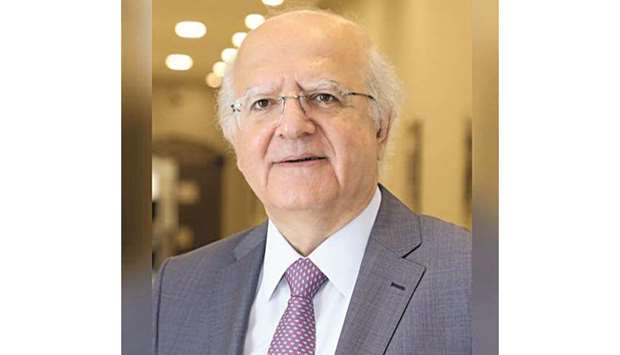
Media adviser to Lebanese President Michel Aoun, Rafiq Shalala, underlined that the participation of His Highness the Amir Sheikh Tamim bin Hamad al-Thani in the Arab Economic and Social Development Summit, held in Beirut last week, gave the summit an impetus in light of the conditions  in which it was held. In an statement to Qatar News Agency (QNA), the presidential adviser said that Qatar, through His Highness the Amir’s personal participation in the summit, and its contribution to supporting the Lebanese economy, aimed at emphasising to the world that Lebanon is not abandoned and has a special place in the hearts of the Gulf people in general and Qataris in particular. Shalala added, “Qatar has a long record of giving, solidarity and support to Lebanon, and that the relations between the two countries are deep-rooted and are constantly developing and growing. The relations are characterised by brotherhood and reflect the close friendship bonds between the leaderships and peoples of the two countries.” In this regard, he praised Qatar’s purchase of Lebanese government bonds worth $500mn, stressing that it was an important step to support the Lebanese economy and effectively translate the existing relations between the two countries. “This initiative complements a long march of good relations between the two countries and the Qatari support to Lebanon,” he said, adding that Qatar has always been supportive to Lebanon whether in terms of development projects, construction or direct assistance to ministries. The Lebanese official referred to His Highness the Father Amir Sheikh Hamad bin Khalifa al-Thani’s visit to Beirut in 2006, after the Israeli aggression on Lebanon, when Qatar announced the reconstruction of towns in southern Lebanon.  He noted that the visit of His Highness the Father Amir broke the Israeli siege, and was welcomed officially and popularly for being the first visit of an Arab leader to the border villages. The Lebanese then launched the famous phrase “Thank you Qatar”. The Lebanese presidential media adviser praised the way the Lebanese community in Qatar are treated, noting that there are about 40,000 Lebanese in Qatar who feel that they are in their second home and are contributing to the economic renaissance in Qatar.

Gulf Times
Qatar

Education Above All Foundation unveils four sessions advancing inclusion, innovation, climate resilience, and social investment at WISE 12

The Education Above All (EAA) Foundation, a global education and development organisation, launched its participation at the 12th edition of the World Innovation Summit for Education (WISE 12) with four sessions that explored evidence-based solutions to expand access to education, empower young people, and strengthen social and economic resilience. Under the theme “Humanity.io: Human Values at the Heart of Education,” the sessions underscored the Foundation’s commitment to ensuring equitable, innovative, and human-centred learning environments worldwide.**media[385350]**Al Fakhoora and PEIC Programmes, in collaboration with University of Oxford and Bard College, opened with a compelling discussion on how young people affected by war, conflict, and displacement are using education to reclaim agency, protect identity, and rebuild their communities. The session highlighted EAA’s commitment to expanding higher-education pathways, strengthening psychosocial resilience, and amplifying youth-driven advocacy.The session featured Jonathan Becker, Vice President for Academic Affairs at Bard College, Dr. Christos Kypraios, Lead of the Oxford Crisis Education Programme at the University of Oxford, and Luisa Romero, peacebuilder and activist with 8 years of experience in conflict transformation and youth-led peacebuilding in Colombia. The session was moderated by Alaa Abhari, Al Fakhoora student at Bard College specialising in Human Rights and International Law.**media[385348]**The Reach Out to All (ROTA) Programme showcased global models of climate-resilient education, drawing on EAA-supported projects with UNDP in Uzbekistan, UNICEF in Zanzibar, and the Girl Child Network’s Green Youth 360 initiative in Kakuma and Dadaab refugee camps in Kenya. The session demonstrated how localised, community-driven climate education approaches equip young people with the knowledge, innovation, and leadership skills needed to address complex environmental challenges.The session included Niina Kylliäinen, Regional Climate Advisor at UNICEF MENARO, Dennis Mutiso, Deputy Director of the Girl Child Network (GCN), and Abdulla Al-Abdulla, Executive Director of EAA Foundation Monitoring and Evaluation. George Tavola, Senior Engagement Manager, moderated the discussion and also featured contributions from Mila Lukic, CEO of Bridges Outcomes Partnerships.EAA Foundation’s Innovation Development Programme led an insightful exploration into how embracing failure as a learning tool can drive stronger, more scalable education solutions. The discussion examined why many educational pilots fail to grow beyond small-scale implementation and showcased how iterative design, community-based adaptation, and evidence-driven refinement can lead to more equitable and sustainable models.The panel featured Mr. Netsanet Demewoz, Deputy Director of Education at the International Rescue Committee (IRC), Saurabh Singh, Director of State Programs (Uttar Pradesh and Bihar) at Mantra Social Services and Stefaan Vande Walle, Global Strategic Education Advisor at VVOB - education for development. The session was moderated by Janhvi Maheshwari Kanoria, Executive Director of the Innovation Development Programme. The final session of Day One centred on transforming Qatar into a leading regional hub for social investment into global education and employment. Organised by EAA Foundation, Educate A Child International, and Qatar’s Ministry of Finance, and supported by global partners such as Bridges Outcomes Partnerships and Citi Social Finance, the session explored how impact-driven capital can unlock scalable, sustainable education and economic-empowerment opportunities for vulnerable youth around the world.The discussion brought together Jorge Rubio, Global Head of Citi Social Finance, Hamad Al Hajri, Director of the International Cooperation and Financial Agreements Department at Qatar’s Ministry of Finance, and Ali Al Sobai, Chief Operations Officer at EAA. The session was moderated by James Shaw-Hamilton, CEO, Educate A Child International.Mohammed Al Kubaisi, CEO of Education Above All Foundation, said: “Today's sessions reflect the essence of our mission at Education Above All Foundation, ensuring that education protects, empowers, and creates real pathways to opportunity for every child and young person. Through discussions on civic agency, climate resilience, innovation, and social investment, we are demonstrating how bold ideas, evidence-based approaches, and cross-sector partnerships can transform systems and strengthen communities. These sessions reaffirm that when education is centred on human dignity, it becomes a powerful force for recovery, resilience, and long-term development.”Through its Day One sessions at WISE 12, the Education Above All Foundation reaffirmed its global mission to champion inclusive, human-centred, and innovative education. By fostering cross-sector partnerships, elevating youth voices, and showcasing scalable solutions, EAA Foundation continues to drive forward a vision where every learner, especially those most marginalised, can access opportunities, build resilience, and shape a future of possibility.As a side activity at WISE 12, visitors were also invited to explore the EAA Foundation booth, an immersive, multi-room journey that brings to life the Foundation’s mission to take learners from education to meaningful employment. The booth guides visitors through four interconnected zones showcasing EAA’s core pillars: access to education, youth empowerment, protection in conflict, and pathways to economic opportunity. Through the real-life stories, visitors experience the transformative impact of EAA programmes across the learner’s journey. The space features interactive classrooms, global impact displays, conflict-affected learning environments, and showcases of youth livelihood initiatives through ROTA and Silatech. Elements such as the “Weaving Tomorrow” installation and a library façade of global country books further highlight EAA’s worldwide footprint and collective action. For more information about EAA Foundation, visit www.educationaboveall.org

His Highness the Amir Sheikh Tamim bin Hamad al-Thani delivering his speech at the opening session of the Kuala Lumpur Summit 2019
Qatar

Amir: Development is a key pillar of sovereignty

* 'Qatar has placed development on top of its priorities' Development is an essential pillar of independence and national sovereignty, His Highness the Amir Sheikh Tamim bin Hamad al-Thani told the opening session of the Kuala Lumpur Summit 2019 on Thursday. Malaysian King Abdullah Riayatuddin al-Mustafa Billah Shah, Turkish President Recep Tayyip Erdogan, Iranian President Dr Hassan Rouhani, and Malaysian Prime Minister Dr Mahathir Mohamed participated in the Summit. The two-day Summit with the theme ‘The Role of Development in Achieving National Sovereignty’ will focus on seven main topics. They are national development and sovereignty, integrity and good governance, culture and identity, justice and freedom, peace, security and defence, trade and investment, as well as technology and Internet governance. In his address, His Highness the Amir stressed that national development, especially the one that takes human development into consideration, is not possible without national sovereignty. “On the other hand, it is almost impossible to maintain national sovereignty and independence of decision in conditions of economic backwardness and dependency. “The Summit theme reflects the great challenges facing the world in general, and the Muslim world in particular, with regard to issues of security, peace, development, good governance and human rights. “Countries, where there is a Muslim majority, have proved by experience and practices that there is no contradiction between Islamic culture, development, good governance and human rights, and that, like other major civilisations, they can be incubators of enlightened and rational systems of governance; meanwhile other regimes justify underdevelopment, tyranny, and treading on human rights on the grounds of the Islamic culture of their peoples, although such justification in itself is incompatible with the spirit of Islamic civilisation. “We are not fundamentally different from other peoples and civilisations in the world. The approach that categorises people into ranks according to their religions reflects a racist thinking which is not different from the thought that branded them into grades in the past according to their ethnicities. “We treasure our civilisation and religion within the framework of our adherence to our humanity and universal values, and there is no contradiction between the two issues,” Sheikh Tamim said. His Highness the Amir pointed out that Qatar has placed development on top of its priorities by means of the National Development Strategy 2012/2017 and the Second Development Strategy 2018/2022 to achieve its National Vision 2030. “In our development policy, we consider that our trust in the national identity and adherence to our moral values and our true Islamic faith is consistent with rationality in social and economic planning, openness to the world, and the universal human view of justice and human rights issues. “Also this means tolerance of other beliefs and accepting pluralism and diversity in our world as a reflection of Gods enduring laws that govern His creation. In any case, we see fanaticism as not only an evidence of lack of self-confidence but rather a proof of an identity crisis. “The violent bigotry that some people try to attach to a particular religion and culture is, as the sequence of events in the modern time shows, a global problem that has not spared a society or culture from its affliction. It is a blight that may afflict all and is fuelled by religious fanaticism, as well as non-religious ideology, despair, frustration, conditions of ignorance, poverty and unemployment. Therefore, its long-term confrontation must include addressing its roots. “We call for the endorsement of methods of negotiation and dialogue for resolving lingering issues, and we reject the use of methods of force, blockade, starvation and dictation of opinions. Adopting this approach requires a minimum of unanimity in granting greater power to international institutions where the right of veto does not prevail in favour of this or that country. “Incitement against Islam and Muslims has recently become a populist tool for gaining votes. These are short-sighted internal party politics, yet it would make the relations with other peoples subject to irrational policies and whims in domestic politics, which negatively affects relations between States. “Just as we demand from communities in Western and other countries to deal with Islam and Muslims in accordance with the principles of democracy and human rights that they adhere to, and to criminalise racial abetting against Muslims as well, we should also expect Muslim States as well as Muslim and non-Muslim societies in the East to deal with their citizens and residents equally, regardless of race, religion and doctrines, and respect their religions and exclusivity. We must also consider citizenship and equality before the law as regulators of the interaction between the individual and the State, regardless of race, religion, gender, or origin in Muslim countries as well. “In short, justice is indivisible. We demand justice and good governance within States, and we look forward to justice and good governance in international relations,” Sheikh Tamim added. His Highness the Amir participated in the closed session of the Kuala Lumpur Summit 2019, met with the Iranian President on the sidelines of the Summit and attended a luncheon banquet held by the Malaysian King.

Gulf Times
Opinion

Global majority’s fight for achieving economic justice

The world is experiencing a series of political, ecological, social, and economic ruptures. Astonishing levels of wealth concentration and inequality have eroded development gains, accelerated social fragmentation, and fuelled civil unrest. According to the Indicators of Global Climate Change report, we are only three years from breaching the 1.5C global warming limit set in the 2015 Paris climate agreement, increasing the risk of irreversible changes in planetary conditions. These cascading crises are converging in the world economy. Insufficient climate finance from wealthy countries has led some developing countries to double down on fossil fuels. Moreover, an unfair debt system traps low-income countries in a perpetual cycle of distress: servicing short-term dollar-denominated loans with high interest rates prevents them from meeting development targets. Rich countries are also unwilling to co-operate on stopping illicit financial flows and taxing billionaires and multinational firms, further undermining low-income countries’ ability to raise revenue. This economic instability is inextricably linked to global democratic decline. When wealth is concentrated in the hands of a few, political discontent is sure to follow, as evidenced by the surge of far-right parties in Western democracies. Strengthening democracy is essential to tackling these crises. At the national level, citizens must be at the centre of decision-making regarding development policies and outcomes. At the international level, multilateral institutions and processes – including the G20, the UN Climate Change Conferences, and the Bretton Woods institutions – must be democratised to regain credibility and legitimacy. So far, they have been too slow in addressing their shortcomings, and too focused on the developed world’s interests. Examples abound of how multilateralism has reproduced inequalities. Developed countries offer climate finance in the form of guarantees for commercial loans, which increase debt burdens rather than build resilience. Time and again in Africa, ratings agencies and the International Monetary Fund’s lending conditionalities prevent governments from investing in inclusive growth and development. The global consensus is to pursue a private-sector-led green transition, even though this approach intensifies precarity for those who contributed the least to global warming but are most vulnerable to its effects. The decisions and actions taken in the interest of global capital have expanded the ranks of so-called “surplus people”. These populations on the margins include workers made redundant by multiple and convergent socio-technical shifts, communities displaced by mine closures and climate shocks, and households pushed into poverty by soaring food and energy prices. So, what can be done? To answer this question, civil-society groups and NGOs from across the Global South will meet with our Global North allies at the People’s Summit for Global Economic Justice on the sidelines of the upcoming G20 Leaders’ Summit in Johannesburg. In keeping with the meeting’s theme – “We, the 99%” – the attendees will work together to map structural alternatives to the “societies of enmity” produced by capitalism. The goal is to develop a locally rooted but globally connected programme of action for achieving economic justice. Chief among the proposed solutions to be deliberated at the People’s Summit is a wealth tax on ultra-rich individuals and companies under the auspices of the UN Framework Convention on International Tax Cooperation. Such a tax is technically feasible and politically necessary to address the interconnected financial, sovereign-debt, and sociopolitical crises destabilising advanced and developing economies alike. Another important solution is scaling the availability, accessibility, and affordability of public climate finance, as provided for under the Paris agreement. Given that advanced economies rely on developing countries for the commodities that fuel their industrial growth, financial and technological support must flow in the opposite direction to ensure development gains and to compensate for the extensive loss and damage caused by the escalating climate crisis.

Omar Ali al-Ansari.
Qatar

QRDI Council launches Qatar Social Sciences RDI Community

Qatar Research, Development and Innovation (QRDI) Council has launched the Qatar Social Sciences RDI Community, a flagship initiative that brings together researchers, innovators, and policymakers working in the filed of social sciences and humanities. As part of QRDI Council’s National RDI Communities programme, this community aims to foster collaboration, bridge sectors, and generate evidence-based solutions to Qatar’s most pressing societal challenges. Launched as a pre-event to World Innovation Summit for Education (WISE 12), the community also sets the stage for deeper conversations on the role of research, innovation, and development in shaping the future of education and society. The Qatar Social Sciences RDI Community was launched at a dedicated event that brought together more than 350 attendees, including high-level government officials, academic leaders, industry experts, and representatives of civil society. Opening remarks were delivered by Omar Ali al-Ansari, Secretary General of the QRDI Council. The programme also featured welcoming remarks with Her Excellency Lolwah bint Rashid bin Mohammed al-Khater, Minister of Education and Higher Education, who emphasised the need for social sciences to play a more prominent role in shaping policies and national development strategies. The launch event included a keynote address, interactive roundtables, and a panel discussion exploring how research, innovation, and policy can align to drive social progress. Senior representatives from QRDI Council, academia, and government engaged in dialogue on advancing equitable education, mental well-being, inclusive governance, and social cohesion through interdisciplinary collaboration. This community is anchored in the Third National Development Strategy, which identifies the social sciences as a foundational pillar of Qatar’s innovation ecosystem. By bridging gaps between research, policy, and innovation, the community will serve as a trusted space for dialogue, knowledge sharing, and the co-creation of evidence-informed solutions. Al-Ansari highlighted: “This community is built on a central and simple idea: Innovation must serve people, and that society guides and determines the course of innovation. Through this Community, we are empowering researchers, government entities and industry partners to come together, share perspectives, and shape solutions that contribute to a more inclusive, knowledge and innovation-based economy.” The key objectives of the Qatar Social Sciences RDI Community are to connect diverse stakeholders to build a shared understanding of Qatar’s most pressing social issues, generate evidence-informed recommendations that can influence policymaking, elevate the role of social sciences within the national development agenda and translate academic research into real-world impact through practical applications and cross-sector collaboration.