Search - covid 19

Wednesday, December 24, 2025 | Daily Newspaper published by GPPC Doha, Qatar.

Search Results for "covid 19" (360 articles)

Gulf Times
Opinion

When will mass US govt firings show up in data?

Tens of thousands of US government workers have been fired in recent weeks, according to a Reuters tally of announcements tracking President Donald Trump's plan to shrink the federal workforce. So far, few indications of those lost jobs have appeared in the various formal measures of the US job market.Economists will be keeping an eye on the data because federal government hiring has been a steady contributor to overall US employment growth as the pace of private-sector hiring has eased. Over the last two years through January, the ranks of non-US Postal Service federal workers as a share of overall payroll employment has edged up to 1.52% from 1.47%.Despite that rise, the federal civilian worker share of total U.S. employment is near its historic low of 1.4% from late 2000. The federal workforce share peaked at just over 4% in the early 1950s.Also, Trump's cuts - being carried out under the direction of Tesla CEO Elon Musk's Department of Government Efficiency - have not just been aimed at those directly on government payrolls but also at private companies and individuals performing contract work for the government. A 2020 Brookings Institution study estimated that for every one federal employee there are two contractors. With that in mind, Torsten Slok, chief economist at Apollo Global Management, estimated that with a "consensus" estimate of ultimately 300,000 DOGE-related federal job cuts, the total employment reduction could be closer to 1 million.So when will these reductions start to materialise in the official data? Here's a guide:Each Thursday, the Labor Department's Employment and Training Administration reports the number of people who the previous week had filed for state unemployment benefits for the first time. The report includes a running tally of all those who continue to collect benefits beyond one week, a figure called "continued claims" and reported with a one-week lag.Federal employees who have lost their jobs, though, are not included in the state claims data. They are tracked separately under the Unemployment Compensation for Federal Employees (UCFE) program, and the data is reported with a one-week lag.In the latest week ended February 8, 613 initial claims had been filed by former federal workers, and that figure has not climbed above 1,000 in more than two years. It also remains below the level typically seen during comparable seasons in the years immediately before the Covid-19 pandemic.In the previous week, 7,110 former federal workers were receiving continued benefits, around the same number seen at this time of year in the last two years. Moreover, those continued claims tended to be much higher during comparable times of year before the pandemic.Since the Trump and Musk cuts are not aimed only at those earning a government paycheck, some indications of the extent of job losses may start appearing soon in data from individual states with high concentrations of jobs supported by federal government activities.Washington and the neighboring states of Maryland and Virginia are home to hundreds of thousands of workers whose employers perform work under federal contracts, making them key locations to watch.Only Washington has shown an uptrend in new benefits filings. In the latest week ended February 15, the advance number of new filings was about 1,700 and the highest in nearly two years. It is also well above the level typically seen in the years just before the pandemic, with the exception of a short-lived spike in January 2019 due to a government shutdown over a budget impasse.New claims in Maryland and Virginia, meanwhile, have both averaged about 2,800 per week since Trump took office on January 20, both within the trend range over the last year.Texas, Florida, California and Georgia also have high numbers of federal workers and associated contractors.There are some caveats.Not everyone who loses a job is eligible for jobless benefits, and this includes certain contract workers. So some job losses will never appear in the weekly claims data.Also, not everyone files for benefits immediately after losing a job - or at all. Many people don't file for a week or more after their job was eliminated, and some among them will find new work promptly and never have a need to seek government support. That said, a generally slowing job market may mean that final dynamic is less at play this time around.Each month, typically on the first Friday, the Bureau of Labour Statistics reports the US employment situation, which updates the unemployment rate as well as the total level of employment and levels and changes by sector, including local, state and federal government employment.The next report is due on March 7, covering February. It is based on a survey conducted during the week when the 12th day of the month falls. In this case, that was a week when news reports about firings within the federal government began circulating widely, so there is a chance that the level of non-USPS civilian employment was affected by that development.Net federal hiring outside the postal service totaled 3,700 in January. It has averaged about 5,700 a month over the last two years and has shrunk in just one month in that span. It is unclear whether the reports of firings that surfaced during the week of February 9-16 would have been made official and reported in that week's BLS survey.Trump shrunk federal civilian employment by about 17,000 workers in his first year of office during his first term, including about 13,000 in his first three months. But it began growing again, and by the time the pandemic struck he had overseen an expansion in the federal workforce of 60,000 people.The Job Openings and Labor Turnover Survey (JOLTS) measures the number of posted job vacancies on the last day of each month, and also estimates the monthly number of gross hirings and job separations, including people who quit, are laid off, or leave for another reason such as retirement.It is not as timely as the payrolls report. The next report, for instance, will be issued on March 11, covering January. As a snapshot of where things stood at the end of the month, it could reflect Trump's January 20 hiring freeze order, which directed that all job postings be removed and many job offers rescinded.The latest figure, for December, showed 140,000 federal government job vacancies, roughly in line with the monthly average over the term of former President Joe Biden. Monthly federal openings totaled about 110,000 during Trump's first term from January 2017 to January 2021.Gross federal hiring, meanwhile, totaled 30,000 in December - unchanged for three months and the lowest number since May 2018.The BLS also provides monthly state and local employment reports.The next State Employment and Unemployment report will be issued on March 17, covering January. This report shows employment levels, job gains and losses and unemployment rates across all 50 states, Washington, Puerto Rico and the US Virgin Islands.It shows government employment levels but combines state, local and federal government figures. Still, it will be another resource for indications of government contractors shedding jobs, especially in areas of high concentrations of these employers.However, it is not likely that this will make itself evident before the report for February is issued in mid-April.The Metropolitan Area Employment and Unemployment Summary, meanwhile, tracks employment across nearly 400 metropolitan areas across the US This has an even longer delay, of two months, and shows payroll employment levels, changes and jobless rates but does not show employment sector activity.The earliest this might be expected to reflect the effects of federal firings at the local level will be in late April when the report for February is issued. - Reuters

Fahad Badar
Business

Qatar develops as bond markets change

Gulf nations are acquiring developed market status as more advanced nations further increase their debt. The bond markets are signalling profound shifts in the global economyIn a highly significant move, Qatar has been upgraded in category from emerging market to developed market, by the investment bank JP Morgan Chase & Co, along with Kuwait. The bank announced that the two Gulf nations will be removed from its Emerging Markets Bond Index in a phased manner, over a six-month period beginning end-March. The bank will consider the same reclassification for the United Arab Emirates next year. It is possible that the higher ranking for Qatar and Kuwait will be followed by other index providers.At around the same time, in mid-February, Qatar concluded a heavily over-subscribed bond issuance on two tranches. A $1bn tranche maturing in three years carries a coupon rate of 4.5%, while a $2bn tranche maturing in 10 years has a coupon rate of 4.875%. The rates represent respectively 30 basis points and 45 basis points over 10-year US Treasuries. This represents a tightening by 30 and 35 basis points respectively compared with the Initial Price Target (IPT). The issuance was 5.8 times over-subscribed; orders topped $17bn.The ability to attract such high demand even after tightening the price, along with the upgrading to developed market status, is a fair reflection of the economic progress the state has made across a range of issues: Not just fiscal responsibility, but infrastructure improvements, developing a sound tax base, and strengthening export earnings through the expansion of extraction from the North Field gas reserves.Qatar had become an outlier in terms of its strong fiscal position not only within emerging markets, but more widely. Its public debt is below 50% of GDP, and has been progressively reduced since the Covid-19 pandemic and the investment for the 2022 FIFA World Cup.By contrast, the proportion of public debt to GDP is around 100% or higher for some developed nations, notably France, the UK and the US. If an emerging economy had such high debt levels, this would potentially result in strict measures being imposed by the IMF, and difficulty in finding investors for bond issuance, risking default. In part, the richer nations can continue to sustain this owing to the depth and liquidity of their capital markets, strong tax base and diversified economies, but there are signs this year from the bond markets that no government can be complacent.Central banks have reduced interest rates, which normally would cause yields on government bonds to fall, but this has not consistently been the case. Mortgage rates have not fallen either. Investors are anticipating higher inflation, and interest rate levels that may stay the same or even be increased. The average fiscal deficit across the G7 countries for 2025 is 6% of GDP; the US is expected to issue bonds totalling 7% of GDP, which amounts to $2tn. The largest economies have also engaged in quantitative tightening, meaning more investors have to be attracted to bond issuances.These are colossal sums. Will the confidence hold? Probably: The debt levels were as high or higher during the Second World War, while inflation and interest rates were much higher in the 1970s and 1980s, which caused investors to shun government bonds.China and Japan have been reducing their exposure to US Treasuries, and several central banks, notably that of China, have been buying gold. For the foreseeable future, however, the shifts are not sufficient in scale to cause a major spike in yields or a collapse in confidence, given the depth and liquidity of the capital markets, growth prospects for the US and the dollar’s status as the world’s reserve currency. There are concerns, nonetheless, about the potential impact of tariffs and tax cuts by the Trump administration, and little sign that the fiscal deficit will be reduced. There is pressure on all western governments to increase defence spending owing to geopolitical tensions.But while a spectacular default by a major economy is unlikely – although bond investors did force a U-turn and a change in Prime Minister in the UK in late 2022 – what the dynamics reveal are a shifting economic world order, in which some emerging markets are beginning fully to emerge as developed economies, and with lower debt than the largest western economies. The changes may not be sudden, but they are profound.The author is a Qatari banker, with many years of experience in the banking sector in senior positions.

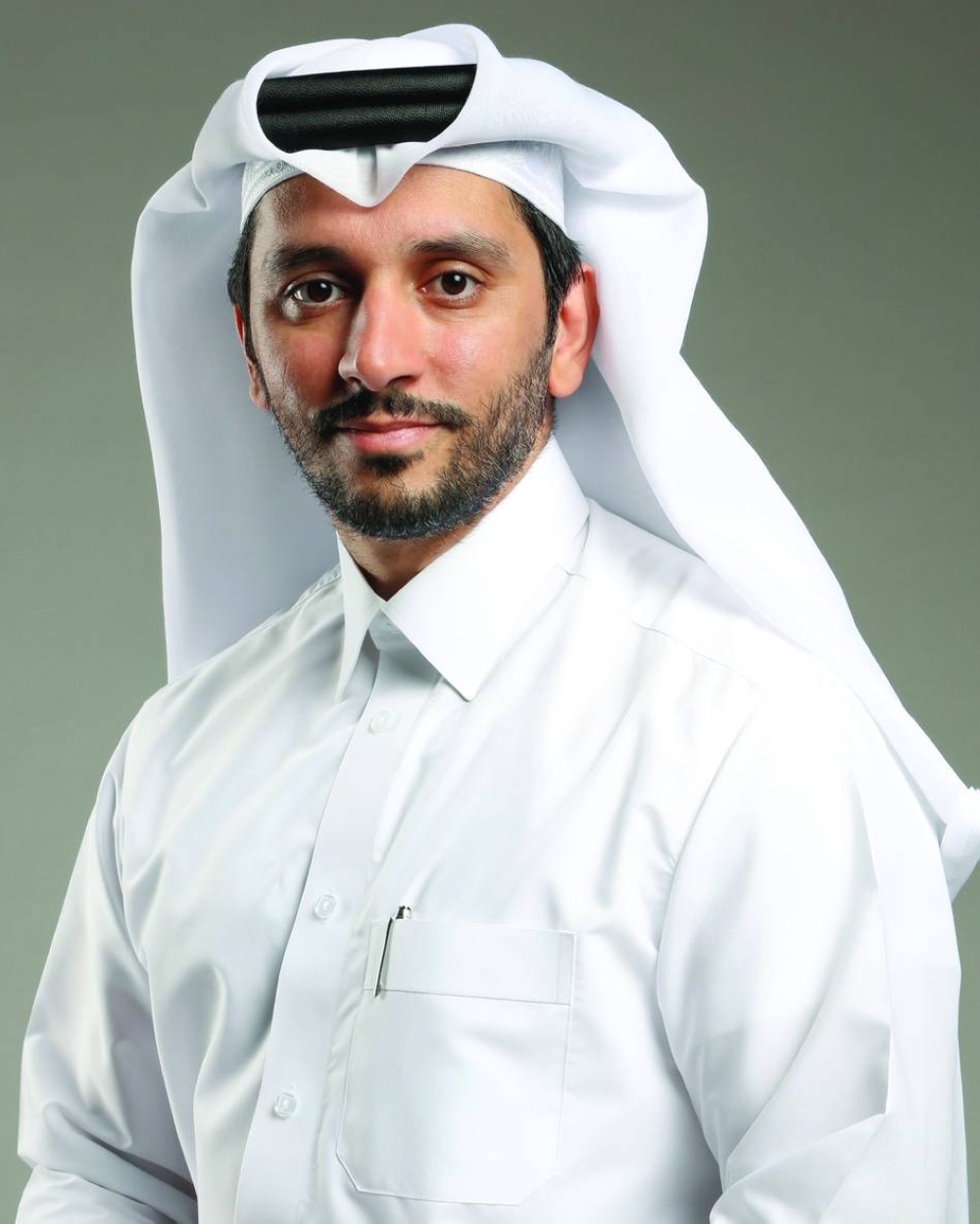
Dibsy co-founder Ahmed Isse. PICTURE: Shaji Kayamkulam
Business

Co-founder highlights Dibsy’s role in enhancing Qatar’s digital payment landscape

A Qatar-based payment infrastructure startup has witnessed significant growth since its establishment in 2021, from providing small merchants with digital solutions some four years ago to processing transactions for the country’s major enterprises today.Speaking to Gulf Times on the sidelines of Web Summit Qatar 2025, Dibsy co-founder Ahmed Isse said the company has established its role as a key player in the country’s digital payment landscape, helping a diverse range of domestic businesses accept payments through multiple channels, including credit and debit cards, as well as mobile wallets like Apple Pay and Samsung Pay.Since its inception during the Covid-19 pandemic, Isse and co-founders Loyan Farah and Anouar el-Mekki have focused on helping small businesses that didn’t have a website or mobile app. Soon after, Isse said large companies also tapped their expertise in innovations like embedded checkout and tokenisation, as well as anti-fraud solutions.Dibsy’s latest achievement, according to Isse, is the company’s partnership with QNB, allowing it to be the first bank in CEMEA (Central and Eastern Europe, Middle East and Africa) to launch the updated version of Visa’s ‘Click to Pay’ service.Asked about other partnerships with other local companies, Isse noted that as a regulated payment service provider under the Qatar Central Bank (QCB), Dibsy exclusively serves Qatar-based businesses.“We’re focused on providing digital payment solutions to local companies in Qatar as the Qatar Central Bank regulates us. From small businesses to large entities, we can onboard these businesses within 48 hours, provided they have the proper documentation,” Isse explained.Asked about Dibsy’s expansion plans, Isse noted that the company currently focuses on the Qatari market. “But we are planning to expand hopefully soon; we will make the necessary announcements,” he said.Regarding Web Summit Qatar, Isse was impressed by the growth from last year's inaugural event. He revealed that Dibsy’s foundation was born in Web Summit when he and el-Mekki met in Lisbon, Portugal. “The presence of Web Summit in Doha is a great advantage to many entrepreneurs and the event has opened Qatar to many international startups,” he said.When asked about artificial intelligence (AI) integration, Isse indicated that while it is not an immediate focus for Dibsy, AI could eventually help with fraud management and automate repetitive tasks.

Travellers at the Hongqiao International Airport in Shanghai. The global air travel industry has experienced a significant resurgence since the Covid-19 pandemic, though the pace of recovery has been uneven across different regions and sectors.
Business

Global air travel sees resurgence post-Covid-19; IATA estimates continued growth in 2025

The global air travel industry has experienced a significant resurgence since the Covid-19 pandemic, though the pace of recovery has been uneven across different regions and sectors.As borders reopened and travel restrictions eased, demand surged in 2022 and 2023, signalling a strong rebound.Domestic travel led the recovery, particularly in top three markets - the United States, China, and India.Meanwhile, international travel took longer to regain momentum due to border restrictions, visa processing delays, and lingering concerns over new Covid-19 variants.By mid-2023, global passenger traffic had reached approximately 90% of pre-pandemic levels, with some markets even surpassing the 2019 figures.Airlines, which faced severe financial distress during the pandemic, saw a return to profitability in 2023. While leisure travel rebounded swiftly, business travel remained sluggish due to the rise of virtual meetings and corporate cost-cutting measures.However, premium travel segments, including first and business class, demonstrated resilience, supported by the growing trend of blended travel — combining business and leisure trips.According to the International Air Transport Association (IATA), 2024 underscored travellers' strong desire to fly, with demand increasing by 10.4%. Both domestic and international travel reached record levels.Airlines responded by optimising efficiency, achieving an average seat occupancy rate of 83.5% — a new industry high, driven in part by supply chain constraints that limited capacity growth.IATA data also revealed that, in 2024, international traffic exceeded its 2019 peak by 0.5%, with growth observed across all regions. Capacity remained 0.9% below 2019 levels, while the load factor improved by 0.5 percentage points to reach a record high of 83.2%.Middle Eastern airlines, in particular, experienced a 9.4% increase in traffic compared to 2023, with capacity rising by 8.4% and the load factor climbing to 80.8%. December 2024 saw a 7.7% increase in demand compared to the same period in 2023.GCC-based carriers have significantly contributed to the region's traffic growth.Highlighting aviation's broad economic impact, IATA Director General Willie Walsh stated: "Aviation growth reverberates across societies and economies at all levels through jobs, market development, trade, innovation, exploration, and much more."Looking ahead, industry leaders remain optimistic. Walsh projected continued growth in 2025, albeit at a moderated pace of 8.0%, aligning more closely with historical trends.However, he also emphasised the challenges ahead. "The tragic accident in Washington (in January) reminds us that safety needs our continuous efforts. Our thoughts are with all those affected. We will never cease our work to make aviation ever safer," he stated.On January 30, an American Airlines commuter jet collided with a military helicopter during a landing approach in Washington, DC, causing both aircraft to crash into the frigid Potomac River and killing some 67 people in the worst US commercial aviation disaster in years.Meanwhile, sustainability remains a top priority, with airlines committed to achieving net-zero carbon emissions by 2050. Despite record investments in Sustainable Aviation Fuel in 2024, SAF met less than 0.5% of the industry’s fuel needs due to supply shortages and high costs.Walsh called for greater government support, suggesting that prioritizing renewable fuel production and reallocating subsidies from fossil fuel extraction to sustainable energy initiatives could enhance energy security and economic growth.Clearly, the pandemic has forced airlines to reevaluate their financial strategies, focusing on cost efficiency, digital transformation, and fleet modernisation. Sustainability initiatives have gained traction, with significant investments in SAF and fuel-efficient aircraft.Additionally, industry consolidation has accelerated as airlines seek to strengthen their market positions.Airports have also embraced technological advancements, incorporating automation, biometric screening, and AI-powered operations to enhance efficiency and passenger experience.Despite strong growth prospects for 2025, concerns remain regarding economic uncertainties, geopolitical tensions, and their potential impact on the industry.Airlines continue to grapple with pilot and crew shortages, contributing to operational disruptions such as delays and cancellations.Additionally, evolving sustainability regulations and carbon emission targets will necessitate the adoption of greener technologies.While the air travel industry has largely recovered from the pandemic’s disruptions, it continues to evolve in response to shifting travel behaviours, economic conditions, and sustainability imperatives.The coming years are likely to bring further innovations, industry restructuring, and transformations in global travel patterns.Pratap John is Business Editor at Gulf Times. X handle: @PratapJohn.


Prime Minister Keir Starmer delivers a statement on Defence spending at Downing Street yesterday in London. (Reuters)
International

Starmer boosts defence spending on eve of meeting with Trump

Prime Minister Keir Starmer said yesterday he would increase annual defence spending to 2.5% of GDP by 2027 and target a 3% level last seen just after the Cold War, a signal to US President Donald Trump that Britain can boost Europe’s security. On the eve of his departure to meet Trump in Washington, Starmer told parliament he was bringing the increase in defence spending forward to offer Europe more support as the US spearheads peace talks with Russia over its war in Ukraine. With public spending already stretched in Britain, Starmer said the increase from its current 2.3% would be fully paid for by a 40% cut to international aid, an announcement he said he was not happy to make but one which was necessary to offer Ukraine and Europe support in a “new era”. Since Trump seemingly abandoned the United States’ more Ukraine-friendly approach to Russia’s war, blindsiding much of Europe, Starmer and other European leaders have stepped up diplomatic efforts to show a united front to support Kyiv. “Starting today, I can announce this government will begin the biggest sustained increase in defence spending since the end of the Cold War,” Starmer said, adding that combined with spending on intelligence services it would reach 2.6% from 2027. “We must go further still. I have long argued that ... all European allies must step up and do more for our own defence,” he said. He added that Britain would set a target for spending 3% of gross domestic product in the next parliament, which will convene after a national election due in 2029. US Defence Secretary Pete Hegseth welcomed the spending rise after speaking to British defence minister John Healey. “A strong step from an enduring partner,” Hegseth said on X. The increase would see Britain spending €13.4bn ($17bn) a year more on defence in 2027 than it does now, Starmer said, a figure which includes expected growth in GDP over the period. He told a later press conference the extra money would help rebuild Britain’s industrial base, create jobs and boost growth. Britain’s defence ministry said it spent €53.9bn in the 2023/24 financial year. To meet the increase in spending, the international aid budget will be cut from 0.5% of gross national income to 0.3% in 2027, meaning borrowing levels would not change, Starmer said. Britain last cut its aid budget in November 2020, during an economic crisis resulting from COVID, reducing the level to 0.5% of GNI from 0.7%, a move criticised by some development groups for diminishing the nation’s global influence. “This is a short-sighted and appalling move,” said Romilly Greenhill, chief executive officer of Bond, a network for organisations working in international development and humanitarian assistance. Starmer’s statement was a clear opening gambit before meeting Trump in Washington, signalling Britain will try to lead other European countries in offering more support to the US-led military Nato alliance – a demand Trump has repeatedly made, suggesting nations should spend 5% of GDP. Nato Secretary-General Mark Rutte has also called on member states to step up defence spending beyond their common goal of 2% of national output set a decade ago. According to Nato, Britain was the third-largest spender in cash terms in 2024, behind the United States and Germany. Germany’s likely next chancellor, Friedrich Merz, has pledged to significantly raise defence spending but will need to navigate the possibility of far-right and left parties blocking his plans. Starmer heads to Washington, hoping to reassure Trump that Europe will provide support and security guarantees to Kyiv if peace talks with Russia are successful. The British leader has said he is open to British troops providing security guarantees to Ukraine alongside other European nations. Starmer also wants some form of US “backstop” for any security guarantee from Europe, which, he says, “will be vital to deter Russia from launching another invasion in just a few years’ time”. “The US is our most important bilateral alliance,” he said. “So this week when I meet President Trump I will be clear. I want this relationship to go from strength to strength.”

Gulf Times
Qatar

Unicef official hails Qatar's support for education

The Executive Director of Unicef, Catherine Russell, has emphasised that Qatar is a strong and very important partner for Unicef, noting that this co-operation includes several areas, especially education.In remarks to Qatar News Agency (QNA), Russell said that Her Highness Sheikha Moza bint Nasser, Chairperson of Education Above All (EAA) Foundation, has played a prominent leadership role on the international stage in promoting the importance of education, especially for children living in conflict zones or who have been deprived of education due to crises, adding that she expressed her gratitude for this role during her meeting with Her Highness.She also commended the efforts of the Qatar Fund for Development (QFFD) and the EAA Foundation in supporting the educational process for children, stressing that these efforts contributed to keeping many children in school despite the challenges.Russell explained that there is a strategic partnership between Unicef, Qatar's government, and relevant institutions, as intensive meetings were held to discuss ways to enhance co-operation and benefit from Qatari resources and expertise in this field. She added that this partnership requires significant resources in addition to intellectual leadership, which enhances the organisation's ability to achieve a broader impact worldwide.She pointed out that Unicef co-operates closely with Qatar in education, stressing that education represents a basic right for all children, and has a direct impact on achieving other sustainable development goals.She explained that education, as the fourth goal of the Sustainable Development Goals (SDGs), contributes to improving public health and enhancing economic participation.She added that the challenges facing education are multiple, including poverty and debts that hinder some countries' spending on education, in addition to the ongoing effects of the Covid-19 pandemic, which has kept children out of school for long periods.She noted that estimates indicate that more than 250mn children worldwide are deprived of education, emphasising that returning them to schools and ensuring quality education for them represents a major challenge.Russell praised Qatar's role in providing educational support and humanitarian aid in areas such as Yemen and Syria, urging other countries to benefit from Qatar's approach in this field.She affirmed that the relationship between Qatar and Unicef is strong and developed.Russell expressed her optimism about the possibility of enhancing co-operation with Qatar in the field of digital and innovative solutions to support education, stressing that technology plays a pivotal role in reaching children, especially in remote areas.Regarding the situation in Gaza, she stressed that Unicef has been working in the Strip for decades and that the organisation continues to provide assistance to children despite the difficult circumstances.

no image
Opinion

Chinese tech rally rests on ‘hot money’

China’s apparent breakthrough in AI and rapprochement with tech giants has sent Hong Kong stocks and Internet giants soaring, but the buyers behind it are flighty and brokers say global investors are wary of big bets while markets swing wildly.Hong Kong’s Hang Seng has roared back from a run of lean years to vie with Germany’s DAX as the world’s best-performing market for the year so far, with gains of 13% and 13.1% respectively, against a 4% rise for the S&P500.Hong Kong tech shares have surged 31% since the middle of January to hit three-year highs on Monday, while President Xi Jinping sat down with top tech leaders in Beijing.Prices gyrating as investors scoured pictures and footage of the meeting for the faces of top bosses neatly underscored the fevered speculation and the degree of hope behind the rally.Trading also illustrates what has become an adage of investing in China in recent years — that the biggest prize goes to the earliest movers, especially if they can get out as soon as the euphoria begins to fade.“As with moves in the past two years or so in HK/China, it’s very retail driven (and volatile) - a trading market,” said Wong Kok Hoong, head of equity sales trading at Maybank.“Hedge funds or the more Hong Kong-China centric funds are well aware of the dangers of not rushing in from the onset.”Data from brokers seems to show that is exactly who is buying.CICC estimates that cumulative southbound flows — that is, buying by mainland investors — have reached HK$26.6bn ($3.4bn) since the Lunar New Year holiday in early February, on par with a record-breaking rush in September.A Morgan Stanley note on hedge fund positioning showed net exposures near their highest in a year, with buyers mostly in Asia and taking long positions, rather than covering short bets.“Hot money is driving the market for the past two weeks,” said Steven Leung, who handles institutional clients at brokerage UOB KayHian in Hong Kong, referring to funds controlled by investors seeking short-term returns.The rally’s triggers include the sudden popularity of Chinese AI startup DeepSeek, which has developed an AI model far cheaper than US rivals, relief that China has not been hit with big US sanctions, and the sight of Xi meeting with tech leaders.Shares in Alibaba have headlined the rally on news of an AI partnership with Apple along with the appearance of founder Jack Ma, who has kept a low profile over years of crackdowns on China’s tech giants, at this week’s symposium with Xi Jinping.The stock touched a three-year high on Monday and is up nearly 50% for the year so far.The volume of Alibaba shares traded in Hong Kong last week was the largest since listing in late 2019 and weekly volume for its US-listed ADR was the highest for two years.“(Jack Ma’s) presence would be hugely symbolic of how the government’s stance towards the tech sector has changed,” said Christopher Beddor, deputy China research director at Gavekal Dragonomics in Hong Kong.“If there’s one person associated with the tech crackdown, it’s Jack Ma... it’s more or less a total reversal of the policy stance from a few years ago, when officials vowed to curb the ‘disorderly’ expansion of capital.”To be sure, Morgan Stanley said in a note last week that global investors were starting to reassess China’s investability, after a long period of limited attention, though it added that as of late January they had been underweight.On Monday, Goldman Sachs analysts raised forecasts for the MSCI China index to 85 from 75 and there are investors who see a sustainable rally.Still, for many the lesson from disappointments after rallies on China’s post-Covid reopening and pledges of stimulus in September has been to move fast and think short-term.Maybank’s Wong said that amongst themselves, retail investors in China say: “The early believers get to eat the chicken; the subsequent ones get to drink the chicken soup; and the late true believers will have to take over the empty plates.” — Reuters


Nato Secretary-General Mark Rutte shares a laugh with US Defence Secretary Pete Hegseth and Commander of United States European Command and Supreme Allied Commander Europe, United States Army General Christopher G Cavoli during a meeting of the North Atlantic Council during a Nato Defence Ministers meeting at the Alliance’s headquarters in Brussels last Thursday. (Reuters)
Opinion

Security demands cast new shadow on Europe finances

Europe’s leaders have long known the region is living beyond the means of its ageing, stagnant economy. The question is whether the ructions created by Donald Trump’s second White House term mean they will do something about it.Less than a month after the president was sworn in, the continent’s once staunch US ally declared it was done paying to keep the peace in Europe. Trump, said Defence Secretary Pete Hegseth, “will not allow anyone to turn Uncle Sam into ‘Uncle Sucker’”.But if Europe must now shoulder the cost of its own defence — right at a time when on its eastern flank Russia is waging war with Ukraine — that risks blowing apart budgets that are already struggling to fund the welfare states that are often seen as the envy of the world.“We will have to face difficult days, make complicated decisions and even sacrifices which we weren’t expecting until now to ensure this security,” French Foreign Minister Jean-Noel Barrot told the Munich Security Conference on Saturday.However, some fear a political backlash if governments simply slash social spending to buy more soldiers and guns.“Then we will have division of our society and the only ones that will benefit will be the far-right parties,” German Defence Minister Boris Pistorius told the Munich meeting.One option for Europe might be to hope Trump’s departure in four years’ time will allow the transatlantic bond to be restored.But the mood at the Munich gathering suggested that European leaders finally accept that America’s pivot away from their continent — signalled in less confrontational terms over a decade ago by Barack Obama — means they must now step up.“Our most important task as political leaders is to protect our people,” said Danish Prime Minister Mette Frederiksen. “Two percent is not nearly enough,” she said of a barely met target for Nato members to spend on defence as a share of national output. Twenty-three out of 32 Nato members met the target last year after recent increases.Borrow more?So where might Europe find the money?Its post-World War Two social contract was built on the idea that Europeans would pay high taxes to get solid welfare safety nets, health provision and pensions in return. Add to that the labour pacts that led to shorter work weeks and longer holidays.Many voters already feel their governments have reneged on that deal — and have abandoned mainstream parties in favour of radical ones that are riding high on the discontent. The challenge posed by Trump takes the political and economic stakes to a whole new level.It is hard to put a number on how much it will cost to secure peace and rebuild Ukraine: the shape of any peace is unknown given Trump’s desire to cut a deal with Russian President Vladimir Putin.However, it is easier to quantify the cost to national budgets if EU countries more than doubled defence spending to the levels that were routinely a feature of the Cold War era.Ratings firm S&P Global estimates that attaining defence spends of 5% of GDP would cost them a total $875bn a year, or “far beyond what individual states can finance without offsetting such outlays with other spending reductions or likely pressuring their creditworthiness”.But others say Europe, which topped up existing budgets with new funds to assemble a €2tn stimulus package after the Covid pandemic, can find the money if it wants to.While the United States has national debt around 120% of its output and runs annual deficits of the order of 6%, average debt across the EU stands around 81.5% of GDP with a deficit of 2.9%, according to EU data.In a commentary for the Financial Times last week, former European Central Bank chief Mario Draghi estimated that since 2009, the United States has used deficits to inject five times more money into its economy than the countries of the eurozone have — €14tn versus €2.5tn.Moritz Kraemer, chief economist at LBBW Bank and formerly S&P Global’s chief ratings officer, noted the euro did not have the dollar’s status as the world’s reserve currency and that “therefore, the level of sustainable debt is lower”.But others doubt whether markets would take fright if a country with the sound finances of Germany or the Netherlands sought extra borrowing to meet an existential security need.“Many EU countries could afford to have higher public debt,” said Zsolt Darvas, a senior fellow at European economics think tank Bruegel. “The issue is the political will.”A German electionIt is this political will that is about to be tested.European Commission chief Ursula von der Leyen told the Munich conference she would back “escape clauses” to free national spending on defence from EU rules on deficit caps. She would need support for this from national governments.While the EU is banned from using its own 1.2-trillion-euro budget to buy weapons, some suggest that EU nations and non-EU Nato allies such as Britain and Norway could form a “rearmament bank” with funds injected by members and capital raised on markets.Finnish ex-premier Sanna Marin said such moves would mean leaders persuading their publics of the urgency of increased defence — especially in those nations further away from the Russian threat than her own country or eastern EU states.Regardless of the defence demands, Europe still needs to re-tool its sickly economies so that they can also pay for the growing welfare needs of greying populations and the upfront investment needed for ambitions like the green transition.Signs of change may emerge after this weekend’s election in Germany, where the next government must decide whether to reform a self-imposed “debt brake” that tightly limits all spending.Fiscal conservative Friedrich Merz, tipped to emerge as next chancellor, gave away no policy clues in Munich but agreed the stakes were high, saying: “If we are not hearing the wakeup call now, it might be too late for the entire European Union.” — Reuters

Gulf Times
Qatar

Qatar, India issue joint communique on occasion of the Amir's visit

A joint communique between the State of Qatar and the Republic of India was issued on the occasion of the state visit of HH the Amir Sheikh Tamim bin Hamad Al-Thani to the Republic of India.It reads as follows: 1- At the invitation of Prime Minister of India His Excellency Shri Narendra Modi, His Highness the Amir of the State of Qatar, Sheikh Tamim bin Hamad Al-Thani paid a State Visit to India on 17-18 February 2025. HH the Amir was accompanied by a high-level delegation comprising Ministers, officials and business leaders. This was the second State Visit of HH the Amir to India.2- HH the Amir was received by Hon'ble President of India Smt Droupadi Murmu and Prime Minister Shri Narendra Modi at the Forecourt of Rashtrapati Bhawan on 18 February and was accorded a ceremonial welcome. Hon'ble President also hosted a banquet reception in honour of HH the Amir and accompanying delegation.3- Prime Minister held bilateral talks with HH the Amir at Hyderabad House on 18 February. Both leaders recalled the historic trade linkages, deep-rooted people-to-people ties and robust bilateral relations between both countries. They expressed the desire for further expanding and deepening of the multifaceted relationship between both countries. In this context, they expressed happiness on the signing of the "Agreement on the Establishment of Bilateral Strategic Partnership" between the two sides.4- In light of the newly established Strategic Partnership, the two sides reaffirmed their commitment to further strengthen the bilateral relations through regular and structured cooperation in all areas, including political, trade, investment, security, energy, culture, education, technology, innovation, sustainability and people-to-people ties. In this regard, the two sides expressed happiness at the signing of the revised Double Taxation Avoidance Agreement and also agreed to expedite negotiations on the India-Qatar Bilateral Investment Treaty.5- The two sides noted with satisfaction that regular interactions at various levels have helped provide momentum to the multifaceted bilateral cooperation. They recalled the successful visit of HH the Amir to India in March 2015 and the visits of Prime Minister to Qatar in June 2016 and February 2024. The two sides agreed to continue the high-level exchanges through regular bilateral mechanisms at Ministerial and senior-official levels.6- The two sides noted that trade and commerce has been a strong pillar of bilateral economic cooperation between the two countries and emphasized on the potential for further growth and diversification in bilateral trade. The two sides welcomed the elevation of the existing Joint Working Group on Trade and Commerce into a Joint Commission on Trade and Commerce. The Joint Commission will be an institutional mechanism to review and monitor the entire spectrum of economic ties between the two countries and will be headed by the Ministers of Commerce and Industry on both sides.7- The two sides laid emphasis on strengthening collaborations between their business and industry bodies. In this context, they welcomed the holding of the first meeting of the Joint Business Council on 13 February 2025.8- The two sides agreed on the need to explore strategies for enhanced and diversified trade between the two countries and address on priority market access issues related to trade in goods and services. In this regard, the two sides agreed to explore the possibility of entering into a bilateral Comprehensive Economic Partnership Agreement. Both sides set the target to double bilateral trade by 2030.9- Qatar and India have a strong strategic relationship and given that the Indian economy is one of the fastest growing economies. The Indian side welcomed the decision of Qatar Investment Authority (QIA) to open an office in India. Both sides expressed satisfaction with the progress made by the Joint Task Force on Investments during its first meeting in June 2024, where various avenues for investments in India were discussed.10- The Qatar side commended the steps taken by India in making a conducive environment for Foreign Direct Investment and Foreign Institutional Investment and expressed interest to explore investment opportunities in different sectors, including infrastructure, technology, manufacturing, food security, logistics, hospitality, and other areas of mutual interest. In this regard, the Qatar side announced a commitment to invest USD 10 billion in India. The Indian side also appreciated Qatar’s efforts in enhancing its investment environment and its initiatives to attract Foreign Direct Investment. India also recognized Qatar’s growing role as a regional hub for goods and services, leveraging its strategic location, world-class infrastructure, and business-friendly policies. Both sides emphasized the importance of deepening cooperation between investment authorities, financial institutions, and businesses to explore new opportunities for investment and trade expansion.11- The parties shall expand and deepen mutually beneficial trade and economic cooperation between the two countries in accordance with their respective legislations and the provisions of international conventions to which they are parties. They shall cooperate in order to achieve stable growth and diversification of trade, increase the volume of exchanged products, and provide mutual services on a systematic and long-term basis. Additionally, they shall implement measures to attract and encourage the establishment of joint projects between the private sectors of both countries. In this regard, both sides welcomed convening of the Joint Business Forum inaugurated by the Ministers of Commerce and Industry of both countries on 18 February 2025.12- Recognizing the pivotal role of businesses in driving economic growth, both sides emphasized the importance of trade exhibitions as a strategic platform for promoting commercial partnerships, increasing and diversifying bilateral trade, and facilitating investments. In pursuit of these objectives, both sides will strengthen collaboration between their export promotion agencies to support enterprises in identifying opportunities, addressing market challenges, and increasing participation in international trade exhibitions. This initiative will enable businesses from both nations to showcase their products, explore joint ventures, and establish sustainable commercial ties.13- The two sides welcomed the operationalization of India’s Unified Payment Interface (UPI) in QNB’s Points of Sales in Qatar and looked forward to implement nation-wide roll-out of UPI in Qatar. They agreed to explore settlement of bilateral trade in respective currencies. QNB’s expansion is also welcomed in India through setting up of an office in Gift City.14- The two sides shall work to further enhance bilateral energy cooperation, including through promotion of trade and mutual investments in energy infrastructure and regular meetings of the relevant stakeholders from both sides, including the Joint Task Force on Energy.15- The two leaders unequivocally condemned terrorism in all its forms and manifestations including cross-border terrorism and agreed to cooperate in combating this menace through bilateral and multilateral mechanisms. They agreed to enhance cooperation in information and intelligence sharing, developing and exchanging experiences, best practices and technologies, capacity building and to strengthen cooperation in law enforcement, anti-money laundering, drug-trafficking, Cybercrime and other transnational crimes. The two leaders also discussed ways and means to promote cooperation in cybersecurity, including prevention of use of cyberspace for terrorism, radicalisation and for disturbing social harmony. They emphasized the importance of holding regular meetings of the Joint Committee on Security and Law Enforcement.16- The two sides acknowledged health cooperation as one of the important pillars of bilateral ties and expressed their commitment to further strengthen collaboration in this important sector. The two sides appreciated the bilateral cooperation during the Covid-19 pandemic including through the Joint Working Group on Health. The Indian side expressed interest in enhancing exports of Indian pharmaceutical products and medical devices to Qatar. Both sides also expressed their desire to facilitate the registration of national companies and pharmaceutical products.17- The two sides expressed interest in pursuing deeper collaboration in technology and innovation, including emerging technologies, startups, and Artificial Intelligence. They discussed avenues for furthering e-Governance and sharing best practices in the digital sector. Both sides welcomed the participation of Indian startups in Web Summits in Doha, Qatar in 2024-25.18- The importance of food security and protection of supply chains was emphasized by the two sides and they agreed to further strengthen cooperation in this field.19- The two sides stressed the importance of enhancing cultural cooperation through exchanging participation in cultural events and supporting effective partnerships between cultural institutions in both countries. They also decided to further strengthen cooperation in the area of sports including mutual exchange and visits of sportsmen, organising workshops, seminars and conferences, exchange of sports publications between both nations. In this regard, the two sides welcomed the decision to celebrate India-Qatar Year of Culture, Friendship and Sports in the near future.20- The two sides highlighted that education is an important area of cooperation including strengthening institutional linkages and exchanges between higher educational institutions of both countries. They also emphasized on enhanced interactions among educational institutions, including through academic exchanges, joint research, students and scholar exchanges, and University-to-University cooperation of both countries.21- The two sides acknowledged that the centuries old people-to-people ties represent a fundamental pillar of the historic India-Qatar relationship. The Qatari leadership expressed deep appreciation for the role and contribution made by the Indian community in Qatar for the progress and development of their host country, noting that Indian citizens in Qatar are highly respected for their peaceful and hard-working nature. The Indian side conveyed deep appreciation to the leadership of Qatar for ensuring the welfare and well-being of this large and vibrant Indian community in Qatar. The Qatar side welcomed extension of e-visa facility by India to Qatari nationals.22- The two sides stressed upon the depth and importance of long standing and historical cooperation in the field of manpower mobility and human resources. The two sides agreed to hold regular meetings of the Joint Working Group on Labour and Employment to address issues related to expatriates, manpower mobility; dignity, safety and welfare of workers and matters of mutual interest.23- The two sides exchanged views on regional and international issues of mutual interest, including the security situation in the Middle East. They emphasized the importance of dialogue and diplomacy for peaceful resolution of international disputes. The two sides also appreciated the excellent coordination between the two sides in the UN and other multilateral fora.24- The Indian side thanked the Qatari side for its support to the growing India-GCC cooperation and for facilitating the inaugural India-GCC Joint Ministerial Meeting for Strategic Dialogue at the level of Foreign Ministers held in Riyadh on 9 September 2024 under Qatar's Chairmanship. The two sides welcomed the outcomes of inaugural India-GCC Joint Ministerial Meeting for Strategic Dialogue. Qatar side assured full support for deepening of the India-GCC cooperation under the recently adopted Joint Action Plan.25- In the context of UN reforms, both leaders emphasized the importance of a reformed and effective multilateral system, centered on a UN reflective of contemporary realities, as a key factor in tackling global challenges. The two sides stressed the need for UN reforms, including of the Security Council. Both sides stressed the importance of addressing shared global challenges through coordinated efforts within the framework of the United Nations, its specialized agencies, and programs, as well as through technical cooperation to advance the achievement of UN Sustainable Development Goals (SDGs). Both sides agreed to engage in close cooperation and support each other at the United Nations including supporting each other’s candidatures to multilateral forums.26- The following documents were signed/exchanged during the visit, which will further deepen the multifaceted bilateral relationship as well as open avenues for newer areas of cooperation: - Agreement on the Establishment of Bilateral Strategic Partnership - Revised Agreement for the Avoidance of Double Taxation and the Prevention of Fiscal Evasion with Respect to Taxes on Income and its Protocol - MoU between Ministry of Finance, India and Ministry of Finance, Qatar on Financial and Economic Collaboration - MoU on Cooperation in Field of Youth and Sports - MoU for Cooperation in the field of Documents and Archives - MoU between Invest India and Invest Qatar - MoU between Confederation of Indian Industry and Qatari Businessmen Association 27- HH the Amir thanked Prime Minister Shri Narendra Modi for the warm hospitality accorded to him and his delegation. The visit reaffirmed the strong bonds of friendship and cooperation between India and Qatar. The leaders expressed optimism that this renewed partnership would continue to grow, benefiting the people of both countries and contributing to regional and global stability.

Gulf Times
Opinion

‘Will he or won’t he’ tariffs conundrum keeps investors on the edge

Just as investors suspect that President Donald Trump’ tariffs will once again be used as a bargaining chip and may not be as severe or immediate as feared, the growing threat and uncertainty are depressing market sentiments.The Wall Street has been guessing “will he or won’t he” on tariffs since Trump took office last month promising sweeping levies on geopolitical allies and rivals alike.While the initial reaction in the stock market was caution, the mood is shifting as the administration’s policies become increasingly muddled with delays and exclusions mixing with bellicose rhetoric.So far, investors have been ignoring the noise and buying stocks.While the risk of a global trade war remains dangerously real after Trump announced 25% levies on steel and aluminium imports that will take effect in March and reciprocal tariffs on numerous trading partners that are expected to hit in April, equity indexes continue to rally, with the S&P 500 Index finishing last week within points of an all-time high.From bonds to credit and equities, a standard pattern is emerging in a world beset with uncertainty. Jarring day-to-day swings set an emotional tone for investors — only to dissipate as the sessions wear on.Stocks, meanwhile, closed near all-time highs on Friday, with tech sentiment of late proving particularly febrile.“As investors realise that the tariffs are likely not going to be as punitive as expected, that is good news relative to expectations,” said Andrew Slimmon, portfolio manager at Morgan Stanley.Still, Slimmon noted that weak market sentiment suggests investors remain fearful of the risks in the administration’s plans. A trade policy uncertainty index has spiked to its highest since 2019, when a similar trade war was brewing.Trump during his first term imposed tariffs of 25% on steel and 10% on aluminium, but later granted several trading partners duty-free exemptions, including Canada, Mexico and Brazil. Mexico is a major supplier of aluminium scrap and aluminium alloy.Former President Joe Biden later negotiated duty-free quota arrangements with Britain, the European Union and Japan. It is not immediately clear from Trump’s announcement what will happen to those exemptions and quota arrangements.The tariff conundrum is undermining the popular trade of betting on the dollar.Bloomberg’s gauge of the greenback slid to a two-month low on Friday after Trump ordered his administration to consider reciprocal tariffs to rebalance trade relations, efforts that may take weeks or months to complete.That’s adding to the conviction the levies are more of a tactic to gain a better deal than an end in themselves, and reducing the prospect of quicker US inflation that has boosted the dollar.Corporate America, which is in the midst of the fourth-quarter reporting season, is also striking a cautionary tone on trade tensions.Ford Motor Co said last week that Trump’s 25% tariffs on Mexico and Canada, which have been pushed back to March 4, will blow a hole in the US auto industry. On Friday, Trump said he would unveil a separate set of tariffs on automobiles “around April 2.”That said, it isn’t as if Wall Street is completely ignoring tariff risk. Rather, it’s led to more selectivity in stock picking.The overall result is a steady — if improbable — fall in pan-market turbulence, even as some measures of policy risk imply a backdrop as unsettled as any in nearly three decades.The dynamic has played out repeatedly over the previous two presidential administrations, when everything from Covid to Federal Reserve rate hikes and Trump’s trade bluster failed to dent Wall Street’s risk-on march.The question now is whether the buyers spurring these gains are appropriately assessing what Trump will do — or dangerously throwing caution to the wind.

Novak Djokovic and Fernando Verdasco celebrate after winning against Alexander Bublik and Karen Khachanov. 
Picture: Noushad Thekkayil
Sport

Alcaraz starts Doha campaign with win, Djokovic-Verdasco sparkle in doubles

Top seed and world No 3 Carlos Alcaraz of Spain on Monday eased past Marin Cilic of Croatia in straight sets to make a winning debut at the Qatar ExxonMobil Open.Alcaraz, who played the Australian Open qualifiers in Doha four years ago during Covid, on Monday won 6-4, 6-4 in 1 hour and 39 minutes at the Centre Court of the Khalifa International Tennis Complex.The four-time Grand Slam champion fired four aces in his straight sets win.“I’m really pleased about saving that game and giving myself the opportunity to (stay) alive,” Alcaraz said on Monday.“Marin puts a lot of pressure when you’re serving, he’s a great returner. I’m really happy to stay calm in that moment, do my routine and make good shots. I’m really happy to win in two sets,” he added.Also on Monday, Czech Jiri Lehecka upset seventh seed Grigor Dimitrov of Belgium. Lehecka won 6-4, 6-4 in 1 hour and 15 minutes.Away from the Centre Court, there was plenty of cheer and noise as Grand Slam king Novak Djokovic partnered veteran Spaniard Fernando Verdasco for a win in their opening doubles match against Alexander Bublik and Karen Khachanov. Backed by a boisterous crowd, Djokovic and Verdasco - who will end his tennis career in Doha this week - on Monday won 6-1, 6-1.“I started my doubles very well today with Fernando, and it’s another reason to feel good in this tournament, being next to Fernando in his last tournament where he’s going to retire after this, so I’m honoured to be the partner on the doubles court with him,” Djokovic said on Monday. A two-time winner in Qatar, Djokovic said he was delighted to be back in Doha.In the day’s last match, Great Britain’s Jack Draper beat Australia’s Alexei Popyrin 6-2, 7-6.

Indian ambassador Vipul
Qatar

Amir's visit will be a landmark for bilateral ties

India will have the honour to receive His Highness the Amir of Qatar Sheikh Tamim bin Hamad al-Thani on Feb 17-18, 2025 on a state visit. This will be the second state visit of His Highness to India, the first being in 2015. Since the first visit of His Highness a lot has changed in the region and the world. Today, the world stands at the cusp of a huge technological revolution being brought by Artificial Intelligence and other technologies with transformative potential for humankind. Yet at the same time the regional conflicts have intensified.In all this, India and Qatar have been resilient in their economic growths and in deepening their historic and multifaceted ties. The trade and investment relations between the two countries have been robust and long-term energy partnership renewed for several more years. Qatar has emerged as a significant diplomatic voice for resolving various conflicts and humanitarian situations. Its successful hosting of FIFA 2022 and other international sporting events has also brought joy to the Indian community. Both countries also supported each other during the tough times of Covid-19.It is now time for both countries to build on their friendly ties and take them to another level. The visit of His Highness the Amir to India will prove to be a landmark in this regard.Over the last decade, under the inspiring leadership of His Highness Sheikh Tamim bin Hamad Al Thani and Prime Minister Modi, the political relations between both countries have remained strong. PM Modi paid visits to Qatar in 2016 and 2024. Both leaders also met on the sidelines of international meetings and kept in touch on phone especially during the Covid pandemic. The last year has seen intense ministerial contacts, especially between Qatar’s Prime Minister and Minister of Foreign Affairs HE Sheikh Mohamed bin Abdulrahman bin Jassim al-Thani and India’s External Affairs Minister Dr S Jaishankar. These meetings have enabled both sides to exchange views on taking forward the bilateral relationship and discuss important regional and international issues.Trade has always been a strong pillar of relations between India and Qatar. In ancient times trade was dominated by spices and pearls while in modern times many new items have been added to the list, especially energy exports from Qatar to India. Our bilateral trade today stands at about $14-15bn annually. The Indian exports include a variety of goods, including foodstuffs like rice, spices, tea and meat as well as engineering products and electronic items. We believe that there is significant potential for enhancing trade between the two countries. Initiatives such as the recently held inaugural meeting of Joint Business Council should help by bringing together businessmen and ideas of both countries on one platform. Services is also an important facet of bilateral trade which should continue to grow.Government of India has given a lot of attention to Ease of Doing Business by opening almost all sectors for foreign investments and simplifying laws. This has enabled greater FDI into India, reaching the level of $1tn. Qatari FDI in India has also grown and reached at least $1.5bn covering sectors such as retail, power, education, IT, health and affordable housing. There are a huge number of opportunities for profitable investments in India as the country continues to grow at 6-7%. This could include sectors such as infrastructure, gas infrastructure, logistics, renewable energy, EVs, semiconductors and pharmaceuticals. Indians have also made substantial investments in Qatar’s economy, with over 20,000 SMEs registered in their names.With both Indian and Qatari economies expected to register good growth in coming years there is scope for further enhancing our economic partnership. The focus on technology, innovation and sustainability in the policies of both countries also provides exciting potential. India has one of the largest ecosystems of start-ups in the world utilising technology like AI in diverse fields like health, bio-sciences, finance, space, agriculture, logistics, transport, entertainment and education. Some of the Indian start-ups are part of Web Summits in Qatar and opportunities provided by them can be leveraged. The conversations during the upcoming visit will provide further guidance for cementing co-operation in these areas.Energy partnership between India and Qatar was renewed in February 2024 when both countries signed a contract for continuing supply of 7.5mn tonnes of LNG from Qatar to India for 20 years from 2028 when the current deal ends. The contract is estimated worth $78bn. There have also been other deals for LNG and naphtha supplies this year. Both countries have significant synergy for enhanced energy co-operation as India is targeting 15% share of gas in its energy mix and Qatar raising its LNG production to 142mn tonnes. The energy ministers of both countries met at India Energy Week earlier this month continuing the important dialogue on energy issues.The people-to-people and cultural ties provide the foundational connect between India and Qatar. One manifestation of this is the presence of a large Indian community in Qatar whose contribution is well appreciated by the Qatari leadership and society. The Indian leadership has always expressed gratitude to Qatar for the support it provides to the Indian community. Qatar itself has become a hub of culture, education, research and sports. The co-operation between both countries in these areas should strengthen especially with focus on our youth. With good connectivity, travel and tourism between India and Qatar is already strong but could be further developed.The visit of His Highness the Amir will also provide a valuable occasion to both sides to discuss regional and global issues of mutual interest. Qatar has played an important diplomatic role in various conflicts and its efforts in bringing about a deal for Gaza ceasefire and release of hostages is well appreciated. India has always advocated dialogue and diplomacy for resolving issues. Both countries also work together in various international forums.As we eagerly look forward to the visit of His Highness the Amir to India, it is certain that our relationship is set to soar to newer heights in the years to come. Qatar will be one of the foremost partners for India in its quest for development and becoming ‘Viksit Bharat’ or developed India by 2047.