Search - covid 19

Wednesday, December 24, 2025 | Daily Newspaper published by GPPC Doha, Qatar.

Search Results for "covid 19" (360 articles)

Willie Walsh, Director General of the International Air Transport Association, speaks during a press conference at the IATA annual general meeting and World Air Transport Summit in New Delhi on Monday. Walsh expects global airline industry’s net profit to exceed $36bn this year, improved from the $32.4bn earned in 2024.
Business

Airlines in upbeat mood, optimistic about long-term growth despite headwinds

The global airline industry is optimistic about long-term growth, which is based on various macroeconomic and demographic trends around the world. But a shortage of aircraft — driven by supply chain disruptions, production delays, and labour shortages — is limiting capacity expansion.Rising global population, higher incomes and affordability and pent-up demand post-Covid, are obviously driving the airline industry’s long-term optimism.More people certainly means more potential passengers, especially in major emerging markets such as China and India.Urbanisation and growing middle classes in other parts of Asia, and Africa and Latin America are expanding demand for both domestic and international air travel.Gross Domestic Product (GDP) is the traditional driver of airline economics. However, although global GDP growth is expected to fall from 3.3% in 2024 to 2.5% in 2025, airline profitability is expected to improve.This is largely on the back of falling oil prices, noted Willie Walsh, Director General of the International Air Transport Association (IATA). Walsh expects global airline industry’s net profit to exceed $36bn this year, improved from the $32.4bn earned in 2024.At the recent IATA Annual General Meeting in New Delhi, he projected total traveller numbers reaching a record high of 4.99bn in 2025. While demand for airline seats is rising, airlines around the world face a supply constraint: they can’t get new planes fast enough!This shortage stems from several intertwined issues such as woeful production delays at major manufacturers Boeing and Airbus, supply chain disruptions, post-pandemic, and labour shortages.Walsh noted that the aircraft backlog exceeds 17,000 (sharply up from the 10,000-11,000 pre-pandemic), with an implied wait time of 14 years. “Should states exit from a multilateral agreement exempting aircraft from tariffs, supply chain constraints and production limitations could be further aggravated,” Walsh said.Supply chain issues have had significant negative impacts on airlines: driving-up leasing costs, increasing the average fleet age to 15 years (from 13 in 2015), cutting the fleet replacement rate to half the 5-6% of 2020, and reducing the efficiency of fleet utilisation (using larger aircraft than needed on some routes, for example). In 2025, some 1,692 aircraft are expected to be delivered, he said. Although this would mark the highest level since 2018, it is almost 26% lower than year-ago estimates. Further downward revisions are likely, given that supply chain issues are expected to persist in 2025 and possibly to the end of the decade.Engine problems and a shortage of spare parts exacerbate the situation and have caused record-high groundings of certain aircraft types, he said.The number of aircraft younger than 10 years in storage is currently more than 1,100, constituting 3.8% of the total fleet compared with 1.3% between 2015 and 2018. Nearly 70% of these grounded aircraft are equipped with PW1000G engines.“Manufacturers continue to let their airline customers down. Every airline is frustrated that these problems have persisted so long. And indications that it could take until the end of the decade to fix them are off-the-chart unacceptable!” said Walsh.According to industry analysts, aircraft shortage limits the ability of airlines to expand their routes or increase frequencies.Older, less fuel-efficient aircraft may stay in service longer (hurting margins and sustainability goals). Another challenge for airlines is that lease prices and second-hand aircraft values are surging.For passengers, this situation results in reduced availability of seats, especially on popular routes and during peak seasons. The supply-demand imbalance obviously means higher airfares.Walsh sounded a note of caution in the wake of conflicts in some parts of the world and trade tensions, which affect every nation on earth.The resolution of conflicts such as the Russia-Ukraine war would have a benefit for airlines in reconnecting de-linked economies and reopening airspace. Conversely, any expansion of military activity could have a dampening effect.Tariffs and prolonged trade wars dampen demand for air cargo and potentially travel. Additionally, the uncertainty over how the US trade policies will evolve could hold back critical business decisions that drive economic activity, and with it the demand for air cargo and business travel.Successful tariff negotiations and strategic collaboration across the value chain, along with investments in sustainability and operational efficiency, will therefore be essential to navigate various constraints and support long-term industry growth.

Gulf Times
Opinion

SE Asia trafficked cyber victims freed but far from home

Most of Jaruwat Jinnmonca’s anti-trafficking work used to focus on helping victims swept into prostitution.Now, survivors of cyber-scam compounds dominate his time as founder of the Thailand-based Immanuel Foundation.Hundreds of thousands of victims are trapped in cyber-crime scam farms that sprung up during the Covid-19 pandemic in Southeast Asia, according to the United Nations.Conditions are reported to be brutal, with the detainees ruled by violence.Photos on Jinnmonca’s phone show victims with purple and blue bruises, bleeding wounds and even the lifeless body of someone who had been severely beaten or was dead.He has received reports of seven killings from inside compounds this year alone and reports of other forced labourers killing themselves, worn out from waiting for help that may never arrive.“They want to go back home,” he said, and if they do not follow orders, the gang leaders “will abuse them until they die.“Some, when they cannot escape, they jump off the seventh or 10th floor. They want to die,” he said. Criminal gangs cashed in on pandemic-induced economic vulnerability and even now, workers come from as far as Ethiopia and India, duped into thinking a paid-for journey to Thailand will yield a worthwhile employment opportunity.Instead they spend their days tethered to technology, generating fake social media profiles and compelling stories to swindle money from unsuspecting people, contributing to a cyber-crime economy that accounted for $8tn in losses in 2023.In February, under pressure from China after a well-known Chinese actor, Wang Xing, was trafficked, Myanmar authorities and the Thai government collaborated in the biggest rescue operation yet.By shutting down the Internet and stopping fuel supplies and electricity in Myawaddy, Myanmar, authorities were able to debilitate several compounds, leading to the release of more than 7,000 workers. Their ordeal, however, is not yet over. Many of them are waiting to be repatriated in holding centres where access to food and medicine is said to be scarce.The Immanuel Foundation has rescued more than 2,700 people since 2020.“We bring them to hospital for a health check and then take them to talk to law enforcement,” Jinnmonca said, as his phone vibrated for a third time in just 30 minutes.The call was from one of his 12 staff members reporting that the team succeeded in extracting a Thai woman from a scam centre in Cambodia.She was covered in scars from beatings but otherwise healthy, the team said. Escaped workers say they were given little food or clean water and threatened with beatings or death if quotas were unmet.For Palit, 42, a former clothing shop owner from northern Thailand, the risk of electric shock was never far away during his six-month detention. He had been attracted to the promise of a high-paying administrative job in South Korea but instead was flown to Mandalay in Myanmar. Fearing he was being trafficked for his organs, it was a relief to know he could keep them, he said.Instead he was forced to spend his time creating fake profiles to engage a minimum of five people every day in online relationships.Well known among forced labourers, Jinnmonca’s personal Facebook pings with messages, typically four new people each day, begging for help and sharing stories like Palit’s. The cross-border nature of trafficking rescue makes the repatriation process difficult and slow, said Amy Miller, regional director for Southeast Asia at Acts of Mercy International, which supports survivors.“They are complaining about the wait time,” she said. “There are people who are sick that are maybe not getting treatment.“It’s just a tinder box ready to go up in flames.”Jinnmonca said he believes the most effective way to protect against trafficking and the scams is to imprison the masterminds at the top.“If [we do] not fix this problem, it will only double,” he said.Instead, he said, the workers are targeted by authorities.When Palit, who is soft-spoken and quick to smile, was released from a scam centre in November 2023 alongside 328 other people, 10 of them were arrested.They were accused of being complicit in cyber crime and kidnapping because their language skills gave them leadership roles in the compound’s living quarters.But they were victims as well, said Jinnmonca, and such arrests mean workers rescued from the clutches of criminal gangs in one country may face prison in another.

The European Central Bank headquarters in Frankfurt. The ECB is about to lower interest rates for the final time before an increasingly complicated inflation outlook risks bringing internal divisions to the fore.
Business

ECB set for last easy rate cut as trade fuels inflation discord

The European Central Bank (ECB) is about to lower interest rates for the final time before an increasingly complicated inflation outlook risks bringing internal divisions to the fore.As price risks recede, officials have cut seven times in the last year with little friction on the 26-strong Governing Council. An eighth move is expected on Thursday, bringing the deposit rate to 2%.But while some would like that to be the bottom — wary of a glut of spending to come by European governments — others want more to underpin flimsy economic growth.The key sticking point is Donald Trump’s tariffs — specifically, their knock-on effects for eurozone prices. The ECB is mapping out various scenarios to try to better grasp what’s coming but confidence in any given outcome is in short supply. One policymaker puts the chances of the baseline materialising at less than 50%.The upshot is that the ECB is shifting away from tackling elevated inflation to a phase characterised by the kind of unpredictability seen during Covid and Russia’s war in Ukraine. That means it must be attuned to the risk of price gains coming in either side of 2%, according to Katharine Neiss, chief European economist at PGIM Fixed Income.“It’s very possible that the macro picture warrants near-term cuts to support the economy through this period of uncertainty, but that higher rates are needed further out assuming other policy levers such as fiscal come into play,” she said. “That said, it will be important for the ECB to remain alive to the risk of returning to too-low inflation, as was the case in the decade before 2020.”With price growth nearing the 2% goal, investors still reckon there’ll be one more decrease in rates after this week, but aren’t sure when. Analysts in a Bloomberg poll are more certain — predicting moves in June and September for a terminal rate of 1.75%.Trump’s actions on trade could yet upend those views. While most European Union goods are currently subject to a 10% US levy, that could jump to 50% in July. The ECB’s scenario analysis, due as part of its quarterly outlook, underscores the uncertainty.As things stand, the near-term inflation picture looks benign: Energy costs have cratered and the euro has strengthened since the US first unveiled “reciprocal tariffs” in April. Eurostat figures for May will arrive Tuesday, likely showing an on-target reading of 2%.But how prices evolve will hinge on possible retaliation from Brussels and how the US-China relationship pans out. In the longer term, European spending on defence and infrastructure, fractured supply chains and an ageing workforce could feed inflation pressure.Against this backdrop, hawkish Executive Board member Isabel Schnabel has cautioned against more easing, arguing that the ECB is “in a good place to evaluate the likely future evolution of the economy” and act as needed.Dutch central-bank chief Klaas Knot and Bundesbank President Joachim Nagel have also warned that the medium-term inflation outlook is murky.For Holger Schmieding, chief economist at Berenberg, the future will be dominated by upside threats to prices.“The main reasons are demographics and the structural labour shortage,” he said. “At the moment, much is overshadowed by Trump’s policies. But monetary policy is already working, and there’s no need to add significantly more stimulus now.”Some Governing Council members are open to more forceful action. Belgium’s Pierre Wunsch has said the ECB may need to support the economy “a little bit” to ensure inflation doesn’t fall below target. Lithuania’s Gediminas Simkus said there are increasing risks of an undershoot on prices.“The ECB will almost certainly lower rates by 25 basis points again at its next meeting. The disinflationary impact of US tariffs, the latest data on wage growth and our forecasts all point to the euro area no longer really having an inflation problem. The Governing Council will also probably retain a dovish tone to keep open the door for further easing later in the year,” David Powell, senior euro-area economist at Bloomberg.Should the outlook start to point in that direction, it’s not clear what the optimal strategy would be. While some may back more rate reductions to guard against price expectations falling too low, others would probably opt for Schnabel’s “steady-hand” approach.Investors may not get a lot more guidance from President Christine Lagarde on Thursday. Rather than hinting what may happen, the ECB has recently preferred to highlight the factors on which its decisions will be based.“There are massive uncertainties littering the road ahead and the ECB will take great care not to pre-commit itself during the next press conference,” said Sonja Marten, head of currency and monetary-policy research at DZ Bank. She sees two more cuts this year, with little reason to turn stimulative because growth should look rosier again in 2026.Some analysts expect more easing. AXA Group Chief Economist Gilles Moec said the continued headwinds from the US and the danger of Chinese goods being diverted to Europe point to softer inflation and rates dropping as low as 1.25% — even if policymakers will find it difficult to get there.“Every single cut from now on is going to be much tougher,” he said. “There’ll be growing resistance, so it’ll come down to the data to convince the Governing Council to go as far as I think they’ll have to end up going. It’ll make for complicated conversations after the summer.”

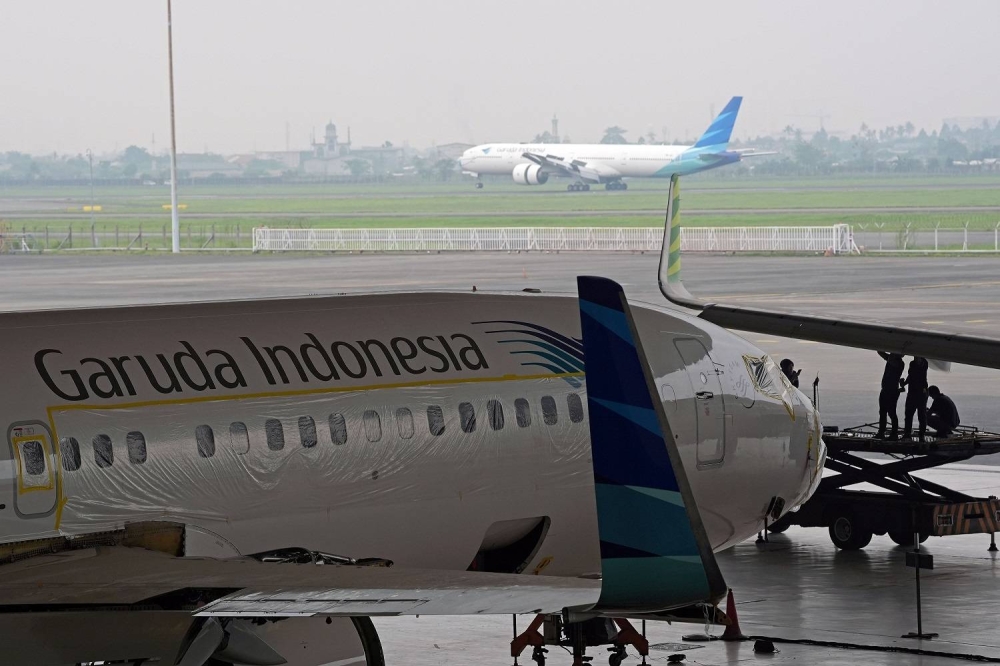
Passenger aircraft at Dubai International Airport. Air passenger connectivity offered by airports in the Middle East, Gulf Co-operation Council region in particular, posted an impressive 28% increase year-on-year in 2024, surpassing all post-Covid recovery forecasts.
Business

GCC’s improved air connectivity reflects region’s strategic importance, economic vitality

Beyond the TarmacAir passenger connectivity offered by airports in the Middle East, Gulf Co-operation Council (GCC) region in particular, posted an impressive 28% increase year-on-year in 2024, surpassing all post-Covid recovery forecasts.This, according to Airports Council International Asia-Pacific & Middle East (ACI APAC & MID), has been driven by strong international demand, robust network recovery, and the return of major travel corridors.Analysts say improved air connectivity is a reflection of the Middle East region’s strategic importance, economic vitality, and appeal to airlines and passengers. Since improved air connectivity facilitates trade, tourism, business travel, and global integration — these are integral to regional economic growth.The ACI Asia-Pacific & Middle East Air Connectivity Ranking is a comprehensive, passenger-centric analytical tool developed in collaboration with PwC in 2023 and refined for its third edition in 2025. The ranking evaluates the overall level of air passenger connectivity offered by airports across the Asia-Pacific and Middle East regions.It assesses performance through three fundamental building blocks: network scale and frequency, economic weight of destinations, and connection quality and efficiency.According to Airports Council International Asia-Pacific & Middle East, the Asia-Pacific region witnessed a remarkable 13% jump in overall connectivity compared to 2023, while the Middle East posted an impressive 28% increase, surpassing all post-pandemic recovery forecasts.On average, connectivity across all airports rose in both Asia-Pacific and the Middle East by +14%, a strong testament to the resilience and dynamism of the aviation sector.In Asia-Pacific, intra-regional connections are nearly back to pre-pandemic levels, trailing by just 0.2%. At the same time, intercontinental connectivity is on the rise, showing a solid 4% increase.The Middle East, however, isn't just recovering – it's setting a new pace. Both intra-regional and inter-continent connectivity have not only bounced back but have exceeded pre-pandemic levels by a significant margin of 18% and 16%, respectively.Commenting on the report, Stefano Baronci, Director General, ACI Asia-Pacific and Middle East, said: “Air connectivity is not only relevant for passengers seeking more travel options and convenience; it is equally crucial for supporting global trade and economic resilience, particularly through belly hold cargo capacity.”“While we celebrate this growth, we must remain forward-looking to ensure the momentum is sustained. Investment in airport infrastructure and technological upgrades is a prerequisite for enhancing connectivity, and airports across the region are undertaking significant investments to make this possible. In the face of growing geopolitical and trade tensions, we urge governments to prioritise air service liberalisation, streamlined visa policies, and transparent slot allocation frameworks. Lastly, we must not lose sight of the needs of small island and remote communities-- air connectivity remains their lifeline,” Baronci added.Rise of Airport City Clusters: The 2025 edition introduces a fresh dimension: An analysis of airport city clusters. Larger urban agglomerations like Shenzhen–Hong Kong–Macau, Tokyo, Shanghai, and Beijing dominate the new City Connectivity Index, demonstrating that the presence of multiple large airports enables higher flight frequencies and diversified routing options.Clusters such as Beijing and Shenzhen–Hong Kong-Macau have seen a substantial enhancement of connectivity through effective use of secondary airports. Seoul, Bangkok, and Taipei lead in per capita accessibility, offering exceptional connectivity relative to population size.Analysts see improved air connectivity in the GCC region reflecting a deliberate strategy by Gulf countries to position themselves as global aviation and economic hubs.Doha’s Hamad International Airport, Dubai, Abu Dhabi, Riyadh, and Jeddah have all undergone massive expansions.These GCC airports now serve as mega-hubs for international travel, offering seamless connections between the East and the West.Airports in the GCC now act as a midpoint hub for connecting passengers between continents. Improved transit facilities and airline alliances enhance the region’s attractiveness to global travellers.In the last two decades or so, GCC countries have either opened or increased frequencies on high-demand long-haul routes (e.g., to Europe, Asia, and North America). Enhanced intra-GCC connectivity also improves movement between Gulf States for business and tourism.Enhanced connectivity supports not just passenger travel but also air freight and cargo, making the GCC a logistics powerhouse. Doha and Dubai are cases in point.Improved air connectivity in the GCC denotes the transformation of the region into a critical global aviation and economic hub, driving diversification beyond oil and increasing regional and international influence. It clearly reflects a broader strategic vision that combines infrastructure development, airline growth, and geopolitical positioning.

Alex Macheras
Business

Stronger air-rail partnerships encouraged

Governments across Europe are pressing ahead with ambitious climate policies, and the transport sector – among the continent’s largest carbon emitters – has become a central focus. Aviation, in particular, continues to face political pressure, as countries introduce taxes, bans on short-haul flights, and stricter emissions targets. But as calls for greener travel intensify, something more nuanced is taking shape: A shift not from air to rail, but a blending of both.For decades, the idea of modal shift – encouraging travellers to choose rail over air – has been treated as a zero-sum game. Airlines lose, railways win. But that binary is changing. A growing number of air and rail operators are beginning to recognise that co-operation may be more powerful than competition, especially when it comes to meeting government sustainability goals while retaining commercial viability. And nowhere is this shift more visible than in France.In April 2022, the French government passed a law banning domestic flights on routes where a rail alternative exists with a journey time of less than two and a half hours. The law, which stemmed from an environmental clause attached to Air France’s €7bn Covid-era bailout, affects key city pairs such as Paris–Lyon, Paris–Bordeaux and Paris–Nantes. But rather than watch its passenger flows evaporate, Air France responded by deepening its partnership with France’s national rail operator, SNCF. The result is the expansion of the ‘Train + Air’ programme – a multimodal product that allows passengers to book a rail journey and flight on one itinerary, with through-checked baggage, schedule protection, and loyalty accrual.While this may seem like a simple intermodal convenience, its implications go far beyond that. By integrating SNCF’s high-speed TGV services with its flight network, Air France retains its role as the primary distributor of passenger journeys – even when the first leg is by train. In effect, Air France still owns the customer relationship and captures a share of the revenue, without having to operate a short-haul flight that is increasingly uneconomical and environmentally unpopular. It’s a quiet strategic win: governments are satisfied with fewer planes in the sky, railways gain ridership, and the airline preserves its relevance – and margins.Germany, too, is evolving in this direction. Lufthansa Group, which operates major carriers including Lufthansa, Swiss and Austrian, has long partnered with Deutsche Bahn. In recent years, that relationship has deepened through the “AIRail” programme, an increasingly integrated offering connecting high-speed ICE trains with long-haul flights from Frankfurt. Lufthansa now codeshares on a growing number of Deutsche Bahn services, sells rail connections via its website, and provides lounge access to rail passengers connecting to intercontinental flights. For Lufthansa, the logic mirrors that of Air France: Preserve the customer relationship, meet political expectations, and avoid flying inefficient short routes that jam up congested airspace and airport slots.But these partnerships are not merely reactive. As aircraft become cleaner and more efficient, and as airports face growth caps, many airlines are embracing intermodality as a proactive business strategy. The crux lies in maintaining profitability while adapting to a changing landscape. Airlines, fundamentally, are network businesses. A flight from Paris to New York is more valuable if it can connect to passengers from Nice, Marseille, Lyon or Bordeaux. If short-haul flights are axed, those feed routes must be replaced – and high-speed rail is increasingly stepping into that role. But for the model to work, airlines must retain visibility, control, and commercial participation in those rail legs.It’s no surprise, then, that new digital infrastructure is being developed to better integrate rail and air systems. Companies like AccesRail, a technology provider used by IATA, enable rail services to be sold in airline global distribution systems (GDS) under pseudo-airline codes. This makes a train from Brussels to Frankfurt bookable just like a Lufthansa flight, with all the same protections and pricing rules. The result is a growing number of hybrid itineraries that, to the passenger, feel seamless.In Austria, the government imposed a similar flight ban condition as part of Austrian Airlines’ Covid bailout a few years ago, specifically on the Vienna–Salzburg route. In response, Austrian replaced its flights with ÖBB Railjet trains, maintaining the journey as part of its booking system. The airline still earns from the passenger, and travellers benefit from direct connectivity to Vienna Airport, bypassing city traffic. The integration is supported by real-time data sharing between ÖBB and the airline, enabling efficient transfers and contingency planning in case of delays. Here too, the airline has not ‘lost’ the route – it has simply reconfigured it.Critics of these arrangements argue that airlines are merely outsourcing emissions while claiming climate virtue. But that view ignores the complexity of intermodal travel and the extent to which co-ordination is required to make it work. The economic structures underpinning these partnerships are carefully negotiated: Who gets what share of the fare, who bears the risk of missed connections, how loyalty benefits are applied. These are not marketing gimmicks – they are real, evolving frameworks for managing mobility in an era of constrained growth.And beyond Europe, the model is attracting attention. In Japan, where rail and air coexist at the highest level of sophistication, All Nippon Airways and Japan Railways have long co-ordinated timetables and ground services. In the United States, the previous administration’s green transport agenda has prompted conversations around better linking Amtrak services with airline hubs. Alaska Airlines recently launched a baggage transfer pilot with Amtrak, while American Airlines has begun testing through-ticketing on select northeast routes. The speed and density of US rail may be decades behind Europe, but the commercial logic is identical.At the heart of this shift is a simple truth: Governments want fewer emissions, passengers want convenience, and airlines need to be part of the solution. For an industry that has spent decades building identity around jet engines and global reach, handing over parts of the journey to rail is a significant cultural adjustment. But it is increasingly being seen not as a surrender, but as a strategic rebalancing. One that allows airlines to reduce exposure to volatile fuel prices, slot constraints, and environmental taxation – while still playing a dominant role in the total journey.For rail operators, the benefit is equally compelling. By tapping into the global distribution systems of airlines, they gain access to international passengers who would not otherwise think to book a train. The visibility of a TGV or ICE train on an airline website expands their commercial reach dramatically, particularly for travellers from markets like North America or Asia where rail is not always front of mind. It also boosts occupancy on underused services and allows rail companies to justify investment in premium offerings such as first-class lounges and onboard dining – offerings that align well with the expectations of business-class fliers.As Europe eyes stricter emissions targets for 2030 and 2050, and as airlines work to decarbonise long-haul fleets via SAF, hydrogen and next-gen aircraft, the short-term gains of intermodality become even more critical. It buys time. It reduces emissions today. And crucially, it does not require new infrastructure – just better co-operation.The blending of air and rail is not a silver bullet. There are challenges, particularly in standardising systems, aligning customer service models, and navigating national regulations. But as climate legislation sharpens, and as public pressure mounts on aviation to do more, the most pragmatic carriers will not be those who deny the need for change, but those who embrace partnership. If done right, the model can deliver a rare thing in transport: A political win, a financial win, and a passenger win – all on the same ticket.The author is an aviation analyst. X handle: @AlexInAir

Fahad Badar
Business

Where the skies are headed: Data, dollars and the Middle East

In 2024 there was a significant turning point for the international airline industry as air travel surpassed pre-Covid-19 levels, with full-year traffic 3.8% above 2019 levels, according to the International Air Transport Association (IATA).As the industry recovers, a growing share of the international business is being taken by Middle Eastern airlines and airports. The wealth of the region, its strategic location close to three continents, and the ambitions of its airlines, are all factors. The European industry faces higher environmental taxes, and the continent’s airlines cannot fly over Russian airspace owing to the Ukraine war. Also, western Europe is densely populated, making airport expansion difficult.The Covid-19 pandemic was financially devastating for the airline industry, it is recovering strongly, especially in the Middle East, with Qatar Airways announcing a major new order from BoeingQatar Airways has grown in scale and reputation in recent years. In an interview in March, Badr Mohammed al-Meer, the chief executive, said that the airline was in talks with manufacturers with a view, to increasing capacity from 50mn passengers per year to 80mn by the end of the decade. It would be followed by a deliberate pause in further expansion. Capacity at the Hamad International Airport, Doha, would be reached by then.In mid-May, Qatar Airways confirmed a major order with Boeing – for a potential total of 210 Boeing 777X and 787 Dreamliners in a deal worth $96bn, announced during President Donald Trump’s visit to the Gulf.Also in May, Qatar Airways Group reported its strongest ever financial results, posting annual profits of QR7.85bn ($2.15bn) for the 2024-25 fiscal year. This was an increase of more than QR1.7bn ($500mn) compared with 2023-24. Qatar Airways Cargo, a division within the group, registered a 17% increase in revenue.Badr Mohammed al-Meer said in his March Financial Times interview that the quality of service among some other carriers had deteriorated as they expanded rapidly, drawing attention to the importance of customer service in the industry. Many airlines are looking to increase the strength and reliability of Wi-Fi connections for passengers, for example by using the Starlink satellite network. As things stand, Internet connection tends to be weak and erratic for those in the air.This commitment to service and the latest communications technology implies that Qatar Airways will need to operate the newest aircraft on its routes. Given its large fleet, and the fact that a well-serviced aircraft can operate for 20 years, this opens the opportunity of opening a leasing arm, with older aircraft leased to budget airlines. Doha is a conveniently based hub for a leasing company, with the highest standard of aircraft maintenance.In aviation, one area where customer service is set to be improved through technology is by using robotics and AI to smooth security clearance at airports. Having to empty cabin luggage and pockets is an inconvenience for travellers, but advances in AI allow the ability to identify banned items via x-ray images, while facial recognition can spot individuals on watch lists.One factor behind the resurgence of air travel may be the sudden de-prioritising of sustainability and net zero as business issues – although development of renewable technologies will continue. But while a zero-carbon emissions commercial flight is still a few years off, energy efficiency, which reduces emissions, has long been a major factor in determining whether an aircraft is commercially viable. Engine manufacturers have made significant progress in improving fuel efficiency.Two high-profile, innovative aircraft – Concorde in the 1970s and the super-jumbo Airbus A380 in the 2000s and 2010s – were sold at far lower levels than the manufacturers hoped, in part because of lower energy efficiency compared with competitors and, in the case of Concorde, concerns over noise and air pollution.These major investments may appear to be strategic errors by the manufacturers, but this is to misunderstand the nature of the industry. Designing and building a commercial aircraft costs billions of dollars in investment, while the design, testing and manufacturing process takes years. It is impossible to anticipate market conditions several years ahead. Disruptions such as the financial crisis of 2008 and the pandemic of 2020-2022 cannot be anticipated. Both had a seismic impact on travel, especially business travel.For example, the double-deck, four-engined A380 super-jumbo is relatively cost-efficient on a per-passenger basis, but only if the airline fills all or nearly all of the seats. As an airline executive once observed, if demand for a certain route is less than hoped for, you cannot send the top deck somewhere else. Production of the aircraft ceased in 2021. Efficient, twin-engined aircraft now dominate the market, including for many longer routes.For decades, Boeing and Airbus have been the major suppliers to the industry, and they continue to dominate. The Brazilian company Embraer is a significant manufacturer of mid-sized aircraft. Will this pattern change in the future? Chinese car companies have emerged as global players, especially in the EV market, and a similar development could emerge in aviation. The Chinese state-owned aircraft manufacturer Comac has civil aircraft in commercial use. The narrow-body jet airliner C919 is being flown by Chinese carriers on domestic routes, and is undergoing certification for international routes. The wide-body C929 is in development.It would be sensible to anticipate growing market share for Comac in the coming years.The centre of gravity of the aviation industry is undergoing something of a shift from Europe and America towards Asia, and global growth is likely to continue – but, as with any industry, it is difficult to predict future disruptions and other developments.The author is a Qatari banker, with many years of experience in the banking sector in senior positions.

Gulf Times
Opinion

A plan to end malaria in Africa

Despite being preventable and curable, malaria has continued to claim African lives. In 2023, the continent accounted for around 95% of the 597,000 deaths from malaria worldwide, 76% of which were children under the age of five.But eliminating this scourge, which impedes development goals and realisation of the African Union’s Agenda 2063, is within reach. Nine AU member countries – Algeria, Cabo Verde, Egypt, Lesotho, Libya, Mauritius, Morocco, the Seychelles, and Tunisia – have become malaria-free, owing to sustained political commitment and well-targeted public investment in primary health care and disease surveillance and case management. African countries with a higher malaria burden should heed their example.Algeria, for example, invested in effective vector control through indoor residual spraying, universal healthcare access for malaria diagnosis and treatment, and rapid outbreak-response mechanisms. Cabo Verde’s strategic malaria-elimination plan involved a multisectoral approach, whereby the government worked closely with local communities and international organisations. Egypt’s multipronged strategy included, among other things, robust training programs for primary health workers. Implementing these co-ordinated interventions required the political will and, crucially, increased domestic financing.Overall, Africa’s efforts to control malaria – particularly through the use of insecticide-treated nets, indoor spraying, and seasonal chemoprevention (which involves giving children a monthly course of antimalarial medicines) – have driven a notable decline in malaria deaths on the continent, from 805,000 in 2000 to 569,000 in 2023. (The Covid-19 pandemic, coupled with the emergence of partial resistance to the well-established malaria medicine artemisinin, caused a brief uptick, to 598,000, in 2020.)But these gains are fragile, particularly as new mosquito variants emerge, insecticide resistance grows, climate change worsens, humanitarian crises become more frequent, and, perhaps most importantly, the global malaria-funding gap widens. In 2023, only $4bn was mobilised for malaria elimination, far below the $8.3bn annual target, and a slight drop from the $4.1bn raised in 2022. The problem is even more acute in Africa, where external health aid has declined by a whopping 70% between 2021 and 2025. Moreover, most African countries devote less than 10% of their national budgets to the health sector – well below the 15% target set by the 2001 Abuja Declaration.Given the uncertain future of foreign aid, African governments must recognise malaria as a development priority and invest more in efforts to control and eliminate it. That means leveraging untapped resources, including the more than $95bn in annual remittances from the African diaspora. Innovative financing instruments such as diaspora bonds could support the continent’s public-health agenda. Solidarity levies on tobacco, alcohol, mobile transactions, and airline tickets could also generate billions of dollars for health services. And scaling up national health-insurance schemes will be required to expand access to malaria prevention, diagnosis, and treatment.Blended finance can unlock private capital for malaria-related research and development, as well as local manufacturing of therapeutics. With Africa’s health-care market projected to be worth $259bn by 2030, policymakers should capitalise on this opportunity to create effective public-private partnerships, advance last-mile delivery solutions, and improve surveillance and vector control.This would be an investment in Africa’s present and future, because every dollar spent on malaria control and elimination generates a remarkable return of $36 in economic growth. A malaria-free population is more likely to access education and contribute to the continent’s socioeconomic development. And let me be clear: investing in the fight to end malaria is not only a health and economic imperative; it is an act of justice. The disease disproportionately affects the poorest and most vulnerable Africans, perpetuating cycles of poverty and inequality.Last year, I joined health ministers from 11 AU member countries with high malaria burdens in committing to accelerate efforts to reduce deaths from the disease. As part of the declaration, we agreed that “no one should die from malaria given the tools and systems available.”The task now is to take concrete action. The Africa Centers for Disease Control and Prevention (of which I am director-general) is ready to help develop a continental strategy for ending malaria in Africa by 2040. By making smart investments, implementing well-targeted policies, and deepening collaboration, we can ensure that all African countries become malaria-free within the coming generation. – Project SyndicateJean Kaseya is Director-General of the Africa Centers for Disease Control and Prevention.

Gulf Times
Qatar

Migration to UK halves in 2024

The number of migrants to the United Kingdom halved in 2024, reaching 431,000 people due to several factors, including stricter restrictions on student and work visas.According to official data from the UK’s Office for National Statistics, the estimated number of migrants last year was 431,000, compared to 860,000 in the previous year ending in December 2023. It is the largest drop in net migration since the COVID-19 pandemic, with long-term net migration declining by about 50 percent.The office reported a noticeable decrease in the number of people arriving with work and study visas, alongside a rise in emigration, particularly among those holding such visas.The previous government had tightened the requirements for applicants seeking these types of visas, including setting higher salary thresholds and denying them the ability to bring family members. Immigration has since become a contentious political issue in the UK, with Prime Minister Keir Starmer unveiling new immigration policies earlier this month, vowing to finally take back control of the country’s borders.The measures included reducing the number of foreign care workers and doubling the period migrants must wait before qualifying for permanent residency. New powers were also introduced to allow for the deportation of foreign criminals.Starmer, a former human rights lawyer who voted in favor of the UK remaining in the European Union, now faces renewed pressure to address immigration following gains made by the anti-immigration Reform Party in recent local elections.

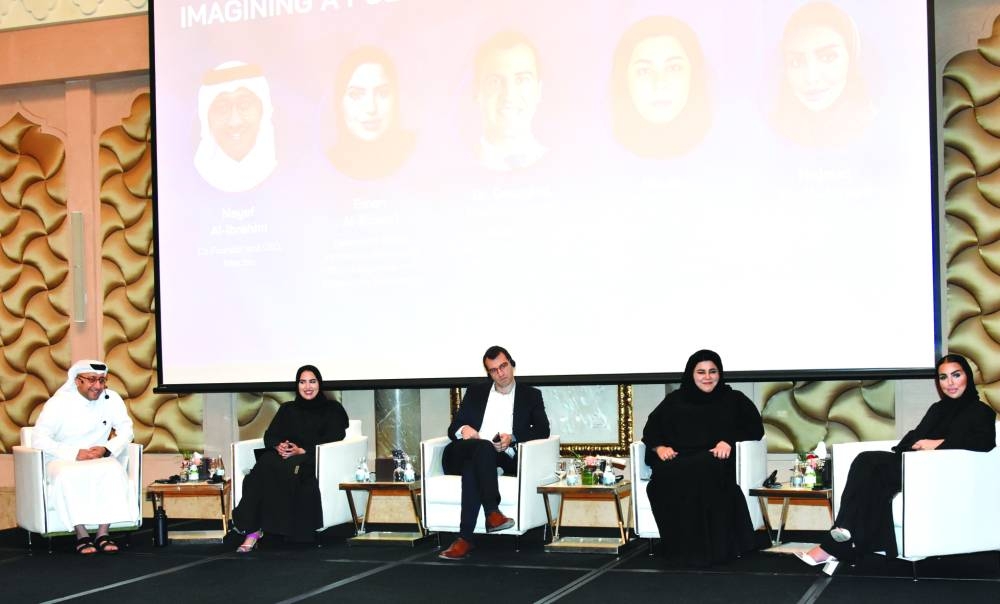
HE the Minister of Municipality, Abdullah bin Hamad bin Abdullah al-Attiya, at a session at the Qatar Economic Forum Wednesday. PICTURE: Shaji Kayamkulam
Business

Qatar, GCC infrastructure 'most ready' to utilise AI: Al-Attiyah

Qatar and the GCC countries have the infrastructure most ready to utilise artificial intelligence (AI), noted HE the Minister of Municipality, Abdullah bin Hamad bin Abdullah al-Attiyah.Speaking at a panel session at the Qatar Economic Forum Wednesday, Attiyah said: "the GCC as a whole has the unique opportunity to lead in smart cities and actual use of AI in urban planning."“I always believe that the biggest place that can invest in AI is the Middle East, because we are already prepared. We have a very modern infrastructure... we have the cheapest energy in the world... and we have all the infrastructure ready for data centres. But yes, being smart, I totally agree, you need to be flexible, and you can diversify your real estate from offices to apartments, or from databases to energy transition, or to health centres.Al-Attiyah said: “And it seems that every time we have a global talk, real estate investors’ talk about it... like back in Covid, people were talking about health services and how it is very good to invest in health services.“And that was just two years ago. Now we are talking about databases because of AI. Honestly, I think in real estate (globally), there are very good opportunities, but it is really picking up from where it was last year. Interest rates are coming down, and I believe they will continue to come down.”“Obviously, there are some uncertainties. Geopolitical tensions and trade policies will put pressure on it. However, if you don't invest now, when will you then?Asked whether the neighbouring countries are posing competition to Qatar in developing infrastructure or real estate, al-Attiyah said: “I believe the whole Gulf is one country. We build on each other. Whatever good stuff happening in Saudi Arabia...the big boom and the big investments... we are benefiting from that. One of our biggest batch of tourists come from Saudi Arabia.“We are working very closely with Dubai as well. We are actually building on each other.”On Qatar, the minister said: “We are the safest country in the world. In Qatar, we have the best schools. We want to build on that.“We want a place where your lifestyle will be different, where you can see your children going to schools without the need to go through security. You have been to Qatar... you have been through our new cities...our smart cities... and you know what we have to deliver.”The minister noted that Qatar National Vision 2030 was built on learning from others.“We started late, when it comes to the infrastructure game. And that is why I am saying, we have the best infrastructure in the world, because we learned from everyone else. Who do you think were the consultants who built or designed our infrastructure? They are from the US...we had people from Singapore... from the UK. So, everything was put into that.“That is why I am saying, our infrastructure is the most ready to utilise AI, because we have all the data. AI cannot work without having the data to actually access.”Al-Attiyah also said the appetite for real estate will always be there.“While investing in real estate, it is important to note that quality does matter, location does matter. Real estate does go with the economy, but it will always have something that will pays one back. Now that people are getting back to offices, post-Covid, we need good quality new offices... they are in demand globally.“Real estate is a good place to invest in. There is a saying in Arabic... real estate can get ill, but it will never die!”

(From left) Joumanna Bercetche, HE Saad Bin Ali al-Kharji, and Sébastien Bazin at the Qatar Economic Forum 2025 Wednesday. PICTURE: Shaji Kayamkulam
Qatar

Tourism contributes 8% to Qatar’s GDP in 2024

Qatar's tourism sector is witnessing an unprecedented surge, recording 5mn visitors and 10mn room nights in 2024, marking a significant 25% increase from the previous year, according to Qatar Tourism (QT) chairman HE Saad bin Ali al-Kharji.Speaking during the 'Tourism in Focus' session at Qatar Economic Forum 2025 Wednesday, he said this growth underscores Qatar's strategic shift from solely focusing on visitor numbers to prioritising the economic impact generated by extended stays.He announced that the tourism sector contributed QR55bn to the national GDP in 2024, representing 8% of total economic output — a 14% increase over 2023. He assured that Qatar is well on track to achieving its Tourism Strategy 2030 goal of contributing 12% to GDP, highlighting the sector’s increasing importance in the nation’s broader economic diversification strategy.HE al-Kharji underlined Qatar’s leading position in regional room night growth, with a 22% increase, surpassing other prominent Gulf destinations.“I'm very happy to find Qatar ranking number one in the region with a growth around 22% in room nights,”, he added, noting that Abu Dhabi and Kuwait followed with 8-10% growth.The session, moderated by Joumanna Bercetche of Bloomberg Television, explored the evolving landscape of global tourism, touching upon luxury, sustainability, health tourism, and Gulf competition.Al-Kharji noted that Qatar is strategically building on the momentum from the 2022 FIFA World Cup, which HE the Prime Minister likened to an 'IPO moment' for the country." He said the nation continues to host various international events, utilising its state-of-the-art infrastructure.“The big events are non-stop that we host in Doha, and to utilise the great infrastructure we have," he said, noting that this year alone, Qatar is set to host the FIFA World Cup Under 17, the Arab Cup for the second time, and Formula 1 in the last quarter. He added that Doha is currently hosting the World Cup for Table Tennis, and will host the 2027 Basketball World Cup, as well as the Asian Games for the second time in 2030.Joining al-Kharji on the panel was Accor Group Chairman and CEO Sébastien Bazin, who has visited Qatar more than 100 times in the past three decades and expressed his long-standing admiration for the country's development.Bazin expressed optimism for the global travel industry, predicting a “golden age” where demand will significantly outpace supply. “The tourism travel industry is a blessed industry," he said, adding that demand has consistently grown at 3-5% annually for the past 50 years against a supply growth of 1.5-2%. He forecasts this trend to intensify in the next two decades, with demand potentially increasing by 4-6% while supply remains at 1.5-2%.This unprecedented growth, according to Bazin, is fueled by three key factors: higher global demography, the rapid growth of the emerging middle class, and improved means of transport. Accor considers the GCC region to be the fastest-growing globally for its business, having increased by 32% since pre-Covid times.Bazin also cited the emotional aspect of travel, stating, “You always forget what people say, you always forget what people act but you don't forget what they make you feel.”He underscored Accor's focus on creating feelings, sentiments, memories, and souvenirs, particularly within the luxury segment, aligning with Qatar's efforts to diversify its offerings to ensure longer, more enriching “staycations” for visitors.

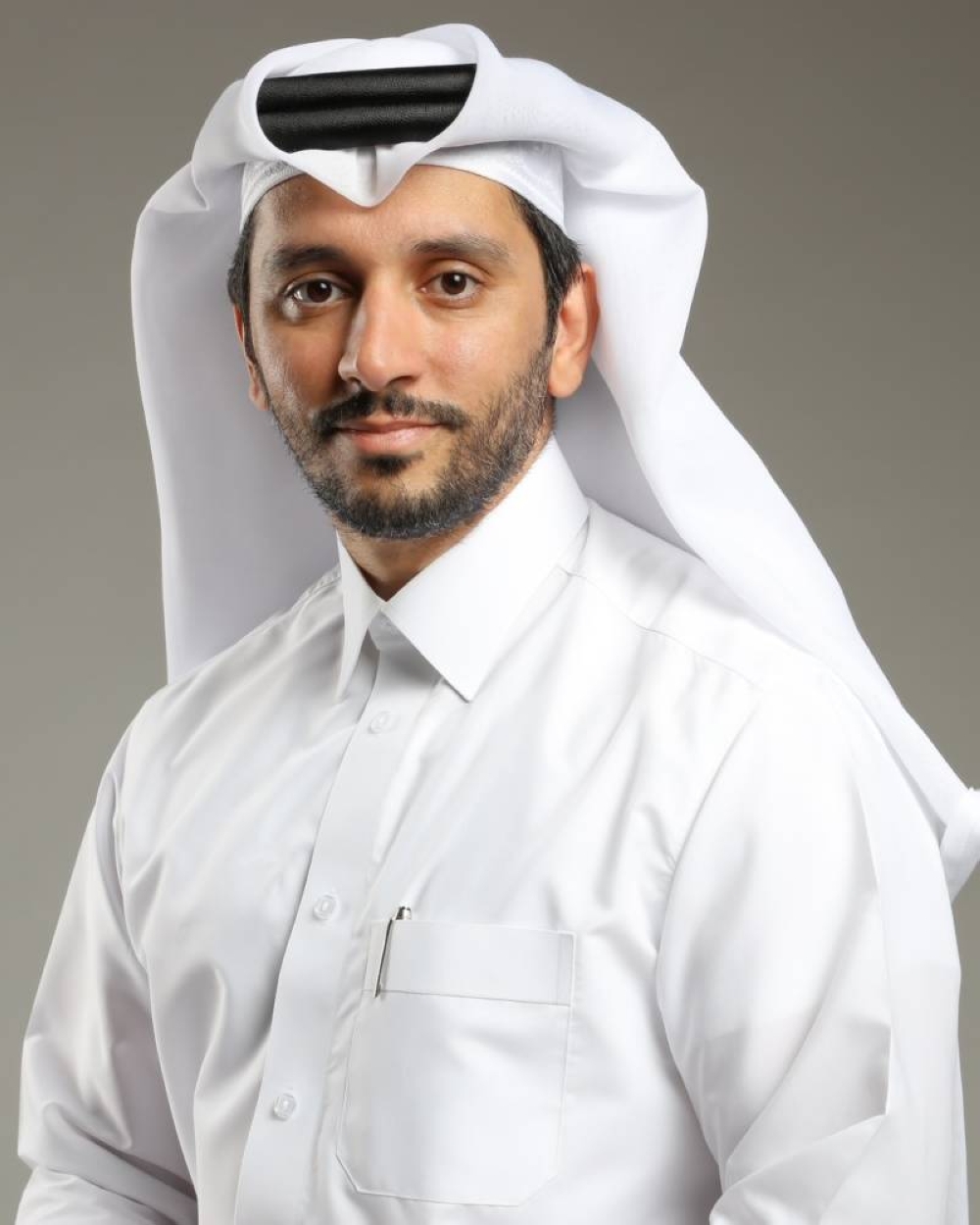
Selim Kervanci, CEO, MENAT at HSBC.
Business

HSBC accelerates Asia-MENAT trade connectivity through strategic partnerships: Selim Kervanci

Annual two-way goods trade between Asia-Middle East is projected to more than double to over $1.9tn by 2035, noted Selim Kervanci, CEO, MENAT at HSBC. GCC-Emerging Asia trade is on track to reach $682bn by 2030 (at 7.1% per year), and Gulf-China trade is set to grow from $225bn in 2023 to $325bn by 2027, surpassing the Gulf’s trade with Western economies. From June 2023 to June 2024, Middle East sovereign wealth funds have invested $7bn in China – a five-fold increase year-on-year (y-o-y).“Our 160-year heritage in Asia and over 130-year presence in MENAT, gives us the expertise and reach to help execute meaningful connections. We are accelerating Asia-MENAT trade connectivity through strategic partnerships. Last week, HSBC Hong Kong signed MoUs with Chinese firms PCI Technology Group and Meetsocial in Qatar and Kuwait during a recent HKTDC-led mission, supporting their expansion into GCC markets,” Kervanci said. He said the Asia-MENAT corridor is entering a transformative phase as supply chains diversify and regional partnerships deepen. HSBC is investing in digital trade, sustainable finance, and sector expertise to help clients capture new opportunities and navigate challenges.The bank’s brand strength, global network, more than 130-year regional legacy, and deep client trust provide a strong competitive edge in facilitating these flows across this corridor.It brings significant and accelerating opportunities across capital markets, wealth management, and a wide range of sectors, from infrastructure and energy to technology and healthcare. As trade, investment, and capital flows deepen between the two regions, businesses and investors are increasingly seeking partners with deep local insight and global connectivity.HSBC, with its strong presence across both Asia and MENAT and its universal banking capabilities, is uniquely positioned to support clients in capturing these opportunities.“According to our research, MENAT could see the average pace of growth rise to above 3.5% this year, up 1.4 percentage points on last year’s average. This should lift MENAT GDP to almost $4tn by the end of 2025, up more than 40% on its pre-Covid-19 level.The size of the Gulf’s giga project pipelines are estimated to be worth approximately $3tn, and let’s not forget – MENAT is home to four of the world’s 10 largest sovereign wealth funds – that’s a significant concentration of global wealth within this region,” Kervanci said. The region will continue to attract strong inbound and outbound capital flows by deepening local markets, advancing regulatory reforms, and positioning itself as a global investment hub at the crossroads of Asia, Europe, and Africa.Despite these opportunities, challenges persist, including the need to adapt to evolving regulatory environments, economic and geopolitical uncertainties, and the need to build sustainable and resilient supply chains.HSBC is well positioned to support its clients in addressing these challenges by leveraging its international expertise, investing in digital platforms, and fostering partnerships that support clients’ ambitions in this dynamic corridor.He noted MENAT is a key growth region for HSBC and a profit accelerator beyond its two home markets – UK & HK.“We are aligned with our global ambition to be Number 1 in Corporate and Institutional Banking (CIB) and be the bank of choice in International Wealth and Premier Banking (IWPB). “We are investing in our people, in technology, and in expanding what we can offer here. If there is one region that we will continue investing in when it comes to transaction and institutional banking business, it is the Middle East.”Kervanci noted, “Last week we announced the creation of a refocused capital markets and advisory business, building on our competitive strengths and creating a more comprehensive product offering to clients on the private side. The aim is to strengthen the bank’s global focus on debt financing, as well as strategic advisory in Asia and the Middle East. Over the next three years, we will also continue to invest in our international wealth business to meet the needs of affluent customers, including our Private Banking clients in Qatar.“We have the products and skills required to serve the global banking needs of international corporate clients, particularly in transaction banking.”He said privatisation programmes are a key growth engine for MENAT governments and institutions, and HSBC continues to lead. “We acted on 90% of all jumbo IPOs of over $1bn in the Middle East and led half of all equity raised on Middle East capital markets since 2021. We are the only bank to have topped the Middle East League Tables for ECM and DCM activity in four consecutive years and led eight out of the 13 largest international IPOs in 2024.HSBC continues to play an instrumental role in thought-leadership in Qatar’s transition to net zero ambitions – we have contributed towards the development of sustainable finance frameworks for the Ministry of Finance, Qatar Financial Centre and Al Rayan Bank to name a few.“We were part of landmark transactions that include QNB’s inaugural green bond issuance, State of Qatar’s debut green bond issuance, green financing for Rosewood Hotel (owned by Qatari Diar) in London and advising Nebras Power in its 49% investment in the windfarm renewables project in Australia.“Most recently we participated in the green term loan facility for Qatar Holding, KPI ESG linked repo for Al Rayan Bank and the sustainability linked facility for Qinvest,” Kervanci said. HSBC has deep-rooted heritage in Qatar that dates to 1954, and today we are the largest international bank, custodian to over nearly 90% of foreign institutional investor assets in Qatar, with a comprehensive investment banking platform, and the only full-service onshore and offshore private banking capability.“Our 70-year history in the country is the foundation for ongoing growth in the future, and we are committed to supporting Qatar’s private sector development and economic diversification.”He said Qatar’s economy is anchored by its well-established balance sheet strength, and the recent energy sector investment is set to bring a fresh surge in LNG production, export volumes and budget revenues, while driving growth across key sectors.The planned 85% expansion of LNG output will re-establish Qatar as the world’s leading producer. Qatar Investment Authority is the world’s 8th largest sovereign wealth fund with assets over $526bn, and a mandate to create long-term value for the country and future generations through international and domestic investment initiatives.The country is actively welcoming international investments to grow its private sector, while exploring the potential of emerging industries, such as technology, clean energy, manufacturing, tourism and sports.“We remain confident of Qatar’s near and long-term economic prospects, and our growth story in Qatar is aligned directly to the country’s economic transformation. We capture more than 90% share of foreign investors at the Qatar Exchange (custody) and more than 50% share of multinational corporates business in Qatar. Many of our milestone achievements over the past seven decades are the product of combining local expertise and global connections to deliver unique banking solutions.“Our offering is comprehensive and ranges from credit and lending solutions to global trade, payments, markets and advisory solutions, designed to meet the evolving needs of large family groups and mid-market enterprises. Our international footprint enables us to support international subsidiaries of Qatari private businesses in all markets globally where HSBC has presence.At the same time, we help Qatari private businesses manage the banking needs of their joint ventures with inbound multinational businesses,” Kervanci added.

Gulf Times
Qatar

Qatar Airways Group profit jumps 28% to ‘record’ QR7.85bn in 2024/2025

Qatar Airways Group has registered a 28% growth in its profit for the financial year 2024/2025 to more than QR7.85bn, which is the “strongest set” of financial results in its history.The profit shows an increase of more than QR1.7bn on the year before, Qatar Airways said yesterday.Announcing the financial results in Doha, the national airline said its cargo arm - Qatar Airways Cargo, which is the world’s leading cargo carrier, has delivered a remarkable financial performance, recording a 17% growth in revenue and achieving the best financial results since Covid-19.“This is attributed to its agility in adapting to shifting market conditions, a focus on investing in digitalisation, deeper data-driven analyses, and its best-in-class reliability,” Qatar Airways said.Qatar Airways Group Chairman HE Saad Sherida al-Kaabi, who is also the Minister of State for Energy Affairs, said: “These financial results show yet again Qatar Airways Group’s leadership position not just in global aviation, but in driving the global economy. The achievements across the 2024/2025 financial year continue to position the airline and Group as a global economic force.“This is not just a product of our employees’ hard work, but of thoughtful, deliberate and strategic planning, which has allowed the business to thrive in a stable and sustainable way.“Record-breaking profitability, underpinned by sound business decisions, is a hallmark of our success and I have every confidence that we’ll see it continue.”Qatar Airways Group Chief Executive Officer Badr Mohammed al-Meer said: “These record-breaking results are a testament to the hard work, skill and dedication of teams across all of Qatar Airways Group. I know that none of the outstanding results we are announcing today would be possible without our people – more than 55,000 of them across the globe - and it is our focus on fostering that talent, which has been a core focus of our Qatar Airways 2.0 strategy.“We have also successfully implemented strategic partnerships throughout the industry, in order for the Group to remain agile in the face of ever-shifting world events, whether political, economic or environmental.“All of this means we continue to offer and develop exceptional service in the skies, whether it’s the award-winning Qsuite, fine dining, or super-fast complimentary Starlink internet connectivity for all passengers.”Key achievements of Qatar Airways Group over the last financial year include:- Record-breaking 28% increase in profit in 2024/2025 financial year.- Expansion of Hamad International Airport, enabling it to cater for 65mn passengers annually.- First global airline, and first in MENA region, to install Starlink super-fast WiFi on its Boeing 777 fleet.- 25% minority stake in Virgin Australia.- 25% acquisition of South African premier regional airline, Airlink.- Introduction of conversational AI into its world-first digital cabin crew, Sama.- A range of technical MoUs future-proofing and diversifying the business across the sector, as well as working to fulfil the ambitions of the Qatar National Vision 2030.Qatar Airways recently made historic aircraft and engine orders, ensuring that its already modern and technologically-advanced fleet remains at the forefront of commercial aviation, providing world-leading service to passengers across the globe.