Search - covid 19

Wednesday, December 24, 2025 | Daily Newspaper published by GPPC Doha, Qatar.

Search Results for "covid 19" (360 articles)

Dr Mustafa Goksu
Opinion

July 15: Turkiye’s determination, empowerment against all odds

The night of July 15, 2016, began like any other evening — but ended as a turning point in Turkiye’s modern history. It was a night of betrayal and defiance, fear and courage, but above all, a night when the will of the people determined the course of a nation. The night of July 15 is etched in our nation’s collective memory as one of the longest nights but also as one of the greatest epics in Turkiye’s glorious history. It has been nine years since the nefarious coup attempt of July 15, 2016 carried out by Fetullah Terrorist Organisation (FETO), which was foiled by our beloved nation’s and security forces’ honourable, courageous and heroic stance. Far from faltering, Turkiye emerged from that not weakened, but emboldened — ushering in a new era marked by strategic empowerment. The Turkish nation and government turned an existential threat into a victory. The steadfastness of its institutions and the collective will of its people transformed the darkest night into a defining moment of national resilience. July 15 was another resolute chapter in the proud history of Turkiye. In the aftermath of FETO-led failed coup, Turkiye emerged even stronger, by embarking on a new era powered by its strong past that is marked by strategic autonomy and global engagement. Rather than retreating inward, Turkiye channelled this momentum into a period of visionary transformation. In the education field, Turkiye undertook a major domestic reform by transferring institutions that had previously been controlled by FETO to the Ministry of National Education. This initiative reinforced national sovereignty in education. On the international front, the Turkish Maarif Foundation has become a prominent global player in education. The foundation assumed responsibility for schools that FETO had operated for years in various countries and expanded its global footprint. Today, it runs 586 educational institutions across 55 countries, maintains formal relations with 108 states, and serves over 70,000 students worldwide. Turkish foreign policy prioritises strengthening regional peace and security through combating terrorism and extremism, conflict prevention, peaceful resolution and mediation, and regional ownership. Turkiye has significantly expanded its diplomatic footprint, global reach and influence since July 15. As a result of its deepening and widening comprehensive policies, Turkiye has spawned the 3rd largest diplomatic network globally with 262 missions. This expansion is not merely a statistic, but a reflection of Turkiye’s determination to shape, not just observe, global events. Today Turkiye conducts a diplomacy that thinks globally but acts locally in every corner of the world by availing from several complementary political, economic, humanitarian, and cultural tools. Despite the negative repercussions of the July 15, Turkiye strove through Covid-19 and the earthquake disaster in 2023 successfully. The nation’s economy has defied global trends, growing steadily and retaining its place among the world’s 20 largest economies. Exports reached a record $262bn in 2024. This figure is expected to be over 270bn in 2025. With its population of 85mn, Turkiye’s GDP per capita has exceeded $15.000. Turkiye has witnessed an increase of tourists from all parts of the world, as it was and will remain one of the favourite destinations. Turkiye hosted nearly 62mn tourists in 2024. Turkiye has also become a leading humanitarian power. It ranked 1st globally in humanitarian aid as a percentage of GDP, and is recognised as the world’s most generous nation based on per capita spending. Together with its diplomatic activism and economic dynamism, Turkiye has strengthened its national defence capabilities with unprecedented speed and success. Only one and a half months after the abhorrent coup attempt of July 15, Turkish army successfully conducted “Operation Euphrates Shield” on August 24, 2016 against DEASH as well as “Operation Olive Branch” on January 20, 2018 and “Operation Peace Spring” on October 9, 2019 against PKK elements in Syria. These military operations contributed significantly to the supporting efforts for a peaceful resolution and paved the way for the current political ground today in Syria. In collaboration with Qatar, Turkiye paid immense efforts for maintaining the stability of Syria by backing the new government and lifting the sanctions. Turkiye’s defence industry has become a global leader with an R&D budget nearing $3bn, over 80% domestic production, and a project portfolio exceeding $100bn. Iconic platforms such as the Akıncı and Bayraktar TB2 unmanned aerial vehicles (UAVs), the amphibious assault ship TCG Anadolu, the 5th-generation fighter jet KAAN, and the supersonic trainer Hürjet are no longer just national milestones — they are strategic assets reshaping regional dynamics. Turkish UAVs have not only demonstrated their efficacy in various Turkish military operations but have also attracted international attention, leading to exports to several countries. Turkiye accounts for 65% of the global UAV market and is home to the world’s biggest drone manufacturer. As President Recep Tayyip Erdogan recently stated, out of every 3 UAV that are sold globally, 2 of them are manufactured by Turkish companies. In the technology sector, Turkiye has made impressive advancements, particularly with the launch of Turksat 5A and Turksat 5B satellites in 2021. Turkiye has not only continued its ongoing major infrastructure projects (Eurasia Tunnel), also has added them the new ones (1915 Çanakkale Strait). In times of struggle, real brothers stand tall. In times of adversity, Turkiye and Qatar have consistently demonstrated a genuine brotherhood that is measured not by convenience, but by solidarity in hardship. Throughout the critical juncture and uncertainty of July 15, His Highness Sheikh Tamim bin Hamad al-Thani, was the first leader to express solidarity with Turkish people and government by holding phone call with President Recep Tayyip Erdogan. It was a bold and principled stance as nobody could have guessed how the events would unfold. Furthermore, HE the Prime Minister and Foreign Minister Sheikh Mohammed bin Abdulrahman bin Jassim al-Thani was among the first foreign officials to visit Turkiye in the aftermath of this night. Turkish nation will always remember brotherly Qatar’s firm stance, its unequivocal support for Turkiye’s elected government, and Qatari people’s deep empathy with the Turkish people. In fact, this spirit of fraternity continued and continues to shape the brotherly bilateral relations. In the wake of the earthquakes struck Turkiye in 2023, Qatar was among the first nations to mobilise emergency aid and humanitarian relief. Likewise, as recently shown, President Erdogan, expressed our country’s condemnation of any kind of attack that violates Qatar’s sovereignty, and reiterated that Turkiye stands by brotherly Qatar. Today, Turkiye-Qatar relations are stronger than ever. There is a strategic partnership which was institutionalised through the establishment of Supreme Strategic Committee (SSC) mechanism in 2014. So far 10 SSC meetings have been convened. In the 10th SSC meeting held in Ankara in 2024, the total number of agreements signed since the first SSC reached to 117 ranging across defence, energy, trade, education, and humanitarian sectors. The 11th SSC is envisaged to be met in the second half of 2025. The bond between Turkiye and Qatar is deeply rooted and the two countries collaborate to realise a shared vision for a more stable, peaceful and prosperous world particularly in the regions experiencing humanitarian crises and political instability such as Gaza, Syria, Somalia, Afghanistan and Libya. In that vein, our countries pursue complementary diplomatic, humanitarian, and development initiatives aimed at promoting peace and conflict resolution, fostering regional stability, supporting legitimate governance structures, and addressing urgent humanitarian needs from Gaza to the Horn of Africa. Toward the Century of TurkiyeThe spirit that resisted on the night of July 15, 2016 continues to guide Turkiye’s trajectory. It is the spirit of a nation that refuses to be subdued — by coup plotters, natural disasters, or global headwinds. Turkiye today is not defined by the threats it has faced, but by how it has responded to them: with vision, with solidarity, and with resolve. This is not only a story of survival. It is the story of victory. It is the victory of resilience and empowerment. And that victory, forged in struggle and unity, bears the name of Turkiye.

Gulf Times
Region

GCC countries' population hit 61.2 million in 2024

The population of the Gulf Cooperation Council (GCC) countries reached approximately 61.2 million by the end of 2024, an increase of 36 percent, or more than 2.1 million people, compared to 2023.In a report marking World Population Day, which falls on July 11 of each year, the GCC Statistical Center (GCC-Stat) outlined that the population in the GCC countries are rapidly recovering from the impact of the COVID-19 pandemic. The population has increased by approximately 7.6 million people since 2021, or 14.2 percent, reflecting the resumption of population growth at an accelerated pace after the slowdown experienced by some countries during the pandemic.The total male population in the GCC countries reached approximately 38.5 million, constituting 62.8 percent of the total population, while the number of females reached approximately 22.7 million, representing 37.2 percent of the total population.Data from the GCC Stat indicated that the population of the Gulf Cooperation Council countries constitutes 0.7 percent of the world's population. The sex ratio in the GCC countries reached 169 males for every 100 females in 2024, while the gender ratio for the total global population reached 101 males for every 100 females in 2024.

Gulf Times
Business

QNB expects ECB to continue cutting Interest rates

Qatar National Bank (QNB) expects the European Central Bank (ECB) to continue cutting interest rates on at least two occasions by 25 basis points, reducing the deposit rate to 1.5 percent. In its weekly report, the bank voiced belief that despite volatile short-term price pressures and growing concerns about trade disputes related to tariffs, risks related to weak growth performance are gaining more importance than concerns related to inflation. Spiralling inflation in the Euro Area was finally stabilized last year after an unprecedented cycle of policy rate increases by the ECB, said the bank in its weekly commentary. The most aggressive tightening sequence in the history of the ECB took the benchmark interest rate to 4 percent, as a response to the unprecedented post-Covid inflationary shock. This was followed by a "holding" period of nine months, as the central bank waited for inflation to shorten the gap between the peak of almost 11 percent and the 2 percent target of monetary policy, QNB added. Interest rate cuts finally began in June last year at a cautious pace, as ECB officials gained confidence in diminishing price pressures. This brought the deposit rate to 2 percent, a level broadly within the "neutral range" that implies that monetary policy is neither expansionary nor contractionary. With inflation recently oscillating narrowly around the 2 percent mark, the ECB must now calibrate the appropriate terminal rate. In QNB's view, the macroeconomic outlook warrants two additional rate cuts this year. In this article, we discuss three key factors behind QNB analysis. First, there is an increasing likelihood that inflation will meaningfully undershoot the 2 percent target of the ECB. The latest release of consumer prices displayed a headline inflation rate of 1.9 percent in May, before hitting the 2 percent target in June. Additionally, reduced wage increases will further diminish price pressures in the labour-intensive services sector, which typically exhibits highly persistent inflation. More importantly, markets are signalling that inflation will decrease in the year ahead. Financial instruments can provide useful information regarding the expected evolution of macroeconomic variables. Specifically, the euro-inflation swap-rate reveals inflation expectations of investors. Since the peak of 4.2 percent reached early 2023, market inflation expectations have been on a downward, even if irregular, trend. For the last four months, expectations for a year ahead have remained below the 2 percent target, after reaching a low of 1.2 percent. The disinflation expectations add to concerns that the ECB will undershoot its target, giving room for additional interest rate cuts. Second, after lingering on the verge of a recession for the last two years, the Euro Area is set for another period of underwhelming growth performance. The recent prints of the Purchasing Managers Index (PMI) point to a stagnant economic outlook. The PMI is a survey-based indicator that provides a measurement of improvement or deterioration in the economic outlook. The composite PMI, which tracks the joint evolution of the services and manufacturing sectors, has remained below or close to the 50-point threshold that separates contraction and expansion since August last year. The conditions for the manufacturing sector are particularly negative, with the PMI for industry having stayed in the contraction range for the last three years, amid the region's energy crisis, geopolitical uncertainty, and escalating global trade conflicts. In this context, analysts' consensus expectations, as well as the ECB staff, forecast 0.9 percent growth of real GDP this year. Given the weak economic outlook for the Euro Area, some of the members of the ECB's Governing Council have made the case for additional monetary stimulus. Third, credit growth in the Euro Area remains lacklustre. In spite of the significant interest rate cutting cycle implemented by the ECB, long-term interest rates have not shown a major reduction. The 10-year euro-bond rate remains above 3 percent, and largely unmoved in the last two years. Long-term interest rates are key for the economy, given their influence on business investment and household demand. Additionally, the ECB continues to revert the balance sheet expansion that was put in place during the pandemic, a normalization that is restraining the availability of credit. As a result of lower liquidity and higher credit costs, volumes of credit to firms are still contracting in real terms, restraining investment and signalling to the ECB the need for lower interest rates. All in all, QNB said, in spite of erratic short-term price pressures and tariff-wars alarms, we believe the balance of risks continues to lean more heavily on weak growth performance over inflation concerns. With this outlook, the ECB could implement two additional 25 b.p. cuts this year, taking the deposit interest rate to 1.5 percent

Gulf Times
Qatar

Qatar study highlights role of post-vaccination monitoring

A Qatar-based study involving 121,700 patients has underscored the importance of the post-vaccination monitoring to optimise vaccine administration and ensure patient safety.The study by a group of researchers from Hamad Medical Hospital, Primary Health Care Corporation and Qatar University is titled ‘Adverse events of Covid-19 vaccines: Insights from primary health care centres in Qatar’ and was published recently in the Qatar Journal of Public Health and featured on the Qscience.com.The study emphasises the need for comprehensive surveillance and analysis of vaccine safety especially in the context of Covid-19 pandemic and the subsequent efforts at vaccination of the population globally.The research highlights the significant role of vaccination in curbing the spread of the virus and mitigating severe outcomes especially in the context of Covid-19. It also points to the swift development and deployment of Covid-19 vaccines which raised concerns about potential adverse events, underscoring the importance of the need for complete monitoring and deeper analysis of vaccine safety.The research compares the prevalence and types of adverse events reported following the administration of different Covid-19 vaccines such as AstraZeneca, Moderna, Pfizer, Pfizer Paediatric across various doses. The objective was to delineate patterns in both local and systemic symptoms, including severe reactions such as anaphylaxis, to enhance understanding of the safety profiles of these vaccines.The study included 121,700 patients, of whom 28,715 (23.6%) reported at least one adverse event following vaccination. According to the findings, Moderna exhibited the highest prevalence of any symptoms after the second dose (34.3%), while AstraZeneca demonstrated a significant increase in symptoms after the third dose (96.9%). Injection site pain was most prevalent with AstraZeneca’s third dose (57.1%), and anaphylaxis was most commonly reported with Pfizer Paediatric’s first dose (0.9%). The Pfizer Paediatric vaccine had the lowest rates of symptoms after the third dose (0.5%). Systemic symptoms, including fever and fatigue, were frequently reported across all vaccines.The researchers conducted a retrospective analysis of Electronic Health Records from Qatar’s Primary Health Care Corporation, focusing on individuals aged six months and older. Adverse event data were gathered using the “Covid-19 Post Vaccine Assessment Form,” which captures both local and systemic symptoms. Data were analysed using IBM SPSS Statistics for Windows, with frequencies and percentages summarised.According to the researchers, the study reveals significant variability in adverse event profiles among different Covid-19 vaccines and doses.Moderna and AstraZeneca showed higher rates of both local and systemic symptoms, with AstraZeneca’s third dose exhibiting the highest overall symptom prevalence. Pfizer Paediatric had lower adverse event rates, though anaphylaxis and systemic symptoms like fever were more notable after the first dose.The study has concluded that the findings emphasise the importance of ongoing post-vaccination monitoring to optimise vaccine administration and ensure patient safety.


A scene from The Conjuring: The Last Rites
Opinion

Studios bet on horror films to reanimate cinemas

Vampires, zombies and the Grim Reaper are killing it at the box office. At a time when superheroes, sequels and reboots have grown stale among audiences, horror has emerged as an unlikely saviour, entertainment industry veterans say. This year, scary movies account for 17% of the North American ticket purchases, up from 11% in 2024 and 4% a decade ago, according to Comscore data compiled exclusively for Reuters. Thanks to the box office performance of Sinners and Final Destination: Bloodlines, and new instalments of popular horror films hitting later this year, including The Conjuring: Last Rites and Five Nights at Freddy’s 2, cinema owners have reason to celebrate. “We have identified horror as really one of the primary film genres that we are targeting to grow,” said Brandt Gully, owner of the Springs Cinema & Taphouse in Sandy Springs, Georgia. “It can really fill a void when you need it.” Producers, studio executives and theatre owners say horror has historically provided a safe outlet to cope with contemporary anxieties. And there is no lack of material to choose from: the aftershocks of a global pandemic, artificial intelligence paranoia, the loss of control over one’s body, and resurgent racism. “It’s cathartic, it’s emotional, and it comes with an ending,” said film data analyst Stephen Follows, author of the Horror Movie Report, which offers detailed insights into the genre. “Horror movies give space to process things that are harder to face in everyday life.” The often low-budget productions allow for greater risk-taking than would be possible with high-cost, high-stakes productions like Mission: Impossible — The Final Reckoning. The creative freedom has attracted such acclaimed directors as Ryan Coogler, Jordan Peele, Danny Boyle and Guillermo del Toro. “Horror movies are an accountant’s dream,” said Paul Dergarabedian, Comscore senior media analyst. “If you’re going to make a science-fiction outer-space extravaganza, you can’t do that on the cheap. With horror films, a modest-budget movie like Weapon can be scary as hell.” Audiences are responding. Coogler’s Sinners, an original story about Mississippi vampires starring Michael B Jordan, was the year’s third highest-grossing movie in the US and Canada, according to Comscore. Movie theatres are still recovering from the Covid-19 pandemic which broke the movie-going habit, and increased viewing in the home. Mike De Luca, co-chair and Warner Bros Motion Picture Group, which released Sinners, said horror was a genre that manages to get people out of the house.”It’s a rising tide that lifts all boats,” he said. “You know, we’re trying to get people back in the habit of going to the theatres.” Fear knows no geographical bounds. Half of all horror movies released by major US distributors last year made 50* or more of their worldwide box office gross outside the US, according to London-based researcher Ampere Analysis. The breakout international hit The Substance, for example, grossed over $77mn worldwide — with around 80% of that from outside the US Streamers also are similarly capitalising on the appeal of the genre. AMC’s post-apocalyptic horror drama series The Walking Dead, became one of the most popular series when it was added to Netflix in 2023, amassing 1.3bn hours viewed, according to Netflix’s Engagement Report. Director Guillermo del Toro’s film adaptation of Mary Shelley’s gothic novel, Frankenstein, is set to debut in November. Horror films are ideally suited to watching in movie theatres, where the environment heightens the experience. “What you can’t do at home is sit in a dark room with a hundred other people, not on your phone, and jump,” said Blumhouse CEO Jason Blum, producer of Halloween, Paranormal Activity and other lucrative horror franchises. “You can’t really be scared when you watch a horror movie at home.” Big-budget movies that the industry refers to as “tent poles,” such as Captain America: Brave New World or A Minecraft Movie, remain the lifeblood of movie theatres. Over time, these blockbusters have elbowed out more moderately budgeted romantic comedies and dramas on movie screens. Against this backdrop, horror has been quietly gaining momentum. The genre broke the $1bn box office barrier in the US and Canada for the first time in 2017, Comscore reported, buoyed by the film adaptation of Stephen King’s novel, It, and Jordan Peele’s exploration of racial inequality in Get Out. Announcements of new horror films from US producers have risen each year for the last three years, including in 2023, when the Hollywood strikes significantly impacted production, according to Ampere Analysis. The number of US horror films that went into production last year was up 21 over 2023, Ampere found. “While more arthouse fare and even some tentpole superhero franchises have had mixed fortunes at the global box office in the wake of the pandemic, horror remains one of the key genres that audiences still make a point of seeing in the theatres,” wrote researcher Alice Thorpe in a report for Ampere’s clients which she shared with Reuters. The researcher’s own consumer surveys revealed horror is the favourite genre among two-thirds of movie-goers, ages 18-24. “Anytime a teenager graduates to wanting to take a date to the movies, horror gets popular really fast,” said Warner Bros’ De Luca. “It’s a great film-going experience to take a date to because you get to huddle with each other and gasp and hoop and holler.” Horror has been a cinematic staple from its earliest days, when Thomas Edison filmed Frankenstein on his motion picture camera, the Kinetograph, in 1910. The British Board of Film Classification introduced the “H” rating in 1932, officially designating the genre. But it didn’t always get Hollywood’s respect. “In the first half of the 20th century, it was seen as a freak-show,” said Follows. Perceptions began to change with the critical and commercial success of films like Psycho, The Exorcist and The Shining. Director Steven Spielberg ushered in the summer blockbuster in 1975 with Jaws, a re-invention of the classic monster movie. In recent years, horror movies have become part of the Oscar conversation. Peele collected an Academy Award for best original screenplay in 2018 for Get Out. Demi Moore received her first Oscar nomination earlier this year for her portrayal of an ageing Hollywood star who will go to any lengths to stay beautiful in The Substance. Not every horror movie connects with audiences. M3GAN 2.0, a sequel to the 2022 low-budget film about a killer robotic doll that grossed $180mn worldwide, brought in a modest $10.2mn in the US and Canada in its opening weekend, according to Comscore. Theatre chains will have no shortage of horror movies to exhibit this summer. Seven films are slated to be released before Labor Day weekend, including Columbia Pictures’s nostalgic reboot of the 1997 film, I Know What You Did Last Summer, which reaches screens on July 18, and Weapons, which opens on August 8. “The best types of these movies are ones that elicit an audible and visceral reaction ... ‘Don’t go in there!’” said Screen Gems President Ashley Brucks, who has worked on such films as Sony’s upcoming I Know What You Did Last Summer as well as A Quiet Place and Scream. “You are either squirming or laughing or screaming and just really having fun with it.” - Reuters

Gulf Times
Opinion

The EU must stay true to its climate commitments

After considerable delay, the European Commission has presented its legislative proposal to set a 90% target for reducing greenhouse-gas emissions by 2040, which will now be deliberated by the European Parliament and the Council. The bloc has already positioned itself as a climate leader, setting an ambitious 2030 emissions-reduction goal that it is on track to meet. But with its new focus on regaining economic competitiveness and military might, the EU has been grappling with a practical and moral question: Will it continue to set the global standard for climate action?To be sure, the EU stands to benefit from adopting the proposed 2040 target. Increasing its use of renewables would bolster energy security, reduce geopolitical risk, and stabilise its economy, owing to lower and more predictable power costs.But the bloc’s commitment to decarbonisation also has global implications. The clean-energy transition offers the best chance of achieving broad-based prosperity, and the world cannot afford for the EU to reverse course. Such leadership is especially important as countries finalise their updated nationally determined contributions (NDCs) – climate-action plans for the next five years – ahead of the United Nations Climate Change Conference (COP30) in Belém, Brazil.What may seem like a technocratic exercise in emissions accounting affects countless lives and livelihoods, particularly in the Global South countries that have borne the brunt of a crisis largely created by the Global North. Communities across Africa are already suffering the devastating effects of climate change, including heat waves, crop failures, and coastal erosion. Last year, flash floods affected more than one million people in Nigeria. In Uganda, where I live, families are losing their homes and land to landslides triggered by heavy rains. Despite contributing the least to global warming, we are facing its most severe consequences, and falling deeper into poverty as a result.Moreover, many Global South governments are caught in a debt trap, with high interest payments limiting their ability to invest in climate adaptation and mitigation. Their inability to manage worsening climate conditions could result in up to 216mn people being internally displaced by 2050, including nearly 86mn internal climate-change migrants in Sub-Saharan Africa. With cross-border climate-induced migration also likely to increase, EU leaders must decide whether to confront the root causes of displacement or treat its symptoms by fortifying the bloc’s borders – an undertaking that could prove more challenging and costly than decarbonisation.Failure to adopt the proposed 2040 target would be a betrayal of the people and countries with the least influence and the most to lose. But I do not expect the bloc to choose between its own interests and those of the Global South, because this target benefits everyone. Cutting emissions by 90% by 2040 would save the EU more than €850bn in fossil-fuel imports, eliminate its dependence on foreign gas supplies, and create 2mn new jobs in green industries. This is why many European businesses and investors support the target. It would also substantially reduce household energy bills and toxic air pollution, improving financial and human health across the continent.Maintaining an ambitious climate policy would also offer the EU an opportunity to rebuild trust with Global South governments, many of which have grown disillusioned with the Western liberal order after broken climate-finance promises, foreign-aid cuts, vaccine hoarding during the Covid-19 pandemic, and limited support for the newly operationalised loss and damage fund. African countries, in particular, are closely following the EU’s actions, wondering whether years of lofty rhetoric about climate justice will finally translate into decisive action.The signs are not promising. France, despite playing a crucial role in the ratification of the 2015 Paris climate agreement, is now leading efforts to weaken the 2040 target. Instead of displaying climate vision and leadership when they are needed most, Emmanuel Macron’s government has argued for “outsourcing” up to 7% of the emissions reduction to non-EU countries by incorporating carbon credits into the target proposal.Such indifference has a high cost. If the EU fails to submit an ambitious NDC, it risks undermining the global fight against climate change. Other countries may follow the bloc’s example and water down their own commitments. The chance to set bold collective goals ahead of COP30 will be lost, and Europe’s credibility, especially among climate-vulnerable countries, will take another hit.Climate justice cannot be postponed any longer. The EU’s decision on the 2040 target will shape the outcome of COP30 and, by extension, the crucial next phase of climate action. The world is watching to see if Europe will take responsibility for its historic role in the climate crisis and invest in a safe and dignified future for everyone. Given a chance to draw a clear line between past and future – between cowardice and courage – the EU must make the right choice. — Project Syndicate Vanessa Nakate is a Ugandan climate-justice activist and the author of A Bigger Picture.

Fahad Badar
Business

Resilience is an asset class

On Tuesday June 24, I was stuck in the airport of Muscat, Oman, for seven hours, awaiting a return flight to Doha. Qatar airspace had been closed from late Monday afternoon until just after midnight on the Tuesday morning. It followed a warning of an impending missile strike by Iranian forces on the US Forces Al Udeid Air Base in Qatar, which was duly carried out on the Monday evening, without loss of life. The missiles were launched in response to earlier strikes by US forces on suspected Iranian nuclear weapons sites.Qatar Airways resumed flights rapidly and efficiently after the closure of local airspace for around 10 hours on 23rd-24th June. This builds on the muscle memory of several years developing business resilienceOther Gulf states followed in closing airspace, with Bahrain, the UAE and Kuwait also closing airspace.My delay was inconvenient but, in the context, it was remarkable that it only lasted seven hours. Although my scheduled time of departure was after the re-opening of airspace, hundreds of flights had had to be diverted or cancelled, resulting in aircraft and their crews being located in locations very different from the timetable, in some cases hundreds or thousands of miles away.There were nearly 100 Qatar Airways aircraft due for landing at the point of the closure of airspace. Some 25 we re-routed to Saudi Arabia, 18 to Turkiye, 15 to India, 13 to Oman, and five to the UAE. A flight from Nigeria was diverted to Egypt. The remaining flights were re-routed to various airports in the Middle East, Asia and Europe, including as far away as London and Barcelona.Dealing with such disruption is complex in aviation. For example, there are strict rules on the maximum hours a pilot may fly over a certain period of time; in addition, they may need to be acclimatised to the local time zone. So while there may be aircraft ready for take-off with qualified pilots employed by the same airline at the same airport at the same time, there may still be a further delay.Despite the huge disruption caused by the closure of airspace, Qatar Airways put into place well-practised crisis response measures. I observed the exceptional calmness of the staff on the ground in Muscat, as well as their helpfulness and professionalism. As soon as the airspace was closed, Qatar Airways staff knew what to do, and well-practised plans were implemented – not just aircrew and check-in staff, but employees trained to book hotel rooms, communicate with stranded passengers, advise on visas, and help those with medical needs. More than 3,200 hotel rooms were booked, and 35,000 meals distributed.Within hours of airspace reopening in the early hours of June 24, flights resumed – a total of 390 on that day, with more than 11,000 passengers on their way that morning alone. Within 24 hours, all passengers on the diverted flights had resumed their journeys. By Wednesday June 25, Qatar Airways operated 578 flights, and no diverted passengers were still stranded.The airline has built up considerable ‘muscle memory’ when it comes to dealing with disruptions. The blockade of Qatar airspace in the period 2017-2021, during which time only a narrow corridor over Iran was accessible, was followed by the Covid-19 pandemic and associated lockdowns which had a devastating effect on the aviation industry. Qatar Airways was one of the few carriers that managed to continue operations – obviously while observing protocols on hygiene, testing and vaccination.There is an important lesson around business planning and executive priorities. In the early years of globalisation, there was an emphasis on establishing ultra-lean supply chains, based on the ‘just-in-time’ principle – minimising the amount of stock that has to be warehoused, for example. This led to very high operational efficiencies – but only if there are no significant disruptions. A hyper-efficient business operation is fragile.Since the pandemic, there has been a fundamental reappraisal in business planning and related theory, downplaying the importance of being ‘just in time’ and building in more contingency. Resilience is increasingly likely to be given equal priority to efficiency. This means not just building up stock, or having some spare capacity, but also rigorous scenario-planning and staff training exercises testing the ability of teams to respond to different types of crises or other unexpected events.There are perhaps two types of company executives: Those who expect trouble-free roll-out of all the strategic plans they unveil on PowerPoint presentations, and those who expect disruption, and almost relish a mini-crisis and having to react to events. The latter are always more suited for real operations, and especially during the current period of trade wars, unpredictable geopolitics and relentless cyberattacks.Since the Israeli and US attacks on suspected nuclear weapons sites in Iran, and the Iranian regime’s response on June 23, it has been impossible to know whether the conflict would escalate, be resolved or just be dragged out in a cold war. These three broad categories of outcomes are still all possible, as no one can be certain of the durability of the ceasefire agreed following June 24.The author is a Qatari banker, with many years of experience in the banking sector in senior positions.

Gulf Times
Opinion

Inside the airline seat industry crisis delaying jet deliveries

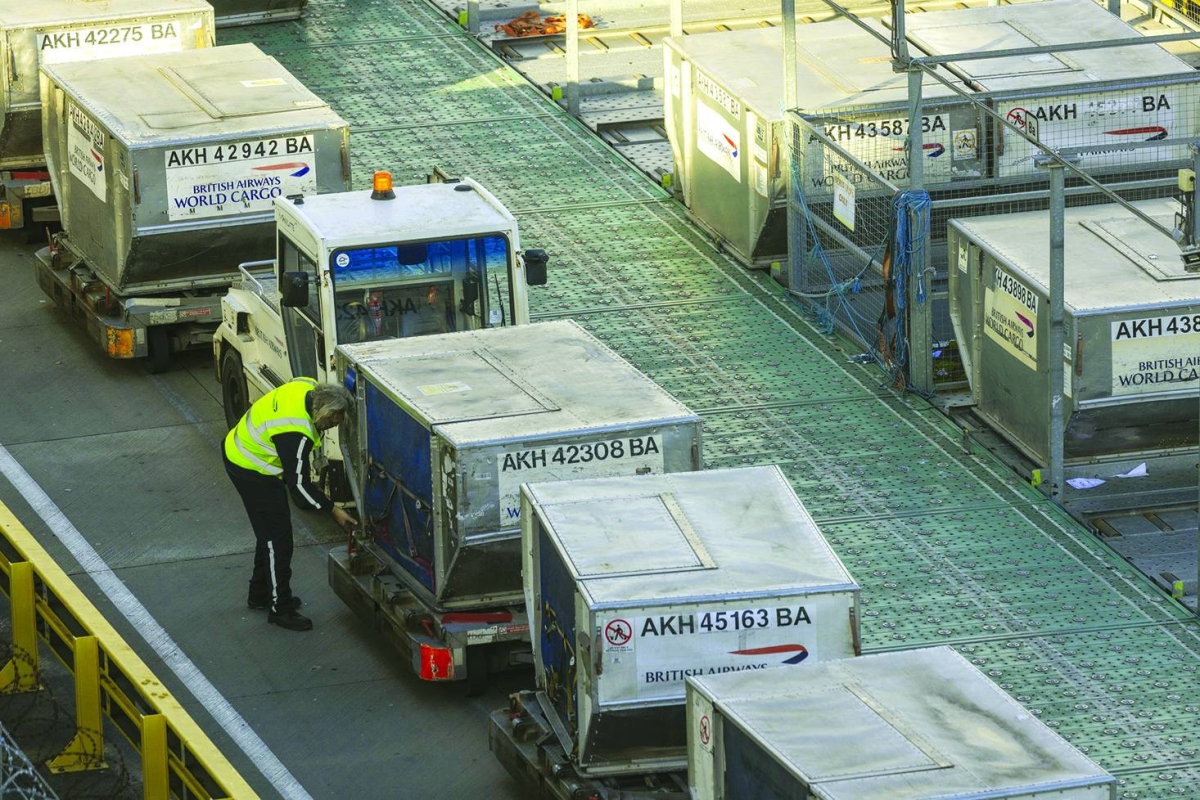
Tucked beneath the armrest of a luxury business class seat in a factory in Wales lies a clue to a global aviation bottleneck that has left many airlines waiting impatiently for new jets.Before the armrest can support the pampered elbow of a premium passenger, a complex manufacturing jigsaw with as many as 3,000 parts from 50 suppliers in 15 countries needs to be meticulously assembled to produce the luxury seat.As air travel grows, this niche but critical part of the aerospace industry is at the centre of efforts to clear a logjam that has contributed to billions of dollars of aircraft delays for industry giants Airbus and Boeing, and higher fares for passengers.“If you look at this, all you would see is a top-level arm cap and think that’s very nice,” Dafydd Davies, industrial vice-president at Safran Seats GB, said during a visit to the company’s factory in Cwmbran, South Wales. “If you look below, there is a lot more to the mechanical assembly.”To understand the often overlooked issue of how something as outwardly simple as a seat can slow the entire jet supply chain, Reuters spoke to over a dozen people involved in seat making and purchasing, airline chief executives and designers.Coupled with bottlenecks in certification, growing airline demand for bespoke features has made it hard for a fragmented seat industry — only now getting back on its feet after the Covid pandemic — to achieve economies of scale and boost output.“There has been a perfect storm of what would otherwise not be industry-stopping problems,” said aircraft interiors expert John Walton, founder of specialist publication The Up Front. “It’s still very much a cottage industry.”Airbus warned airlines in May that delivery delays could persist for another three years as it works through a backlog of supply problems, which it blames chiefly on engines and seats.With air travel rebounding from the pandemic, airlines will need more than 8mn seats in the next decade, according to a study by Tronos Aviation Consultancy and AeroDynamic Advisory.It’s a business worth $52bn over 10 years.The cabin of a long-haul jet contains some of the world’s prime revenue-generating real estate, which is why airlines are prepared to pay $80,000-100,000 for a business-class seat and an astonishing $1mn for a first-class suite, insiders say.“There are only a few truly differentiated things you can do onboard as an airline: the crew, the seat, the catering. Not so much the aircraft. So that’s where we’re going in the premium classes,” said Lufthansa Group Chief Executive Carsten Spohr.At the airline industry’s annual Oscars every April in the German city of Hamburg, honours are handed out for inventions such as smart lavatories, smart seats and even smart bins.Entrance to the Aircraft Interiors exhibition is strictly by invitation and rows of showrooms are protected by security worthy of a jewellery store. Inside, each is an Aladdin’s cave of fast connectivity, eco-friendly materials and recently launched comforts such as headrests with built in audio.The most advanced innovations are even further out of sight.“It’s a secretive world. Sometimes they have the little back rooms where they’ve got a seat or product they haven’t publicly talked about,” Steven Greenway, CEO of Saudi carrier Flyadeal, said as he shopped for premium seats for Airbus A330neo jets.But behind the curtain is an industry struggling to graduate from a craftsman-like approach and small production runs to industrial scale — despite waves of consolidation which have whittled the sector down to two main rivals in premium seats: France’s Safran and RTX unit Collins Aerospace.Then comes Germany’s Recaro Aircraft Seating, which dominates economy seating but has struggled to break into premium, and rivals including China-owned Thompson Aero Seating and ventures backed by Airbus and Boeing: Stelia and Elevate.“They compete on innovation, yes, but when they produce, it’s not as reliable as the car industry,” said Lufthansa’s Spohr, whose airline has waited months for Boeing 787s grounded by missing seats, commenting on the overall seat industry.Longer ranges for smaller planes have also triggered a scramble to adapt premium seat designs to tighter spaces. Even the tapered shape of a fuselage and differences between left and right mean few luxury seats are exactly the same.Added to that are tough certification requirements designed to protect head impact, and a dearth of certification engineers.Seats typically last about seven years whereas planes themselves fly for 20-25 years, so even when jets are finally delivered, the need for new seats soon comes around again.“It’s been a problem for 20 years. It’s not just a recent issue. But I think it’s got worse,” Willie Walsh, director general of the International Air Transport Association and former head of British Airways, told Reuters.Failing to put the industry on a more solid footing could crimp the growth plans of airlines or force carriers to fly older planes for longer, and focus more on refurbishments.Now, some seat makers are trying to simplify production as they rebuild fragile global supply chains.Safran is one. Its seats unit finally broke even in the fourth quarter of 2024 after being battered, like many of its rivals, by the slump in demand during the global pandemic.“We’ve almost had to restart this industry. We’ve had to ramp back up again. We lost some longevity in talent because they decided to do something else,” said Safran Seats Chief Executive Victoria Foy.“The fact that we got 2.5 times more out the door in 2024 than the year before demonstrates we can ramp up,” she said in an interview at the company’s Cwmbran factory.On the factory floor, chips, screens and motors are pieced together in individual bays rather than on a moving production line since few luxury seats are the same. A walled-off workshop for first-class seats guarantees even more individual attention.“We are managing a similar level of requirements to that of a landing gear or an engine,” Foy said.Under pressure to avoid those spiralling out of control, Safran and others are now rethinking the way they build seats to marry the customised flourishes required by many airlines with the cookie-cutter approach needed for efficient assembly.Instead of developing each seat from scratch, manufacturers are looking to re-use underlying designs, much in the way auto makers often use one chassis for different models and brands.Using a limited set of underlying designs allows seat companies to do the basic engineering and certification earlier on, avoiding the risk of delays later in the process.But it’s not just about improving the factory floor.Air travel is changing, said Stan Kottke, president of interiors at Collins Aerospace.In the Middle East, more families fly in business class. In the United States, retirees want to travel in an ergonomic seat. Millennials are investing in high-end travel experiences.They all want something different from the typical business nomad and airlines may even have to cater to different users at different times of day, Kottke told Reuters in an interview.“You can build a platform that is deliberately designed for differentiation in a bunch of different directions,” he said.The disciplined approach is reshaping negotiations with airlines, where the CEO is often personally involved in the finer points ofcabin design.In a change of tone, suppliers are increasingly turning away business rather than chasing every deal, four people with direct knowledge of such talks said. In tenders, the reply “no bid” has become common, as seat suppliers avoid piling up financial risk.The industrial blockage has strained the delicate three-way relationship between planemakers, suppliers and carriers.Airlines often buy seats directly from suppliers such as Safran, Collins or Recaro but get Airbus or Boeing to fit them.Airbus is now exploring ways of charging seat firms penalties for delays that hold up deliveries of jets from its factories, two people familiar with the discussions said.None of the companies commented on contractual matters.Planemakers must also walk a tightrope between marketing the flexibility of their cabins while nudging airlines towards accepting greater standardisation to alleviate supply problems.Airbus has said it is acting to reduce risks to its own ramp-up plans from the “divergent complexity” of bespoke interiors, while Boeing has said the resulting bottlenecks in certification will be a challenge for the rest of this year.The two giants have a powerful ally in the leasing industry.“My advice to all airline CEOs would be... stop inventing more seats. I know every airline CEO wants to design their own business class seat - don’t do it,” said Aengus Kelly, chief executive of the world’s largest aircraft lessor AerCap.“Take one that is certified, that’s a very good product, and you’ll get your airplane in the air faster.”Airlines aren’t willing to give up one of their biggest branding weapons just yet.One of the latest carriers to unveil plush seating, Saudi startup Riyadh Air, ruled out any retreat from customisation.“I want a brand that’s unique and that uniqueness is presented in the cabin,” CEO Tony Douglas told Reuters.

Gulf Times
Opinion

New data points to contained global economic uncertainty

Recent data from businesses, investors, and professional forecasters seem to suggest that global economic uncertainty remains relatively contained, despite headline geopolitical and policy developments.While the “Liberation Day” tariff announcements did cause a modest uptick in uncertainty, this rise appears both muted by historical standards and short-lived.Similarly, the escalation of tensions in the Middle East has had only a limited effect on most uncertainty indicators.Since April, perceptions of downside risk have eased significantly, according to some market researchers.They say businesses now assess the likelihood of a global recession as less than half what it was earlier in the year.Market-implied probabilities of sharp equity market declines have fallen notably.The dispersion of forecasts among professionals seems to have narrowed to levels near historic lows.This suggests that businesses are interpreting recent economic shocks quite differently from previous crises. Unlike the significantspikes in uncertainty seen during the pandemic or following Russia’s invasion of Ukraine, recent downgrades to growthexpectations have not been accompanied by comparable increases in uncertainty.A more pragmatic US trade policy may be playing a central role. Market participants appear to perceive it as placing a cap on the potential fallout from higher tariffs.If sustained, this decline in uncertainty could imply more resilience in investment activity than current baseline forecasts suggest. However, the potential remains for a sudden reversal in sentiment. A breakdown in the current pause on US tariffs or major disruption in the Middle East could serve as catalysts.Just weeks ago, the assertion by Fed Chair Jerome Powell that global economic uncertainty was “unusually elevated” went largely unchallenged. But since then, news-based measures of trade policy uncertainty have fallen markedly, returning to pre-Liberation Day levels.At a broader level, recent data also point to a relatively stable uncertainty environment. Businesses have become more pessimistic about global growth prospects, yet their perceived range of potential outcomes has remained narrow.For example, the July preliminary reading of Oxford Economics Global Business Sentiment Index shows an expected global growth rate of 1.6% for late 2025, down 0.8 percentage points from January this year.Nevertheless, the interquartile range of perceived growth outcomes remains comfortably below the average for the decade to date.“This narrative is corroborated by regional surveys from the Federal Reserve Bank of Atlanta and the European Commission, bothof which suggest stable or improving perceptions of uncertainty among businesses,” Oxford Economics noted recently.In short, the reaction to recent shocks has been noticeably measured, especially when compared to periods like early 2020, when the Covid-19 pandemic introduced massive ambiguity around the scale and duration of the crisis.And early 2022, when Russia’s invasion of Ukraine caused a sharp spike in perceived geopolitical and economic risk.The recent pause in tariff escalation appears to have been a critical anchor, reinforcing expectations that US trade policy may remain disciplined and deliberate in the months ahead.According to early third quarter (Q3) data from Oxford Economics Global Risk Survey, the share of businesses citing a global trade war as a major risk has fallen by roughly one-third over the past month.Although April’s market volatility and unusual cross-asset movements had the potential to dent investor confidence, those effects appear to have faded.A leading measure of expected stock market volatility is now well below the peaks observed during earlier episodes of heightened uncertainty.Sceptics, however say, global economic uncertainty is unusually elevated right now, by both historical standards and current data.

Gulf Times
Business

Japan’s monetary normalisation not a source of global financial risk: QNB

Japan’s transition to a more conventional macroeconomic and monetary regime represents an important global shift, QNB said and noted “it is not a source of financial instability”. Interest rate differentials still support global capital flows and the Bank of Japan (BoJ)’s normalisation is prudent and transparent, QNB said in an economic commentary. Rather than a shock to global liquidity, Japan’s monetary shift should be viewed as a positive signal of macroeconomic normalisation after decades of stagnation, the bank noted. After decades of battling deflationary stagnation, which started after the bust of the domestic asset price bubble in the late 1980s, Japan’s macroeconomic environment has begun to change. During the deflationary period (1990-2020), the country operated in an anomalous setting of ultra-low growth, subdued inflation, and extraordinary monetary accommodation. But the confluence of the Covid-19 pandemic, global supply shocks, and aggressive fiscal and monetary stimulus appears to have finally “reflated” the Japanese economy. Post-pandemic, Japan has experienced more consistent growth alongside inflation levels that are no longer materially below those of other advanced economies. This marks a structural shift, moving Japan into a more “normal” macro regime after years of being a global outlier. In this context, the BoJ has initiated a long-awaited monetary policy normalisation process. Negative policy rates have been abandoned, yield curve control (YCC) has been phased out, and the central bank is gradually stepping away from its role as the dominant buyer of Japanese government bonds (JGB). The policy stance has evolved in response to improving domestic fundamentals, including a tighter labour market and persistent inflation above 2%. However, Japan’s normalisation has raised concerns in global financial circles. Market participants fear that this policy shift could catalyse a rapid reversal of capital flows and destabilise global financial markets. These concerns are rooted in Japan’s historical role as a key source of global liquidity. Years of ultra-loose monetary policy – negative rates, YCC, and massive asset purchases – positioned the BoJ as an anchor for global interest rates. Japanese investors, in search of higher yields abroad, became significant players in global capital markets, engaging in large-scale cross-border investments and yield-seeking “carry trades.” In fact, Japanese residents hold the world’s largest net international investment position, comfortably above that of China or the Euro area. Given this backdrop, the fear is that monetary policy normalisation and rising JGB yields could trigger a capital reallocation back to Japan, tightening global liquidity and generating market stress. In our view, however, these concerns are overstated. Two main reasons explain why Japan’s monetary tightening is unlikely to generate material financial instability, either domestically or globally, QNB said. First, even after the recent adjustments, interest rate differentials against major advanced economies remain wide – both in nominal and real terms. Currently, the BoJ’s short-term policy rate stands at 0.5%, while the US Federal Reserve maintains its federal funds rate at 4.5% and the European Central Bank’s deposit facility rate is at 2%. And this comes in a context where inflation in Japan runs at 3.5%, significantly above what is seen across peers. Hence, real interest rates are still deeply negative in Japan, contrasting with positive real rates in the US and Euro area. These enduring differentials continue to incentivise Japanese investors to seek higher returns abroad, sustaining outbound capital flows and carry trade activities. Second, the monetary tightening is expected to be orderly and well executed, preventing significant bouts of financial or economic stress. In fact, the BoJ’s normalisation strategy is cautious, deliberate, and well-communicated. The pace of tightening has been slow, allowing markets to adjust smoothly. The BoJ retains flexibility and has signalled a willingness to adjust course if needed. Importantly, monetary policy in Japan remains deeply accommodative, i.e., policy rates and even the 10-year JGB yields are far below the nominal neutral rate of 2.5%. “Should the gradual monetary policy tightening continue as expected, with two 25 basis points rate hikes per year, the transition to a more neutral or restrictive stance should be smoothed, reducing the likelihood of sudden capital flow reversals,” QNB added.


Spanish Prime Minister Pedro Sanchez, UN Secretary-General Antonio Guterres and other authorities pose for a family photo during the opening ceremony of the 4th International Conference on Financing for Development, in Seville, Spain, on June 30.
Opinion

How to solve development crisis with quality finance

National delegations and practitioners gathering in Seville, Spain, for the 4th International Conference on Financing for Development face a sobering reality: Much of the developing world is in the midst of a deepening, multifaceted crisis. Major problems such as hunger, disease, economic fragility, climate vulnerability, underfunded education systems, poor infrastructure, and persistent joblessness remain – not for lack of solutions, but for lack of political will and basic human solidarity. The first step toward addressing these challenges is to resolve the debt crisis that has crippled many low- and middle-income countries. While debt distress afflicts developing countries worldwide, the effects are most acute in Africa, a region that will shape the global economy for decades. With Africa’s share of the global youth population projected to rise from 23% today to 35% by 2050, underinvestment now will not only undermine development on the continent; it will threaten stability elsewhere. This persistent failure stems from several structural features of the international financial system. Money tends to pour into developing countries during global booms, and to rush out during downturns. For advanced economies, the pattern is reversed: capital flows toward them in times of crisis. The system thus reinforces global inequalities, decreasing wealthy countries’ relative riskiness and the interest rates their governments and companies pay. At the same time, developing countries suffer from chronic underinvestment in innovation, education, and infrastructure. Growth cycles are repeatedly cut short by crises and austerity, triggering a vicious cycle of stagnation and weakened state capacity. And efforts to fund public institutions and promote development are usually further undercut by illicit financial flows, tax avoidance, under-taxation of multinationals’ profits, unfair extraction of natural resources, and large-scale dividend repatriation. Meanwhile, domestic elites historically have failed to build stronger institutions, allowed rent-seeking to flourish, and resisted reforms that would promote accountability and resilience. To help break the cycle, particularly concerning debt, we and more than 30 other economists and legal experts contributed to the Jubilee Report that was commissioned by the late Pope Francis and recently published by the Vatican. The report offers a road map for addressing the current debt and development crisis and, critically, for preventing future ones. Though it calls for co-ordinated reforms of multilateral institutions, sovereign jurisdictions, and domestic governments, the core message is simple: If poor and developing countries are to transform their economies and fulfil their development ambitions, they need access to high-quality financing. Achieving this requires three interlinked systems. First, we need an effective framework for addressing sovereign debt crises. The current system is not working, and recent attempts to improve it fell far short of what was needed. For example, the Common Framework for Debt Treatments, launched during the Covid-19 pandemic, sought to strengthen co-ordination across creditors, but failed to create incentives for timely restructurings. As a result, since 2022, net private capital flows to low- and lower-middle-income countries have turned negative, even as international financial institutions have continued to disburse funds. Instead of supporting economic recovery, new financing has been redirected to pay private creditors – often at high costs – which means taxpayers around the world have funded a bailout for private lenders while financially distressed countries have had to slash spending on essential services. This cruel cycle is entirely avoidable. It should not be so easy for private creditors and debtors to avoid ever having to restructure debts. Second, we need affordable long-term finance for development. Debt is not inherently bad. In fact, sustainable credit – planned and used correctly – can drive infrastructure development and broader economic transformation. The global system must shift from short-term, speculative flows to long-term, productive finance that supports widespread and long-lasting development. That means mobilising more and better concessional lending and financing from multilateral development banks to low-income and developing countries, as well as facilitating stronger domestic resource mobilisation and the development of local-currency capital markets. But even if all the right reforms were enacted today, it would take decades for many low-income countries to meet their financing needs domestically. In their case, access to credit will remain critically important. Third, we must ensure a fairer cost of capital. Markets and credit-rating agencies routinely exaggerate the risks facing African countries and other developing economies, which leads to interest rates far above what is needed to compensate for the risk of non-payment, let alone delayed payment. In fact, according to a Moody’s analysis, African countries have the world’s lowest default rates for infrastructure loans – just 1.9%, compared to 12.4% in Eastern Europe and 10.1% in Latin America. Nonetheless, African countries face unjustifiably high borrowing costs, rooted in risk perceptions that create perverse self-fulfilling prophecies, with the high interest rates actually causing more defaults. Today, the most powerful countries remain reluctant to increase their contributions to multilateral financing. This hesitation undermines global economic, social, and political stability. Yet much more can still be achieved by making better use of existing resources; ensuring that funds from international financial institutions support development and recovery, rather than serving as de facto bailouts for private creditors; and adopting global policies that promote more timely and comprehensive debt restructurings to restore sustainability. The returns would be significant. A forthcoming analysis by the African Center for Economic Transformation shows that lowering debt service to 5% of government revenues could allow Egypt to provide clean water to its entire population, Senegal to improve sanitation for 300,000 people, Ethiopia to enrol 340,000 more children in primary school, and Angola to save the lives of over 10,000 children under five. Development always involves risk. A fair financial system would distribute that risk efficiently and equitably, assigning the burden to those best able to bear it. The current system does the opposite. Reforming it is a necessary step toward a more stable, prosperous, and fairer global future. — Project Syndicate Martín Guzmán, a former minister of economy of Argentina, is a professor at the School of International and Public Affairs at Columbia University. Mavis Owusu-Gyamfi is President and CEO of the African Center for Economic Transformation. Joseph E. Stiglitz, a Nobel laureate in economics, is University Professor at Columbia University.

Gulf Times
Opinion

Understanding who needs the G7

It has been all too easy to pick holes in President Donald Trump’s agenda, not least his economic strategy, which is riddled with contradictions and more likely to make America poorer than “great again.” And yet, when he recently suggested that the G7 ought to include Russia, and perhaps also China, I found myself nodding in agreement. Following the creation of the euro, when France, Germany, and Italy committed themselves to a shared currency, a centralised monetary policy, and common fiscal-policy rules, it no longer made much sense for each to retain its position in such an elite global policymaking group. And if you look beyond macroeconomics to the domains of diplomacy, security, public health, climate change, and so on, it made even less sense. This was one of the core arguments of the 2001 paper in which I coined the BRIC (Brazil, Russia, India, China) acronym. It was already obvious at the time that as these countries rose, the eurozone’s share of global GDP would decline. My goal was to raise awareness of what was coming, and to press the G7 to become more global and forward-looking. To remain relevant, it could not just represent ageing, declining “industrialised” powers. In fact, I went one step further than Trump, by suggesting that Brazil and India be included along with China and Russia. The resulting G9 would comprise the BRICs, plus Canada, a eurozone delegation, Japan, the United Kingdom, and the United States. Given how the world has evolved since 2001, I might revise this proposal to drop Canada and the UK (though neither would be too pleased by this). Canada’s inclusion has always been questionable (if Canada, why not Australia?), and the UK now falls into the same bucket, at least in strictly economic terms. There is no good argument for why these countries should come before India. While the Canadians and the British have a long history of upholding the rule of law and supporting allies like the US, these attributes are not what matters in global governance. In any case, even if Canada and the UK would never accept my proposed G9, a G11 would be a vast improvement over the current G7, which has no credible claim to global relevance. This was already true in 2001, and now the overwhelmingly dominant G7 member would seem to agree. Trump has shown that he has little time for the grouping. But what is the G7 without the US? To be sure, one valid function is to provide a forum for like-minded democracies seeking common ground on specific issues. If the point is to dictate global solutions to others, however, it is a nonstarter. Of course, if it was up to Trump, he would opt for a G3, with China, Russia, and the US carving the world into their own spheres of influence. And though he will not hold the presidency indefinitely, he could start laying the groundwork for a more enduring framework over the next few years. Whatever happens, the politics will remain complicated. India – which will be the third-largest economy by 2030, barring some major crisis – will not accept a position subservient to Russia or China, nor should it. And despite Brazil’s persistently erratic economic policies, no-one denies that it is Latin America’s leading power. At this point, many diplomats will interject to argue that the G20 represents the future of global governance. Since it already offers a place at the table for the Brics (the original four, plus South Africa), what need is there for something more elite? I was among those who celebrated the G20’s elevation as the premier international forum in 2008-10, when it proved highly effective in devising solutions to the global financial crisis. But over the last decade, it has increasingly lost its way – proving to be too large, too unwieldy, and too vulnerable to political pressures and controversies, whether they come from Russia, China, or the US. Moreover, in recent years, the Brics and other emerging powers seem to have concluded that the G20 itself is driven by the G7, with members of the latter group often imposing their own ideas or playing an outsize role in setting the agenda. This perception has made it easier for Russia and the other Brics to coalesce and oppose G7 initiatives. I witnessed this personally after the Covid-19 pandemic, when an effort to establish a G20 Health and Finance Board floundered. This is not to suggest that the G20 should cease to exist. But it does need to be more effective, and the best way to do that is to update the G7 so that it is no longer a source of distrust and resentment. — Project Syndicate Jim O’Neill is a former chairman of Goldman Sachs Asset Management and a former UK Treasury minister.