Author

Thursday, December 11, 2025 | Daily Newspaper published by GPPC Doha, Qatar.
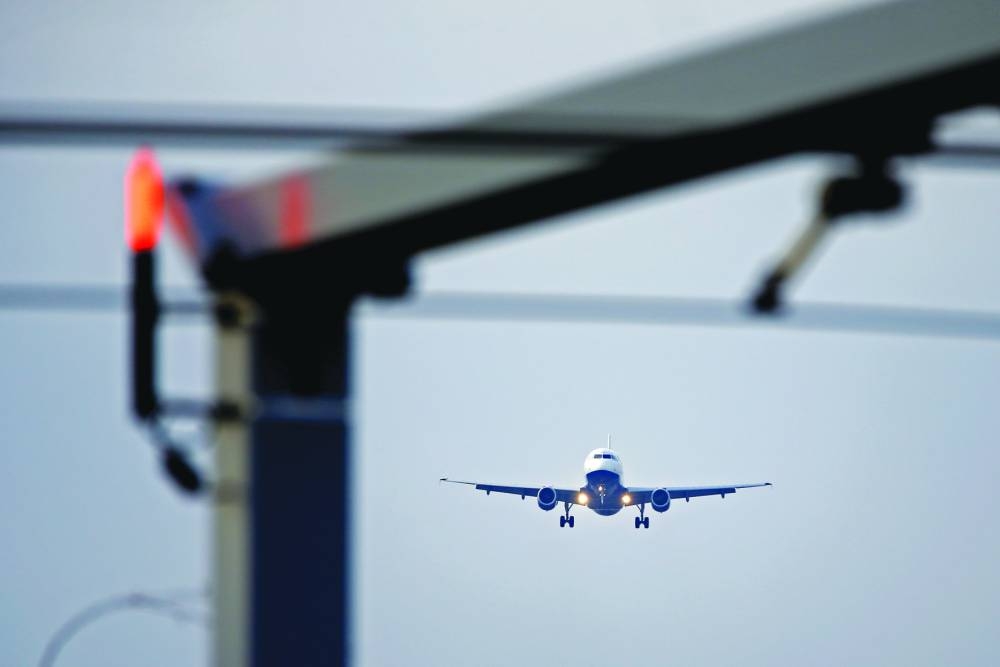
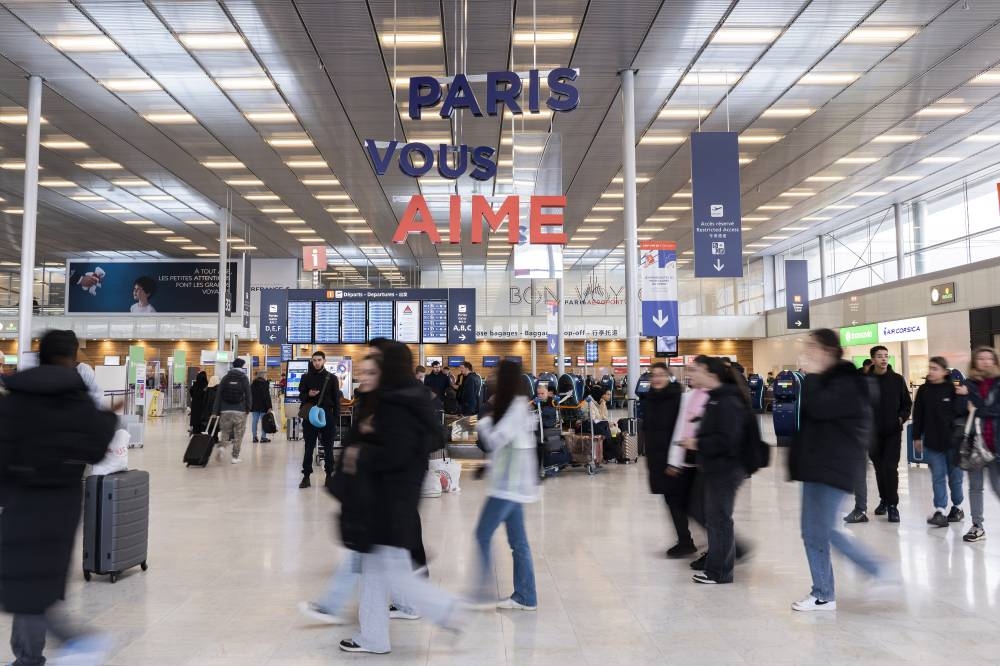
Passengers in the departures hall at Paris-Orly airport. Global airports face several challenges due to capacity crunches, as passenger demand exceeds infrastructure and operational capabilities in many countries.
Business
Airport capacity crunch threatens people's freedom to travel, constraining economies

Global airports face several challenges due to capacity crunches, as passenger demand exceeds infrastructure and operational capabilities in many countries.Excessive passenger volumes have led to long queues at check-in counters, security checkpoints, immigration desks, and boarding gates in many airports.Overburdened runways and taxiways cause bottlenecks, leading to take-off and landing delays.Delays at one airport often disrupt schedules across interconnected flight networks.Limited gate availability will result in aircraft delays, as they have to wait for gates to free up, adding to turnaround times.Another major challenge due to airport capacity constraints is baggage handling. Overloaded systems will invariably lead to lost or delayed luggage.Recently, the International Air Transport Association (IATA) warned that the airport capacity crunch is threatening the freedom for people to travel, and constraining economies.With little prospect for airport infrastructure to fully keep pace with growing demand, IATA released a ‘white paper’ including proposals for how slot regulations must incentivise airports to generate more capacity from existing infrastructure.The number of airports unable to fully meet the demand for air connectivity and requiring slot coordination using the IATA Worldwide Airport Slot Guidelines has already grown to nearly 400 worldwide. If current trends prevail, this number could grow by 25% over the next decade.An example of the severe consequences of this growing problem is evident in Europe where Airports Council International (ACI) Europe expects that airport infrastructure will be unable to meet up to 12% of demand in 2050.With large scale airport developments, especially new runways, unlikely to be built due to political constraints, this will further undermine Europe’s competitiveness which, as the Draghi report has concluded, is already significantly under-performing. It is therefore vital that airports deploy best practice to deliver as much capacity from existing infrastructure as possible.“The only cure for insufficient capacity is construction. But as long as large-scale endeavors such as building new runways or terminals remain politically out-of-reach in many parts of the world, we must squeeze every last unit of capacity out of the infrastructure we have. Some airports set strong benchmarks for maximising capacity, but too many fail to follow the guidance in the Worldwide Airport Slot Guidelines,” said Nick Careen, IATA’s senior vice-president for Operations, Safety and Security.The newly published IATA white paper on airport slots calls for stronger obligations on the part of airports to maximise capacity.“Under the slot regulations, airlines are obliged to utilise the slots they are granted efficiently or face penalties for cancelling flights, or not operating to schedule. But airports face no penalties if they don’t deliver promised capacity. They have little pressure to meet global benchmarks on efficiency.“Moreover, there is often insufficient transparency for the capacity declarations that they do make. This needs a major rebalancing so that airports and airlines are equally obliged to maximise the potential social and economic value of airport capacity,” said Careen.Specifically, IATA calls for modifications to slot regulations that will hold airports to account if they are not doing enough to create more capacity, including:Requiring airports to review their capacity declarations on a regular basis, and implementing a meaningful capacity consultation process, to ensure greater transparency and reveal where potential capacity increases are being neglected.Obligations to improve and increase capacity where possible, benchmarked against global best practice.Consequences if declared capacity is not delivered as promised.“The current airport slots regulations have helped create a global air transport network which delivers ever-increasing connectivity, consumer choice, and cheaper fares. For the slot system to continue growing these benefits, we need performance obligations on airports.“Stronger regulation is needed to close the enormous gap between the best and the mediocre airports in delivering capacity. That will give better service to passengers with greater accessibility to air transport and bring more benefits to the world,” said Careen.Industry experts say airports with huge capacity constraints will not attract airlines and passengers, affecting competitive positioning.Their inability to meet growing passenger demand limits tourism, trade, and economic growth in connected regions.Addressing these challenges, experts point out, requires innovative solutions, such as investing in new technologies like automated check-in and biometric security, expanding infrastructure where feasible, and enhancing collaboration between airlines, airports, and regulatory bodies to optimise airspace and schedules.

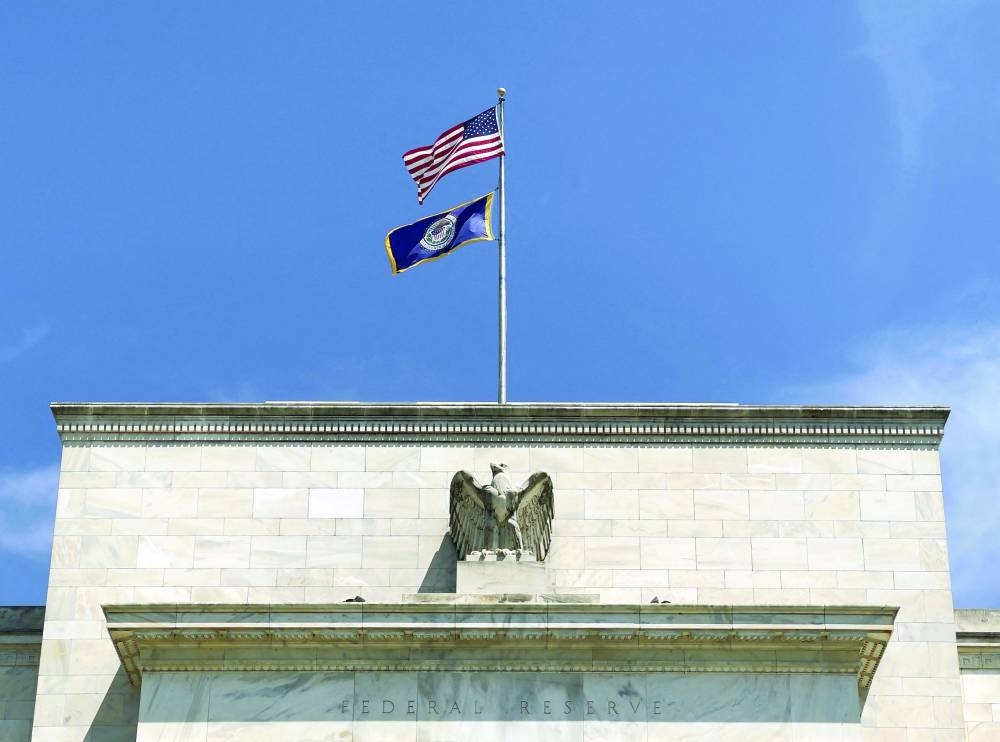
Fitch expects the US Federal Reserve to cut rates by 125bp to 3.5% by Q4-2025 (end-2026F: 3.5%), and most GCC central banks are likely to follow suit. This should make the funding environment more favourable
Business
GCC debt capital market reaches $1tn in November: Fitch Ratings

GCC debt capital market reached $1tn in November, Fitch Ratings said and noted it expects the GCC to remain among the largest emerging-market dollar debt issuers in 2025 and 2026 and the largest sukuk issuers and investors globally.Qatar is among the developed debt capital markets, Fitch noted.In a report, Fitch said it expects GCC countries’ debt capital markets (DCMs) to grow further and for the Gulf Co-operation Council countries to remain among the largest emerging-market dollar debt issuers in 2025 and 2026 (excluding China), and the largest sukuk issuers and investors globally.Oil revenues are among the main drivers of GCC DCM activity, it noted. Sovereign issuances are likely to rise as oil prices fall (2025F: $70/barrel; 2026F: $65), given modestly rising demand, and ample global supply. While not the key funding source, GCC banks and corporates are also likely to diversify through DCMs.“After 11% year-on-year growth, the DCM reached a milestone of about $1tn outstanding at end-11M24, with 40% as sukuk,” noted Bashar al-Natoor, Global Head of Islamic Finance at Fitch. “It is poised for growth in 2025 on the need to finance government projects, maturing debt, fiscal deficits, diversification goals, and regulatory reforms. We rate around 70% of GCC US dollar sukuk, 81% of which is investment-grade, and with no defaults.”Fitch expects the US Federal Reserve to cut rates by 125bp to 3.5% by Q4-2025 (end-2026F: 3.5%), and most GCC central banks are likely to follow suit. This should make the funding environment more favourable. The evolution of the Middle East conflict is uncertain and escalation could limit DCM growth, according to the report.However, four out of six GCC sovereigns are investment-grade; all on stable outlooks. Shariah complexities, including from linked to AAOIFI Standard 62, could be a risk for sukuk. ESG debt reached $48bn outstanding, with 42% sukuk.DCM development is fragmented across the GCC. Saudi Arabia and the UAE have the most developed DCMs, followed by Qatar, Bahrain, and Oman, with Kuwait being the least mature.The new government in Kuwait is aiming to update the liquidity law to permit borrowing in capital markets, but the timeline is uncertain. The recent GCC fund passporting regulations could open new DCM investment options across the GCC, Fitch noted.

Qatar’s conservative oil price assumption of $60/barrel “underscores the country’s fiscal discipline and sustainable policies”, Oxford Economics has said in a report.
Business
Qatar’s 2025 budget balances key investments with conservative projections: Oxford Economics

Qatar’s conservative oil price assumption of $60/barrel “underscores the country’s fiscal discipline and sustainable policies”, Oxford Economics said in a report released Thursday.Qatar has announced its 2025 budget, focusing on education, healthcare, and sustainability, with total expenditure set at QR210bn.The municipality and environment sector is allocated QR21.9bn, while the sports sector will receive QR6.6bn.The budget forecasts revenue of QR197bn, resulting in a projected deficit of QR13.2bn, which Oxford Economics noted is due to conservative oil price assumptions.“This supports Qatar’s strong credit rating, but we believe these oil price assumptions are conservative since Qatar has maintained a budget surplus over the past three years. We expect a surplus of around QR25bn for 2024, narrowing to QR12bn in 2025. These projections underscore Qatar’s fiscal discipline and sustainable policies,” Oxford Economics said.In a recent report, Oxford Economics estimated Qatar’s non-energy economy would grow by 2.4% in 2024 (versus its previous projection of 2.5%), up from 1.1% in 2023.Growth in the non-energy sector improved at the end of last year, picking up to 1.7% year-on-year (y-o-y) in Q4, from an average of 0.8% in the preceding three quarters.Performance was mixed across sectors at the end of last year, with positive trends in the wholesale and retail and hospitality-related sectors offset by drags spanning administrative and professional services, finance and insurance, and information and communications technology.Tourism has provided a key support to non-energy activities and will remain a driver of future growth.Data show the number of foreign arrivals neared 3mn in the year to July, on track to meet the researcher’s forecast of 4.5mn overnight visitors this year.The launch of the pan-GCC visa should help extend the positive performance in 2025.Oxford Economics sees Qatar’s energy sector growing just 1% in 2024, amid the weak performance of industry year-to-date, before strengthening to 2% next year.The authorities have doubled down on the North Field gas expansion project, which will have a positive medium-term impact. The target liquefied natural gas (LNG) capacity was raised to 142mn tonnes per year (mtpy) by the end of 2030, up nearly 85% from 77 mtpy currently and 13% on the intermediate target of 126 mtpy by 2027.Last year, Qatar awarded a $10bn contract for the second phase of the project, North Field South, which will include the delivery of two LNG trains.Qatar is also making progress in contracting future gas output. The government has signed long-term supply contracts with India, China, France, Germany, Hungary, Kuwait, and Taiwan and is negotiating a deal with South Africa, Oxford Economics noted.

Main drivers are government’s ambitious strategy to make Qatar a tourist destination, growing population and rising income levels, according to Alpen Capital
Business
Qatar retail sales projected to grow at annualised rate of 2.2% up to 2028: Alpen Capital

Retail sales in Qatar projected to grow at an annualised rate of 2.2% up to 2028, according to researcher Alpen Capital.Main drivers are government’s ambitious strategy to make Qatar a tourist destination, growing population and rising income levels, Alpen Capital said in a recent report.The government's efforts are anchored around three pillars, which are business facilitation, family-oriented activities and enhancing cultural experiences, it said.The country is actively leveraging its modern infrastructure to enhance the MICE market while also establishing new leisure destinations and districts, launching luxury shopping centres and investing in its natural assets.Qatar is also likely to benefit from the long-list of global sporting events lined up to take place in the country during the forecasted period.Qatar’s retail industry is currently going through a period of rapid expansion with several regional and international brands expanding their presence across the country. This has led to increased footfall in markets such as Doha and the market is expected to witness significant traction as Qatar gears up to host numerous global sporting events.As part of Qatar National Vision 2030, the government is working to diversify the country's economy with the travel and retail sectors being recognised as two of the main drivers, Alpen Capital noted.The high level of wealth coupled with rising population (1.5% CAGR between 2018 and 2023), an expanding tourism sector (74.1% CAGR between 2020 and 2023), and continued investments towards infrastructure development has thus positioned the country as a promising retail market in the GCC.Consequently, the retail sector is undergoing transformation from traditional independent shops and souqs to modern shopping malls, supermarkets, and digital platforms that feature a wide range of domestic and international brands.“This transition not only offers a broader variety of products but also enhances shopping experiences, attracting a diverse consumer base,” the report said.Amid a rising demand for global brands, sales across e-commerce platforms in Qatar is estimated to have grown at a CAGR of 8.1% between 2018 and 2023 to reach $2.8bn in 2023.The sector’s contribution to GDP stood at 1.2% as of 2023, second highest in the region and above the GCC average of 1%, Alpen Capital said.This has been primarily driven by the government’s NDS-3 (2024-2030), a commitment to diversification and sustainability for future prosperity.In order to facilitate growth within the sector, the country has been leveraging customs programmes and trade agreements, investing in strong ICT infrastructure and advanced technologies, as well as using PPP models to bolster its logistics and industrial infrastructure.Although it accounted for just 13.2% of the total GCC e-commerce market as of 2023, the industry is witnessing an influx of platforms offering niche products and services.Post-pandemic, several retailers in Qatar have moved to a blended, omni-channel distribution strategy, which involves boosting and expanding their digital offerings while also maintaining a brick-and-mortar footprint.Qatar is also regarded as the world’s fastest-growing luxury market that encompasses a diverse range of goods, spanning from high-end fashion attire, accessories, timepieces, jewellery, cosmetics, fragrances, and high-end vehicles among others.Qatari luxury goods market is also in the midst of a digital transformation, as brands are adopting e-commerce platforms, utilising social media for marketing, and employing digital engagement tactics to connect with millennial and tech-savvy affluent consumers.As of 2023, Qatar’s supply of organised retail space exceeded 2.3mn sq m of gross leasable area (GLA).Supply in the organised retail real estate sector in the country has remained largely static in 2023, Alpen Capital said.

Governments’ blocking airline funds, often due to foreign exchange shortages or restrictive economic policies, significantly impacts the airline industry in several ways
Business
Blocked funds in certain countries remain major challenge to airlines

Some countries devise unconventional means to shore up their depleted treasuries, notwithstanding the damage these can inflict on their profile.One way of channelling funds into their kitty seems to be preventing foreign airlines from repatriating funds.Governments’ blocking airline funds, often due to foreign exchange shortages or restrictive economic policies, significantly impacts the airline industry in several ways.Countries that block funds are very likely to deter foreign investment and reduce their appeal to international businesses.Obviously, investors and stakeholders will see the affected markets as high-risk, influencing strategic decisions.The result will be fewer flights to these countries, which can lead to a decrease in tourist inflows and trade opportunities, hurting local economies.Certainly, fewer flight options will inconvenience travellers and businesses relying on air connectivity. Increased fares and reduced competition will make travel more expensive for passengers.Recently, the International Air Transport Association (IATA) reported that $1.7bn in airline funds are blocked from repatriation by governments as of the end of October this year. This is a small improvement compared to the $1.8bn reported at the end of April.“Over the last six months, we have seen significant reductions in blocked funds in Pakistan, Bangladesh, Algeria and Ethiopia. At the same time, amounts are rising in some Central African countries and Mozambique. Bolivia has also emerged as a problem, where repatriating sales revenues is becoming increasingly difficult and unsustainable for airlines.“This unfortunate game of ‘whack-a-mole’ is unacceptable. Governments must remove all barriers for airlines to repatriate their revenues from ticket sales and other activities in accordance with international agreements and treaty obligations,” said Willie Walsh, IATA’s Director General.“No country wants to lose aviation connectivity, which drives economic prosperity. But if airlines cannot repatriate their revenues, they cannot be expected to provide a service. Economies will suffer if connectivity collapses. So, it is in everyone’s interest, including governments, to ensure that airlines can repatriate their funds smoothly,” Walsh noted.Nine countries account for 83% of the airline industry’s blocked funds, amounting to $1.43bn.Pakistan continues to top the list of blocked funds countries at $311mn. However, this is an improvement from $411mn in April this year. The main issue is the system of audit and tax exemption certificates which is causing long processing delays.Bangladesh has seen the amount of blocked funds decrease to $196mn (from $320mn in April).The Central Bank needs to continue to prioritise airlines’ access to foreign exchange in line with international treated obligations, IATA said.About $1bn of airline money blocked from repatriation is in African countries. That is about 59% of the global tally. Over the last six months, there were significant reductions in blocked funds in Algeria ($193mn from $286mn in April) and Ethiopia ($43mn from $149mn in April).At the same time, Central African countries (+$84mn), Mozambique (+$84 million) and West African countries (+$73mn) contributed to the largest increases.Bolivia is new to the list of blocked fund countries. A further deterioration in the availability of foreign exchange, particular the US dollar, has resulted in an estimated $42 million in airline funds being blocked in the country.Industry analysts say airlines are unable to repatriate revenue earned in these countries, leading to a liquidity crunch.Carriers rely on consistent revenue to manage operations, pay debts, and fund investments. Blocked funds disrupt these cash flows.Airlines may have to account for these funds as potential losses, adversely impacting their financial performance.All along, IATA has raised concerns about this issue, urging governments to release funds and adopt policies fostering fair access to international markets.For airlines, diversifying operations and improving liquidity management are common strategies to navigate these challenges.

Lukasz Rey.
Business
Qatar’s payments sector poised for strong growth; projected to hit $4.15bn by 2028: BCG

Qatar’s payments industry is set for notable growth, with total revenues projected to reach $4.15bn by 2028, according to the latest Global Payments Report 2024 from Boston Consulting Group (BCG).Amid a global slowdown in growth rates, Qatar’s focus on digital transformation and investment in fintech innovation positions it strongly within the competitive landscape of the GCC region.Qatar’s payments sector has experienced steady growth, with revenues rising from $2.6bn in 2018 to $3.2bn in 2023, reflecting a CAGR of 4.4%.By 2028, Qatar’s revenue pool is expected to increase by another 29%, reaching $4.15bn.Transaction volumes in Qatar are projected to rise from 988mn in 2023 to 1.38bn by 2028, marking a 40% growth. This expansion is driven by Qatar’s efforts in digital transformation, increased fintech adoption, and initiatives aimed at broadening financial inclusivity across the country.Globally, payments revenue growth is projected to slow significantly, with CAGR halving to 5% through 2028, resulting in a global payments revenue pool of $2.3tn. This marks a sharp decline from the 9% CAGR observed over the previous five years, which pushed the global revenue pool to $1.8tn in 2023.Lukasz Rey, managing director and partner and head of Middle East Financial Institutions Practice at BCG, commented: "Qatar’s payments sector is reaching a critical phase in its evolution, transitioning from rapid growth to sustainable, resilient frameworks. Qatari firms must modernize their infrastructure to stay competitive, adopting cloud-native, modular systems that optimise unit economics and reduce tech debt.“Companies enhance customer interactions and reinforce fraud detection and operational efficiencies by integrating advanced technologies like generative AI and real-time payment capabilities. As global regulatory pressures increase, firms that build end-to-end responsibility into their technology stack and develop robust risk and compliance frameworks will lead to delivering seamless, secure digital experiences that meet the demands of both consumers and shareholders."As technologies like generative AI, real-time payments, and digital currencies reshape the global payments landscape, Qatar’s payments sector is positioned for continued progress through innovation and strategic investment.Nabil Saadallah, managing director & partner at BCG, added: "Qatar’s payments sector faces a pivotal moment where meeting investor, regulator, and consumer expectations requires a shift from traditional models to forward-thinking strategies. As transaction volumes are projected to rise by 40% by 2028, companies must advance beyond business-as-usual practices, embracing decisive capital allocation and refined portfolio strategies to unlock profitable growth.“Firms that prioritise interoperability, robust customer experiences, and regulatory collaboration will be best positioned to foster broad adoption and trust. By focusing on flexible, high-margin models that adapt to regulatory shifts, Qatar’s payments firms can help shape the region’s financial future while capturing long-term value across an evolving landscape."

Gulf Times
Business
Qatar’s extensive investments help maintain ‘high levels of satisfaction’ with digital services: Report

Extensive investments by Qatar have helped “maintain high levels of satisfaction” with the country’s digital services, which fosters confidence in government use of artificial intelligence (AI), Boston Consulting Group has said in a report.This foundation of trust and strategic investment supports the GCC’s leading position in citizen satisfaction and presents an opportunity for the region to shape next-generation digital government services.As countries worldwide explore GenAI integration, the GCC stands poised to set new standards in AI-powered public service that adapts to evolving citizen needs.GCC region’s exemplary performance in digital government services has been highlighted in a recent report by Boston Consulting Group with Qatar, Saudi Arabia and the United Arab Emirates “achieving global leadership” in citizen satisfaction.BCG’s findings show that GCC countries lead globally in citizen satisfaction with digital government services, reaching a net satisfaction score of 81%.GCC citizens also report using these services 22% more frequently than the global average, reflecting high engagement and a strong commitment from governments to deliver quality digital experiences.Notably, 76% of GCC citizens embrace AI-powered government services driven by virtual assistants and personalised solutions that enhance accessibility and efficiency.Additionally, 42% of GCC respondents expect services to perform at regional and global top-performer standards in 2024, underscoring citizens’ high expectations for public service quality, BCG noted.“The citizens of the GCC are increasingly holding their governments to the same standards as major tech players, expecting rapid, innovative solutions that meet their needs efficiently and seamlessly,” said Rami Mourtada, Partner & Director of Digital Transformation, BCG.“GCC governments are delivering on these expectations by embracing a digital-first approach and moving at the pace with global emerging tech trends. With the transformative potential of Generative AI ahead, sustained investment and innovation will be crucial to maintaining their leadership in government services and meeting the evolving demands of the digital age. “As global interest in GenAI expands, GCC emerges as a leader. As found in the report, citizens in the GCC exhibited a net trust of 71%, forty-nine percentage points higher than the global average, for their government use of AI in digital services.This leading level of trust has also been matched with substantial investments in AI and digital infrastructure across the region led by public initiatives.Leading this charge, Saudi Arabia’s National Strategy for Data and AI targets economic growth with a projected contribution of $133.3bn to GDP by 2030.Similarly, Qatar is driving digital transformation through strategic collaborations with Qatar University and tech providers to upskill ICT professionals in AI, 5G, and cloud computing.Rounding out these advances the UAE’s Technology Innovation Institute has positioned itself as an AI leader by developing the open-source Falcon LLM, demonstrating the region’s technology capabilities in generative AI.These coordinated efforts across GCC combine public trust with strategic investments and technological advancement in AI, the report noted.With some of the highest global rates of GenAI usage, GCC citizens demonstrate a solid readiness to adopt AI-driven solutions in public services.“The GCC stands at a real and unprecedented opportunity,” said Dr Lars Littig, Managing Director & Partner, BCG, and EMESA Leader of BCG’s Center for Digital Government.“Achieving a cohesive, government-wide digital evolution requires a strategic vision, solid governance, and effective coordination within and outside the public sector.“In the GCC, governments are advancing data governance and responsible AI practices to build citizen trust, treating data as a national resource that fuels smarter policy decisions.”

Gulf Times
Business
170,000sq m GLA to be ready in Qatar’s office segment before year-end, says ValuStrat report

An additional 170,000sq m gross leasable area (GLA) is expected to be delivered in Qatar’s office segment by the year-end, ValuStrat Research said in a report.An estimated 38,000sq m gross leasable area was added during the quarter with the completion of the Mercedes Flagship Commercial Complex, bringing the total stock to over 7.2mn sq m GLA.One of the remaining Lusail Plaza Towers is anticipated to be completed by the year-end, with the final tower scheduled for delivery by mid-2025. Grade-A office inventory was concentrated in Doha Municipality, accounting for 61% of the total supply, while Lusail contributed an additional 31%, the report said.Office occupancy at a country level was estimated at 63% with premium locations experiencing higher occupancy compared to secondary areas, ValuStrat said. The office sector showed consistent performance on a quarterly basis, reflecting no notable fluctuations, it said.Citywide office rents averaged QR66 per sq m, steady from last quarter but down 2.2% year-on-year (y-o-y) Offices in Grand Hamad Avenue and West Bay declined by 13% and 6% respectively compared to last year, while remaining unchanged quarter-on-quarter (q-o-q).Offices in Al Sadd witnessed a yearly increase of 4.7%. Other major locations like Lusail and Salwa Road observed annual declines between 3% and 7%, with no shift compared to the second quarter (Q2).According to ValuStrat, the third quarter (Q3) indicated continued stability across Qatar’s real estate market.While certain high-end areas experienced increased rental rates for larger bedroom units (in the residential segment), the primary observation is that the market remained notably steady throughout the period.The ValuStrat Price Index held consistent with the prior quarter at 96.6 points and showed no significant annual shift. Benchmarked to a base of 100 points set in first quarter (Q1) of 2021, the apartment index registered at 97.5 points and villas at 96.3 points, with valuation prices in both categories showing no quarterly or yearly fluctuations.Mortgage transactions declined by 10% q-o-q and 8.5% y-o-y. Similarly, sales transactions dropped by 18% since the last quarter and 15% compared to the same period last year.“While Q3 presented a stable real estate landscape, market signals suggest a measured outlook for the coming months, hinting at a mix of steady performance with selective areas of optimism,” noted Anum Hassan, Head of Research (Qatar) at ValuStrat.

HE the Minister of Finance Ali bin Ahmed al-Kuwari
Business
Qatar's 2025 budget sees expenditure of QR210.2bn

Qatar’s general budget for fiscal year 2025 expects total revenues of QR197bn and an expenditure of QR210.2bn with an anticipated deficit of QR13.2bn, HE the Minister of Finance Ali bin Ahmed al-Kuwari announced Thursday.Qatar has set an oil price of $60 per barrel in preparing the budget.Al-Kuwari said, “Qatar continues to adopt a conservative approach in estimating oil and gas revenues, with an average oil price of $60 per barrel. This approach aims to enhance financial flexibility and ensure spending stability.”Among the highlights of the budget is QR41.4bn allocation for the health and education sectors, accounting for 20% of the total budget.The minister noted that Qatar's total expected revenues for the 2025 fiscal year budget are estimated at QR197bn, reflecting a 2.5% decrease compared to the 2024 budget revenues.He stated, "The anticipated oil and gas revenues for 2025 are QR154bn, down from QR159bn in the 2024 budget, marking a 3.1% decrease. Non-oil revenues for 2025 are estimated at QR43bn, which remains unchanged from 2024 levels.”Al-Kuwari said total expenditures projected at QR210.2bn next year, showed a 4.6% increase compared to 2024.He noted the expected budget deficit of QR13.2bn will be financed through local and external debt instruments, as required.HE the Minister of Finance underlined that allocations for the health and education sectors (QR41.4bn that accounts for 20% of the total budget) “underscores Qatar's commitment to enhancing human capital development and improving public service quality.” Furthermore, he said, “strategic sectors such as trade and industry, research and innovation, tourism, digital transformation, and information technology have been allocated significant resources to support economic diversification and sustainable development efforts.”Allocations for salaries and wages are set to rise by 5.5% in 2025 compared to 2024, totalling QR67.5bn.Current expenditures will see a 6.3% increase, while secondary capital expenditures are expected to grow by 7.7%.Meanwhile, major capital expenditure allocations will experience a modest 1.4% increase to ensure the ongoing implementation of strategic and developmental projects.According to Ministry of Finance, al-Kuwari will provide further details on Qatar's general budget for the 2025 fiscal year at a press conference on Sunday.Ends

Aviation, undoubtedly is part of the global energy transition and cannot be compartmentalised as a transport issue.
This is because solving the energy transition challenge for aviation will also benefit the wider economy, as renewable fuel refineries will produce a broad range of fuels used by other industries, and only a minor share will be Sustainable Aviation Fuel, which are used by airlines.
Business
Airline industry’s decarbonisation seen as part of global energy transition

Aviation, undoubtedly is part of the global energy transition and cannot be compartmentalised as a transport issue.This is because solving the energy transition challenge for aviation will also benefit the wider economy, as renewable fuel refineries will produce a broad range of fuels used by other industries, and only a minor share will be Sustainable Aviation Fuel (SAF), which are used by airlines.Renewable energy will have to play a key role in the aviation industry meeting its net-zero CO2 emission targets by 2050.But to reach net-zero CO2 emissions by 2050, an IATA analysis shows that between 3,000 to over 6,500 new renewable fuel plants will be needed. These will also produce renewable diesel and other fuels for other industries.The annual average capex needed to build the new facilities over the 30-year period is about $128bn per year, in a best-case scenario, according to the International Air Transport Association.Importantly, this amount is significantly less than the estimated total sum of investments in the solar and wind energy markets at $280bn every year between 2004 and 2022.At a recent media event in Geneva, IATA released new estimates for Sustainable Aviation Fuel (SAF) production.In 2024, SAF production volumes reached 1mn tonnes (1.3bn litres), double the 0.5mn tonnes (600mn litres) produced in 2023. SAF accounted for 0.3% of global jet fuel production and 11% of global renewable fuel.This is significantly below previous estimates that projected SAF production in 2024 at 1.5mn tonnes (1.9bn litres), as key SAF production facilities in the US have pushed back their production ramp up to the first half of 2025.In 2025, SAF production is expected to reach 2.1mn tonnes (2.7bn litres) or 0.7% of total jet fuel production and 13% of global renewable fuel capacity.IATA’s Director General Willie Walsh noted, “SAF volumes are increasing, but disappointingly slowly. Governments are sending mixed signals to oil companies which continue to receive subsidies for their exploration and production of fossil oil and gas. And investors in new generation fuel producers seem to be waiting for guarantees of easy money before going full throttle.“With airlines, the core of the value chain, earning just a 3.6% net margin, profitability expectations for SAF investors need to be slow and steady, not fast and furious. But make no mistake that airlines are eager to buy SAF and there is money to be made by investors and companies who see the long-term future of decarbonisation. Governments can accelerate progress by winding down fossil fuel production subsidies and replacing them with strategic production incentives and clear policies supporting a future built on renewable energies, including SAF.”Marie Owens Thomsen, IATA’s Senior Vice President Sustainability and Chief Economist said: “The airline industry’s decarbonisation must be seen as part of the global energy transition, not compartmentalized as a transport issue. That’s because solving the energy transition challenge for aviation will also benefit the wider economy, as renewable fuel refineries will produce a broad range of fuels used by other industries, and only a minor share will be SAF, used by airlines.“We need the whole world to produce as much renewable energy as possible for everybody. Airlines simply want to access their fair share of that output.”Walsh insisted that governments must quickly deliver concrete policy incentives to rapidly accelerate renewable energy production.“There is already a model to follow with the transition to wind and solar power. The good news is that the energy transition, which includes SAF, will need less than half the annual investments that realising wind and solar production at scale required. And a good portion of the needed funding could be realized by redirecting a portion of the retrograde subsidies that governments give to the fossil fuel industry,” said Walsh.Progress on expanding SAF production and use could be accelerated in three critical ways, IATA noted.Increase co-processing: Existing refineries can be used to co-process up to 5% of approved renewable feedstocks alongside the crude oil streams. This solution can be implemented quickly and requires minimal material investments. It should urgently be expanded by allowing a greater amount of renewable feedstock to be co-processed. By 2050, co-processing could save $347bn in capex as more than 260 new renewable fuel plants would not need to be built.Diversify SAF production: There are 11 certified pathways to make SAF, but the HEFA method (hydrotreated esters fatty acids (used cooking oil, animal fats etc.)) accounts for around 80% of production in the next five years. SAF volumes could be boosted by increasing investments to scale up production through the other certified pathways, in particular Alcohol-to-Jet (AtJ) and Fischer-Tropsch (FT), which use biological and agricultural wastes and residue.Create a global SAF accounting framework: It is essential to have a registry that allows airlines to benefit from the environmental attributes of their SAF purchases and to be able to claim these against their obligations in a transparent manner that prevents double counting. Such a registry is necessary for achieving a global SAF market where all airlines can buy SAF, and all SAF producers can sell their fuel to airlines.

Qatar Airways Group Chief Executive Officer Badr Mohammed al-Meer participating in a ‘Newsmaker interview’ at the Doha Forum Saturday.
Business
Qatar Airways expects to equip entire fleet with Starlink connectivity by end-2025: Group CEO

National carrier Qatar Airways expects to equip its entire fleet with Starlink ultra-high-speed, low-latency Internet “by the end of next year or beginning of the following year”, said the airline's Group Chief Executive Officer Badr Mohammed al-Meer.Participating in a ‘Newsmaker interview’ at the Doha Forum yesterday, al-Meer said, “The project is moving forward...and on a very fast track. By the year-end, we will have it on 14 aircraft. By April or May 2025, we will have it on 50 or 60 aircraft. It is not taking us too long to install... but because we don’t have enough kits.”Al-Meer said, “Being connected is very important. There is a very high demand from people to stay connected, either through phone calls, WhatsApp or streaming. Especially on long haul."Al-Meer said, “The Starlink service will be offered free of charge for everybody on board”.Engineered by SpaceX, Starlink is the world's first and largest satellite constellation using a low Earth orbit that will provide passengers reliable, high-speed Internet so they can stay connected with friends and family, stream their favourite entertainment, watch live sports, play online games, or work efficiently at 35,000 feet – all for free and with a simple ‘one-click-access’.As the first-ever service of its kind in the Mena region, the collaboration with Starlink marks a new milestone for Qatar’s national carrier. This strategic initiative will further elevate the airline’s "unparalleled" on-board experience.In an earlier press release, Qatar Airways’ said, “This press release, along with accompanying multimedia files, was dispatched directly from the first Starlink-equipped flight at 35,000 feet. The Starlink-equipped aircraft will operate on select routes as the airline pushes forward its roll-out plans. This will ensure more passengers have seamless access to enhanced connectivity during their travels, elevating the Qatar Airways’ award-winning on-board experience to new heights and setting a new benchmark for in-flight excellence.”

HE the Minister of State for Energy Affairs, Saad bin Sherida al-Kaabi at the ‘Newsmaker interview’ at the Doha Forum 2024 Saturday. PICTURE: Thajudeen
Business
Qatar to double LNG output to 160mn tpy in a 'responsible way', says al-Kaabi

Qatar will be doubling its LNG production in a few years to almost 160mn tonnes per year (tpy) in a “responsible way” with carbon capture and sequestration, HE the Minister of State for Energy Affairs, Saad bin Sherida al-Kaabi said Saturrday.The country’s LNG production will go up from the current 77mn tpy to 142mn tpy with the operation of North Field development projects, HE al-Kaabi said and noted, “Internationally, we are adding 16-18mn tpy with our partner, ExxonMobil through the Golden Pass Project in the United States.”The Golden Pass LNG Export Project is located in Sabine Pass, Texas.Participating in the ‘Newsmaker interview’ at the Doha Forum 2024 yesterday, al-Kaabi said all of Qatar’s LNG ships will be fuelled by liquefied natural gas and not heavy fuel oil. This will help reduce emissions and the overall carbon footprint.Qatar’s LNG ships will be equipped with the latest technologies, which embody QatarEnergy’s ongoing endeavour to achieve optimal fuel efficiency and reduce carbon emissions.Al-Kaabi also highlighted Qatar’s investments in petrochemicals, fertiliser and renewable energy sectors.“We have already announced to increase our petrochemicals production by almost 130%. This will be realised through the largest polyethylene plant in the Mena region, which we are building in Ras Laffan along with Chevron Phillips Chemical Company (CPChem).“And in the US, we have partnered with Chevron Phillips Chemical for the Golden Triangle Polymers Plant in Texas, which is considered the biggest in the world.”Qatar’s urea production, he said, will go up from about 6mn tpy currently to 12.4mn tpy (by 2030) with production commencing at the world-scale urea fertiliser complex at Mesaieed Industrial City.“Now we are the second largest fertiliser producer in the world. And by 2030, we will become the largest fertiliser producer in the world. It will contribute significantly to global food security by helping feed around 160mn people around the world,” al-Kaabi noted.Minister al-Kaabi reiterated Qatar’s commitment to “clean air and clean water” and said the country is giving a lot of push to production of renewable energy.“In Qatar, we are working on renewables. A few years ago, we had zero renewables in Qatar. Now, 10% of the power we enjoy in Qatar comes from solar. Next year, we will add two more solar plants – one in Mesaieed and another one in Ras Laffan. At that time, solar will contribute to almost 15% of our power output.“We will build a fourth solar plant with a production capacity of 2,000 megawatts in Dukhan. This represents approximately 30% of Qatar’s total electrical power production capacity,” al-Kaabi said.With the addition of the new Dukhan Solar Power Plant, QatarEnergy’s portfolio of solar power projects in Qatar will reach a capacity of about 4,000 megawatts by 2030.

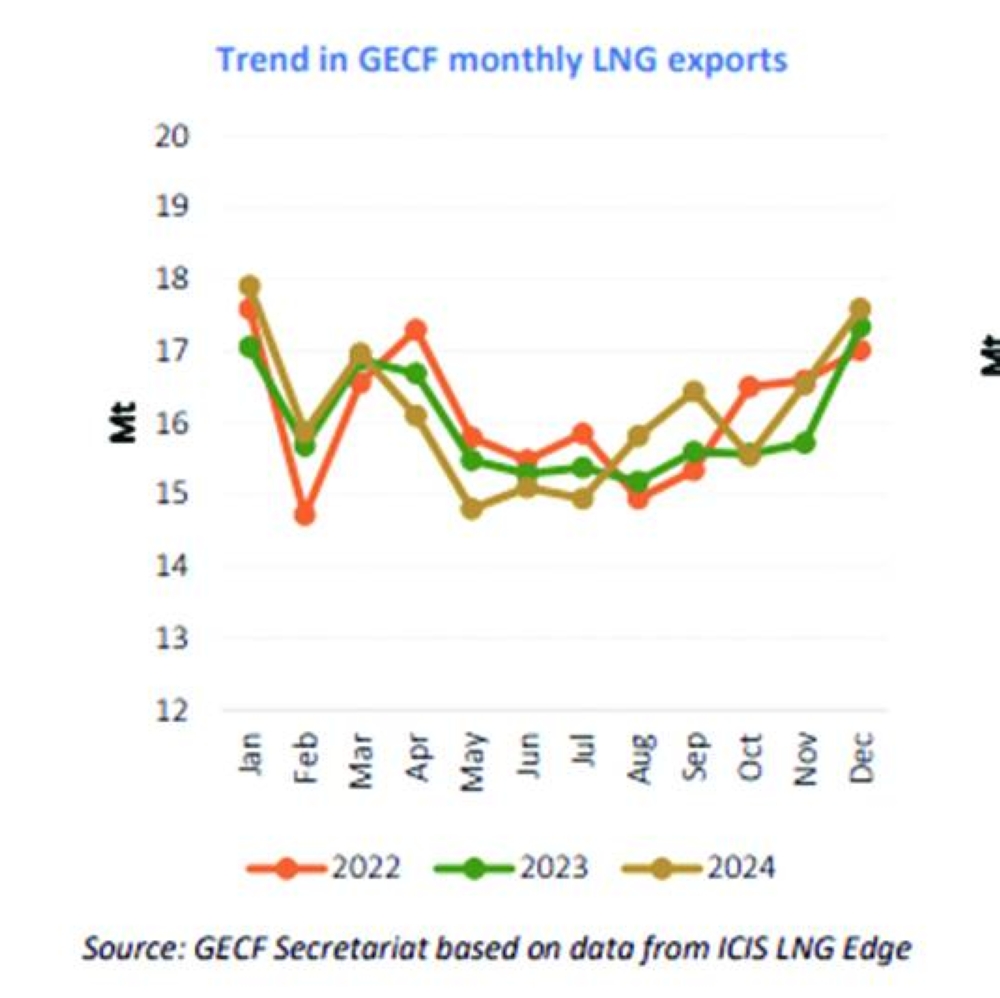
The economy class cabin inside an Airbus SE A330 Neo aircraft operated by Starlux Airlines Co. A recent report said global airfares are set to become more expensive in 2025 even as gains moderate with ticket prices reflecting higher costs and lingering supply-chain disruptions.
Business
External cost pressures, geopolitical dynamics critical factors in shaping airfare trends

Higher airfares will have a range of economic, social, and environmental impacts such as inflationary pressure, reduced demand for travel, increased costs for businesses and strain on lower-income travellers.A recent report said global airfares are set to become more expensive in 2025 even as gains moderate with ticket prices reflecting higher costs and lingering supply-chain disruptions.According to an American Express Global Business Travel Group (GBT) forecast, the slower climb in ticket expenses is a levelling off from this year’s steep post-Covid increases, the global corporate travel manager said in its annual report on the cost of flying.Fares on most routes will rise, though the size of the increases will likely vary greatly by region. North America and Europe are expected to see more “modest” increases of around 2% while Asia and Australasia, among the last regions to unwind pandemic curbs, are set to see rises of close to 14%.While airlines are largely more bullish about demand in 2025, their near-term efforts to add capacity remain hampered by delays in both new Airbus and Boeing planes, as well as longer servicing of jet engines that prevent more aircraft from taking to the skies.Increases in ticket prices next year are likely to more than erase any decreases before 2024, meaning some fares may return to post-pandemic highs, Bloomberg News calculations based on the Amex GBT data show.The key drivers pushing up airfares include rising wages and staffing shortages, particularly with the ongoing labour disputes in North America and the cost of fuel amid ongoing geopolitical tensions, the report added.According to analysts, higher air transportation costs will result in increased costs of goods and services, potentially fuelling inflation.Obviously, increased air cargo costs will escalate prices for high-value, time-sensitive goods such as electronics and pharmaceuticals. This could contribute to global inflation and disrupt supply chains.Higher airfares increase the cost of transporting perishable or high-value goods, making exports from remote regions less competitive.Higher airfares are likely to discourage discretionary travel, leading to fewer leisure and non-essential business trips. This could negatively impact airlines, tourism sectors, and related industries such as hotels, restaurants and local attractions.In particular, countries that are heavily reliant on international tourism will face reduced visitor numbers, impacting their hotels, restaurants, and local businesses. This could slow GDP growth and increase unemployment in tourism sectors.Companies that rely on frequent business travel will face higher expenses, potentially leading to cost-cutting measures like reducing trips or shifting to virtual meetings.Higher prices disproportionately affect budget-conscious travellers, reducing their access to air travel for work, education, or family visits.From an industry perspective, airlines might target high-margin segments such as business and luxury travellers to maintain profitability.Dwindling demand will force carriers to reduce the frequency of flights, trim routes, or adopt fuel-efficient technologies to mitigate costs.Airlines may explore alternative fuel sources or more efficient aircraft to manage rising operational costs and maintain affordability in the long term.The global body of airlines- International Air Transport Association or IATA says factors such as high jet fuel prices, sustainability initiatives, and fleet upgrades continue to pressure airfare levels. These could lead to a moderate rise in fares globally, estimated at 3%-7%, though regional variations may occur.IATA has underscored the importance of addressing supply chain disruptions, regulatory compliance costs, and geopolitical tensions, which could significantly affect industry economics and ticket prices.While IATA is optimistic about stabilising fares and improving industry resilience, external cost pressures and geopolitical dynamics remain critical factors in shaping airfare trends.

Gulf Times
Qatar
Deputy Amir lays foundation stone of Blue Ammonia Plant at Mesaieed

Under the patronage of His Highness the Amir, Sheikh Tamim bin Hamad al-Thani, His Highness the Deputy Amir, Sheikh Abdullah bin Hamad al-Thani laid the foundation stone of the Blue Ammonia Plant at Mesaieed Industrial City Tuesday.The ceremony was attended by HE the Minister of State for Energy Affairs, Saad Sherida al-Kaabi, who is also the President and CEO of QatarEnergy, dignitaries, senior executives and officials from the entities involved in the project implementation.The Blue Ammonia Plant is the largest of its kind in the world and represents an important milestone in QatarEnergy’s strategy to expand in the clean energy sector by producing low carbon ammonia – one of the most important solutions to reduce CO2 emissions.QR4.4bn facility consists of an ammonia production unit with a capacity of 1.2mn tons per year, along with an additional unit for CO2 injection and storage, with a capacity of 1.5mn tons per yearWith an investment of about QR4.4bn, the plant will be built in Mesaieed Industrial City, which offers a strategic location, integrated infrastructure, ideal capabilities, and a port that is considered one of the largest petrochemical export facilities in the Middle East.The plant is expected to start production in the second quarter of 2026, marking a milestone in Qatar Energy’s strategy to expand into the cleaner energy sector.In his remarks at the ceremony, al-Kaabi said: “This facility consists of an ammonia production unit with a capacity of 1.2mn tons per year, along with an additional unit for CO2 injection and storage, with a capacity of 1.5mn tons per year. QatarEnergy will provide the new plant with more than 35 megawatts of electricity from the solar power plant currently being built in Mesaieed Industrial City, thereby becoming blue ammonia. This plant will enhance our ability to provide the world with low-carbon products, in line with the global efforts to reduce carbon emissions.“In building this facility, we will rely on our own capabilities and expertise in the construction and operation of ammonia plants used for the production of fertilisers. This will be carried out in cooperation between QatarEnergy and Qatar Fertiliser Company - Qafco.”Al-Kaabi added: “The blue ammonia plant joins a list of QatarEnergy’s large and ambitious expansion projects in Qatar and around the world covering LNG, oil and gas exploration and production, petrochemicals, fertilisers, solar power, and more.”Minister Al-Kaabi concluded his remarks by thanking the consortium implementing the project, consisting of ThyssenKrupp and CCC, as well as the working teams from QatarEnergy and Qafco, whose efforts contributed to the realisation of the project.He extended sincere thanks to HH the Amir, Sheikh Tamim bin Hamad al-Thani, for his patronage and unlimited support of the energy sector, and to HH the Deputy Amir, Sheikh Abdullah bin Hamad al-Thani, who is the Chairman of QatarEnergy Board of Directors, for laying the foundation stone of the Blue Ammonia Plant.

The stamps were jointly released by HE Abdul Rahman bin Hamad al-Attiyah, Board Member of Commercial Bank; and Qatar Post Chairman and Managing Director Faleh bin Mohammed al-Naemi at a media event at the Commercial Bank Plaza on Sunday.
Business
Commercial Bank reveals 'first special edition stamps' in collaboration with Qatar Post for 50th anniversary

Commercial Bank has partnered with Qatar Post to issue the first special edition post stamps in celebration of its 50th (golden) anniversary.This collaboration symbolises Commercial Bank’s legacy and commitment to Qatar’s growth, marking five decades of innovation, dedication, and service excellence.The stamps were unveiled at a media event held at the Commercial Bank Plaza on Sunday.Throughout the years, Commercial Bank’s efforts have been centred around client convenience and community advancement. That, the bank said, has been evident in the instrumental role it has, and continues to, play in elevating the financial landscape across Qatar.Since its establishment, the bank has envisioned a banking experience poised not only to prosper but to revolutionise the landscape of financial services. Its catalysing vision has enabled it to gradually become a pioneer in the banking sector, introducing many first-of-its-kind services that have contributed to Qatar’s economic success story.Commercial Bank opened the first private bank in 1974, and introduced the first ATM in Qatar in 1994, the first ladies-only branch in Qatar, the first ladies branch manager, the first visa card, and many other notable achievements.With these milestones in place, Commercial Bank views its 50th anniversary celebration as a collective accomplishment, one that should be shared with its stakeholders and the wider community in Qatar, and for that, has chosen to launch the first special edition post stamps in Qatar to commemorate this timeless significance."Brand presence has consistently been a fundamental priority for Commercial Bank," stated HE Abdul Rahman bin Hamad al-Attiyah, Board Member of Commercial Bank."Over the years, our brand has gained increasing prominence across Qatar and the region, reflecting our dedication to advancing Qatar's economic leadership and fostering impactful progress. We are honoured to be the first bank to collaborate with Qatar Post in issuing exclusive post stamps to commemorate this significant milestone.“The celebration of Commercial Bank’s golden anniversary marks this moment in our history, illustrating the progression from our modest beginnings to becoming a leading force in innovation and excellence. Through our contributions to Qatar’s remarkable economic development, we have kept the nation’s legacy of perseverance, progress, and agility, which continue to define our aspirations for the future."Qatar Post Chairman and Managing Director Faleh bin Mohammed al-Naemi stated: "We are pleased to collaborate with Commercial Bank in launching the first special edition post stamp to commemorate the Bank's 50th anniversary. This initiative marks an important milestone in our partnership with the banking sector, as it represents the first time that joint post stamps have been created with this vital sector.“Furthermore, it reflects the strengthening of the partnership and the remarkable achievements between Qatar Post and Commercial Bank, particularly in the area of digitising payments for mailbox subscription fees. This new service enables Commercial Bank customers to renew their mailbox subscriptions easily online, providing them with a seamless and user-friendly digital experience.“Qatar Post continues to serve as a leading provider of postal services and a key player in logistics. Additionally, we are proud of our active role in supporting the goals of Qatar National Vision 2030 by offering innovative and reliable solutions that meet the needs of both individuals and businesses, as well as facilitating money transfer operations."As Commercial Bank embarks on a new chapter, it stands as a pioneer in a new age of banking; one that integrates cutting-edge technology with world-class financial services and always puts its customers at the heart of everything it does.

HE the Prime Minister and Minister of Foreign Affairs, Sheikh Mohammed bin Abdulrahman bin Jassim al-Thani and other dignitaries at the groundbreaking event for ‘Land of Legends Qatar’, Wednesday.
Qatar
PM patronises groundbreaking for ‘Land of Legends Qatar’

The groundbreaking for ‘Land of Legends Qatar’, which is set to become one of the largest theme parks in the Middle East, and the first state-of-the-art entertainment destination within Simaisma Project, was held under the patronage and presence of HE the Prime Minister and Minister of Foreign Affairs, Sheikh Mohammed bin Abdulrahman bin Jassim al-Thani last night.The milestone project at Simaisma, born of a dynamic partnership between the Türkiye- headquartered FTG Development and Qatari Diar Real Estate Investment Company, is set to transform tourism and entertainment in the region.The ceremony was attended by HE the Minister of Municipality and Chairman of Qatari Diar Real Estate Investment Company, Abdullah bin Hamad bin Abdullah al-Attiyah, other ministers, Qatari Diar Real Estate Investment Company CEO Ali Mohamed al-Ali, Founder of FTG Development and President of Land of Legends in Antalya, Turkey, Fettah Tamince, CEO of Accor Group, Sebastien Bazil, among other dignitaries.Land of Legends Qatar is a “foreign investment project” in Qatar’s tourism sector and the foreign investment in the project is worth $3bn. Its a first major development within Simaisma Project, which spans over 8mn square meters and stretches along a stunning 7km beach.This expansive project emphasises sustainability, integrates smart systems, and leverages advanced construction technologies to create an environmentally responsible development with world-class features. Alongside the theme park, Simaisma will feature an 18-hole golf course, a luxury yacht marina, high-end residential villas, and a variety of dining and retail options, establishing it as a premier leisure destination.Expected to attract 2mn visitors annually, Land of Legends Qatar will play a central role in advancing Qatar’s tourism landscape and supporting the nation’s goals for economic diversification.The project, which spans over 650,000 sqm, offers an unforgettable experience, taking visitors on an enchanting journey inspired by Ibn Battuta, across seven themed zones with multi unique themed attractions.Land of Legends Qatar unfolds as a modern ‘Rihlah’, inviting guests to explore diverse landscapes, immersive experiences, and cultural marvels.This destination is packed with delights for all ages, including the family-friendly Kingdom Hotel with conference facilities and beachside activities, and Music Hotel, a multicultural destination which hosts a futuristic celebration of the world’s music and its forward evolution with a total of 1000 hotel rooms, from an impressive 80-meter-high mountain to boat parades along scenic canals and thrilling water adventures, every corner promises something extraordinary.A first ‘Moving Theater’ of the region, equipped with state-of-the-art interactive technology, promises a fully immersive cinematic experience. ‘Flying Theater’, a soaring adventure ride flying over the ‘Natural Marvels of the Arabic World Today’, which transforms into the fantastical myths and legends of the region. Visitors can also enjoy luxurious villas and a world-class dining selection, making each moment truly special.On the occasion of the groundbreaking for the first major entertainment destination within the Simaisma Project, al-Attiyah said, "This event marks an important step toward realising an ambitious vision aimed at enhancing Qatar's position regionally and internationally, establishing it as a leading tourist destination. The 'Land of Legends' project is a key component of Qatar's strategy to diversify its national economy, offering an exceptional experience that will contribute to attracting investments and advancing the tourism sector."The minister noted that the Ministry of Municipality plays a pivotal role in supporting the project through strategies aimed at improving the quality of life, promoting sustainability, fostering innovation, and providing advanced infrastructure.He also pointed out the Ministry’s commitment to careful planning and ensuring the project’s integration with the master plan for the Simaisma area, which guarantees the project's sustainability and supports the development of a sustainable and long-term community.He added: "This project not only enhances tourism but also contributes to creating promising investment opportunities and strengthening the partnership between the public and private sectors, which supports long-term economic development and lays the foundation for an integrated community that aligns with Qatar's future vision."Al-Ali said the groundbreaking event marked a significant milestone in enhancing Qatar's position as a leading tourism destination on both regional and global levels."The Simaisma Project embodies an inspiring vision that reflects our commitment to delivering a world-class entertainment experience with a distinctive Qatari touch. It also aims to attract investments in the tourism sector and create new job opportunities, all while adhering to the highest standards of sustainability, which are integral to Qatar's future vision."He highlighted that Qatari Diar possesses extensive expertise and advanced resources in real estate development, spanning over two decades across 20 cities in four continents. These projects cover diverse sectors, including entertainment, commercial, residential, and mixed-use developments, as well as smart cities, infrastructure, and their associated services.The Qatari Diar CEO added: “This wealth of experience ensures that our partnership in developing the largest entertainment city in the region is both robust and pioneering, capable of achieving exceptional outcomes."Tamince said, “We are delighted to bring the unique Land of Legends experience to Qatar with our partner Qatari Diar, creating a destination that is more than just a theme park or hotel. It is a lively world of entertainment and leisure that will add a new dimension to Qatar’s attractions and become a top choice for holidays and fun for millions in the region.”Qatari Diar has a rich portfolio of developments within and outside Qatar, having 50 investment projects under development in some 20 countries, combining an investment value of around $35bn.

Workers connect a tanker truck filled with sustainable aviation fuel to a plane at Charles de Gaulle airport in Roissy, France. The use of SAF is rapidly advancing, with global production projected to nearly double this year as airlines around the world sign agreements with producers to purchase future SAF production.
Business
Sustainable aviation fuel plays pivotal role in airlines' decarbonisation initiatives

The use of Sustainable Aviation Fuel (SAF) is rapidly advancing, with global production projected to nearly double this year as airlines around the world sign agreements with producers to purchase future SAF production.Over the past two years, the airline industry made significant strides in this regard, securing some 75 offtake agreements, including 53 binding and 22 non-binding commitments, according to the global trade body of airlines – IATA.Hydrotreated esters and fatty acids (HEFA) and HEFA co-processing are the most mature and commercially viable technologies available, and they account for most SAF offtake agreements.According to IATA estimates, the aviation industry consumed between 450,000 and 500,000 tonnes of SAF at $2,500 per tonne in 2023. This unit cost is 2.8 times higher than the price for conventional aviation fuel, and thus added $756mn to the industry fuel bill in 2023.The aviation industry is set to increase its use of SAF to further reduce its carbon footprint. IATA estimates that SAF production could rise to 0.53% of airlines’ total fuel consumption in 2024, adding $2.4bn to 2024’s industry fuel bill.And this year, SAF production is expected to triple to 1.875bn litres (1.5Mt), accounting for 0.53% of aviation’s fuel need, and 6% of renewable fuel capacity.Despite this growth, analysts say, SAF will still represent less than 1% of aviation fuel demand in the short term. Europe leads in SAF production, driven by regulatory mandates such as the EU’s "Fit for 55" initiative, which requires SAF to make up 6% of aviation fuel by 2030.Meanwhile, the US aims for ambitious SAF production targets of 3bn gallons by 2030 and 35bn gallons by 2050.Undoubtedly, SAF technologies and feedstocks are diversifying. While hydro-processing of waste oils remains dominant, emerging methods like gasification of biomass, ethanol-to-jet, and power-to-liquid fuels are gaining traction. These alternatives address challenges related to feedstock sustainability and supply chain limitations.However, scaling production seems to be constrained by high costs, technological barriers, and limited market transparency.To meet the industry's decarbonisation goals, policy support, investments in infrastructure, and innovation in feedstocks will be critical.Long-term targets require SAF to constitute a significant share of aviation fuel by 2050, underscoring the importance of global collaboration and regulatory frameworksThe small percentage of current SAF output as a proportion of overall renewable fuel is primarily due to the new capacity coming online in 2023 being allocated to other renewable fuels.The 3rd Conference on Aviation Alternative Fuels (CAAF/3) hosted by the International Civil Aviation Organisation (ICAO) last year agreed on a global framework to promote SAF production in all geographies for fuels used in international aviation to be 5% less carbon intensive by 2030.But to reach this level, about 17.5bn litres (14Mt) of SAF need to be produced.According to industry experts, every drop of SAF produced has been bought and used. In fact, SAF added $756mn to a record high fuel bill in 2023.Nearly 45 airlines have already committed to use some 16.25bn litres (13Mt) of SAF in 2030, with more agreements being announced regularly.Projections are for over 78bn litres (63Mt) of renewable fuels to be produced in 2029. Governments must set a policy framework that incentivises renewable fuel producers to allocate 25-30% of their output to SAF to meet the CAAF/3 ambition, existing regional and national policies as well as airline commitments.Experts affirm that effective production incentives for Sustainable Aviation Fuel should support the following objectives:Accelerating investments in SAF by traditional oil companies, ensuring renewable fuel production incentives encourage sufficient SAF quantities, focusing stakeholders on regional diversification of feedstock and SAF production, identifying and prioritising high potential production projects for investment support and delivering a global SAF Accounting Framework.Approximately 85% of SAF facilities coming on line over the next five years will use Hydrotreatment (HEFA) production technology, which relies on inedible animal fats (tallow), used cooking oil and industrial grease as feedstock, IATA says.An earlier IATA survey had revealed significant public support for Sustainable Aviation Fuel.Some 86% of travellers agreed that governments should provide production incentives for airlines to be able to access SAF.In addition, 86% agreed that it should be a priority for oil companies to supply SAF to airlines.Pratap John is Business Editor at Gulf Times. X handle: @PratapJohn

Standard & Poor’s Global Ratings has affirmed Commercial Bank’s issuer credit ratings at ‘A-/A-2’ with a stable outlook.
Business
S&P affirms Commercial Bank’s rating at ‘A-/A-2’ with stable outlook

Standard & Poor’s Global Ratings has affirmed Commercial Bank’s issuer credit ratings at ‘A-/A-2’ with a stable outlook.According to S&P, “The stable outlook on Commercial Bank reflects our view that the bank will continue to reduce the proportion of real estate related risks on its balance sheet while maintaining strong capitalisation.”The ratings also incorporate the extraordinary support provided by Qatari Authorities noting that Commercial Bank has a high systemic importance in Qatar. The long-term rating on Commercial Bank is three notches higher than its stand-alone credit profile.Joseph Abraham, Group Chief Executive Officer, Commercial Bank said, “The rating affirmation with a stable outlook by S&P reflects our bank’s well-established corporate franchise in Qatar.“With the strong position of Qatar’s government and economy, the enduring strength of Commercial Bank’s balance sheet has resulted in sound earnings generation capacity.”Commercial Bank is also rated ‘A2’ by Moody’s with a stable outlook and ‘A’ by Fitch with a stable outlook.