
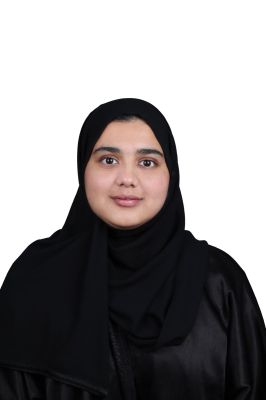


A Doha teenager who launched a global webinar series at the age of 16 is calling for young people to move beyond token representation and become equal partners in shaping decisions on sustainability, climate and development.
Noura al-Zoubi, founder and host of SDGs Unlocked, has created a youth-led platform that has reached participants in 60 countries and brought more than 50 speakers from the United Nations, governments, universities and the legal profession into discussions with young people.
Speaking to Gulf Times, the 17-year-old said the initiative was inspired by her experience of seeing how young people could contribute when given meaningful opportunities to engage with decision-makers.
“Honestly, it started in the room,” she said, recalling her participation in the UN Local Conference of Youth in Qatar in September 2025, held at Georgetown University in Qatar, where she represented her school and spoke about youth and climate.
Months later, as a youth ambassador, she helped organise the first ASSELLMU Youth Forum during an environmental law conference at Sorbonne University Abu Dhabi. The forum brought young people together with senior representatives from organisations including the United Nations Environment Programme (UNEP) and the United Nations Development Programme (UNDP).
“That forum changed something for me,” al-Zoubi said. “I saw what happens when young people are given the floor: the questions get braver, the room listens differently, and the experts start learning from us too.”
The experience prompted her to consider why such exchanges could not happen more regularly and across different countries. She began approaching experts she admired, inviting them to engage directly with young people rather than simply address them.
Prof Damilola Olawuyi of Hamad Bin Khalifa University’s College of Law became the initiative’s academic adviser, while Elizabeth Mrema, UN Assistant Secretary-General and Deputy Executive Director of UNEP, agreed to deliver the keynote address for its first episode.
Its first episode focused on hunger, inviting viewers to set an extra place at their table for someone who might otherwise eat alone and share a photograph of the plate while protecting the guest’s privacy. The initiative attracted participants from 56 countries.
“The Sustainable Development Goals can feel enormous and far away, but they become real when you turn them into something anyone can do this week,” al-Zoubi said.
Al-Zoubi said she was particularly proud that the initiative originated in Doha, linking its work to Qatar National Vision 2030 and its emphasis on human, social, economic and environmental development.
“It matters to me that it started here, in Doha,” she said. “SDGs Unlocked is my way of answering it: a series made in Qatar, for young people everywhere.”
The initiative is now expanding beyond online discussions. On November 14, al-Zoubi led SDGs Unlocked Live: Seat, Voice, Follow-Through at Education Above All’s EMPOWER 2026 conference in Doha, alongside Youth Ambassadors Rayhane Ahmaine and Leen al-Qahtani.
As Season One concluded yesterday, al-Zoubi is preparing for further international engagements. She is due to speak at the 15th United Nations Forum on Business and Human Rights in Geneva tomorrow, addressing youth leadership, responsible supply chains and human rights due diligence.
On December 2, she is also scheduled to attend a Grand Chamber hearing at the European Court of Human Rights in Strasbourg at the invitation of Judge Vasilka Sancin.
However, she said youth participation should go beyond invitations to conferences, speeches and symbolic representation.
Young people, she said, would live with the consequences of decisions on climate, water, employment and peace for longer than many of those making them, yet their involvement often remained limited to consultation.
“But we’re usually invited to give a speech, take a photo, and leave. That’s consultation, not participation,” she said.
In Qatar, al-Zoubi is developing proposals to make youth engagement in environmental governance more permanent, including a standing Youth Environmental Advisory Council, environmental civic education and a national network of youth environmental ambassadors.
She is also working on a policy paper outlining ways to strengthen youth participation in environmental decision-making in Qatar.