
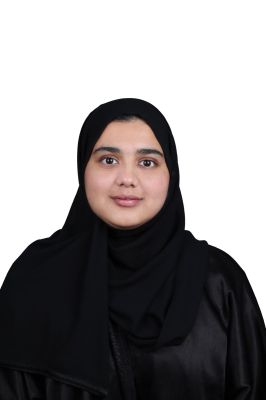


Germany sees significant potential to deepen its energy partnership with Qatar through renewable energy, green hydrogen and climate technologies, combining Qatar's investment capabilities with German industrial expertise to advance the global energy transition, German ambassador Oliver Owcza ha said.
Speaking to Gulf Times on the sidelines of the Youth Climate Summit under the Doha Climate Talks, the envoy said both countries could strengthen cooperation in energy efficiency, emerging technologies and innovation while balancing energy security, economic stability and climate commitments.
According to Owcza, the two countries had complementary strengths that could be translated into practical projects supporting economic diversification and emissions reduction.
"Germany brings extensive expertise in renewable energy and industrial technologies, while Qatar offers strong investment capabilities, a growing innovation ecosystem and ambitious plans to diversify its economy," he said.
He highlighted the German-Qatari Energy partnership as an important framework for expanding co-operation, adding that stronger links between research institutions, universities, start-ups and businesses could help develop innovative solutions and bring them to market.
Owcza stressed that energy security and climate action should not be viewed as competing priorities, particularly for traditional energy-producing economies working alongside industrial nations.
"While natural gas continues to play an important role in ensuring reliable energy supplies during the transition, we must simultaneously accelerate investment in renewable energy, energy efficiency and emerging technologies such as green hydrogen," he said.
Both Qatar and Germany have also been advancing solar energy to diversify their domestic energy mix, demonstrating how conventional energy sources can coexist with an increasing share of renewables, he added.
On Germany's climate agenda, Owcza reaffirmed the country's commitment to achieving climate neutrality by 2045, with priorities including accelerating renewable energy deployment and reducing overall emissions.
He said climate action must go hand in hand with economic competitiveness, innovation and social fairness. Germany had seen growing acceptance of climate-related technologies, with demand for electric cars and heat pumps increasing significantly in 2025.
However, decarbonising the transport and buildings sectors remained a challenge.
Turning to youth participation, Owcza said young people must play a meaningful role in shaping climate policies, as they will live with the consequences of today's decisions.
In Germany, the Coordination Office for Youth Participation in Climate Policy brings together more than 30 youth organisations and channels their recommendations into government policymaking. The country also enables youth delegates to participate in UN climate conferences.
He said governments should go beyond consultation by creating opportunities for youth-led initiatives through innovation programmes, funding and partnerships with businesses and research institutions.
Owcza described the Youth Climate Summit in Doha as an example of German-Qatari cooperation that gives young people opportunities to engage directly with experts and decision-makers.
He expressed hope that the summit would lead to lasting cooperation rather than remain a platform for exchanging ideas.
The Youth Climate Declaration emerging from the summit, he said, would give young participants a collective voice and a message to policymakers, with the upcoming UN Climate COP offering an opportunity to take their recommendations to the international stage.
"The success of this event should be measured not only by the quality of its discussions, but by the initiatives, partnerships and concrete actions that follow," he said.
Owcza added that the participation of senior officials, including HE Fahad al-Attiyah, former Qatari ambassador to Russia and the founder of Heenat Salma Farm; and HE Eng Ahmed al-Sada, Assistant Undersecretary at the Ministry of Environment and Climate Change, offered an important opportunity to connect young people's recommendations with those able to advance them.

