



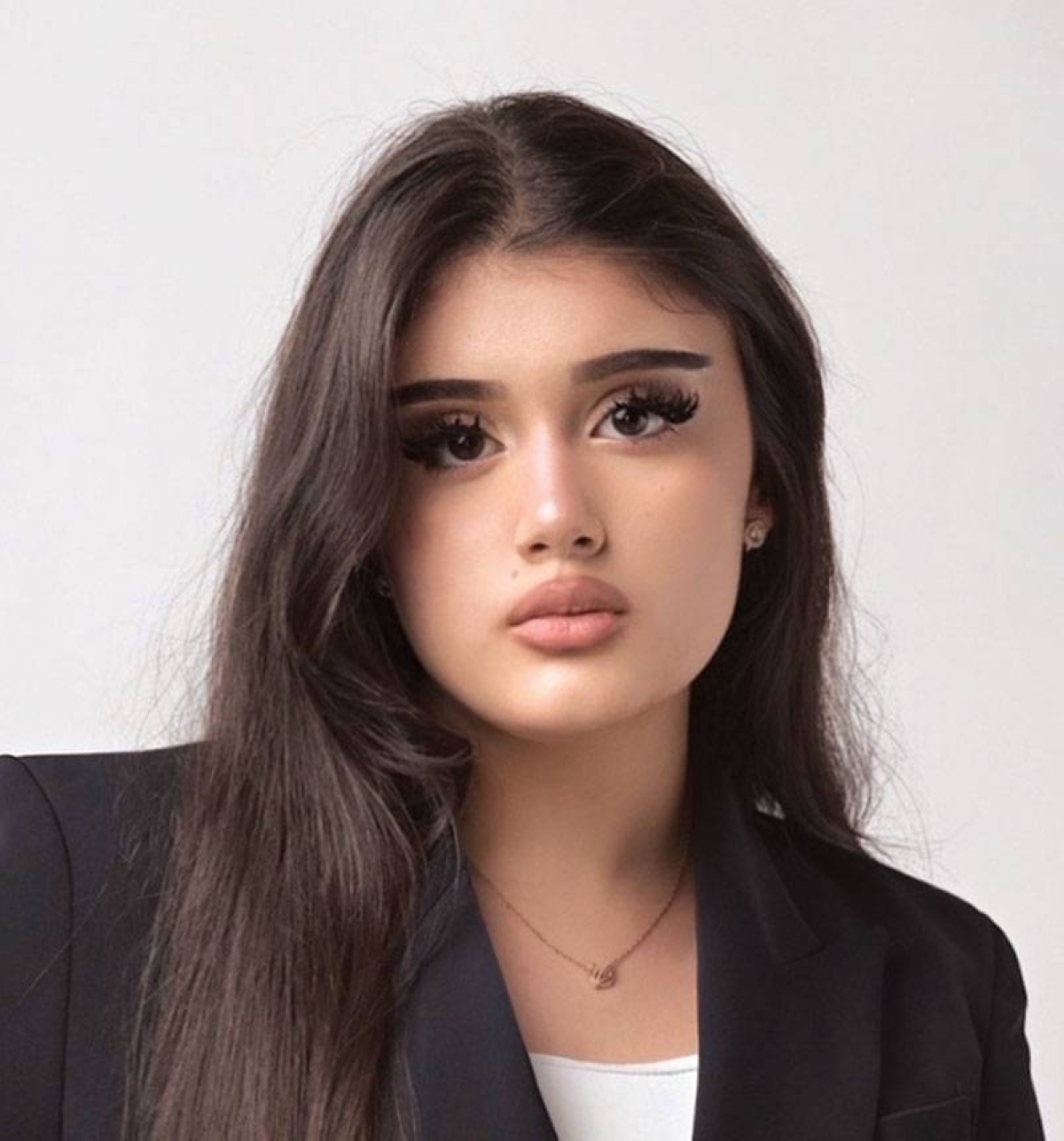
 DOHA: Last year I joined young people from across Qatar at the Local Conference of Youth at Georgetown University in Qatar, the gathering that carries young people’s views into the United Nations climate negotiations. The discussions were serious, well informed and hopeful. On the way home, I kept returning to a simple question: once our ideas left the room, how could they best reach the people shaping Qatar’s environmental future?
I have been thinking about that question ever since. Over the past months I have researched it with the team at ICELIS Global, in a policy brief on youth participation in Qatar’s environmental governance. My conclusion is a hopeful one, and it comes with a suggestion.
First, the hopeful part. Young people in Qatar are not waiting to be asked. They run school sustainability clubs, organise beach clean-ups and tree-planting days, and fill the programmes offered by the Ministry of Environment and Climate Change, the Ministry of Education and the Friends of the Environment Center.
Youth-led initiatives
University students organise clean-up campaigns and bring their ideas to ministry workshops. Youth-led initiatives are also reaching beyond our borders. This summer I launched SDGs Unlocked, a free online series on the UN Sustainable Development Goals, guided by an academic advisory board chaired by Professor Damilola S Olawuyi SAN, Unesco Chair on Environmental Law and Sustainable Development at Hamad Bin Khalifa University, and endorsed by the International Law Association’s GCC Branch.
In its first season it has welcomed viewers from nearly 60 countries, and it has since become a member organisation of the Children and Youth Major Group to the UN Environment Programme. Doha, it turns out, is a very good place from which to start a global conversation.
The State has laid strong foundations for this energy. Qatar National Vision 2030, the National Environment and Climate Change Strategy and a dedicated Ministry of Environment and Climate Change, created in 2021, give clear direction, and the Environmental Protection Law of 2002 provides the legal backbone, including the assessment of the environmental impact of new projects.
The natural next step is to give young people a formal place in environmental decision-making. We are warmly invited to campaigns, competitions and events, and we are grateful for them.
What would add most now is a standing channel through which our ideas can be considered, and answered, by those who shape policy. Because environmental questions involve several institutions, among them the Ministry of Environment and Climate Change, the Ministry of Sports and Youth and the Ministry of Education, a single, clear entry point would also help young people know where to begin.
The law already points the way. Article 33 of Qatar’s Permanent Constitution requires the State to preserve the environment and its natural balance in order to achieve sustainable development for all generations. ‘All generations’ includes mine, and the ones after it. Internationally, Qatar ratified the Paris Agreement in 2017.
Article 12 of that agreement commits its parties to strengthen climate education, public awareness and public participation, work now known as Action for Climate Empowerment, for which countries are encouraged to adopt national strategies.
And as a party to the UN Convention on the Rights of the Child, Qatar has recognised in Article 12 the right of every child to be heard in matters that affect them. In 2023 the UN Committee on the Rights of the Child made clear, in its General Comment No 26, that this includes taking part freely and meaningfully in decisions about the environment.
In other words, youth participation builds on commitments Qatar has already made. The opportunity now is to give them a practical form at home. This matters for Qatar, and for the whole Gulf.
Every GCC state shares the same pressures: intense heat, scarce fresh water, long and exposed coastlines, and large and growing young populations. The young people in our classrooms today will
live with the consequences of the decisions taken now for longer than anyone else. It is fair, and sensible, that they help to shape them.
Three steps
My research points to three steps that would make a real difference. The first is a permanent Youth Environmental Advisory Council, established by ministerial decision so that it endures beyond any single campaign, and hosted by the Ministry of Environment and Climate Change together with the Ministry of Sports and Youth.
It would bring together school and university students, youth organisations and young professionals, be consulted on draft environmental strategies and programmes, and receive a written response to its proposals. That response is what turns being consulted into being taken seriously. The council could also anchor a national Action for Climate Empowerment strategy, giving Qatar a clear way to show how it is meeting its Paris commitment.
The second is environmental civic literacy. Many young people care deeply about the environment but know little about the laws that protect it, from the Constitution to the Environmental Protection Law, or about how to engage with the institutions that apply them.
A short programme offered through schools, youth centres and online would explain, in plain language, how environmental decisions are made, how impact assessments work and where young people can contribute. Knowing the rules is what gives young people the confidence to take part well.
The third is a national network of youth environmental ambassadors, drawing on school clubs, university societies and youth-led initiatives, and supported by regular surveys of young people’s views. Policy would then rest on evidence of what young people think, and the findings could feed directly into Qatar’s reporting on its climate commitments.
None of this is expensive or radical. Qatar already has the institutions, the strategy, the legal commitments and, above all, the young people. What remains is to build the bridge between them.
A model built here would also travel. Through its development partnerships, Qatar works with countries across the Global South, where young people make up an even larger share of the population and often face the sharpest climate risks. A Qatari approach to youth participation, tested at home and shared with GCC partners, could become one of the most useful things the region offers them.
Each time I host an episode of SDGs Unlocked, I am reminded that young people want more than inspiration; they want responsibility. Qatar has every chance to set the standard for the Gulf in how it listens to its young people on the environment, and I believe it is ready to do so.
- Noura Al Zoubi is a student at the Lycée Franco-Qatarien Voltaire in Doha and the founder and host of SDGs Unlocked, a free online series on the UN Sustainable Development Goals. In November she will speak on the youth panel of the 15th UN Forum on Business and Human Rights in Geneva.