



 Five thousand years ago, a scribe in Sumer pressed a reed into wet clay and recorded what entered the granary and what left it. That is where government began: not with a flag or an army, but with a count. The Persians turned the count into a system. Darius fixed the tribute of every satrapy, and the clerks of Persepolis logged the rations of thousands of workers.
Their diwan, the register of revenue and pay, passed to the caliphs and then to Europe, where customs houses still bear its name: douane, dogana, aduana. The rule has not changed in five millennia. A government that counts can be held to account. One that stops counting cannot.
Lebanon stopped counting. It has not held a census since 1932. Parliament passed no state budget for 12 years, from 2005 to 2017, and, as Reuters reported at the time, the state’s annual accounts had not been formally closed since 1993. Money flowed without a ledger, and much of it went where a ledger would have exposed it.
Count, then, what the country endured while no one kept the books. The Cairo Agreement of November 1969 opened the south to armed Palestinian factions. That was 20,790 days ago. Since then Lebanon has lived through a 15-year civil war, 29 years of Syrian troops on its soil, 22 years of Israeli occupation in the south, and two decades in which Iran, through Hezbollah, held the decision of war and peace.
Israel has launched seven major military campaigns, the latest this year. A president-elect, a sitting president, two prime ministers and a grand mufti were assassinated. Four times the presidency fell vacant; together, the palace at Baabda stood empty for 2,282 days, more than six years.
Caretaker cabinets ran the country for about a third of the two decades after 2005. Beirut’s airport closed at least 16 times during the civil war, once for more than six months. And the Taif Agreement, negotiated in 23 days in 1989 as a new beginning, was bent by Damascus into an instrument of control. The state went through a shredder. It is in tatters.
That is why President Joseph Aoun and Prime Minister Nawaf Salam brought a dim light into the tunnel. Their CVs are the strongest the country has seen at the top. Their record, against the low bar of the past, is real: bank secrecy amended in April 2025, a bank restructuring law that July, and a cabinet decision in September 2025 that put the state’s monopoly on arms on the official agenda.
But they stand on five decades of rubble, and the rubble has owners. War did not pile it up by design. In the chaos, factions seized the taps of electricity, water, hospitals, schools and security, and built client bases around them. The deep state still controls the valves, even with capable hands on the levers.
Bankers who act as patrons to politicians have stalled the law that would allocate more than $70bn in losses; without it there is no IMF programme, and the 2022 preliminary deal is void. The state power company has for years lost about four of every 10 kilowatt-hours it generated to leaking wires, theft and unpaid bills. Gulf capitals, living with the fallout of the war between Washington, Israel and Tehran, are in no mood for open-ended largesse.
Nor is territory in Beirut’s hands. Israeli troops hold ground in the south. Iran holds the only key to Hezbollah’s disarmament. The framework agreed in June works only if the warring parties comply, and they have not, while Washington remains unpredictable.
Yet sovereignty is not only territory. It is people. If the security file sits in a diplomatic pipeline between Tehran and Washington, popular sovereignty sits in Beirut, and this leadership already holds it. The Lebanese overwhelmingly want this government to succeed. Half of those living in Lebanon are under 30. Around that hub turn the spokes: a diaspora of engineers, financiers, doctors, legislators and technology founders with real reach in the politics, trade and culture of the world.
That force has not been called. Nostalgia will not call it; it has been tried, and it is spent. People with options move for a plan: dated, costed, with targets anyone can check. A plan is only as strong as the leaders who champion it, and here is the conundrum. We see leaders. We do not see leadership.
The president, the prime minister and their ministers work in silos. Each performs well by yesterday’s standards and is quietly congratulated for it. But their feet have sunk into the very sectarian silt the Lebanese want drained for good. They have not faced the failures head-on, in public, with numbers. They have not built the professional coordination a plan demands, regardless of sect and sentiment. And they have not spoken to the constituency that is waiting to be asked.
The clock is not kind. UNIFIL ends operations on 31 December, 87 days from now. Parliamentary elections are due in May 2028. A leadership without a base will meet that vote facing the old client machines intact.
So what is to be done? Go back to the tablet. Publish the ledger. First, a national plan with dates, costs, owners and targets, published in full and reported on every quarter. Second, one joint delivery office for Baabda and the Grand Serail, so the president and the prime minister answer for the plan together, to citizens rather than to sects. Third, a call to the Lebanese at home and abroad that comes with tasks attached: engineers drawing free house plans for the rebuilding south, lawyers advising for nominal fees, the young clearing rubble, diaspora professionals each adopting a reform target and putting their networks behind it.
The Sumerian scribe did not need to be loved. He needed to be accurate, and to be read. Lebanon’s new leadership is respected. To be followed, it must be counted on; to be counted on, it must first count. The Lebanese are ready to put their shoulder to the wheel. They are waiting for leaders to show them where to push.
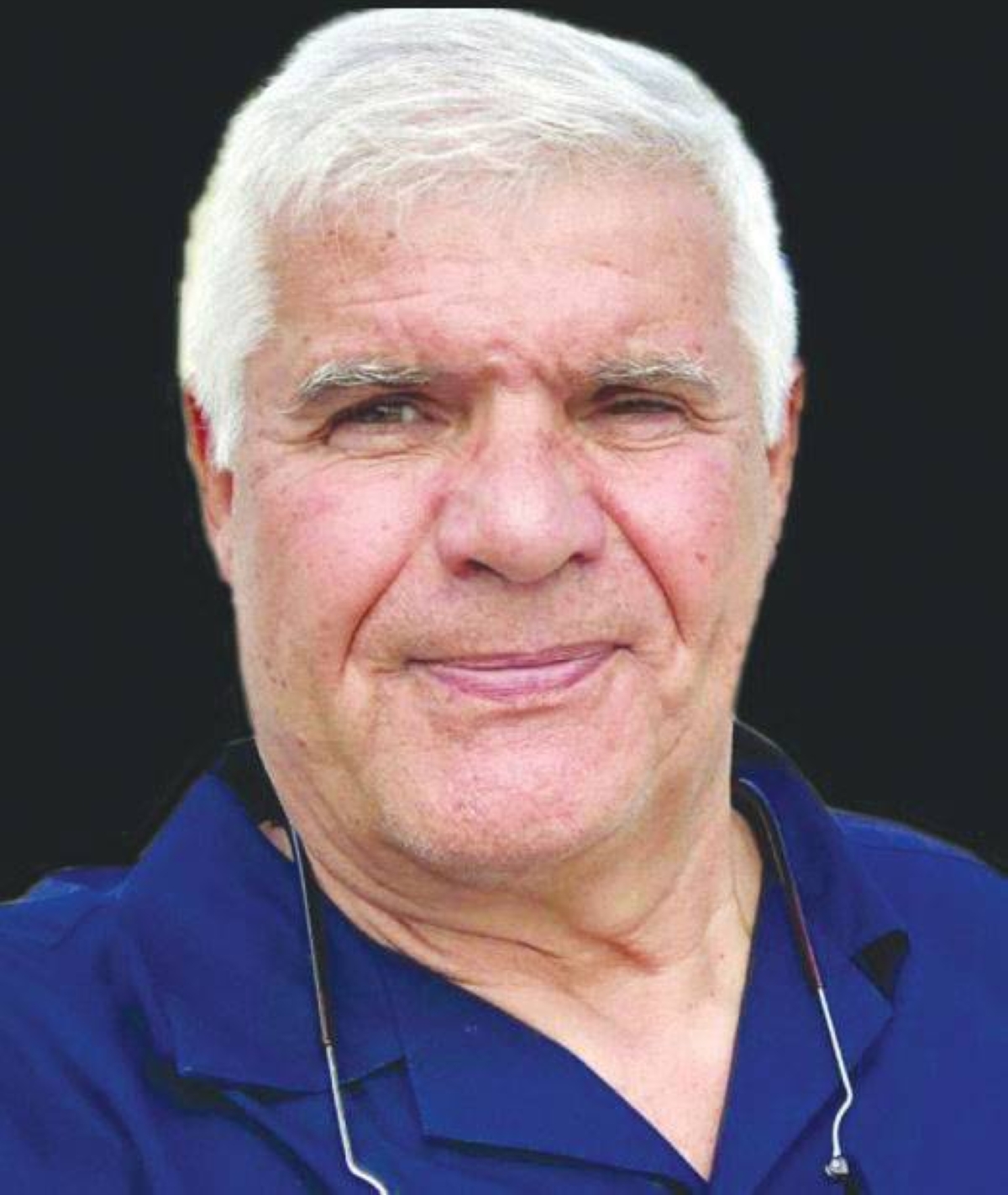
- Jamil K Mroue is a Lebanese writer and previous editor of Al Hayat newspaper in London and The Daily Star in Beirut.