



Qatar could unlock new revenue streams from waste through technologies that convert food scraps and biomass into compost and alternative fuels, as green solutions gain importance in the country’s sustainability drive.
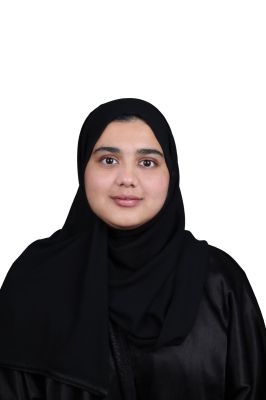
Speaking to Gulf Times on the sidelines of the sixth Recycling Towards Sustainability Conference and Exhibition, organised by the Ministry of Municipality, Katina Aghayan, CEO of Kingdom Konsultate, highlighted the potential of waste-to-fuel technologies, clean biodiesel and smart recycling systems to reduce emissions while creating economic opportunities.
Kingdom Konsultate is a specialised consultancy that works on sustainability strategies, climate technology, and solutions to tackle greenwashing. Aghayan said the company has worked with Qatar’s municipal sector for more than six years, introducing technologies that support the country’s environmental objectives.
“We do end-to-end solutions. We’re the only one in the region that does strategies, and we also have an arm in technology for climate tech,” she said.
Aghayan said one key area the company was promoting was converting biomass waste into alternative energy, including biofuel, biodiesel and bio-LNG.
In her conference presentation, titled around the concept of “waste to fuel”, she planned to explore how waste could be transformed into a valuable resource rather than becoming an environmental burden.
She also highlighted the potential to scale up green industries and develop commercial models that make sustainability financially viable.
“How we can take this very rich biomass that we have as waste and turn it into a revenue stream and reduce pollution in the environment,” she said, describing the opportunity.
Aghayan also revealed that Kingdom Konsultate had signed an exclusive partnership with a Saudi partner to introduce B100, a 100% biodiesel product intended to support decarbonisation and reduce greenhouse gas emissions.
Another technology attracting attention at the exhibition is CompoBot, a Hungarian innovation introduced to the Qatari and wider Middle Eastern markets through Kingdom Konsultate’s exclusive partnership.
The robotic system processes food waste into compost while allowing users to monitor their environmental impact.
“What it does actually is recycle the food, and it turns it into compost,” Aghayan said.
The system can also communicate with users and track how much waste and emissions have been reduced. Its mobile application allows the technology to be used in settings including homes, offices and lounges.
Beyond food-waste management, Aghayan said the company was introducing solutions in water recycling, microalgae, biofuel production and emissions reduction, working with public and private sector organisations.
She said these technologies aligned with Qatar National Vision 2030, particularly its environmental sustainability objectives.
“We are trying to really help our public sector and private sector to achieve the Qatar National Vision 2030,” she said.
Aghayan also stressed the importance of collaborating with government bodies, including the Ministry of Municipality and the Ministry of Environment, to advance sustainable practices.
For Qatar, the opportunity lies not only in reducing the amount of waste sent for disposal, but also in treating waste as a resource that can support alternative energy, lower environmental impacts and create new economic value.
As sustainability technologies develop, initiatives such as those showcased by Kingdom Konsultate underline the growing focus on practical solutions that connect environmental responsibility with commercially viable outcomes.
