



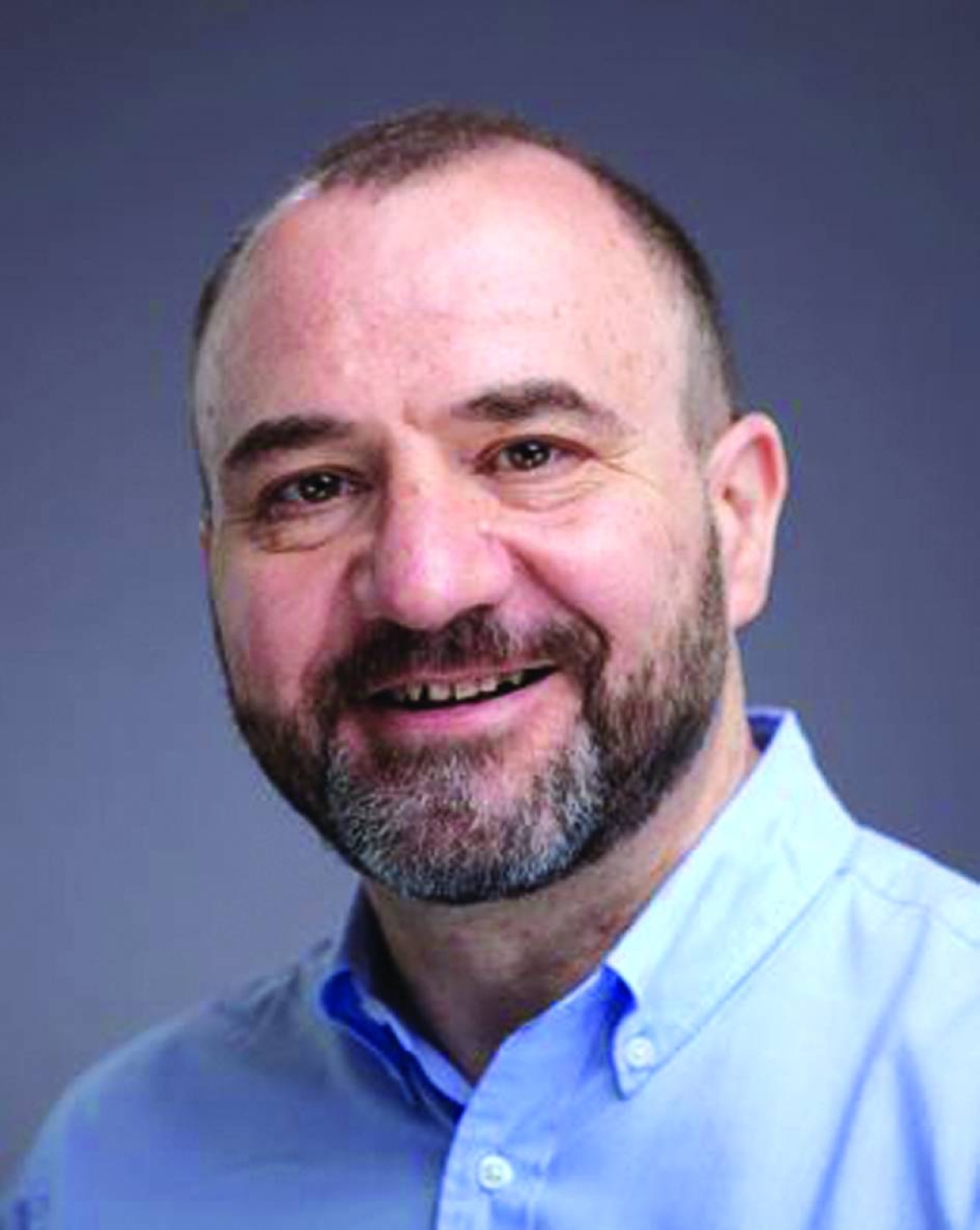
 This month, Dr Cristian Tudor completed his term as the first resident ambassador of the European Union to the State of Qatar. A Romanian career diplomat, he has lived a total of eight years in Qatar, previously serving as Romania’s ambassador to Qatar from 2015 to 2019. He also served as the EU Ambassador to Kuwait from 2019 to 2022, during which time he established and led the EU’s first delegation in the country.
Dr Tudor who is an Arabic speaker with more than two decades of professional experience in Syria and Iraq, as well as Kuwait and Qatar, is the only ambassador in the history of the European Union to establish two diplomatic missions from the ground up. His tenure also saw the first EU-GCC Summit in 2024 and the preparations for a second one scheduled for October 2026 in Saudi Arabia.
I spoke with him recently about his time in charge of the EU delegation since September 2022. I was particularly interested on his thoughts on the future of EU-Qatar and EU-GCC relations in an emerging multipolar order, where middle powers and regional organisations will have greater room — and greater responsibility — to shape outcomes.
What is the role of an EU ambassador and what characteristics do you need to be a good EU ambassador?
An EU ambassador represents more than an institution: he or she must turn the perspectives of 27 Member States into a coherent European position and then translate that position into influence in the host country. That requires political judgment, disciplined coordination and a clear sense of where European and national competencies meet. The task is not simply to communicate policy, but to create the conditions in which Europe can act with credibility and purpose.
It is also a deeply human role. Trust is built over time — with government, business, universities, civil society, the media and young people. In Qatar, we have made our diplomacy more people-centered, because a partnership becomes resilient only when it is understood and supported beyond official circles.
The essential quality of an ambassador is the ability to listen with attention and without preconceptions. Many years in the Arab world, and knowledge of Arabic, have taught the importance for diplomacy of cultural understanding. Openness and adaptability must be matched by consistency: you must respect the host country’s perspective while remaining clear about the principles and interests that you represent. That is how trust is earned - in person, over time — in the Majlis as much as in the Ministry.
What are the main areas of bilateral relations between the EU and Qatar that you have developed as ambassador?
Since 2022, our central objective has been to move EU-Qatar relations beyond traditional pillars towards a broader strategic partnership - while making Europe more visible and relevant to Qatari society through political dialogue, business, education, culture, youth engagement, and sports diplomacy.
Energy remains vital, especially for Europe’s security and diversification, but the agenda now extends across trade and investment, digital transformation, research and innovation, education, culture, youth, human rights and regional security. The December 2025 launch of negotiations on an EU-Qatar Strategic Partnership Agreement provides the political framework for these moves, and signals the willingness of both sides to organise their cooperation around clearer and more ambitious long-term priorities.
The EU delegation has also worked to widen the social base of relations. Sports-diplomacy, youth initiatives and media programmes foster connections with people who may never interact with diplomats in a more formal setting. This makes our partnership tangible to a new generation.
How has the current conflict between Iran and the US impacted on relations between Brussels and the GCC countries?
The crisis and the attacks against the GCC have accelerated a mutual understanding, already underway, of the interdependence of Gulf and European security. Instability in one region impacts on stability in the other. This is due to interconnected energy flows, trade routes, investment, and migration.
The EU’s solidarity with the GCC countries, its insistence on de-escalation, respect for sovereignty and international law topped the agenda at the extraordinary EU-GCC ministerial meeting in March 2026. It also set the basis for more real time consultations and coordination based on trusted political channels built in advance. The present crisis has therefore strengthened the case for a more structured EU-GCC security partnership and for closer cooperation. Firstly, Europe has an important role to play in creating space for dialogue, conflict prevention and negotiated outcomes. Qatar is indispensable in that effort because it combines access, credibility and a proven capacity to mediate.
What are your fondest memories of your time as the first EU ambassador in Doha?
Arriving in Doha in September 2022 as the first resident EU ambassador is one of my proudest professional memories. Few diplomats have the privilege of creating an institution. It is a demanding but exciting experience, as is earning the confidence of Qatari partners.
But there were many more informal memories: seeing European and Qatari communities come together through sport, culture, education and youth programmes; watching young people discover common interests; and seeing local audiences become more familiar with the EU, what it does and why it matters.
What are the main opportunities for EU–Gulf relations going forward?
The greatest opportunity is for EU-Gulf relations to continue to develop towards a strategic partnership. Energy security and the clean transition remain central, but the future must also encompass defence, AI, digital infrastructure, cybersecurity, R&D, industry, trade and investment.
The EU’s strategic investment plan - Global Gateway – can provide some of the capital to support these goals. But we also need to build deeper and wider connectivity between universities, researchers, entrepreneurs, youth and cultural institutions.
A final pillar will be security and diplomacy. Gulf states are increasingly influential in mediation and crisis management, and Qatar has been leading on this; Europe brings diplomatic reach, economic weight and regulatory capacity. Combined, those strengths can make both regions more effective in a fragmented international system.
• The writer is professor of International Politics and director of the Small States and Energy Studies Programs at Georgetown Univeristy in Qatar @RoryDavidMiller