



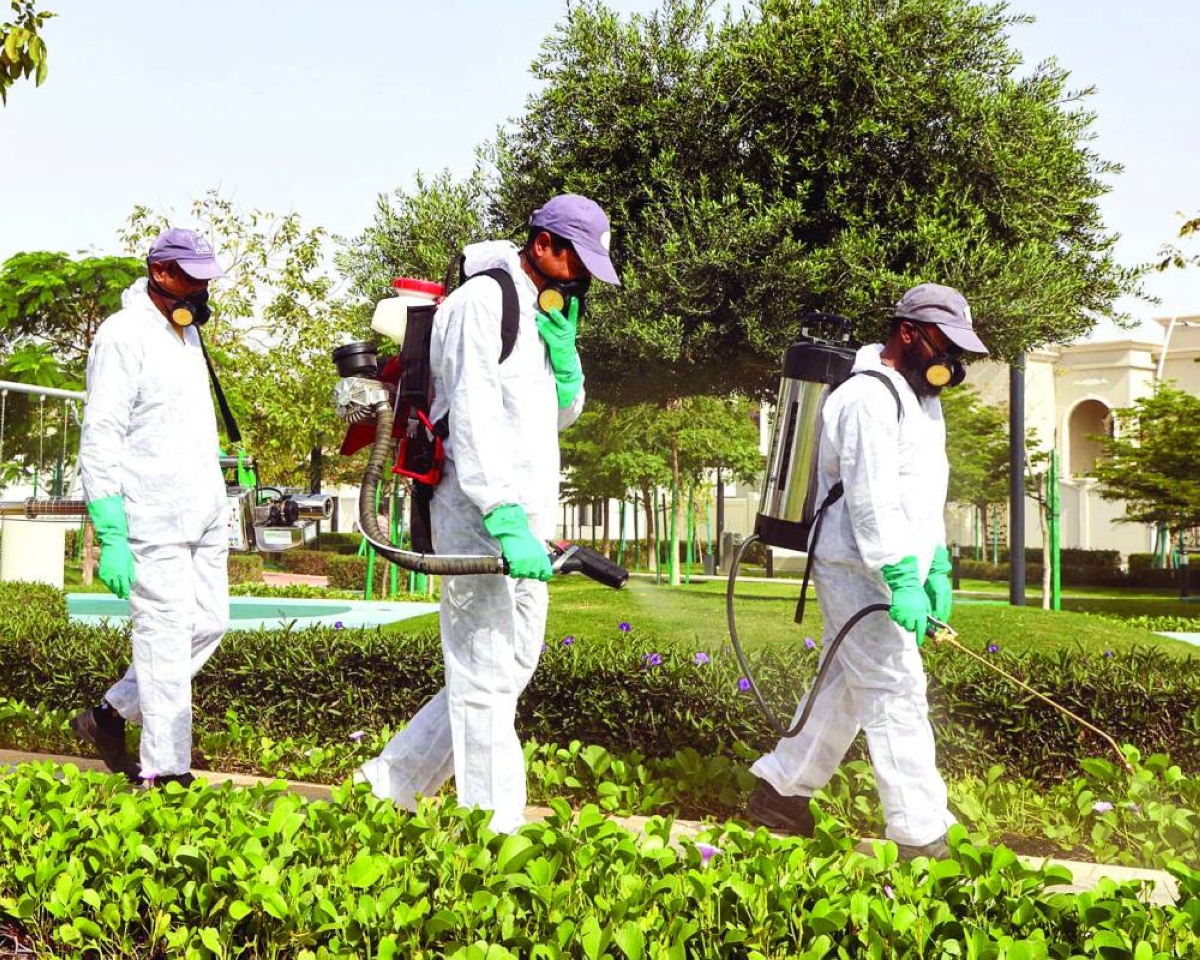
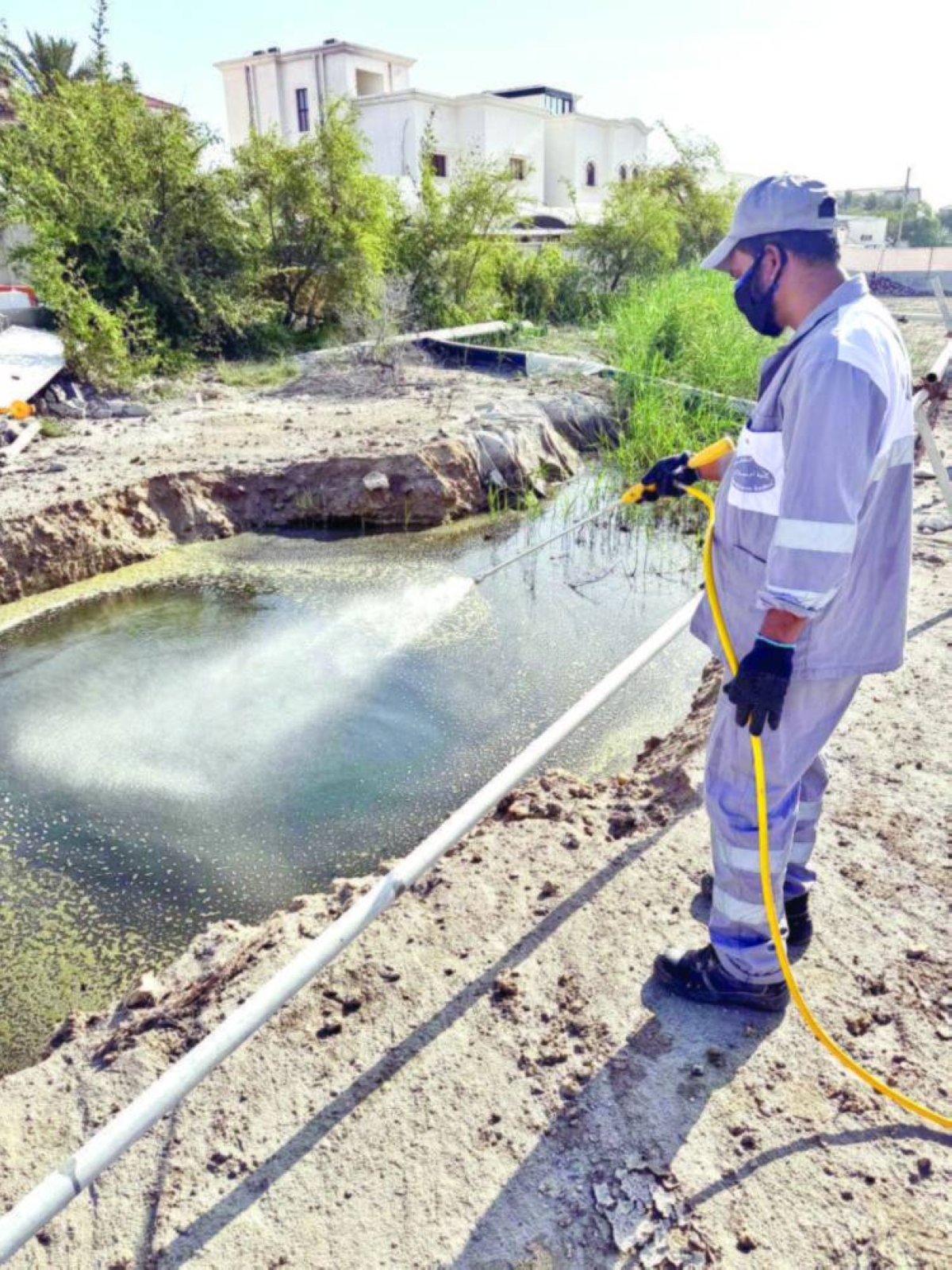
Qatar is implementing a comprehensive, technology-led strategy to combat mosquito spread, protect public health, and improve quality of life across the country, stressed Assistant Undersecretary at Ministry of Municipality Ali bin Mohamed al-Ali.
He explained that this strategy is built on three integrated pillars: smart monitoring, targeted field intervention, and community awareness. Authorities are deploying advanced geo-spatial surveillance systems and smart
traps connected to real-time data platforms, enabling precise tracking of mosquito density and distribution.
This data is analysed centrally and linked to environmental and climate factors to identify high-risk areas and guide rapid, efficient response. He said that field teams operate daily, targeting breeding sites at all stages of the mosquito lifecycle using approved pesticides that meet strict health and environmental standards. Operations are coordinated with the Ministry of Public Health of Qatar through a joint task force to ensure a unified national response.
Accordingly, al-Ali noted that between January 1 and April 17, the ministry handled 25,642 household pest control requests, with the highest numbers recorded in Doha and Al Rayyan. Several factors contribute to this including urban expansion, proximity to farms, and the presence of stagnant water and humid environments that encourage mosquito breeding.
Besides, 2,519 mosquito control operations were carried out between September 2025 and March 2026, all digitally documented through an integrated system linking field data to interactive maps. He pointed out that the ministry is also piloting innovative solutions, including drone-based spraying in hard-to-reach areas and biological control using Gambusia fish (also known as Mosquitofish), which feed on mosquito larvae. Early trials have shown positive results, supporting plans for gradual expansion alongside ongoing research. To strengthen prevention, the ministry has introduced eco-friendly initiatives such as distributing insect-repellent plants, like basil, lemongrass, and rosemary, free to the public via the Oun app and online platforms, encouraging community participation.