


Egypt is changing the way it subsidises bread in a bid to better supply its most vital staple and reduce wheat imports by the world’s biggest buyer of the grain.
Rather than fund the production of bread made from the grain bought locally or via international tenders, the government will from August only subsidise the final sale of bread, according to the Supply Ministry. The new system aims to reduce wheat and flour smuggling, lower subsidy costs by at least 5% and curb wheat demand by 5% to 10%.
Egypt is closely watched by the wheat market because it spends billions of dollars on grain each year to provide bread for its 90mn people. The country is trying to clamp down on smuggling and make sure it doesn’t pay more than necessary to help feed its population, half of which live near or below the poverty line. Any reduced wheat demand may also help add to a global glut of the grain after years of bumper harvests. “The new system will reduce waste and cut the cost of monitoring all the stages of production, eliminating the black market,” Supply Ministry spokesman Mohamed Suwaid said by phone yesterday.
Under the new system, the state-run buyer will sell local and imported wheat to public and private mills, and those mills well sell flour to bakeries to make bread that the government will then subsidise, he said. Currently, the government pays millers to turn wheat into flour and then pays bakeries to make bread, before subsidising the final product.
“This will cut smuggling, save wheat and eventually reduce imports,” Suwaid said, adding that it will lower subsidy costs by at least 8bn Egyptian pounds ($447mn). It may “also improve bread quality, because now millers and bakeries will be paying for their own goods,” he said.
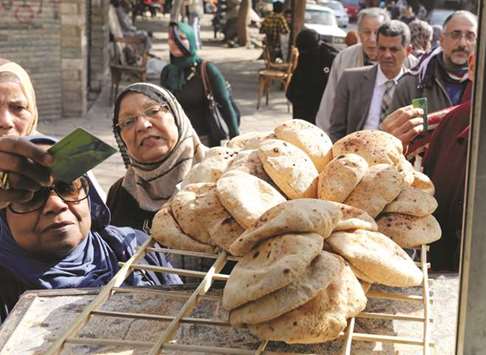
People buy bread at a bakery in Cairo. Egypt is closely watched by the wheat market because it spends billions of dollars on grain each year to provide bread for its 90mn people half of which live near or below the poverty line.