Business

Friday, February 27, 2026 | Daily Newspaper published by GPPC Doha, Qatar.

Business

Volatile US tariff policy is accelerating efforts in Africa to reduce reliance on the dollar in trade settlements, with companies exploring greater use of China’s renminbi and local currencies, the head of pan-African lender Ecobank Transnational has said.

US tariff risks spur African shift from dollar, says Ecobank

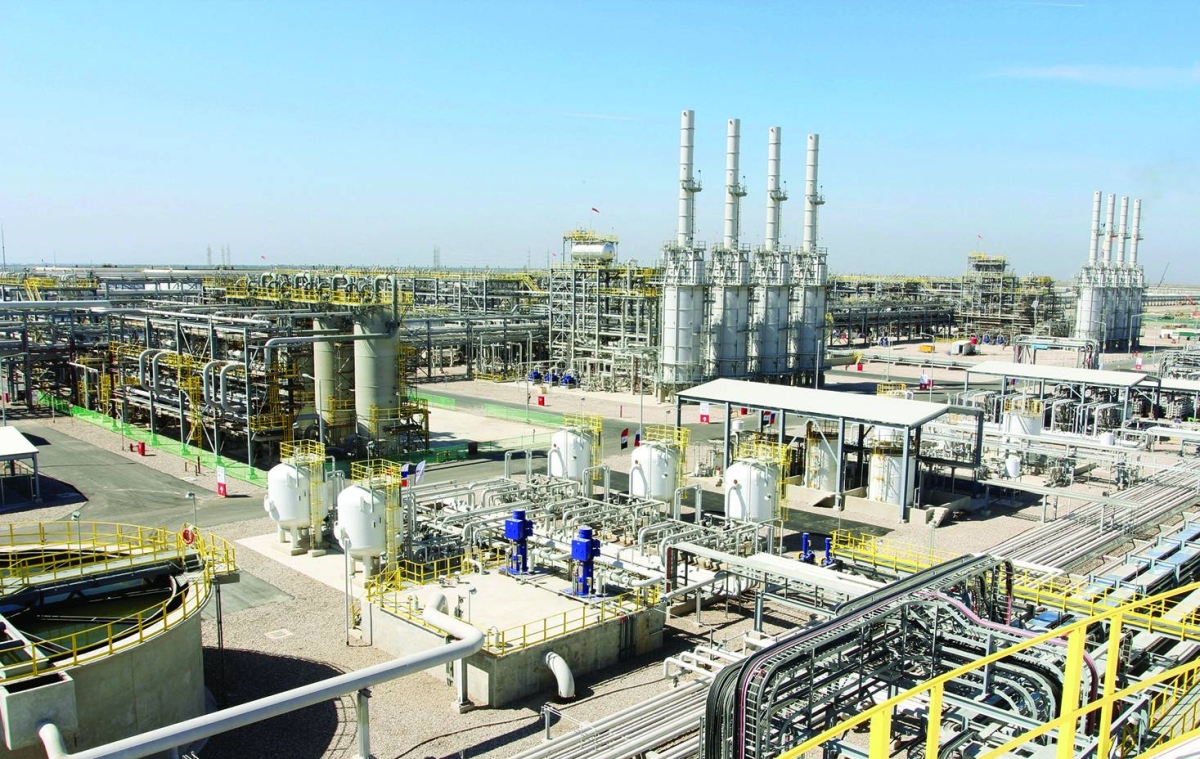
Volatile US tariff policy is accelerating efforts in Africa to reduce reliance on the dollar in trade settlements, with companies exploring greater use of China’s renminbi and local currencies, the head of pan-African lender Ecobank Transnational Inc said.Despite comparatively low levels of trade with the US, Africa hasn’t been shielded from the fallout of White House tariff decisions, Chief Executive Officer Jeremy Awori said in an interview last week.Trade between the two was $83.4bn in 2025, about 16% more than the previous year, according to US Census Bureau data. That pales in comparison with $315bn of flows between the continent and China, according to estimates by Ecobank’s economists.“We are going to see more options around direct renminbi conversion into African currency,” Awori said. “We also need to look at trading in African currencies, because if we can trade in our own local currencies, that takes off the pressure on the need for US dollars.”The expiry of the African Growth and Opportunity Act — which allows duty- and quota-free exports to the US — and its renewal subject to annual review have created fresh uncertainty for manufacturers and exporters, Awori said.Intra-Africa trade was valued at about $220bn in 2024, representing about 15% of the continent’s total, according to the UN Trade and Development agency.Enhancing trade within the continent will be a critical hedge against external geopolitical uncertainty, according to Awori, mentioning Nigeria’s new oil refinery as an example of how regions can trade more with each other. The 650,000 barrel-a-day Dangote facility will provide refined gasoline, diesel and jet fuel for Nigeria and other markets in Africa.“We would really hope to see more value addition across all segments, whether it is in mining, oil and gas, or agriculture, to push up this intra-Africa trade going forward,” he said. “But there are still issues we need to solve in terms of non-tariff barriers, bureaucracy among others.”


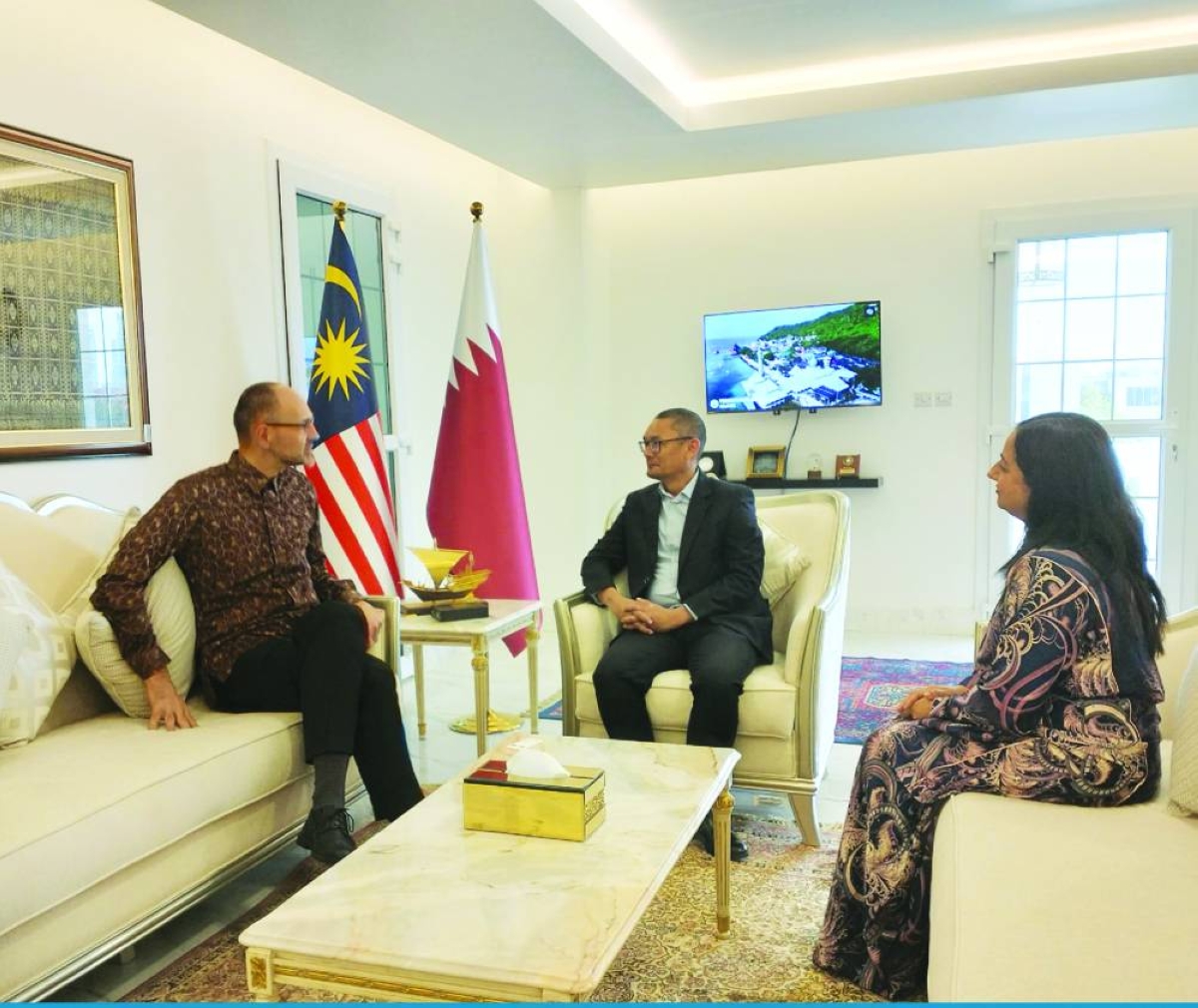
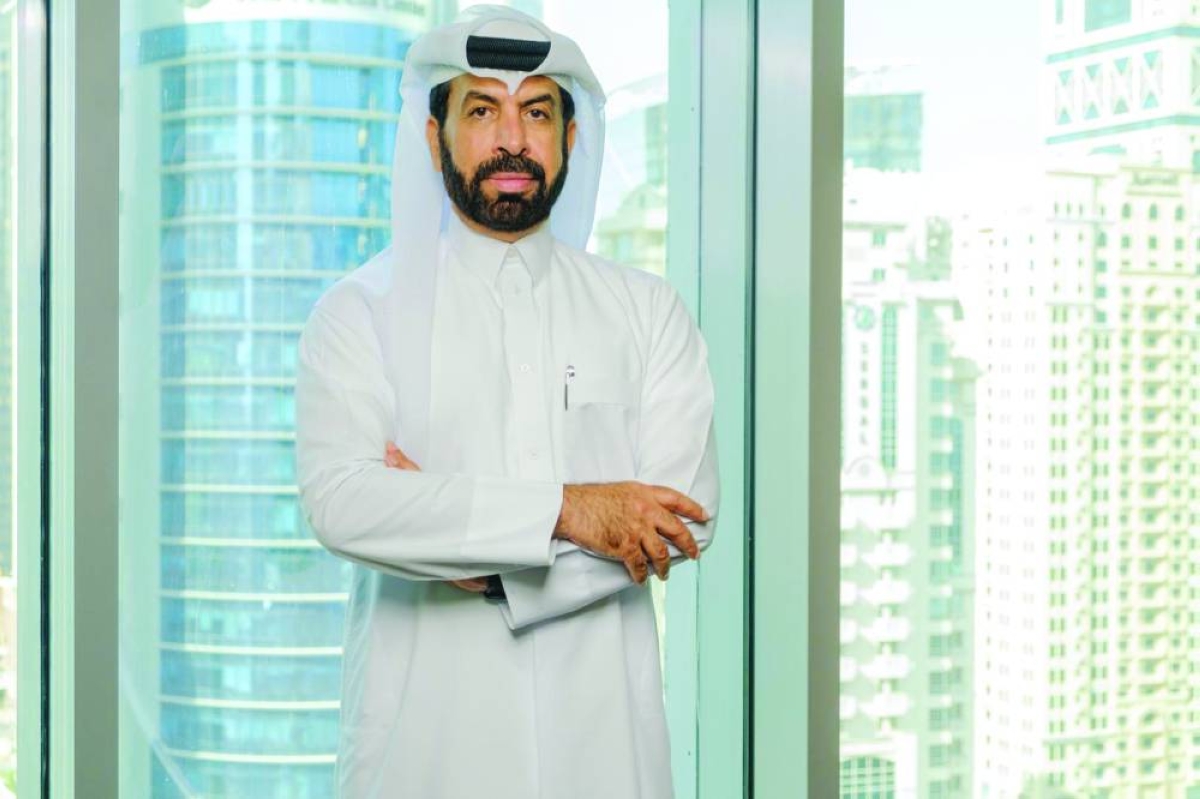
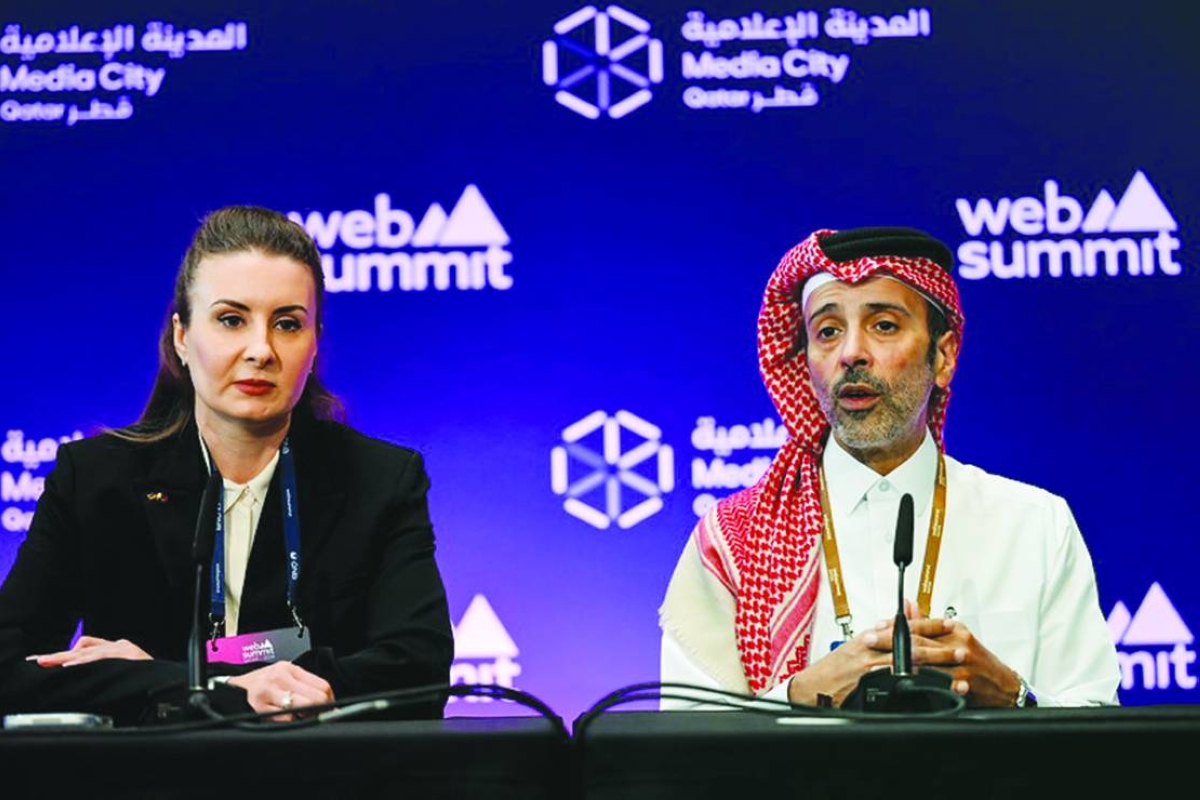
Hamad Mubarak al-Hajri, Lead investor at X2 Ventures, announcing the company’s strategic investment in Deus Robotics at Web Summit Qatar 2026, while Daria Revina, co-founder and vice-chair of the Qatar-Ukraine Business Forum (QUBF), looks on.

Qatari firm X2 Ventures backs Ukraine-founded robotics startup

Qatari firm X2 Ventures has invested in Deus Robotics, an all-in-one smart robotic automation platform delivering end-to-end solutions for warehouse, logistics and retail automation.The investment, announced during Web Summit Qatar 2026, marks a significant milestone as a strategic private Qatari investment in a technology company in this category, reflecting the strengthening innovation and investment ties between Qatar and Europe, Daria Revina, co-founder and vice-chair of the Qatar-Ukraine Business Forum (QUBF), told Gulf Times in a statement. X2 Ventures, led by Hamad Mubarak al-Hajri, founder & CEO of Snoonu Group and newly appointed CEO of International Markets at Jahez, continues to back scalable, impact-driven technologies that enhance operational efficiency, accelerate digital transformation, and support sustainable economic growth across the region, Revina pointed out. Revina emphasised that the investment was facilitated by QUBF as part of its mandate to advance technology, innovation, and international investment co-operation. She noted that the transaction underscores QUBF’s role in connecting high-growth technology companies originating in Ukraine with strategic partners and investors in Qatar and across the wider Gulf region. Revina explained that GCC markets, particularly Qatar, have been identified as a strategic growth priority for Deus Robotics. With the region’s logistics, retail, and industrial sectors heavily reliant on imported labour, Revina noted that robotic automation presents a compelling opportunity to enhance operational resilience, reduce dependency on manual processes, and support long-term productivity gains aligned with national development and digital transformation agendas. Al-Hajri highlighted the strong alignment between Deus Robotics’ scalable technology, proven market traction, and the GCC’s growing demand for smart automation solutions: “At X2 Ventures, we invest in technologies that solve real operational challenges and can scale globally. “Deus Robotics stands out for its strong engineering capabilities, demonstrated commercial traction, and clear relevance to the future of logistics and automation in this region and beyond.” According to Revina, Deus Robotics provides a unified AI-driven platform that enables enterprises to connect, manage, and optimise robotic fleets from any manufacturer through a single interface. Complementing this software layer is Deus Robotics’ own fleet of AI-powered autonomous robots, designed to improve key operational KPIs such as productivity, accuracy, scalability, and cost efficiency across warehouse and fulfillment operations, she said. Revina stated that the company has already demonstrated strong commercial traction, successfully deploying its solutions with national postal operators in Europe, and is currently expanding its footprint in the US, where demand for advanced logistics automation continues to accelerate. Commenting on the partnership, Paul Pikulin, CEO and co-founder of Deus Robotics, said: “We are excited to work with Hamad Mubarak al-Hajri and X2 Ventures to bring our proven market traction to Qatar and GCC countries, where the demand for robotic logistics automation continues to accelerate.” Revina underscored QUBF’s commitment to building a tech and ‘innovation bridge’ to connect the best of Ukrainian engineering, innovation, and entrepreneurial talent with Qatar’s rapidly expanding innovation ecosystem. She said, “The Deus Robotics investment reflects the growing depth of collaboration between our two countries. It demonstrates how strategic partnerships can accelerate the adoption of advanced technologies that enhance productivity and resilience. “By facilitating such connections, we aim to support Qatar’s transition toward a diversified, knowledge-based economy while strengthening long-term technology and investment ties between Ukraine, Qatar, and the wider region.” Revina added: “This investment reflects Qatar’s increasing engagement with frontier technologies and innovation-driven startups, while reinforcing the growing global demand for highly competitive engineering and technology talent.”