
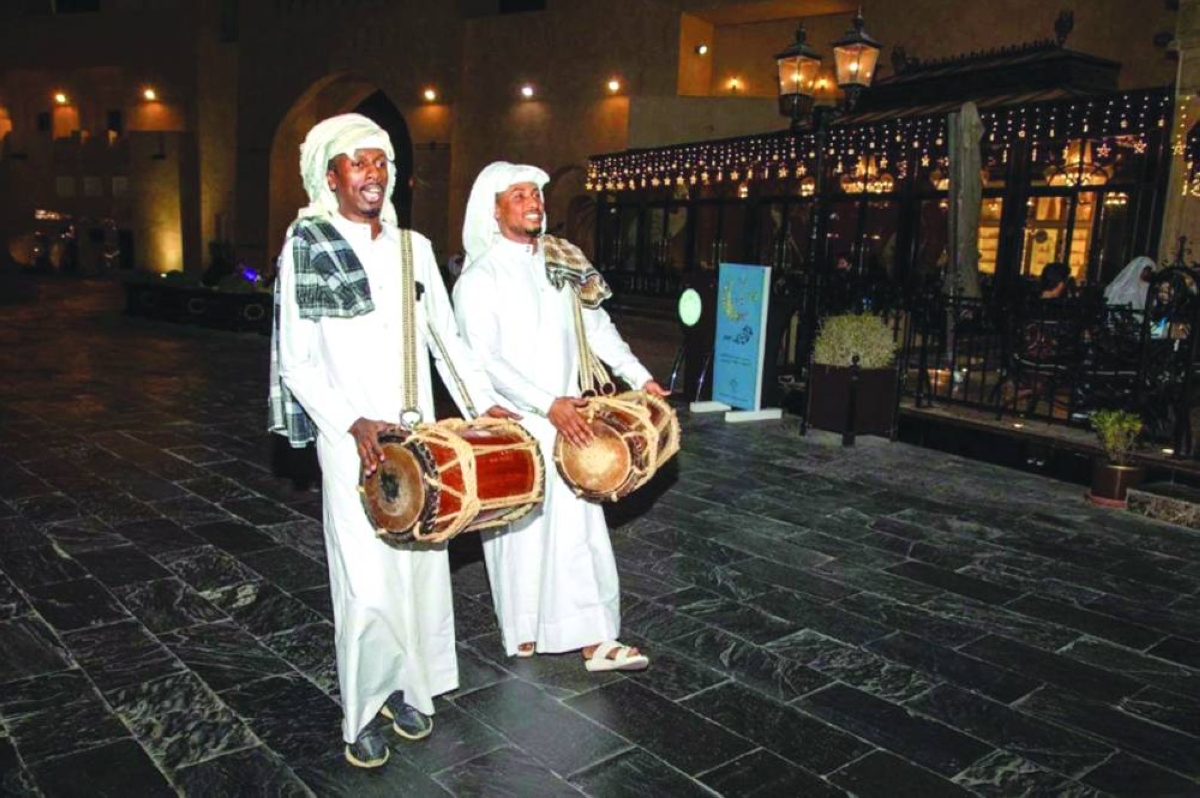
During the 1970s, the Holy Month of Ramadan saw a quiet social transformation in Qatar. Society was transitioning from a simple maritime and desert lifestyle into the early stages of a modern state, and with this shift, Ramadan evenings began to evolve. Before the introduction of local television broadcasting, traditional gatherings (majlis) were the main form of evening entertainment. After Taraweeh prayers, men would gather in popular majlis, where traditional Arabic coffee and dates were served, and talks were mostly centred on the topics related to the sea, daily life transactions, and regional news. Children filled the narrow alleys of old neighbourhoods such as Msheireb and Al Bidda, playing late into the night, while the voice of the mesaharaty (a man who used to alert people to get up for Suhoor late at night during Ramadan) remained a constant part of the scene, waking people before dawn with his familiar call, without loudspeakers or sound effects. In 1970, official broadcasting of Qatar Television began, and the rhythm of Ramadan nights started to change. Iftar time became linked to watching the news bulletin, followed by religious programmes and the popular Arabic TV series aired in the evenings. The introduction of television did not eliminate the majlis; it reorganised it. Some homes became gathering places for neighbours to watch a programme or TV series, especially in the early years when television sets were not yet common in households. Consequently, Ramadan after the oil boom took on different turns as living standards considerably improved, and iftar banquets became more diverse. Yet the core traditions remained unchanged: exchanging dishes between homes, performing Taraweeh prayers in congregation, and giving zakat and charity. There was a general sense that modernity was entering homes, but Ramadan maintained the stable traditions that continued to link the new generation with the old generation of the seafaring and pearl diving.
Qatar
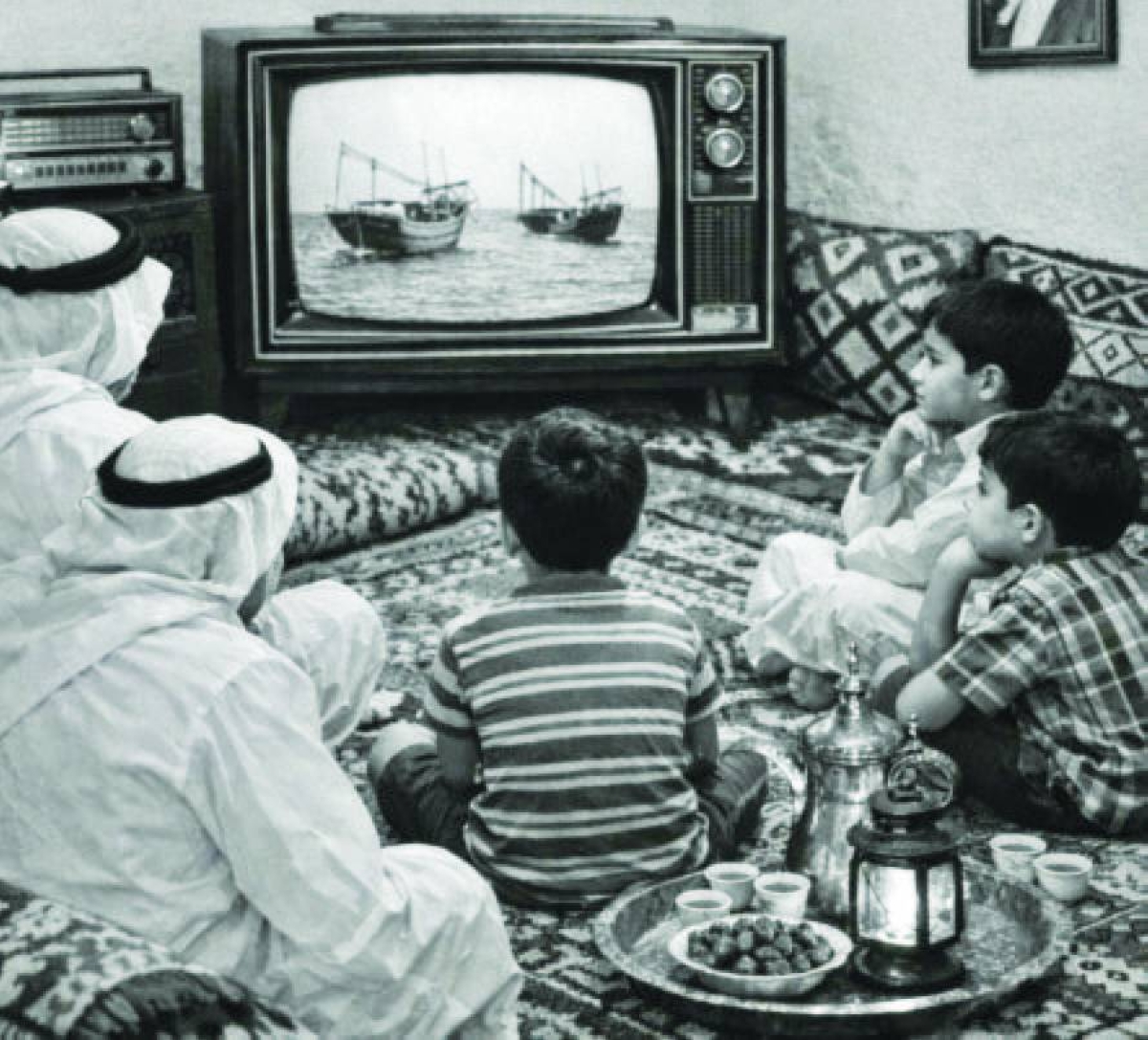
From traditional ways of life to modern prosperity, Ramadan remained a month of gatherings and piety
Thursday, February 19, 2026
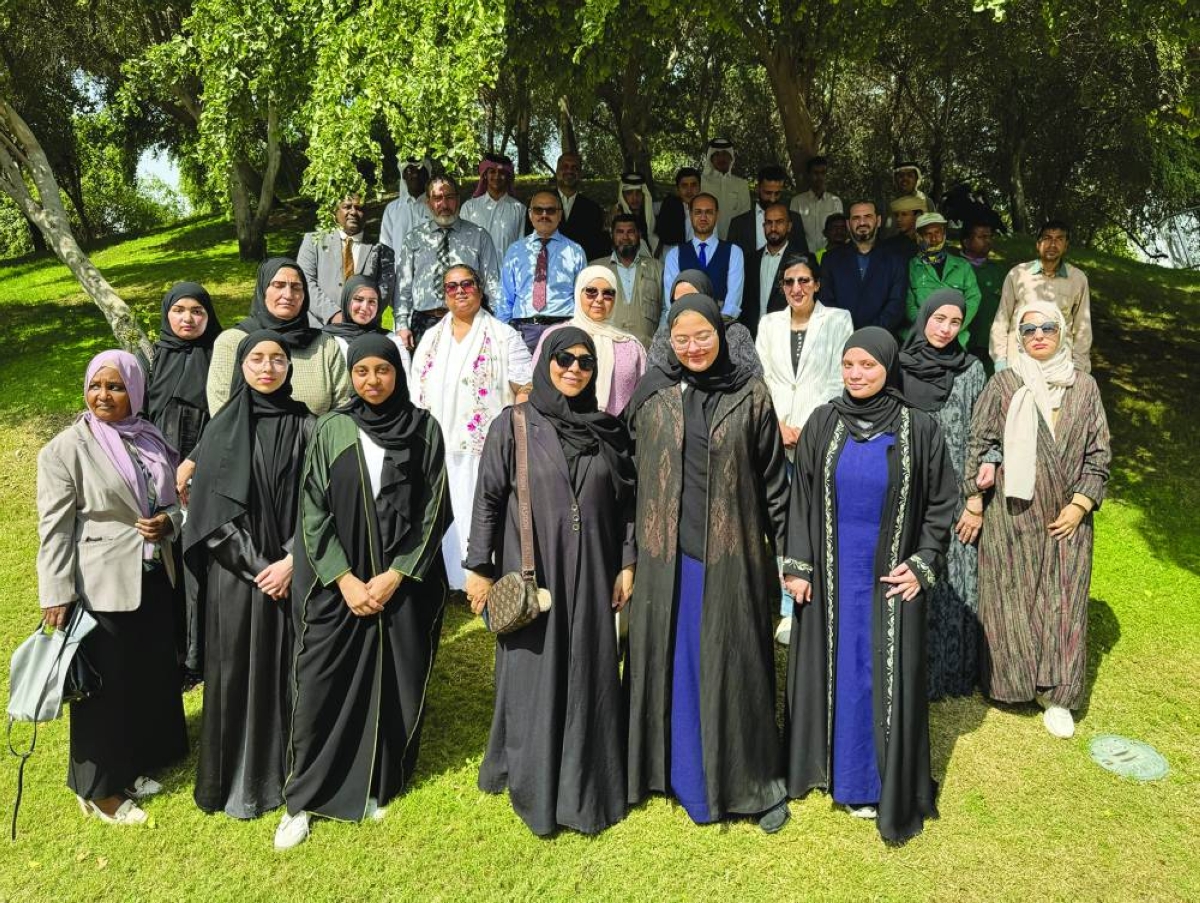
Qur’anic Botanic Garden concludes organic farming future season with market day
Friday, February 20, 2026
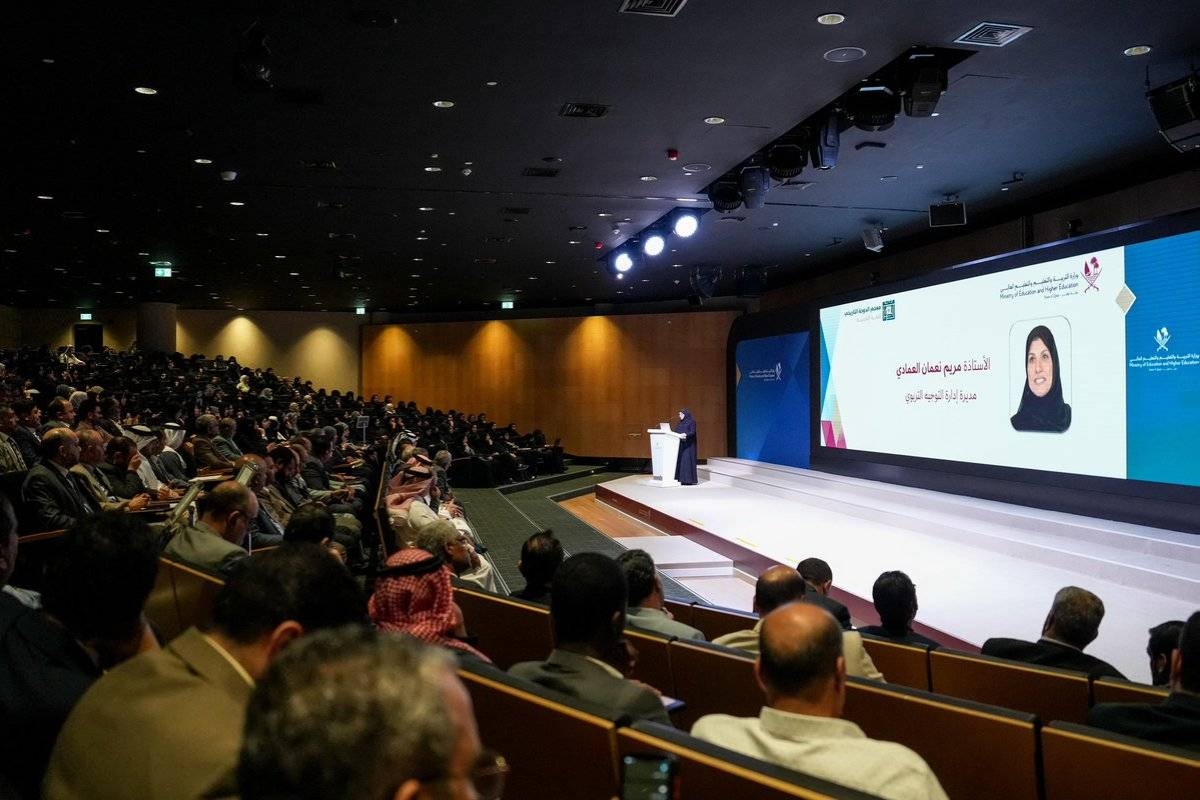
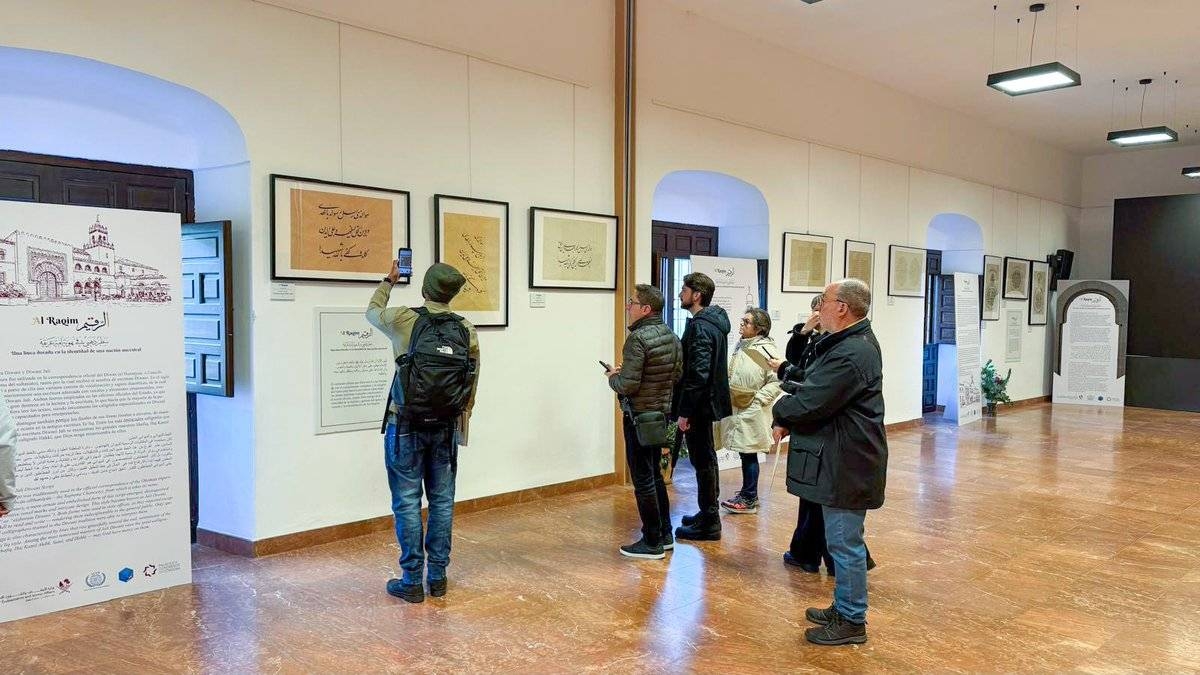
MoEHE hosts introductory session on Doha Historical Dictionary of Arabic Language
Friday, February 20, 2026
Thursday, February 19, 2026

Thursday, February 19, 2026

Thursday, February 19, 2026

Thursday, February 19, 2026

Wednesday, February 18, 2026

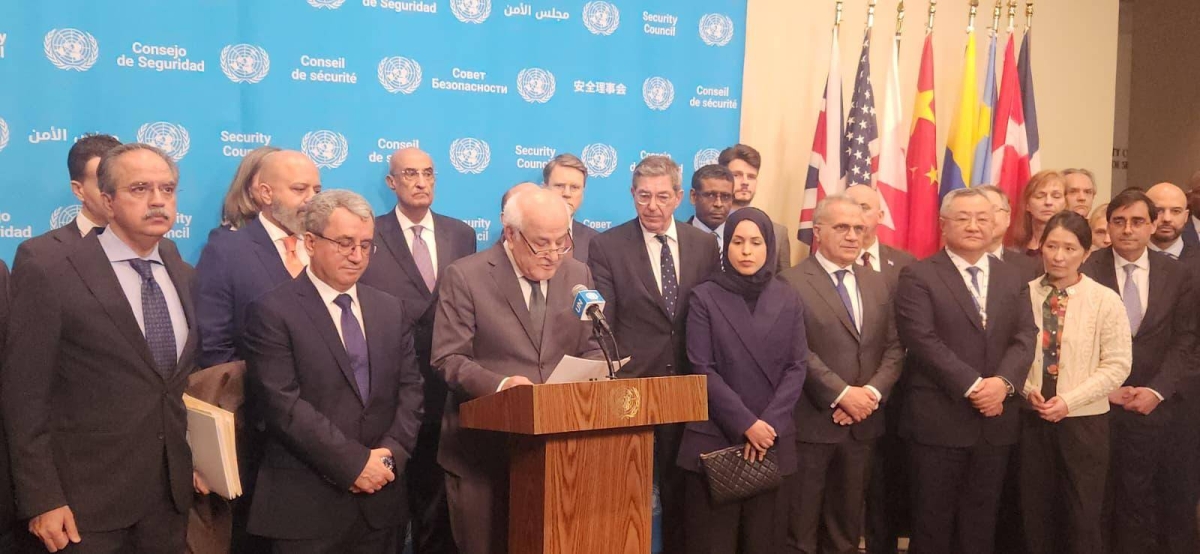
Qatar’s envoy joins press briefing on Israeli occupation’s ‘illegal’ West Bank measures
Friday, February 20, 2026
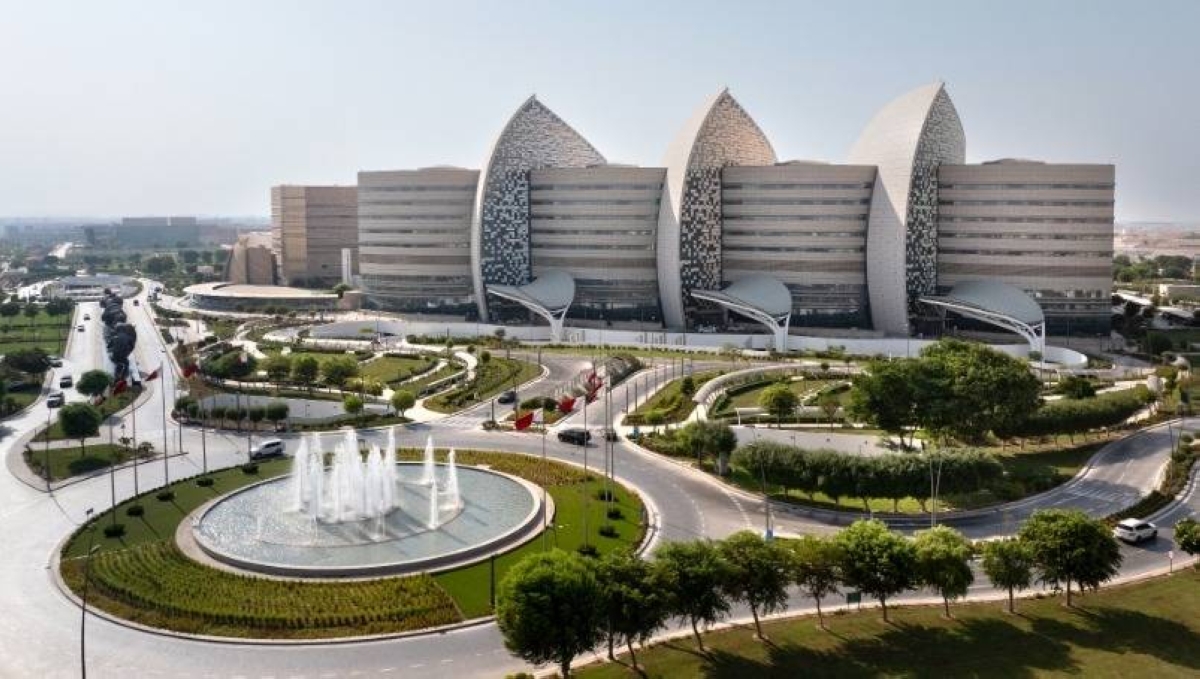

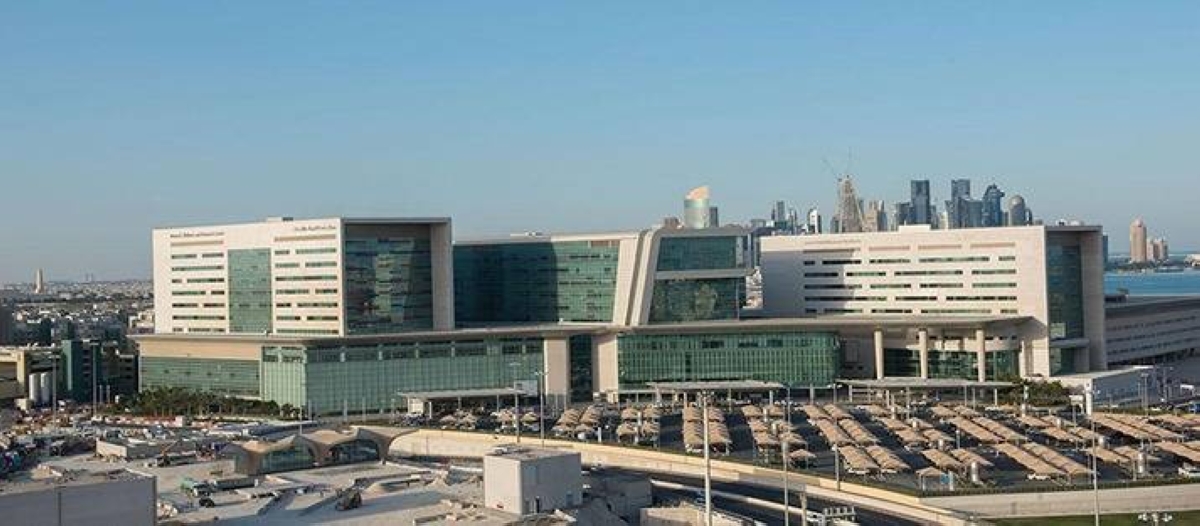
Emergency department has an effective plan in place for services during Ramadan
Thursday, February 19, 2026
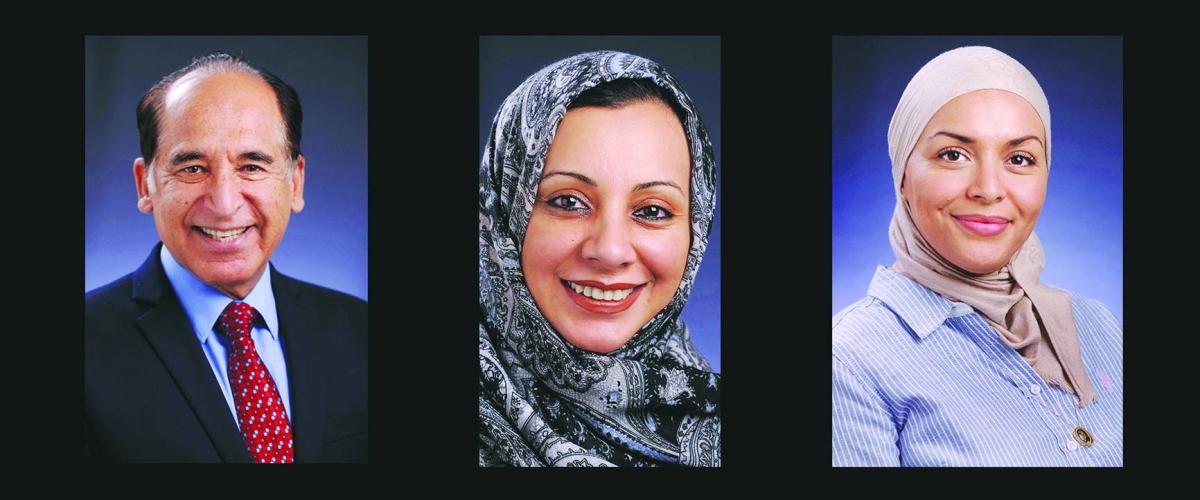
WCM-Q experts call for global rethink on statin guidelines for older adults
Thursday, February 19, 2026
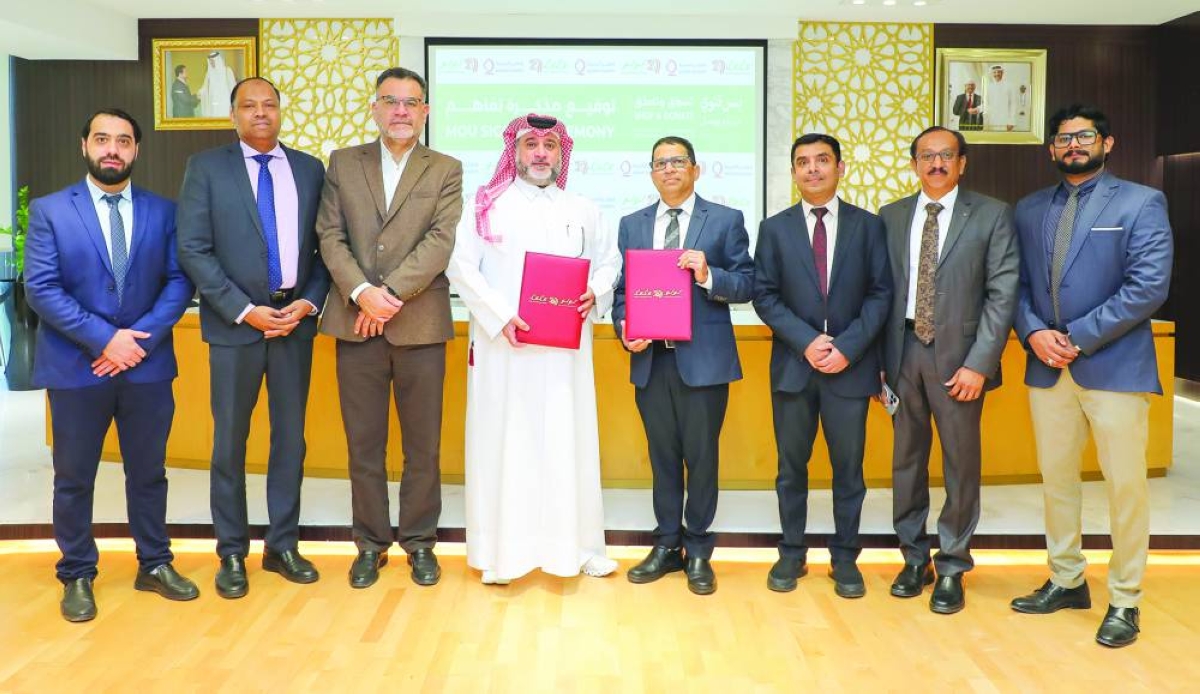
LuLu, Qatar Charity renew strategic partnership for 9th consecutive year
Thursday, February 19, 2026